Dod Secure Cloud Computing Architecture Explained Simply
Dod secure cloud computing architecture is the framework the U.S. Department of Defense uses to keep its data safe in the cloud. It combines zero trust security, data encryption standards, and continuous monitoring to protect classified and unclassified information. This system ensures that federal agencies can adopt cloud computing security without sacrificing national security. Understanding this architecture helps organizations plan secure cloud migration with confidence.
When you hear the words “Department of Defense” and “cloud computing” together, you might wonder how they fit. The truth is, dod secure cloud computing architecture is one of the most advanced security frameworks in the world. It was built to protect sensitive government data while still taking advantage of the speed, flexibility, and cost savings that cloud technology offers. In simple terms, it is a set of rules, tools, and practices that keep defense data safe whether it sits on a server in Virginia or travels across a secure network to a partner agency.
Why does this matter? Every day, defense agencies handle information that ranges from public-facing documents to top-secret intelligence. If that data is not properly protected, the consequences can be severe. Dod secure cloud computing architecture solves this problem by layering multiple security controls. It uses zero trust architecture, which means no user or device is trusted by default. Every access request is verified, every connection is encrypted, and every action is logged. This approach has become a gold standard for federal cloud computing and is now influencing how private companies think about security too.
If you work in IT, cybersecurity, or government contracting, understanding this architecture is essential. Even if you are not in defense, the principles behind dod secure cloud computing architecture apply to any organization that handles sensitive data. In this article, we will break it all down in plain language. You will learn what it is, how it works, and how to apply its lessons to your own environment.
Key Takeaways
- Zero Trust Is the Foundation: Dod secure cloud computing architecture relies on zero trust, meaning no user or device is trusted by default. Every access request is verified.
- Encryption Protects Data Everywhere: All data must be encrypted at rest and in transit, following strict federal standards like FIPS 140-2 and FIPS 140-3.
- Network Segmentation Limits Breach Impact: Dividing the cloud environment into isolated zones prevents attackers from moving freely through the system.
- Continuous Monitoring Is Essential: Real-time visibility into all systems ensures that threats are detected and responded to quickly.
- FedRAMP and RMF Drive Compliance: Cloud systems must meet FedRAMP authorization requirements and follow the Nist Risk Management Framework before deployment.
- AI and Automation Are Shaping the Future: Emerging technologies like artificial intelligence and automated security workflows will make dod secure cloud computing architecture even more resilient.
📑 Table of Contents
What Is Dod Secure Cloud Computing Architecture?
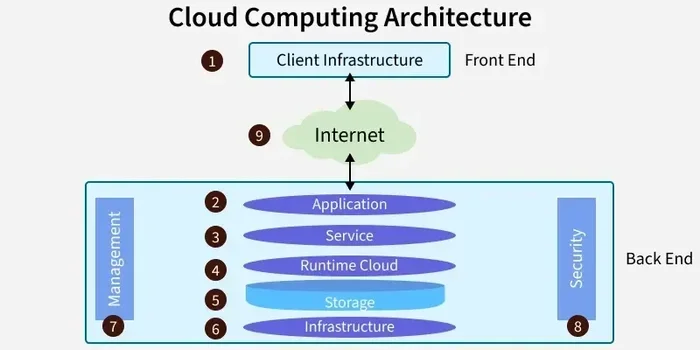
At its core, dod secure cloud computing architecture is a cloud security framework designed specifically for the Department of Defense. It defines how data is stored, processed, and transmitted across cloud environments while meeting strict national security standards. The architecture is not just one product or tool. It is a comprehensive system made up of policies, technologies, and procedures that work together.
The framework draws heavily from the Nist cybersecurity framework and the Risk Management Framework (RMF). These are widely recognized standards that help organizations identify risks, implement controls, and monitor their security posture over time. Dod secure cloud computing architecture takes these standards and adapts them for cloud environments, where data is distributed across multiple servers, regions, and service providers.
Who Uses This Architecture?
Primarily, dod secure cloud computing architecture serves the Department of Defense and its associated agencies. But it also impacts defense contractors, cloud service providers that work with the government, and federal IT teams. Any organization that handles classified cloud environments or impact level controls must follow the guidelines set by this architecture. The Defense Information Systems Agency (DISA) plays a key role in overseeing and maintaining these standards.
Why Was It Created?
Traditional on-premise data centers were not built for the modern threat landscape. Cyberattacks have grown more sophisticated, and government agencies need scalable, resilient systems. Dod secure cloud computing architecture was created to address this gap. It allows defense organizations to move workloads to the cloud without compromising information assurance or compliance requirements. The result is a system that is both agile and highly secure.
Core Components of Dod Secure Cloud Architecture
Understanding the building blocks of dod secure cloud computing architecture helps you see how all the pieces fit together. Each component plays a specific role in protecting data and maintaining operational integrity.
Zero Trust Architecture
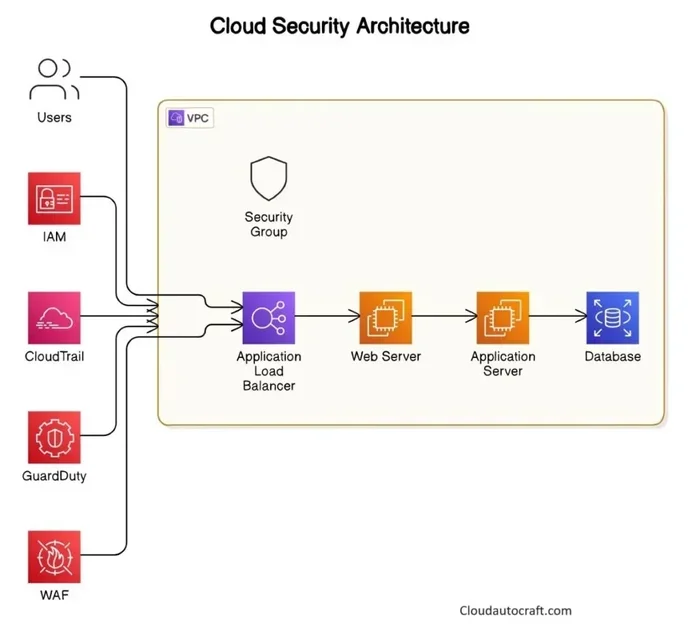
The foundation of dod secure cloud computing architecture is zero trust. In a zero trust model, no user, device, or application is automatically trusted, even if it is inside the network perimeter. Every access request must be authenticated and authorized. This means that even if a hacker breaches one part of the system, they cannot move laterally through the network without additional verification at every step.
Zero trust relies on strong identity and access management (IAM). Users are given the minimum level of access they need to do their jobs. This principle is known as least privilege. Combined with multi-factor authentication, zero trust makes it extremely difficult for unauthorized users to gain access to sensitive defense systems.
Data Encryption Standards
Encryption is another critical component. Dod secure cloud computing architecture requires that all data be encrypted both at rest and in transit. This means that whether data is sitting on a hard drive or traveling across a network, it is scrambled into unreadable code that only authorized parties can decode.
The encryption standards used in dod secure cloud computing architecture align with federal guidelines such as FIPS 140-2 and FIPS 140-3. These standards ensure that the encryption methods are strong enough to withstand modern attacks. For defense contractors and cloud providers, meeting these encryption requirements is a non-negotiable part of working with the government.
Network Segmentation
Network segmentation divides a cloud environment into smaller, isolated zones. Each zone has its own security controls and access rules. This limits the damage that can be caused by a breach in any single segment. In dod secure cloud computing architecture, network segmentation ensures that even if one part of the system is compromised, the rest remains protected.
Think of it like a building with fire doors between each floor. If a fire starts on one floor, the fire doors prevent it from spreading. Network segmentation works the same way for cyber threats. It is a simple but powerful technique that is central to multi-cloud security strategies.
Continuous Monitoring and Logging
Security is not a set-it-and-forget-it process. Dod secure cloud computing architecture requires continuous monitoring of all systems and networks. This means that security teams constantly watch for unusual activity, potential threats, and policy violations. Every login attempt, data access request, and configuration change is logged and reviewed.
This real-time visibility allows teams to detect and respond to threats quickly. It also supports security authorization processes, where systems are periodically assessed to ensure they still meet the required security standards. Continuous monitoring is what keeps dod secure cloud computing architecture adaptive rather than static.
How Dod Cloud Security Differs from Traditional Cloud
Not all cloud environments are created equal. Dod secure cloud computing architecture operates under much stricter rules than commercial cloud services. Understanding these differences is important for anyone planning a secure cloud migration.
Stricter Compliance Requirements
Commercial cloud providers like AWS, Azure, and Google Cloud offer general-purpose security features. But when a cloud environment handles defense data, it must meet additional standards. Dod secure cloud computing architecture requires compliance with FedRAMP (Federal Risk and Authorization Management Program) and specific DoD impact levels. These requirements go far beyond what most commercial businesses need.
For example, a cloud service provider working with the DoD must undergo rigorous security authorization processes. They must demonstrate that their infrastructure can handle impact level controls for classified data. This level of scrutiny ensures that the cloud environment is trustworthy for defense operations.
Higher Levels of Data Classification
Commercial clouds typically handle unclassified or sensitive business data. Dod secure cloud computing architecture, on the other hand, must support data at multiple classification levels, including confidential, secret, and top secret. Each classification level has its own set of controls and handling requirements.
This means that dod secure cloud computing architecture needs specialized infrastructure. It often involves dedicated hardware, separate virtual networks, and enhanced physical security at data centers. These measures ensure that classified data never mixes with unclassified data in the same environment.
Stronger Identity Verification
While commercial cloud services use standard username and password combinations, dod secure cloud computing architecture demands much stronger identity verification. Multi-factor authentication is mandatory. In many cases, users must pass through identity and access management systems that verify their identity using biometrics, smart cards, or other advanced methods.
This extra layer of verification makes it far harder for attackers to impersonate legitimate users. It is one of the reasons why dod secure cloud computing architecture is considered more secure than typical commercial cloud setups.
The Risk Management Framework in Dod Cloud
The Risk Management Framework (RMF) is the backbone of dod secure cloud computing architecture. It provides a structured process for identifying, assessing, and mitigating security risks. Every cloud system used by the DoD must go through the RMF before it is authorized to operate.
The Six Steps of the Risk Management Framework
The RMF follows a clear, repeatable process. Here are the six steps:
- Prepare: The organization sets the context for security. It identifies the system, its purpose, and the risks it faces.
- Categorize: The system is assigned an impact level based on the sensitivity of the data it handles.
- Select: Security controls are chosen from the Nist SP 800-53 catalog. These controls are tailored to the system’s impact level.
- Implement: The selected controls are put into place. This includes technical measures, policies, and procedures.
- Assess: An independent assessment verifies that the controls are working as intended.
- Authorize and Monitor: An authorizing official approves the system to operate. Continuous monitoring then ensures ongoing compliance.
This process ensures that dod secure cloud computing architecture is never left to chance. Every system is evaluated, every risk is addressed, and every control is tested. It is a disciplined approach that keeps defense data safe in dynamic cloud environments.
Best Practices for Implementing Dod Cloud Security
Whether you are a defense agency or a cloud provider supporting the DoD, following best practices is essential. These practical tips help you align with dod secure cloud computing architecture and strengthen your overall security posture.
Start with a Clear Security Plan
Before moving any data to the cloud, create a detailed security plan. This plan should outline the types of data you will handle, the impact levels involved, and the controls you will implement. A clear plan makes the secure cloud migration process smoother and reduces the risk of oversights.
Adopt Zero Trust Principles Early
Do not wait until a breach occurs to adopt zero trust. Start by mapping out all users, devices, and data flows in your environment. Then apply least-privilege access controls and enforce multi-factor authentication across the board. The sooner you embrace zero trust, the stronger your defense will be.
Choose FedRAMP-Authorized Cloud Providers
Always work with cloud service providers that hold FedRAMP authorization. This certification proves that the provider has met federal security standards. For DoD-specific workloads, look for providers that have achieved DoD Impact Level authorizations. This ensures that the provider understands and meets defense requirements.
Invest in Continuous Monitoring Tools
Security is an ongoing process, not a one-time setup. Invest in tools that provide real-time visibility into your cloud environment. These tools should alert you to suspicious activity, track configuration changes, and generate compliance reports automatically. Continuous monitoring is a cornerstone of dod secure cloud computing architecture.
Train Your Team Regularly
Even the best security controls can fail if people do not follow them. Conduct regular training sessions on cloud computing security best practices. Make sure your team understands how to handle classified data, recognize phishing attempts, and respond to incidents. A well-trained team is your strongest line of defense.
The Future of Dod Secure Cloud Computing
The landscape of defense technology is always evolving. Dod secure cloud computing architecture is no exception. As cyber threats become more advanced, the architecture continues to adapt and improve.
Artificial Intelligence and Machine Learning
AI and machine learning are starting to play a bigger role in cloud security framework design. These technologies can analyze massive amounts of data in real time, detecting anomalies that human analysts might miss. In the future, dod secure cloud computing architecture will likely integrate AI-driven threat detection to stay ahead of attackers.
Hybrid and Multi-Cloud Strategies
More defense agencies are adopting hybrid and multi-cloud strategies. This means using more than one cloud provider or combining cloud resources with on-premise infrastructure. Dod secure cloud computing architecture is evolving to support these complex environments while maintaining strong network segmentation and data encryption standards across all platforms.
Greater Focus on Automation
Automation is another trend shaping the future. Manual security processes are slow and error-prone. By automating tasks like patch management, compliance checks, and incident response, dod secure cloud computing architecture can respond to threats faster and with fewer human mistakes. This shift toward automation will make defense cloud systems even more resilient.
Dod secure cloud computing architecture represents a bold and necessary step forward for federal cybersecurity. It proves that government agencies can harness the power of the cloud without compromising national security. By combining zero trust principles, rigorous encryption, continuous monitoring, and a structured risk management process, this architecture sets a high bar for what secure cloud computing should look like.
If you are involved in defense IT, cloud services, or cybersecurity, taking the time to understand dod secure cloud computing architecture will pay off. The principles it uses are applicable far beyond the defense sector. Any organization that handles sensitive data can benefit from the zero trust mindset, strong encryption practices, and continuous monitoring that define this framework. Start applying these lessons today, and you will build a stronger, more secure digital future for your organization.
Frequently Asked Questions
What is dod secure cloud computing architecture?
Dod secure cloud computing architecture is the framework the Department of Defense uses to protect sensitive data in cloud environments. It combines zero trust principles, data encryption, network segmentation, and continuous monitoring to ensure that defense information stays safe. The architecture follows standards set by Nist and the Risk Management Framework.
Who is responsible for overseeing dod secure cloud computing architecture?
The Defense Information Systems Agency (DISA) plays a leading role in setting and maintaining the standards for dod secure cloud computing architecture. Other organizations like the National Security Agency (NSA) and the Federal Risk and Authorization Management Program (FedRAMP) also contribute to the compliance and authorization processes.
How does zero trust fit into dod secure cloud computing architecture?
Zero trust is the core security model used in dod secure cloud computing architecture. It assumes that no user, device, or application is trustworthy by default. Every access request must be authenticated, authorized, and continuously validated. This approach greatly reduces the risk of unauthorized access and lateral movement by attackers.
Can private companies use dod secure cloud computing architecture principles?
Absolutely. While dod secure cloud computing architecture is designed for defense use, its principles apply to any organization handling sensitive data. Private companies can adopt zero trust, strong encryption, network segmentation, and continuous monitoring to improve their own security posture. Many of these practices are now considered industry best standards.
What is the difference between FedRAMP and dod secure cloud computing architecture?
FedRAMP is a government-wide program that provides a standardized approach to security assessment, authorization, and continuous monitoring for cloud products and services. Dod secure cloud computing architecture goes a step further by adding DoD-specific requirements, such as impact level controls and support for classified data environments. FedRAMP is a subset of the broader defense cloud security framework.
Why is continuous monitoring so important in dod secure cloud computing architecture?
Continuous monitoring allows security teams to detect threats in real time rather than after a breach has occurred. In dod secure cloud computing architecture, every system activity is logged and reviewed constantly. This proactive approach ensures that vulnerabilities are identified quickly and that the security posture remains strong over time.