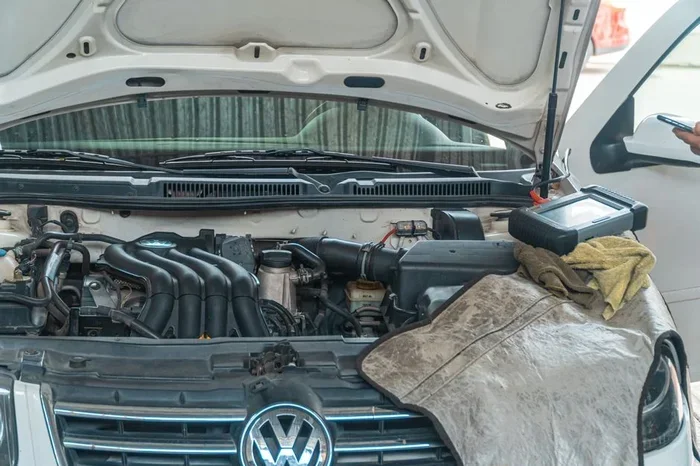
Engine Rattle on Startup Then Goes Away Explained Here
An engine rattle on startup then goes away is a common issue that many drivers face, especially in cold mornings or after a car sits overnight. The rattle usually comes from hydraulic lifters, exhaust leaks, or a worn timing chain that settles once oil pressure builds up. Understanding the root cause helps you fix it early and avoid costly repairs down the road.
You turn the key, and for a split second, your car sounds like a bag of marbles shaking inside the engine bay. Then, just as quickly as it started, the noise disappears. This is an engine rattle on startup then goes away, and it is one of the most common complaints drivers bring to mechanics every single day.
Here is the good news. In most cases, this type of engine rattle on startup then goes away is not a sign of catastrophic failure. Often, it points to something minor that you can fix without breaking the bank. That said, ignoring it is never a smart move. A small rattle today can turn into a big repair bill tomorrow if you do not pay attention.
In this guide, we will walk through every major cause of engine rattle on startup then goes away. You will learn what is happening under your hood, which parts are most likely to blame, and exactly what you can do about it. Whether you are a DIY mechanic or someone who just wants to understand what the shop is talking about, this article has you covered.
Key Takeaways
- Most causes are minor: Hydraulic lifter noise and cold start rattle are usually harmless and easy to fix.
- Oil changes matter: Old or wrong viscosity oil is a top reason for engine tick and startup noise.
- Listen carefully: The type of rattle tells you a lot about what is wrong underneath the hood.
- Do not ignore it: A small engine rattle on startup then goes away can signal a bigger problem if left alone.
- DIY fixes work: Many causes can be addressed at home with basic tools and a little know-how.
- Know when to see a pro: Persistent rattles, especially timing chain rattle, need a mechanic’s attention right away.
📑 Table of Contents
- What Causes an Engine Rattle on Startup Then Goes Away?
- How Oil Viscosity Affects Startup Noise
- Common Mechanical Parts That Create Startup Noise
- When to Worry About Engine Rattle on Startup Then Goes Away
- Easy Fixes and Preventive Maintenance
- Final Thoughts on Engine Rattle on Startup Then Goes Away
What Causes an Engine Rattle on Startup Then Goes Away?
The short answer is that several different parts and conditions can trigger a cold start rattle. Most of them are related to oil flow, metal expansion, or worn components that settle once the engine warms up. Let us break down the most common culprits one by one.
Hydraulic Lifter Noise
Hydraulic lifters are small oil-filled cylinders that sit in your valve train. They push the valves open and closed with every engine cycle. When your car sits overnight, oil drains away from the lifters. The first few seconds after you start the engine, the lifters do not have full oil pressure yet. This creates a tapping or clicking sound that many people call hydraulic lifter noise. Once oil reaches the lifters, they pump up and the noise stops. This is the single most common reason for engine rattle on startup then goes away.
Exhaust Manifold Leak
Your exhaust manifold handles extremely hot gases. Over time, the bolts and gaskets can wear out. A small leak in the exhaust manifold creates a ticking or rattling sound that is very loud when the engine is cold. As the metal expands with heat, the leak often seals itself, and the noise disappears. If you hear a sharp engine tick right after startup, an exhaust manifold leak is a strong possibility.
Timing Chain and Tensioner Issues
The timing chain keeps your crankshaft and camshaft synchronized. A timing chain rattle is more serious than lifter noise. When the timing chain tensioner wears out or loses oil pressure overnight, the chain can skip a tooth or vibrate against the guide. This produces a rattling sound on startup that usually fades as the tensioner re-engages. However, a worn timing chain should never be ignored. It can lead to serious engine damage if the chain jumps too far.
Piston Slap
Piston slap happens when the piston moves slightly too loosely in the cylinder wall. When the engine is cold, the metal has not expanded yet, and there is extra clearance. This creates a slapping or rattling noise that goes away once the piston heats up and expands to fit the cylinder properly. Piston slap is more common in high-mileage engines or vehicles that have not had regular oil changes.
Worn Serpentine Belt and Tensioner
The serpentine belt drives your alternator, power steering pump, and air conditioning compressor. A worn belt or a weak belt tensioner can produce a rattling or chirping noise on startup. The belt slips slightly when the engine first turns over, then tightens up as it warms. Replacing a serpentine belt is inexpensive and easy, so do not overlook this simple fix.
How Oil Viscosity Affects Startup Noise
Oil plays a huge role in how quiet or noisy your engine is during startup. Oil viscosity refers to how thick or thin your oil is at different temperatures. If you use the wrong weight oil, your engine may experience more startup noise than it should.
When oil is too thick, it does not flow quickly to the top of the engine during a cold start. This means the valve train and lifters go without lubrication for a few precious seconds. That delay creates the engine rattle on startup then goes away effect. On the other hand, oil that is too thin may not provide enough cushion between moving parts, which can also cause noise.
Always check your owner’s manual for the recommended oil weight. Many modern cars call for 0W-20 or 5W-30 because these weights flow quickly in cold weather. Using the right oil viscosity keeps your valve train quiet and your engine protected from the moment you turn the key.
Why Low Oil Causes Engine Tick
Low oil level is one of the easiest causes to fix. When your oil is below the minimum mark, the oil pump cannot deliver proper pressure on startup. This leads to a noticeable engine tick that comes from the top of the engine. Check your dipstick regularly. If the level is low, top it off and see if the startup noise goes away. If it does not, the problem may be deeper than just low oil.
Choosing the Right Oil Weight for Cold Weather
Drivers in cold climates should pay extra attention to oil weight. The “W” in 0W-20 stands for winter. A lower number before the W means the oil flows better in freezing temperatures. If you live somewhere with harsh winters, switching to a thinner winter-grade oil can dramatically reduce cold start rattle. This is a simple change that makes a big difference.
Common Mechanical Parts That Create Startup Noise
Beyond oil and gaskets, several mechanical parts can produce a startup noise that fades as the engine warms. Understanding these parts helps you narrow down the cause faster.
Heat Shield Rattle
Heat shields are thin metal pieces that wrap around your exhaust system to protect the car’s underbody from heat. Over time, the bolts that hold heat shields can rust and loosen. A loose heat shield rattles against the exhaust pipe or chassis, especially during the first few seconds after startup. The noise stops once the engine vibrations settle or the heat causes the metal to expand slightly. A heat shield rattle is one of the easiest engine rattle on startup then goes away issues to fix. A mechanic can weld or clamp the shield back in place in minutes.
Carbon Buildup on Valves
Carbon buildup happens when fuel residues accumulate on the intake valves over thousands of miles. This is especially common in direct-injection engines. The carbon creates uneven surfaces that disrupt smooth airflow, which can cause a rattling or knocking sound on startup. Carbon buildup is more common in older vehicles or cars with high mileage. A walnut blast or chemical cleaner can remove the carbon and restore quiet operation.
Worn Engine Mounts
Engine mounts hold your engine in place and absorb vibrations. When an engine mount wears out or tears, the engine shifts slightly on startup. This movement can create a clunking or rattling noise that sounds like it is coming from deep inside the engine bay. A worn engine mount is not just a noise problem. It can affect how the car drives and put extra stress on other components. Replacing a torn engine mount is a straightforward repair that most shops can do in under an hour.
Fuel Injector Click
Fuel injectors spray precise amounts of fuel into each cylinder. On startup, they click rapidly as they open and close. In some engines, especially four-cylinder setups, the injector click is loud enough to sound like a rattle or tick. This is completely normal and not a sign of a problem. If the noise goes away after a few seconds, you likely have nothing to worry about.
When to Worry About Engine Rattle on Startup Then Goes Away
Not every rattle is a disaster, but some definitely deserve your attention. Knowing the difference between a harmless noise and a serious warning sign can save you from a blown engine.
Signs the Problem Is Serious
You should take a startup noise seriously if you notice any of the following:
- The rattle lasts longer than a few seconds after startup.
- The noise gets louder over time instead of fading away.
- You see warning lights on the dashboard, such as the oil pressure light.
- The car loses power or runs rough alongside the rattle.
- You notice blue or white smoke coming from the exhaust.
- The rattle happens even after the engine is fully warmed up.
If any of these signs are present, do not keep driving the car. Pull over safely and get it towed to a trusted mechanic. Continuing to drive with a serious internal issue can turn a small repair into a complete engine rebuild.
Diagnostic Steps You Can Take
Before you visit a shop, there are a few things you can do at home to narrow down the cause:
- Check the oil level and condition. Pull the dipstick and look at the oil. If it is dark, gritty, or below the minimum line, an oil change might solve the problem.
- Listen carefully to where the noise comes from. Use a long screwdriver or mechanic’s stethoscope to press against different parts of the engine. The noise will travel through the metal, helping you pinpoint the source.
- Note when the noise happens. Does it only occur on cold starts? Does it happen every time or only after the car sits overnight? This information helps a mechanic diagnose the issue faster.
- Check for loose heat shields or exhaust components. Look underneath the car for any parts that appear to be hanging or vibrating against the exhaust pipe.
Easy Fixes and Preventive Maintenance
The best way to deal with engine rattle on startup then goes away is to prevent it from happening in the first place. Regular maintenance goes a long way toward keeping your engine quiet and running smoothly.
DIY Solutions for Minor Rattles
Here are a few things you can try at home before booking a shop visit:
- Change your oil and filter. Fresh oil with the correct viscosity often eliminates startup rattle caused by slow oil flow. Use the weight recommended by your car’s manufacturer.
- Add an oil additive. Products like Marvel Mystery Oil or Liqui Moly can help clean sticky lifters and reduce valve train noise. Add them during your next oil change.
- Tighten loose heat shields. If you can see a rattling heat shield, a simple clamp or weld can fix the issue. Ask a friend or mechanic to help if you are not comfortable working underneath the car.
- Replace the serpentine belt. If the belt looks cracked or glazed, swap it out. A new belt costs around $30 to $60 and eliminates belt-related startup noise.
- Check your spark plugs. Worn spark plugs can cause misfires and unusual noises. Replace them according to your maintenance schedule.
When to Visit a Mechanic
Some issues are beyond DIY repair. You should see a professional mechanic if:
- The timing chain rattle persists after startup.
- You suspect a serious exhaust manifold leak.
- The oil pressure light comes on alongside the rattle.
- The engine runs rough or misfires frequently.
- You have tried basic fixes and the noise does not go away.
A good mechanic will perform a compression test, check oil pressure, and inspect the valve train and timing components. These diagnostic steps can pinpoint the exact cause of your engine rattle on startup then goes away and save you from guessing.
Quick Tips to Reduce Startup Noise
- Let your car idle for 30 seconds before driving. This gives the oil time to circulate and lubricate the top end of the engine.
- Use a block heater in freezing weather. It keeps the oil warm so it flows faster on startup.
- Stay on top of your oil change interval. Do not let oil get old and gritty.
- Use name-brand oil and filters. Cheap products may not provide the protection your engine needs.
- Address small noises early. A minor engine tick today can become a major repair next month if you ignore it.
Final Thoughts on Engine Rattle on Startup Then Goes Away
An engine rattle on startup then goes away is usually nothing to panic about. Most of the time, it is a simple issue like sticky hydraulic lifters, a loose heat shield, or old oil that needs changing. The key is to pay attention, listen to what your car is telling you, and take action before small problems grow into big ones.
Regular maintenance, the right oil weight, and a keen ear can keep your engine running quietly for years. If the rattle persists or gets worse, do not hesitate to visit a trusted mechanic. Your car will thank you with smoother starts and fewer surprises on the road.
Remember, a little attention goes a long way. The next time you hear a brief rattle on startup, you will know exactly what to look for and how to handle it. Stay proactive, stay informed, and keep your engine in top shape.
Frequently Asked Questions
Why does my engine rattle on startup then goes away after a few seconds?
This is most commonly caused by hydraulic lifters that lose oil overnight. When you start the engine, the lifters do not have full oil pressure yet, which creates a tapping or rattling sound. Once oil circulates and fills the lifters, the noise stops completely. It is usually harmless but worth monitoring.
Is an engine rattle on startup then goes away dangerous?
In most cases, it is not dangerous. However, if the rattle is caused by a worn timing chain or a serious exhaust leak, it can lead to bigger problems if ignored. Always pay attention to how long the noise lasts and whether any warning lights appear on your dashboard.
Can low oil cause a cold start rattle?
Absolutely. Low oil level means the oil pump cannot deliver proper pressure during the first few seconds after startup. This often causes a noticeable engine tick or rattle from the valve train. Check your dipstick regularly and keep your oil at the recommended level.
How do I stop my engine from rattling on startup?
The best fix depends on the cause. Changing your oil with the correct viscosity, replacing a worn serpentine belt, tightening a loose heat shield, or adding a quality oil additive can all eliminate startup rattle. If the problem persists, have a mechanic inspect the timing chain and tensioner.
Does cold weather make engine rattle on startup worse?
Yes, cold weather makes startup rattle more common. Cold oil is thicker and takes longer to circulate, which delays lubrication of critical components like hydraulic lifters and the valve train. Using a winter-grade oil like 0W-20 can significantly reduce cold-weather startup noise.
When should I worry about engine rattle on startup then goes away?
You should worry if the rattle lasts more than a few seconds, gets louder over time, or is accompanied by warning lights, power loss, or exhaust smoke. These symptoms could indicate serious issues like a failing timing chain or low oil pressure that needs immediate attention.