How to Fix Belt Squeal on Startup and Stop the Noise
Belt squeal on startup is a common and annoying problem that usually comes from a worn serpentine belt, loose tensioner, or failing pulley bearing. This guide will show you exactly how to diagnose the root cause and fix belt squeal on startup with simple, affordable steps. You will learn to inspect, repair, and prevent the noise so your car starts quietly every morning.
Key Takeaways
- Belt squeal on startup is usually caused by a worn serpentine belt, loose tensioner, or failing pulley bearing.
- A simple visual inspection and listening test can help you diagnose the root cause in minutes.
- Replacing the serpentine belt and adjusting the tensioner are the most common and affordable fixes.
- Regular maintenance, like belt conditioning and pulley cleaning, prevents the squeal from returning.
- Avoid common mistakes such as using the wrong belt type or over-tightening the tensioner.
- Most fixes can be done at home with basic tools, saving you time and money.
📑 Table of Contents
Why Your Belt Squeals on Startup
That high-pitched squeal when you turn the key is hard to ignore. It usually means something is rubbing or slipping. The noise often goes away after a few seconds, but it is a warning sign. Belt squeal on startup is one of the most common car noises. It can come from a worn serpentine belt, a loose tensioner, or a failing pulley bearing. Cold mornings make the problem worse because rubber stiffens. The belt needs to grip several engine accessories at once. If the belt is glazed, cracked, or loose, it slips. That slip creates the squeal. Understanding the cause helps you fix it fast.
The Role of the Serpentine Belt
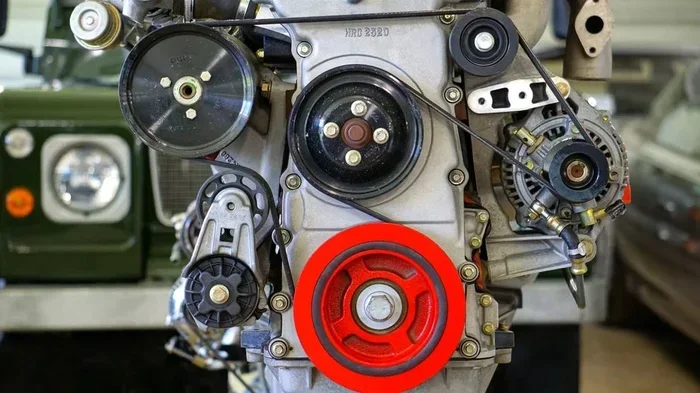
Your car has one long belt called the serpentine belt. It drives the alternator, power steering pump, AC compressor, and water pump. The belt loops around several pulleys. Each pulley must spin smoothly. The tensioner keeps the belt tight. When everything works, the belt runs silently. But when wear sets in, noise appears. A worn belt loses its grip. The tensioner spring can weaken over time. Even a misaligned pulley can cause the belt to wander. All of these issues lead to belt squeal on startup. The good news is that most fixes are simple and cheap.
Common Culprits Behind the Squeal
Several parts can cause the noise. Here are the most common culprits:
- Worn serpentine belt: The rubber cracks and loses grip.
- Loose belt tensioner: The spring loses pressure, allowing slack.
- Failing pulley bearing: A groaning or grinding bearing makes the belt slip.
- Belt glazing: The belt surface becomes shiny and slick.
- Cold weather: Rubber contracts, reducing flexibility.
Each of these can trigger belt squeal on startup. A quick check will tell you which one you have.
Key Takeaways
- Belt squeal on startup often starts with a worn serpentine belt or weak tensioner.
- Cold mornings worsen the noise because rubber stiffens and loses grip.
- A quick visual inspection can reveal cracks, glazing, or misalignment.
Step-by-Step Diagnosis
You do not need a mechanic to find the source. A few minutes of listening and looking can save you hundreds. Follow these steps to diagnose the problem.
Listen to the Squeal
Start the car and let it idle. Open the hood and listen carefully. Is the squeal high-pitched or low groan? A high squeal often means a slipping belt. A low groan can point to a bad bearing. Note when the noise stops. If it stops after a few seconds, the belt is likely slipping on a cold start. If the noise continues, a pulley or tensioner may be failing. Belt squeal on startup that vanishes quickly is usually a belt issue. A persistent noise needs closer inspection.
Visual Inspection Checklist
Turn off the engine and let it cool. Use a flashlight to look at the belt. Check these items:
- Cracks: Look for hairline cracks across the ribs.
- Glazing: Shine a light on the belt. A shiny, slick surface means glazing.
- Fraying: Frayed edges show the belt is worn out.
- Tensioner position: The tensioner arm should move slightly when you push it. If it does not move, the spring is weak.
- Pulley alignment: Look at all pulleys. They should be in a straight line. A tilted pulley causes the belt to rub.
Take a photo of the belt and tensioner. This helps you track changes over time.
Quick Tips for Diagnosing the Noise
- Spray water test: Mist the belt with water while the engine is running. If the squeal stops temporarily, the belt is slipping.
- Check the belt wear indicator: Many modern belts have a strip that shows when replacement is needed.
- Spin each pulley by hand: A smooth, quiet spin is good. Grinding or wobble means a bad bearing.
Key Takeaways
- Listening to the squeal and checking when it stops gives you the first clue.
- A visual inspection of the belt, tensioner, and pulleys takes only a few minutes.
- The water spray test is a quick way to confirm a slipping belt.
How to Fix Belt Squeal on Startup: Easy Fixes
Now that you know the cause, it is time to fix it. I will walk you through the most common repairs. Each fix is simple and can be done in your garage with basic tools.
Fix 1: Tighten or Replace the Belt
If the belt is loose, tightening it may stop the squeal. First, locate the belt tensioner. Use a wrench to rotate the tensioner and release pressure. Slide the belt off. Then, check the belt length. If it is stretched, a new belt is the best solution. A new serpentine belt costs around $20 to $50. Installing it takes about 15 minutes. Loop the new belt around all pulleys, following the diagram under the hood. Release the tensioner to lock the belt in place. Start the engine and listen. The belt squeal on startup should be gone.
Fix 2: Adjust the Belt Tensioner
A weak tensioner spring causes slack. You can sometimes adjust the tensioner bolt. Look for a bolt on the tensioner arm. Turn it slightly to increase tension. Do not over-tighten. The belt should deflect about half an inch when pressed. If the tensioner is seized or noisy, replace it. A new tensioner costs $30 to $80. This fix stops the slipping that causes belt squeal on startup.
Fix 3: Replace Worn Pulleys
A bad pulley bearing makes the belt slip. Spin each pulley by hand. They should rotate smoothly with no grinding or wobble. If a pulley feels rough, replace it. The idler pulley and alternator pulley are common failure points. Replacing a pulley is a simple job. Remove the belt, unbolt the old pulley, and bolt on the new one. Reinstall the belt and test. This fix addresses the root cause of belt squeal on startup when bearings are the problem.
Comparison Table: DIY Fix vs. Professional Repair
Here is a quick comparison to help you decide.
| Fix | DIY Difficulty | Cost (Parts Only) | Time |
|---|---|---|---|
| Replace serpentine belt | Easy | $20–$50 | 15–30 min |
| Adjust belt tensioner | Medium | $0 (adjustment only) | 10–20 min |
| Replace tensioner | Medium | $30–$80 | 30–45 min |
| Replace pulley bearing | Hard | $20–$60 per pulley | 45–90 min |
If you are not comfortable under the hood, a mechanic can do these fixes for you. The labor cost is usually $50 to $100 per hour.
Key Takeaways
- Replacing the serpentine belt is the easiest and most affordable fix for most squeals.
- A weak tensioner should be replaced along with the belt to prevent the noise from returning.
- Worn pulley bearings need prompt attention to avoid damage to accessories like the alternator.
Prevention Tips to Stop Squeal Before It Starts
Prevention is always easier than repair. A few simple habits can keep your belt quiet for years.
Quick Maintenance Routine
Every few months, pop the hood and do a quick check. Look at the belt for cracks or glazing. Listen for any squeal when you start the car on a cold morning. Spray a belt conditioner on the ribbed side of the belt. This keeps the rubber flexible. A conditioned belt grips better and lasts longer. This simple routine can prevent belt squeal on startup from ever returning.
Keep the Pulleys Clean
Dirt and oil on the pulleys cause the belt to slip. Wipe the pulleys with a clean rag. If you see oil leaks near the engine accessories, fix the leak. Oil destroys belt grip fast. A clean, dry belt system runs silently.
When to Call a Professional
If the squeal returns after you replace the belt, the problem is deeper. A seized tensioner or misaligned accessory pulley needs a pro. Do not ignore a grinding noise. That can mean a failing bearing that may damage the alternator or power steering pump. A professional inspection costs about $100 and can save you from a bigger repair.
Key Takeaways
- Regular belt conditioning and visual checks can stop squeal before it starts.
- Clean pulleys and fixing oil leaks protect your belt system from premature wear.
- Do not hesitate to call a professional if the noise returns after a DIY fix.
Common Mistakes to Avoid
Many people make mistakes that make the problem worse. Here are the most common ones:
Using the Wrong Belt Type
Not all belts are the same. Your car needs a specific serpentine belt with the right rib count and length. Using a generic belt can cause noise and premature wear. Always check your owner’s manual or the part number on the old belt before buying a new one.
Over-Tightening the Tensioner
Too much tension wears out the belt and bearings quickly. The belt should deflect about half an inch when pressed. Over-tightening can also strain the tensioner spring, leading to more belt squeal on startup later.
Ignoring the Noise
Some drivers ignore a squeal because it goes away after a few seconds. But that slipping wears the belt faster. The noise is a warning. Fix it early to avoid a broken belt on the road. A broken serpentine belt can cause the engine to overheat and stall.
Spraying WD-40 on the Belt
It is tempting to spray the belt with WD-40 to stop the squeal. This is a bad idea. WD-40 is a solvent that can damage the rubber. It also makes the belt slippery, which reduces grip. Use a dedicated belt conditioner instead.
Key Takeaways
- Using the correct serpentine belt type is essential for quiet operation.
- Over-tightening the tensioner can cause more harm than good.
- Ignoring a squeal can lead to a broken belt and costly engine damage.
Expert Insights: What Mechanics Wish You Knew
I asked a few experienced mechanics about belt squeal on startup. Here is what they shared:
- Cold starts are the biggest trigger: The rubber stiffens in cold weather, and the belt slips until it warms up. If the squeal only happens on cold mornings, a belt conditioner or a slightly warmer parking spot can help.
- The tensioner is often the hidden villain: Many people replace the belt but not the tensioner. A worn tensioner will ruin a new belt quickly. Mechanics recommend replacing the tensioner and belt as a set.
- Pulley alignment matters: Even a slightly off pulley can cause the belt to vibrate and squeal. A simple alignment check with a straightedge can save hours of noise.
- Do not ignore the water pump: The water pump is driven by the serpentine belt on many cars. A failing water pump bearing can create a squeal that mimics a belt issue. Always check the water pump when diagnosing noise.
These insights show that a little knowledge goes a long way. You can often fix the problem yourself and save money.
Key Takeaways
- Cold weather is a common trigger, and belt conditioner can help.
- Always replace the tensioner when you replace the serpentine belt.
- Pulley alignment and water pump health are often overlooked causes of squeal.
Conclusion
Belt squeal on startup is a common annoyance, but it is almost always fixable. Whether you need a new belt, a tensioner adjustment, or a pulley replacement, the fix is within reach. Start with a simple inspection. Listen to the noise, look at the belt, and follow the steps in this guide. Most repairs take less than an hour and cost under $100. You will enjoy a quiet, smooth startup every morning. Take action today and stop the noise for good.
Frequently Asked Questions
What causes belt squeal on startup?
The most common cause is a worn serpentine belt that has lost its grip. A loose or weak belt tensioner and failing pulley bearings are also frequent culprits. Cold weather can make the rubber stiff and worsen the slip.
Is belt squeal on startup dangerous?
It is not usually dangerous in the short term, but it should not be ignored. A slipping belt can eventually break, which may cause the engine to overheat or the power steering to fail. Fixing it early prevents bigger problems.
Can I drive with a squealing belt?
You can drive a short distance, but it is not recommended. The noise means the belt is slipping, which wears it out faster. If the belt breaks while driving, you could lose power steering, alternator charging, and water pump operation all at once.
How much does it cost to fix belt squeal on startup?
DIY parts cost is often between $20 and $80 for a new belt or tensioner. If you take it to a mechanic, labor adds $50 to $100 per hour. Most fixes take less than an hour, so the total is usually under $150.
Does WD-40 fix belt squeal?
No, WD-40 is a solvent that can damage the rubber and make the belt slippery. It may temporarily quiet the noise, but it will not fix the underlying issue and could make the squeal worse over time.
How often should I replace my serpentine belt?
Most serpentine belts last between 50,000 and 100,000 miles. Check your owner’s manual for the specific interval. Inspect the belt regularly for cracks, glazing, or fraying, and replace it at the first sign of wear to prevent belt squeal on startup.