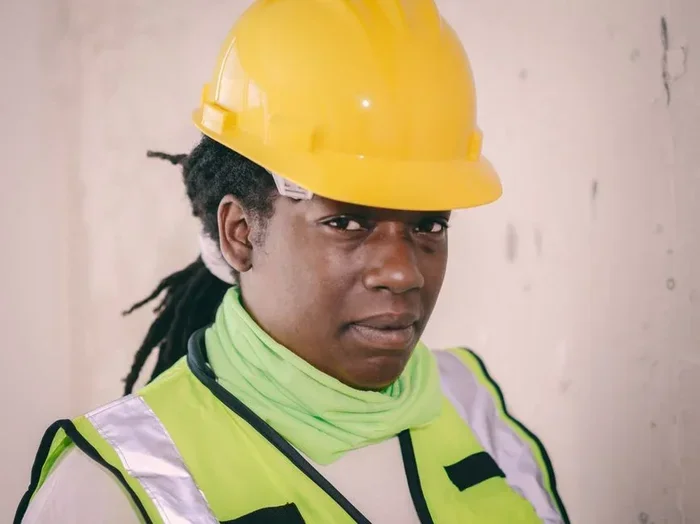
Project Manager for Construction Company Tips and Insights
Running a construction company requires a skilled project manager who can handle scheduling, budgets, and team coordination with ease. This guide shares practical tips and expert insights to help you manage construction projects more effectively. Whether you are new to the role or looking to sharpen your skills, these strategies will help you deliver projects on time and under budget.
Managing a construction project is no small feat. It takes skill, patience, and the right approach to bring a building project from blueprint to reality. A project manager for construction company plays a central role in making sure everything runs smoothly. From scheduling and budgeting to team coordination and client communication, the job demands a wide range of abilities.
In this guide, we will walk you through practical tips and real-world insights that any construction project manager can use. Whether you oversee small renovations or large commercial builds, these strategies will help you work smarter, not harder. Let us dive into what makes a great construction project manager and how you can level up your game.
Key Takeaways
- Strong Leadership: A great construction project manager leads teams, manages stakeholders, and keeps everyone aligned.
- Planning Is Everything: Detailed construction planning and milestone tracking prevent costly delays.
- Budget Control Matters: Smart cost estimation and resource allocation keep projects profitable.
- Use the Right Tools: Construction software and cloud-based platforms streamline workflow and improve communication.
- Risk Management Saves Projects: Identifying risks early helps you avoid expensive surprises.
- Communication Drives Success: Clear client communication and team coordination build trust and ensure smooth delivery.
📑 Table of Contents
- What Does a Project Manager Do in Construction?
- Key Skills Every Construction Project Manager Needs
- How to Manage Construction Project Timelines
- Budget Management and Cost Control
- Tools and Software for Construction Project Managers
- Common Challenges and How to Overcome Them
- Expert Tips for Success
- Final Thoughts
What Does a Project Manager Do in Construction?
A project manager for construction company wear many hats. They are the glue that holds a project together. Their main job is to make sure the project stays on track from start to finish. This includes managing timelines, controlling costs, and keeping everyone on the same page.
Here is a quick look at the core duties of a construction project manager:
- Project Planning: Creating detailed plans that outline every phase of the build.
- Budget Management: Tracking costs and making sure the project stays within budget.
- Team Coordination: Organizing workers, contractors, and subcontractors for smooth execution.
- Risk Management: Spotting potential problems before they become expensive issues.
- Client Communication: Keeping clients updated and managing their expectations throughout the project.
- Quality Control: Making sure all work meets industry standards and safety requirements.
Think of the project manager as the conductor of an orchestra. Every musician (or team member) plays a different instrument, but someone needs to keep the rhythm. That is exactly what a construction project manager does on a daily basis.
Why the Role Matters So Much
Without strong construction project management, projects fall apart. Deadlines slip, costs spiral, and clients get unhappy. A skilled project manager ensures that construction deliverables are met on time and to the expected standard. In fact, studies show that projects with dedicated managers finish faster and cost less over time. The role is simply too important to overlook.
Key Skills Every Construction Project Manager Needs
Not everyone can step into a project manager for construction company role and thrive. It takes a specific set of skills to handle the complexity of building projects. Let us break down the most important ones.
Leadership and Team Management
Great construction project managers lead by example. They inspire their teams, resolve conflicts, and keep morale high. Stakeholder management is a big part of this. You will work with architects, engineers, contractors, and clients. Each group has different needs and expectations. A good manager knows how to balance all of these while keeping the project moving forward.
Here are some tips for strong leadership on site:
- Hold daily briefings to keep everyone informed.
- Listen to your team and address concerns quickly.
- Set clear goals and expectations for each phase.
- Recognize hard work and celebrate small wins.
Communication Skills
Client communication is at the heart of every successful construction project. Clients want to know what is happening, when things will be done, and whether they are over budget. A project manager must be transparent and proactive in sharing updates. This builds trust and prevents misunderstandings down the road.
Similarly, team coordination depends on clear, consistent communication. When everyone knows their role and deadlines, the whole project runs more smoothly. Use simple language, avoid jargon, and always confirm that messages are received and understood.
Problem-Solving and Adaptability
Construction projects rarely go exactly as planned. Weather delays, supply chain issues, and design changes are all common. A great project manager stays calm under pressure and finds solutions fast. Risk management starts with expecting the unexpected and having backup plans ready.
How to Manage Construction Project Timelines
One of the biggest challenges in construction project management is keeping the project on schedule. A project timeline serves as your roadmap. It shows every task, deadline, and dependency in the project. Without one, you are essentially flying blind.
Steps to Create a Realistic Timeline
Building a solid timeline takes careful planning. Follow these steps to get it right:
- Define the scope: Clearly outline what the project includes and what it does not.
- Break tasks into phases: Divide the project into manageable stages like foundation, framing, and finishing.
- Set milestones: Use milestone tracking to mark key progress points along the way.
- Assign deadlines: Give each task a realistic completion date based on team capacity.
- Build in buffer time: Always add extra time for unexpected delays.
Remember, a project schedule is a living document. You will need to update it regularly as the project progresses. Use construction software to automate reminders and track progress in real time. This makes project scheduling much easier and less error-prone.
Common Timeline Mistakes to Avoid
- Underestimating how long tasks will take.
- Not accounting for weather or seasonal delays.
- Skipping the planning phase to save time.
- Failing to communicate schedule changes to the team.
Avoiding these mistakes can save you weeks of delay and thousands of dollars in cost overruns. Construction planning is the foundation of every successful build, so take it seriously from day one.
Budget Management and Cost Control
Staying on budget is one of the hardest parts of being a project manager for construction company. Costs can spiral quickly if you are not careful. Budget management requires constant monitoring and smart decision-making.
Key Budgeting Strategies
Here are some practical strategies to keep your construction costs under control:
- Start with accurate cost estimation: Use historical data and expert input to set realistic budgets.
- Track expenses daily: Do not wait until the end of the month to review spending.
- Use resource allocation wisely: Assign materials, labor, and equipment where they are needed most.
- Review change orders carefully: Every change to the scope can impact the budget.
- Build a contingency fund: Set aside 10 to 15 percent for unexpected costs.
When it comes to construction company workflow, budget tracking should be built into every stage. The best project managers review financial reports weekly and adjust plans before small problems become big ones.
Cost Estimation vs. Actual Costs
Comparing estimated costs to actual costs helps you learn and improve. Over time, this data makes your future cost estimation more accurate. Keep detailed records of every project. These records become a valuable resource for budgeting in future builds.
Tools and Software for Construction Project Managers
Technology has transformed the way construction projects are managed. Today, construction software can handle everything from scheduling to budget tracking. Using the right tools saves time, reduces errors, and improves collaboration across the team.
Essential Tools Every Manager Should Use
Here are some categories of tools that every project manager for construction company should consider:
- Project scheduling tools: Help you build and manage timelines with ease.
- Budgeting and accounting software: Track expenses, invoices, and payments in one place.
- Communication platforms: Keep your team and clients connected in real time.
- Document management systems: Store blueprints, contracts, and permits in a centralized location.
Many modern construction tools offer cloud-based features. This means you can access project data from anywhere, even on-site. If your company is considering moving its project management tools to the cloud, you might want to explore different approaches for cloud migration in cloud computing to find the best fit for your team.
Why Cloud-Based Tools Are a Game Changer
Cloud platforms allow your entire team to access the latest project information in real time. No more waiting for email attachments or dealing with outdated files. Everyone works from the same data, which reduces errors and improves construction company workflow. Plus, cloud tools make it easier to manage remote teams and multiple project sites at once.
Common Challenges and How to Overcome Them
Every construction project comes with its own set of challenges. The best project managers anticipate these hurdles and have strategies ready to tackle them. Let us look at some of the most common issues and how to handle them.
Delays and Weather Issues
Weather is one of the biggest enemies of construction timelines. Rain, extreme heat, and cold can all halt work. The key is to build buffer time into your schedule and have a contingency plan. Monitor weather forecasts regularly and adjust tasks accordingly. When delays happen, communicate them to clients immediately so expectations stay aligned.
Budget Overruns
Budget overruns are one of the top reasons construction projects fail. To prevent this, track every expense carefully and review your budget weekly. When you notice costs trending upward, take action fast. Renegotiate supplier contracts, adjust timelines, or scale back non-essential tasks.
Team Conflicts and Low Morale
Construction sites bring together people from different backgrounds and trades. Conflicts can arise. A good project manager addresses issues early and fosters a positive work environment. Regular check-ins, open-door policies, and fair treatment go a long way in keeping teams motivated and productive.
Data Security and File Management
Construction projects involve sensitive data like contracts, financial records, and blueprints. Protecting this information is critical. Make sure your files are backed up and stored securely. If you ever need to recover access to encrypted project files, knowing how to handle recovery processes, such as understanding Bitlocker keeps asking for recovery key at startup Windows 11 scenarios, can save you from major disruptions on site.
Expert Tips for Success
Over the years, experienced construction project managers have developed habits that set them apart. Here are some expert tips to help you excel in your role:
- Start each day with a plan. Know your top three priorities before you step onto the site.
- Invest in relationships. Strong connections with subcontractors and suppliers lead to better deals and smoother work.
- Never skip safety checks. A safe site is a productive site. Make safety non-negotiable.
- Keep learning. Stay updated on new construction methods, tools, and regulations.
- Document everything. Good records protect you in disputes and help with future planning.
These habits may seem simple, but they make a huge difference over the life of a project. The best project manager for construction company professionals are always learning and adapting. They treat every project as a chance to get better.
Final Thoughts
Being a project manager for construction company is a challenging but rewarding career. It requires a mix of technical knowledge, leadership ability, and strong communication skills. By mastering construction project management basics like scheduling, budgeting, and risk management, you can deliver projects that clients love.
Use the right tools, build strong relationships, and always plan for the unexpected. With these strategies in your toolkit, you will be well on your way to managing construction projects with confidence and skill. Remember, every project is a new opportunity to learn, grow, and prove your value as a leader in the construction industry.
Frequently Asked Questions
What are the main responsibilities of a project manager in a construction company?
A construction project manager handles planning, budgeting, team coordination, risk management, and client communication. They make sure the project stays on schedule, within budget, and meets quality standards from start to finish.
What skills are most important for a construction project manager?
Leadership, communication, problem-solving, and budget management are the top skills. A great project manager also needs strong stakeholder management abilities and the flexibility to adapt to changing project conditions.
How can construction project managers keep projects on budget?
Start with accurate cost estimation, track expenses daily, build in a contingency fund, and review budgets weekly. Using construction software for budget tracking helps catch overspending early before it becomes a serious problem.
What tools does a construction project manager use?
Common tools include project scheduling software, budgeting apps, communication platforms, and document management systems. Many teams also use cloud-based solutions to improve collaboration and access to project data in real time.
How do construction project managers handle delays?
Experienced managers build buffer time into schedules, monitor weather forecasts, and have contingency plans ready. When delays occur, they communicate quickly with the team and clients, adjust timelines, and find ways to recover lost time without sacrificing quality.
Why is communication so important in construction project management?
Clear communication prevents misunderstandings, builds trust with clients, and keeps teams aligned. A project manager for construction company must share updates regularly, listen to concerns, and make sure everyone understands the project goals and expectations.