Cloud Computing Use Cases That Bring Big Business Value
Cloud computing use cases help businesses of all sizes grow smarter and faster. From small startups to large enterprises, the cloud delivers real results in cost savings, scalability, and remote work support. This guide covers the most powerful cloud computing examples across industries and company sizes. You will learn how to pick the right cloud solutions for your needs. Let us dive in and explore what the cloud can do for you.
Cloud computing use cases are everywhere today. From tiny startups to massive corporations, companies rely on the cloud to do more with less. The shift to cloud services has changed how we work, store data, and build software. If you have ever used Google Drive, Netflix, or even online banking, you have already used the cloud.
But what exactly are the most valuable cloud computing use cases? And how can your business benefit from them? This article breaks down real-world examples, practical tips, and actionable advice. You will walk away with a clear picture of what the cloud can do for you.
Let us start with the basics and then dive deep into the most powerful cloud computing examples across industries. Whether you are a business owner, IT leader, or curious learner, this guide has something for you.
Key Takeaways
- Cloud computing use cases span every industry, from healthcare to retail and education.
- Small businesses benefit hugely from affordable cloud hosting and scalable tools.
- Large enterprises use the cloud for digital transformation, disaster recovery, and multi-cloud strategies.
- Cloud migration is easier than most people think, and the cost savings are significant.
- Hybrid cloud and multi-cloud setups give businesses more flexibility and control.
- Cloud infrastructure supports remote work, data backup, and business continuity.
- Choosing the right cloud computing solutions starts with understanding your specific needs.
📑 Table of Contents
- What Are Cloud Computing Use Cases?
- Cloud Computing Use Cases for Small Businesses
- Cloud Computing Use Cases for Large Enterprises
- Cloud Computing Use Cases Across Industries
- Cloud Computing Use Cases for Data Storage and Backup
- Quick Tips for Choosing the Right Cloud Computing Use Case
- Common Mistakes to Avoid with Cloud Computing
- Expert Insights on Cloud Computing Use Cases
- Conclusion
What Are Cloud Computing Use Cases?
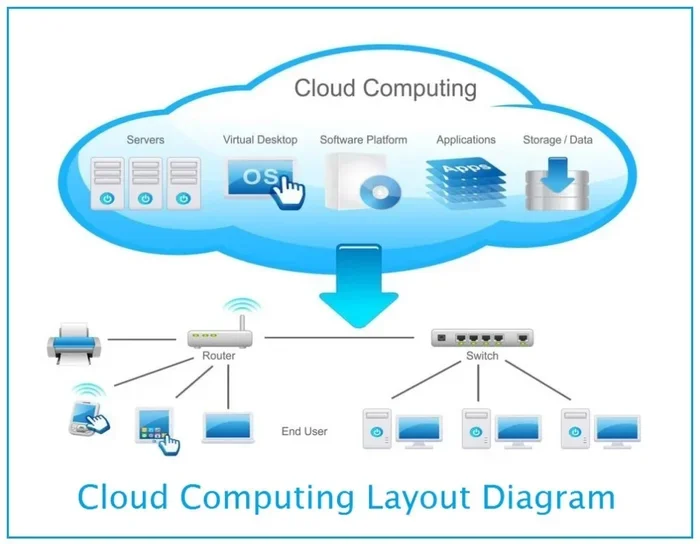
Cloud computing use cases refer to the many ways businesses and individuals use remote servers and cloud infrastructure to store, manage, and process data. Instead of relying on physical hardware on-site, users access computing resources over the internet. This simple shift opens up a world of possibilities.
The beauty of cloud computing solutions lies in their flexibility. You can scale up when demand grows and scale down when it does not. You pay for what you use, which makes budgeting much easier. Here are some broad categories of cloud computing use cases that drive business value:
- Data storage and backup — keeping files safe and accessible from anywhere.
- Application hosting — running software without managing physical servers.
- Disaster recovery — protecting business data during outages or emergencies.
- Big data analytics — processing massive datasets to uncover insights.
- Remote work support — enabling teams to collaborate from any location.
- Software development and testing — building and launching apps faster.
- Customer relationship management — managing client interactions in the cloud.
Each of these cloud computing examples solves real problems. They save money, boost efficiency, and open doors to innovation. Let us explore them in more detail.
Cloud Computing Use Cases for Small Businesses
Affordable Cloud Hosting for Growing Companies
Small businesses often operate on tight budgets. Cloud hosting eliminates the need to buy expensive servers and hire dedicated IT staff. Instead, small companies can rent computing power from providers like AWS, Microsoft Azure, or Google Cloud. This cloud migration strategy keeps costs low while delivering professional-grade tools.
For example, a local bakery can use cloud services to manage online orders, track inventory, and run a website — all without owning a single server. The bakery pays a small monthly fee and scales up during the holiday season. This is one of the most practical cloud computing use cases for entrepreneurs.
Cloud-Based Communication Tools
Small teams need to stay connected. Tools like Slack, Zoom, and Microsoft Teams run entirely in the cloud. They offer video calls, messaging, and file sharing without complex setup. These cloud computing solutions help small businesses compete with larger companies by providing enterprise-level communication at a fraction of the cost.
E-Commerce and Online Sales
Many small businesses sell products online through platforms hosted in the cloud. Shopify and WooCommerce rely on cloud infrastructure to handle traffic spikes during sales events. Without the cloud, a sudden surge in visitors could crash the website. With cloud scalability, the site handles the load automatically.
Cloud Computing Use Cases for Large Enterprises
Digital Transformation and Modernization
Large companies use cloud computing use cases to drive digital transformation. Legacy systems built decades ago are slow and expensive to maintain. By moving to the cloud, enterprises modernize their IT infrastructure and unlock new capabilities. This shift is not just about technology — it changes how entire organizations operate.
For instance, a global bank might use cloud platforms to process millions of transactions per day. The cloud provides the speed, security, and reliability that traditional data centers cannot match. This is a powerful cloud computing example of how big players stay competitive.
Multi-Cloud and Hybrid Cloud Strategies
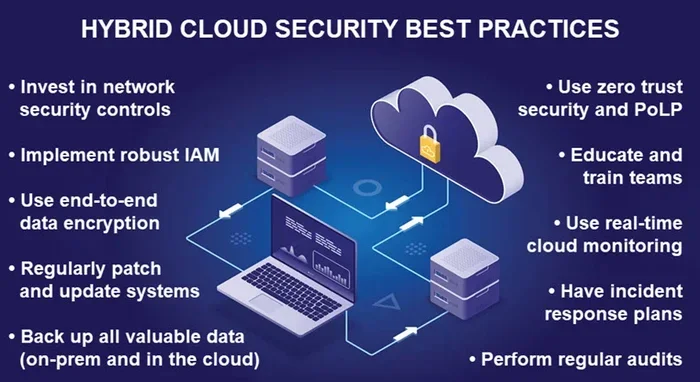
Large enterprises rarely rely on just one cloud provider. They use multi-cloud strategies to avoid vendor lock-in and improve redundancy. A hybrid cloud setup combines private servers with public cloud resources. This gives companies the best of both worlds — control over sensitive data and the flexibility of public cloud services.
Here is a quick comparison of these two approaches:
| Feature | Hybrid Cloud | Multi-Cloud |
|---|---|---|
| Combines private and public clouds | Yes | No |
| Uses multiple public cloud providers | No | Yes |
| Best for data security | Strong | Moderate |
| Reduces vendor dependency | Moderate | Strong |
| Complexity level | Medium | High |
Both hybrid cloud and multi-cloud are among the most strategic cloud computing use cases for large organizations. They offer flexibility, resilience, and better cost management.
Big Data Analytics and AI
Enterprises generate enormous amounts of data every day. Cloud infrastructure provides the processing power needed to analyze this data in real time. Companies use cloud computing solutions to run machine learning models, predict customer behavior, and identify market trends.
Netflix, for example, uses cloud computing to analyze viewing habits and recommend shows. This is a brilliant cloud computing example of how data drives business decisions. Without the cloud, processing petabytes of data would be impossibly expensive.
Cloud Computing Use Cases Across Industries
Healthcare: Secure Patient Data and Telemedicine
The healthcare industry handles sensitive patient information every day. Cloud services provide secure, compliant storage for medical records. Hospitals use cloud computing solutions to share patient data across departments and locations instantly.
Telemedicine has also exploded in recent years. Doctors consult patients over video calls hosted in the cloud. Electronic health records live in cloud storage, making it easy for specialists to review cases from anywhere. These cloud computing use cases save lives and reduce costs at the same time.
Education: Remote Learning and Collaboration
Schools and universities shifted to online learning during the pandemic. Cloud platforms made this possible almost overnight. Tools like Google Classroom, Microsoft Teams for Education, and Zoom became essential for millions of students and teachers.
Beyond remote learning, cloud computing examples in education include virtual labs, shared research databases, and collaborative document editing. Students from any background can access the same resources, which levels the playing field. This is one of the most impactful cloud computing use cases for society.
Retail: Inventory Management and Personalization
Retailers use the cloud to manage inventory across hundreds or thousands of stores. Cloud scalability handles the rush during Black Friday and holiday shopping seasons. Real-time inventory tracking prevents overselling and stockouts.
Additionally, cloud services power personalization engines. When you visit an online store and see product recommendations tailored to you, that is cloud computing at work. Retailers analyze your browsing history and purchase patterns using cloud infrastructure to create a personalized experience.
Cloud Computing Use Cases for Data Storage and Backup
Why Cloud Backup Matters
Data loss can destroy a business. Hard drives fail, offices flood, and cyberattacks happen every day. Cloud backup solves these problems by storing copies of your data in secure remote locations. This is one of the most essential cloud computing use cases for any organization.
With cloud storage, you can restore files within minutes after a disaster. This is what experts call business continuity. Companies that invest in cloud disaster recovery recover faster and lose less revenue during outages.
Cost Savings Through Cloud Storage
Traditional data storage requires buying hardware, paying for cooling, and hiring maintenance staff. Cloud storage eliminates all of that. You simply pay a monthly fee based on how much data you store. Over time, the cost savings are enormous.
Small businesses save thousands of dollars per year by moving to the cloud. Large enterprises save millions. The cloud migration payoff is clear and measurable.
Quick Tips for Choosing the Right Cloud Computing Use Case
Not every cloud computing use case fits every business. Here are some quick tips to help you decide:
- Identify your biggest pain points. Is it storage? Cost? Remote collaboration? Start there.
- Evaluate your budget. Cloud services offer flexible pricing, but you still need a clear plan.
- Consider security requirements. Some industries need strict compliance. Choose cloud platforms that meet those standards.
- Start small and scale up. Do not try to move everything at once. Pilot one cloud computing example and learn from it.
- Train your team. The best cloud solutions only work if people know how to use them.
Common Mistakes to Avoid with Cloud Computing
Even with the best intentions, businesses make mistakes during cloud adoption. Here are a few to watch out for:
- Ignoring security. The cloud is secure, but you must configure it properly. Always use strong passwords and multi-factor authentication.
- Underestimating costs. Cloud scalability is great, but unchecked usage can lead to surprise bills. Monitor your spending regularly.
- Choosing the wrong provider. Not all cloud services are the same. Compare features, pricing, and support before committing.
- Skipping the training. Your team needs to understand how to use cloud computing solutions effectively. Invest in onboarding.
Expert Insights on Cloud Computing Use Cases
Industry leaders agree that cloud computing use cases are no longer optional — they are essential. According to recent studies, over 90% of enterprises now use some form of cloud infrastructure. The trend toward serverless computing is also growing, allowing developers to build apps without managing servers at all.
Experts recommend a phased approach to cloud migration. Start with low-risk workloads, learn from the experience, and then expand. This reduces risk and builds confidence across the organization. The most successful companies treat cloud adoption as an ongoing journey, not a one-time project.
Conclusion
Cloud computing use cases deliver massive value for businesses of every size. From affordable hosting for small shops to powerful analytics for global corporations, the cloud transforms how we work and grow. The cost savings, scalability, and flexibility are hard to ignore.
Whether you are exploring cloud migration for the first time or optimizing an existing setup, the key is to start with clear goals. Identify your needs, choose the right cloud platforms, and invest in your team. The cloud is not just a technology — it is a business advantage.
Now that you understand the most impactful cloud computing use cases, it is time to take action. Evaluate your current setup, explore cloud services that fit your goals, and start your journey toward a more agile and resilient future.
Frequently Asked Questions
What are the most common cloud computing use cases?
The most common cloud computing use cases include data storage and backup, application hosting, disaster recovery, big data analytics, remote work support, and e-commerce. Each of these cloud computing examples helps businesses save money, scale faster, and operate more efficiently. The right use case depends on your specific business needs and goals.
How do cloud computing use cases benefit small businesses?
Cloud computing use cases give small businesses access to enterprise-grade tools without high upfront costs. With cloud hosting and cloud services, small companies can manage websites, process orders, and collaborate remotely. The cost savings and scalability of the cloud level the playing field, allowing small businesses to compete with larger rivals.
What is the difference between hybrid cloud and multi-cloud use cases?
A hybrid cloud combines private servers with public cloud resources, offering control and flexibility. A multi-cloud strategy uses multiple public cloud providers to avoid vendor lock-in. Both are powerful cloud computing use cases for large enterprises that need redundancy, security, and maximum flexibility in their cloud infrastructure.
Can cloud computing use cases improve disaster recovery?
Absolutely. Cloud backup and cloud disaster recovery are among the most valuable cloud computing use cases. By storing data in secure remote locations, businesses can recover quickly from outages, cyberattacks, or natural disasters. This ensures business continuity and minimizes downtime and revenue loss.
Are cloud computing use cases secure?
Yes, when configured correctly. Leading cloud platforms invest heavily in security, encryption, and compliance certifications. However, businesses must follow best practices like using strong passwords, enabling multi-factor authentication, and reviewing access controls. Proper security makes cloud computing solutions just as safe — often safer — than on-premises systems.
How do I know which cloud computing use case is right for my business?
Start by identifying your biggest challenges, whether it is high IT costs, limited storage, or poor remote collaboration. Then evaluate cloud services that address those specific needs. Consider your budget, security requirements, and team readiness. A phased approach to cloud adoption helps you test and refine your strategy over time.