Exploring Careers in Cloud Computing and Future Growth
Careers in cloud computing offer huge growth, great pay, and exciting opportunities across every industry. Whether you are just starting out or switching fields, cloud roles like cloud engineer, cloud architect, and DevOps specialist are in high demand. This guide covers everything you need to know about breaking into and thriving in cloud computing jobs.
Have you been hearing a lot about careers in cloud computing lately? Maybe your friends are talking about it, or you have seen job postings everywhere for cloud roles. The truth is, the cloud is changing how businesses work, and it is creating some of the most exciting job opportunities out there.
Cloud computing jobs are not just for tech geniuses anymore. People from all kinds of backgrounds can find a great fit in this field. Whether you love coding, enjoy solving problems, or are great at managing projects, there is a cloud role waiting for you. Let us dive into what makes cloud computing careers so special and how you can start yours today.
Key Takeaways
- Cloud careers are booming: Demand for cloud professionals is growing fast across all industries.
- Multiple roles to choose from: You can become a cloud engineer, architect, security specialist, and more.
- Certifications matter: AWS, Azure, and Google Cloud credentials boost your hiring chances significantly.
- Good salaries await: Cloud computing salary ranges are competitive and keep rising.
- No degree always required: Many cloud jobs value skills and certifications over formal education.
- The future is cloud: Businesses are moving to the cloud faster than ever, creating thousands of new jobs.
📑 Table of Contents
- What Are Careers in Cloud Computing?
- Top Cloud Computing Roles You Can Pursue
- Skills You Need to Succeed in Cloud Computing
- Cloud Certifications That Boost Your Career
- Cloud Computing Salary and Job Outlook
- How to Start Your Cloud Computing Career Today
- Expert Insights on the Future of Cloud Careers
- Conclusion
What Are Careers in Cloud Computing?
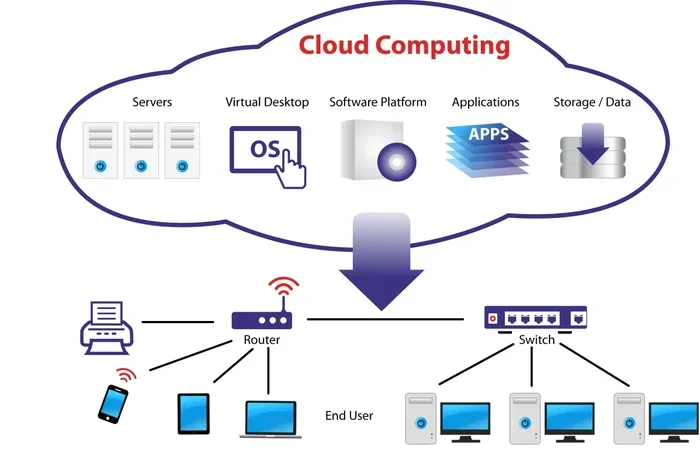
So, what exactly do we mean by cloud computing careers? Simply put, these are jobs that involve working with cloud platforms and services. Instead of using physical servers and hard drives, companies store data, run apps, and manage operations online through the cloud.
The cloud has become the backbone of modern business. Companies like Netflix, Amazon, and even small local shops rely on cloud services every day. This shift means there is a massive need for people who know how to set up, manage, and secure these cloud systems. That is where you come in.
Why Cloud Computing Is Such a Big Deal
Think about how much you use the cloud in your daily life. When you save photos to Google Drive, stream a movie on Netflix, or use Spotify, you are using the cloud. Businesses use it for the same reasons, but on a much larger scale.
Cloud computing skills are in demand because companies want to be faster, more flexible, and more cost-efficient. The cloud lets them do all of that. As more businesses move online, the need for skilled professionals only keeps growing. This is why cloud computing jobs are some of the most secure and well-paying roles in tech today.
Top Cloud Computing Roles You Can Pursue
One of the best things about cloud computing careers is the variety. There is no single path, which means you can find a role that matches your strengths and interests. Here are some of the most popular positions in the cloud world.
Cloud Engineer
A cloud engineer builds and maintains cloud systems. They set up cloud infrastructure, make sure everything runs smoothly, and fix problems when they come up. This role is perfect for people who love hands-on technical work and troubleshooting.
Cloud engineers often work with platforms like Amazon Web Services (AWS), Microsoft Azure, and Google Cloud Platform. They write scripts, manage databases, and automate processes. If you enjoy coding and system design, this could be your dream job.
Cloud Architect
A cloud architect is like the master planner of cloud systems. They design the overall structure and make sure everything fits together perfectly. This role requires deep technical knowledge and strong leadership skills.
Cloud architects work closely with teams to understand business needs and translate them into cloud solutions. They make big decisions about how data flows, how systems scale, and how applications perform. It is one of the most senior and rewarding cloud computing roles you can pursue.
Cloud Security Specialist
Security is a huge concern for businesses moving to the cloud. That is why cloud security specialists are so valuable. These professionals protect cloud systems from threats, manage access controls, and ensure data stays safe.
If you are detail-oriented and passionate about keeping information secure, this role could be a great fit. Cloud computing careers in security are growing fast as companies face more cyber threats every day.
DevOps Engineer
DevOps engineers bridge the gap between development and operations. They make sure software gets built and delivered quickly and reliably. In a cloud environment, DevOps engineers use tools to automate testing, deployment, and monitoring.
This role is perfect for people who love both coding and operations. DevOps is one of the most sought-after cloud computing skills in today’s job market. Many companies hire DevOps specialists to speed up their software delivery.
Cloud Consultant
A cloud consultant helps businesses choose the right cloud strategy. They assess a company’s needs, recommend cloud solutions, and guide the migration process. This role is great for people who love working with others and solving business problems.
Cloud consultants often have a mix of technical and communication skills. They need to understand cloud technology deeply but also explain it in simple terms to non-technical stakeholders.
Skills You Need to Succeed in Cloud Computing
You might be wondering what it takes to land one of these cloud computing jobs. The good news is that you do not need to know everything right away. Most cloud computing careers start with a solid foundation and grow from there.
Technical Skills
Here are the key technical skills you will want to develop:
- Networking basics: Understanding how data moves between systems is essential.
- Operating systems: Familiarity with Linux and Windows is a big plus.
- Programming: Languages like Python, Java, and Go are widely used in cloud environments.
- Database management: Knowing how to work with SQL and NoSQL databases helps a lot.
- Virtualization: Understanding how to create and manage virtual machines is a core cloud skill.
- Automation tools: Tools like Terraform, Ansible, and Jenkins are used to automate cloud tasks.
Soft Skills
Technical skills get you in the door, but soft skills help you grow. Communication, problem-solving, and teamwork are all critical in cloud roles. Since many cloud professionals work in cross-functional teams, being able to explain complex ideas clearly is a huge advantage.
How to Build These Skills
The best way to build cloud computing skills is through hands-on practice. Set up free accounts on AWS, Azure, or Google Cloud and start experimenting. There are also many online courses, tutorials, and labs that let you work with real cloud tools. The more you practice, the more confident you will become.
Cloud Certifications That Boost Your Career
Certifications are one of the best ways to prove your cloud computing skills to employers. They show that you have invested time in learning and that you can pass a recognized exam. For many hiring managers, a good certification carries a lot of weight.
AWS Certifications
AWS certification is the most popular cloud certification in the world. Amazon Web Services powers a huge portion of the cloud market. Starting with the AWS Cloud Practitioner exam is a great first step. From there, you can move up to solutions architect, developer, and sysops certifications.
Microsoft Azure Certifications
Microsoft Azure is another major cloud platform, especially popular in enterprise environments. Azure offers a clear certification path starting with the AZ-900 fundamentals exam. Intermediate and advanced certifications cover areas like administration, development, and security.
Google Cloud Certifications
Google Cloud Platform (GCP) has its own certification tracks as well. Google Cloud certifications are known for being challenging but rewarding. They are especially valued in companies that use Google’s cloud infrastructure for data analytics and machine learning.
Which Certification Should You Start With?
If you are new to cloud, start with the fundamentals exam from whichever platform interests you. These entry-level certifications give you a strong foundation. Once you pass one, you can specialize further based on the cloud computing career path you want to follow.
Cloud Computing Salary and Job Outlook
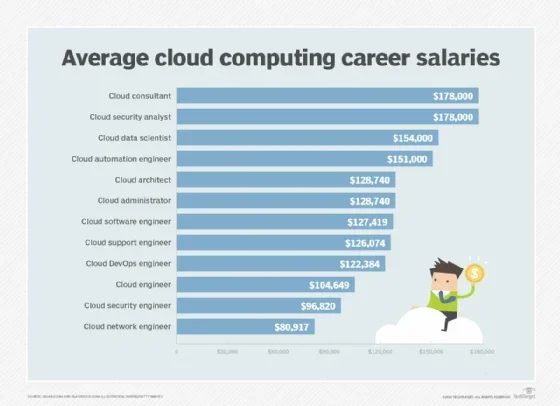
Let us talk money. One of the biggest draws of careers in cloud computing is the cloud computing salary. Cloud professionals are among the highest-paid in tech, and the numbers keep climbing.
According to recent data, the average cloud computing salary range in the United States can vary widely based on role and experience:
- Cloud Engineer: $95,000 to $140,000 per year
- Cloud Architect: $120,000 to $175,000 per year
- Cloud Security Specialist: $100,000 to $155,000 per year
- DevOps Engineer: $105,000 to $160,000 per year
- Cloud Consultant: $90,000 to $135,000 per year
These numbers can be higher in major tech hubs like San Francisco, New York, or Seattle. Remote cloud roles are also becoming more common, which opens up opportunities regardless of where you live.
Job Growth Outlook
The cloud computing future looks incredibly bright. Industry reports predict that the global cloud market will keep expanding at a rapid pace. More companies are adopting cloud-first strategies, which means more jobs for cloud professionals. Roles in cloud computing careers are expected to grow well above average compared to other tech jobs.
Companies of all sizes are moving to the cloud, from startups to Fortune 500 corporations. This means job opportunities are everywhere. Healthcare, finance, retail, education, and entertainment all need cloud talent. The versatility of cloud computing jobs is one of the biggest advantages of this career path.
How to Start Your Cloud Computing Career Today
Ready to jump into cloud computing careers? Here is a simple roadmap to get you started.
Step 1: Learn the Basics
Start by understanding what cloud computing is and how it works. Learn about IaaS (Infrastructure as a Service), PaaS (Platform as a Service), and SaaS (Software as a Service). These are the three main cloud service models, and knowing them gives you a solid foundation.
Step 2: Pick a Platform
Choose one cloud platform to focus on first. AWS, Azure, and Google Cloud all share similar concepts, so learning one makes it easier to pick up the others later. Pick the platform that aligns with the jobs you see in your area or the industry you want to work in.
Step 3: Get Certified
Earn your first certification. The fundamentals-level exams are perfect for beginners. They validate your knowledge and show employers you are serious about cloud computing training. Many online platforms offer affordable courses and practice exams to help you prepare.
Step 4: Build a Portfolio
Create real projects using cloud platforms. Set up a website on AWS, deploy an app on Azure, or build a data pipeline on Google Cloud. A portfolio of hands-on projects is one of the best ways to stand out when applying for cloud computing jobs.
Step 5: Network and Apply
Join cloud communities online, attend meetups, and connect with professionals on LinkedIn. Networking can lead to job referrals and insider tips. When you are ready, start applying for entry-level cloud roles and keep learning as you grow.
Quick Tips for Success
- Practice on free tier accounts to avoid spending money while learning.
- Join cloud user groups and forums to stay updated on trends.
- Document your projects on GitHub to showcase your work.
- Keep learning new tools and services as the cloud landscape evolves.
- Do not be afraid to start small and grow your skills over time.
Common Mistakes to Avoid
- Trying to learn everything at once: Focus on one platform and one role at a time.
- Skipping hands-on practice: Reading alone is not enough. You need to build and break things in the cloud.
- Ignoring certifications: They are a fast and recognized way to prove your knowledge.
- Neglecting soft skills: Communication and teamwork matter just as much as technical ability.
- Waiting for the perfect moment: Start now, learn as you go, and improve with experience.
Expert Insights on the Future of Cloud Careers
Industry experts agree that cloud computing careers will only get bigger. As artificial intelligence, machine learning, and edge computing grow, they all rely on cloud infrastructure. The demand for skilled cloud professionals will continue to rise.
One trend to watch is the rise of multi-cloud strategies. Many companies now use more than one cloud platform. This means professionals who understand multiple clouds, like AWS and Azure together, will be especially valuable. Staying adaptable and continuously learning will be key to long-term success in cloud computing jobs.
Another exciting development is the growing focus on cloud sustainability. Companies are looking for ways to reduce their environmental impact through efficient cloud usage. This opens up new roles and specializations within the cloud field.
For anyone considering a career change or just starting out, now is an excellent time to explore cloud computing careers. The field is welcoming to newcomers, offers clear growth paths, and provides opportunities that few other industries can match.
Conclusion
Careers in cloud computing offer an incredible mix of opportunity, growth, and reward. From cloud engineer to cloud architect, the options are diverse and exciting. The demand for skilled professionals is only increasing, and the cloud computing salary reflects that. Whether you are just starting or looking to level up, the cloud has a place for you.
Start with the basics, earn a certification, and build hands-on experience. Stay curious, keep learning, and do not be afraid to take on new challenges. The cloud computing future is bright, and your journey can begin today. Take that first step and see where cloud computing careers can take you.
Frequently Asked Questions
What are the best entry-level careers in cloud computing?
Great entry-level roles include cloud support associate, junior cloud engineer, and cloud technician. These positions let you learn the ropes while gaining real experience. Many professionals start here and quickly move up as they earn certifications and build their skills.
How long does it take to start a career in cloud computing?
It depends on your background, but many people can land an entry-level cloud job in 6 to 12 months of focused learning. If you already have IT experience, the timeline can be shorter. Starting with a fundamentals certification and hands-on practice is the fastest path.
Do I need a degree to pursue careers in cloud computing?
No, a degree is not always required. Many cloud employers value certifications, hands-on skills, and portfolios over formal education. What matters most is your ability to demonstrate cloud computing skills and solve real problems.
Which cloud platform is best for beginners?
AWS and Microsoft Azure are both excellent choices for beginners. AWS has the largest market share and the most learning resources. Azure is a strong option if you are interested in enterprise environments. Pick one and stick with it to build a solid foundation.
What is the average cloud computing salary for beginners?
Entry-level cloud roles typically pay between $60,000 and $85,000 per year, depending on location and company. With a few years of experience and certifications, salaries can rise quickly. The cloud computing salary range grows significantly as you gain expertise.
Are cloud computing jobs secure for the long term?
Yes, cloud computing jobs are among the most secure in tech. Businesses of all sizes are moving to the cloud and will need professionals to manage, secure, and optimize their systems. The cloud computing future looks very strong for years to come.