How Cloud Computing Has Changed the Way Business Works
Cloud computing has transformed the way businesses operate, from small startups to global enterprises. It has replaced expensive hardware with flexible, affordable cloud services that scale on demand. Companies now enjoy better collaboration, stronger security, and greater agility than ever before. Understanding these shifts helps business owners stay competitive in a digital-first world.
Cloud computing has changed business in ways that seemed impossible just two decades ago. What once required rows of humming servers and a dedicated IT team now happens through simple internet connections. Today, companies of every size use cloud-based solutions to run their daily operations, serve customers, and grow faster than ever before.
The shift to cloud technology is not just a trend. It is a fundamental change in how businesses think about their digital infrastructure. Whether you run a tiny startup or a mid-sized company, understanding this transformation is essential. Let us explore exactly how cloud computing has changed business and what it means for you.
Key Takeaways
- Cost Efficiency: Cloud computing has changed business spending by replacing upfront IT costs with flexible pay-as-you-go models.
- Remote Work Enabled: Cloud-based tools allow teams to collaborate from anywhere, anytime, boosting productivity and morale.
- Scalability Made Simple: Businesses can grow or shrink their cloud resources instantly without buying new equipment.
- Stronger Security: Major cloud providers invest heavily in cybersecurity, often offering better protection than on-site setups.
- Faster Innovation: Cloud technology lets companies launch new products and services quickly, staying ahead of competitors.
- Disaster Recovery: Cloud backups ensure business continuity even during outages or unexpected events.
- Small Business Advantage: Cloud computing has leveled the playing field, giving small businesses access to enterprise-grade tools.
📑 Table of Contents
What Cloud Computing Means for Modern Business
At its core, cloud computing means storing and accessing data and programs over the internet instead of your computer’s hard drive. Think of it like renting electricity instead of building your own power plant. You get what you need, when you need it, and you pay only for what you use.
This model has completely reshaped business operations across every industry. Companies no longer need to invest thousands of dollars in physical servers. They can access powerful software and storage through cloud services from providers like Amazon Web Services, Microsoft Azure, and Google Cloud Platform. This shift has opened doors for businesses that could never afford traditional IT infrastructure before.
The Rise of Cloud-Based Solutions
Cloud-based solutions now cover almost every business need you can think of. From email and file sharing to complex data analytics and customer relationship management, there is a cloud tool for it. Software as a Service, or SaaS, has become the go-to delivery model for thousands of applications. Businesses simply log in through a browser and start working.
This accessibility has been a game-changer for small businesses. A local bakery can now use the same customer management tools as a multinational corporation. The playing field has truly leveled thanks to cloud computing.
How Cloud Computing Has Changed Business Operations
The day-to-day operations of running a business look completely different today because of the cloud. Teams no longer need to be in the same office to work together seamlessly. Cloud platforms enable real-time collaboration, instant file sharing, and smooth communication across time zones.
Before cloud technology, businesses relied on email attachments and USB drives to share files. Now, multiple team members can edit the same document simultaneously. This kind of online collaboration saves hours of back-and-forth and reduces errors. It also makes onboarding new employees much faster since they can access tools and resources from day one.
Digital Transformation Through the Cloud
Many companies use cloud computing as the foundation for their digital transformation journey. Digital transformation means using technology to fundamentally change how a business operates and delivers value to customers. The cloud makes this possible by providing the flexible, scalable infrastructure that modern business demands.
For example, a retail company might move its inventory system to the cloud. This allows them to track sales in real time, predict demand, and adjust stock levels automatically. The result is better operational efficiency and happier customers. This kind of transformation would be far too expensive and complex without cloud technology.
Cloud Migration: Moving to the Cloud
Cloud migration is the process of moving data, applications, and business processes from on-site servers to the cloud. Many businesses started this journey a few years ago and are still going. The migration process requires careful planning, but the rewards are significant.
Companies that complete cloud migration often report faster systems, fewer IT headaches, and lower costs. However, migration is not always a simple flip-the-switch process. Some businesses use a hybrid cloud approach, keeping certain sensitive data on-site while moving other workloads to the cloud. The key is to find the right mix for your specific needs.
The Financial Impact of Cloud Technology
One of the biggest reasons businesses adopt cloud computing is the cost savings. Traditional IT setups require large upfront investments in hardware, software, and maintenance. Cloud computing replaces these capital expenses with predictable monthly fees. This shift from buying to renting has made technology more accessible for businesses of all sizes.
Let us look at the numbers. A small business might spend $10,000 to $50,000 on an on-site server setup. That does not include ongoing maintenance, electricity, or the cost of hiring IT staff. A comparable cloud solution could cost a few hundred dollars per month. Over time, the savings add up significantly.
Pay-As-You-Go Model
The pay-as-you-go model is at the heart of cloud computing benefits. You only pay for the storage, computing power, and services you actually use. If your business needs spike during a busy season, you can scale up temporarily. When things slow down, you scale back. This flexibility prevents wasted spending.
Startups especially benefit from this model. They can access powerful tools without making huge financial commitments. As the business grows, they simply adjust their cloud usage and costs accordingly. This financial agility helps new companies survive and thrive in competitive markets.
Reducing IT Overhead
Cloud computing also reduces the need for in-house IT infrastructure management. Instead of hiring a large team to maintain servers and fix hardware issues, businesses can rely on their cloud provider. The provider handles updates, security patches, and hardware maintenance. This frees up internal teams to focus on strategic projects that drive growth.
Quick Tip: When evaluating cloud costs, always factor in the hidden savings. Reduced electricity bills, less office space for server rooms, and fewer IT staff hours all add to the financial benefits of cloud adoption.
Cloud Computing and the Remote Work Revolution
The global shift toward remote work would not have been possible without cloud computing. When offices closed during the pandemic, businesses that already used cloud-based tools transitioned smoothly. Those that did not scrambled to catch up. This experience proved just how essential cloud technology is for modern business agility.
Today, hybrid work models are the norm for many companies. Employees split their time between home and the office. Cloud tools make this arrangement work by providing access to all necessary files and applications from any device. Whether someone is working from a kitchen table or a corporate desk, the experience is the same.
Business Agility and Flexibility
Business agility is the ability to respond quickly to market changes, customer needs, and new opportunities. Cloud computing directly supports this agility. Need to launch a new product? Spin up a cloud environment in minutes. Need to handle a sudden increase in website traffic? Scale your cloud resources instantly. This responsiveness gives businesses a real competitive edge.
Cloud technology also supports business continuity during unexpected events. Natural disasters, power outages, or cyberattacks can shut down on-site systems. But cloud-based systems remain accessible from anywhere with an internet connection. This resilience is a huge advantage for any business that depends on continuous operations.
Collaboration Tools Powered by the Cloud
Tools like Slack, Microsoft Teams, Zoom, and Google Workspace all run on cloud infrastructure. These platforms have become essential for modern business communication. They enable instant messaging, video calls, file sharing, and project management all in one place.
Common Mistake: Many businesses adopt collaboration tools but fail to train their teams properly. Without good training, employees underuse features and miss out on the full benefits. Invest time in onboarding and ongoing support to get the most from your cloud tools.
Security and Data Protection in the Cloud
One of the biggest concerns businesses have about the cloud is security. After all, putting sensitive data on someone else’s servers can feel risky. However, the reality is quite different. Major cloud providers invest billions of dollars in cybersecurity measures that most businesses could never afford on their own.
Cloud providers offer advanced encryption, multi-factor authentication, and constant security monitoring. They employ entire teams dedicated to protecting their infrastructure. For most businesses, this level of security is far better than what they could achieve with an on-site setup. That said, businesses still need to follow best practices like strong passwords and regular access reviews.
Cloud Computing Benefits for Data Backup
Data loss can be catastrophic for any business. Hard drives fail, offices flood, and ransomware attacks happen. Cloud backup solutions ensure that your critical data is safe and recoverable. Most cloud providers offer automatic, regular backups stored in multiple geographic locations.
This redundancy means that even if one data center goes down, your information is still safe elsewhere. Business continuity planning has become much easier and more reliable thanks to cloud-based disaster recovery options. Companies can restore operations in hours instead of days or weeks.
Compliance and Regulation
Many industries face strict data protection regulations. Healthcare, finance, and legal sectors all have specific requirements for how data is stored and accessed. Leading cloud providers offer compliance certifications that help businesses meet these requirements. Features like audit logs, access controls, and data residency options make regulatory compliance more manageable.
Expert Insight: Always review your cloud provider’s compliance certifications before signing a contract. Not all providers meet every industry standard, so choose one that aligns with your specific regulatory needs.
The Future of Cloud Computing in Business
The cloud is not slowing down. New trends are constantly emerging that will shape how businesses operate in the coming years. Artificial intelligence and machine learning are increasingly built into cloud platforms. This means businesses can access powerful AI tools without building their own infrastructure.
Edge computing is another exciting development. It brings data processing closer to where it is needed, reducing latency and improving performance. For businesses that rely on real-time data, like logistics companies and online retailers, edge computing will be a game-changer.
Hybrid and Multi-Cloud Strategies
More businesses are adopting hybrid and multi-cloud strategies. This means using a combination of public clouds, private clouds, and on-site infrastructure. The goal is to get the best of each approach. Public clouds offer scalability and cost savings, while private clouds provide more control over sensitive data.
Multi-cloud strategies also help businesses avoid vendor lock-in. By spreading workloads across multiple providers, companies maintain flexibility and negotiating power. This approach requires good management but offers significant long-term benefits.
Cloud Computing for Small Business Growth
Small businesses stand to gain the most from cloud adoption. Cloud technology gives them access to tools and capabilities that were once reserved for large corporations. From cloud-based point-of-sale systems to AI-powered customer service chatbots, small businesses can now compete at a higher level.
As cloud services continue to evolve, they will become even more affordable and easier to use. This democratization of technology will continue to fuel innovation and entrepreneurship across all sectors. The future of business is cloud-first, and the best time to embrace it is now.
Final Thoughts
Cloud computing has changed business in profound and lasting ways. It has transformed how companies store data, collaborate with teams, serve customers, and manage costs. The flexibility, scalability, and power of cloud technology have made it an essential part of modern business strategy.
Whether you are just starting out or looking to modernize an existing operation, cloud computing offers clear advantages. The key is to start small, choose the right tools for your needs, and scale as you grow. The cloud is not just a technology trend. It is the foundation of how business works today and will continue to be for years to come.
Take the time to explore your options. Evaluate your current setup, identify areas where cloud solutions could help, and make a plan for your cloud journey. The businesses that embrace cloud computing today are the ones that will lead tomorrow.
Frequently Asked Questions
What is cloud computing in simple terms?
Cloud computing means using remote servers hosted on the internet to store, manage, and process data instead of using your own computer or on-site servers. It lets you access your files and applications from anywhere with an internet connection.
How has cloud computing changed small businesses?
Cloud computing has given small businesses access to powerful tools that were once too expensive. They can now use enterprise-grade software, store data securely, and collaborate remotely without large upfront investments. This has helped level the playing field with bigger competitors.
Is cloud computing safe for business data?
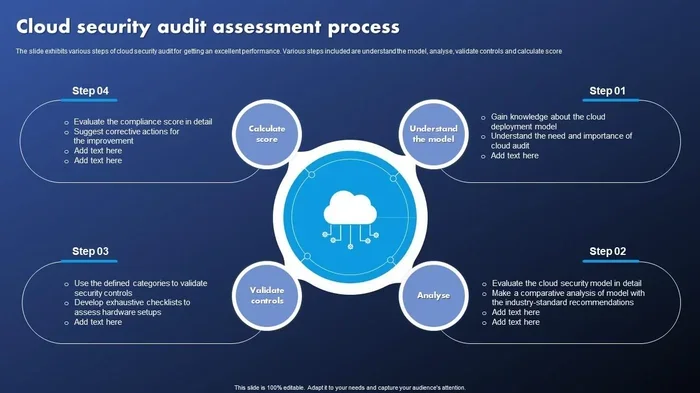
Yes, cloud computing is generally very safe. Major providers invest heavily in cybersecurity, including encryption, multi-factor authentication, and 24/7 monitoring. However, businesses should still follow best practices like strong passwords and regular security audits to keep their data protected.
What are the main types of cloud services?
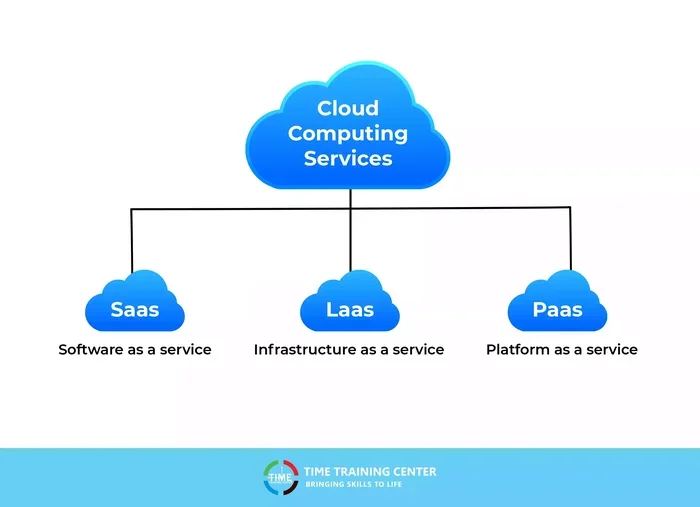
The three main types are Infrastructure as a Service (IaaS), Platform as a Service (PaaS), and Software as a Service (SaaS). IaaS provides raw computing resources. PaaS offers development platforms. SaaS delivers ready-to-use applications. Most businesses use a mix of these services.
How much can a business save by switching to the cloud?
Savings vary depending on the business size and current setup. Many companies reduce their IT costs by 30% to 50% after moving to the cloud. The savings come from reduced hardware costs, lower maintenance expenses, and improved operational efficiency.
What is cloud migration and how long does it take?
Cloud migration is the process of moving your data, applications, and systems from on-site servers to the cloud. The timeline depends on the complexity of your setup. Simple migrations can take a few weeks, while large enterprise migrations may take several months.