How Contact Center Cloud Computing Transforms Business
Contact center cloud computing is changing the way businesses handle customer service. By moving operations to the cloud, companies gain scalability, cost savings, and real-time insights. This guide covers everything you need to know about how cloud technology transforms contact center performance.
Running a contact center is no small feat. You handle calls, emails, chats, and social media messages every single day. Your team needs the right tools to keep up with demand. That is where contact center cloud computing comes in.
This technology has changed the way businesses handle customer service. Instead of relying on on-site hardware, cloud solutions let you manage everything online. The result? Faster operations, happier agents, and better customer experiences.
In this article, we will break down exactly how contact center cloud computing transforms business. You will learn about the benefits, key features, and what to look for when choosing a platform. Whether you are a small startup or a large enterprise, this guide has something for you.
Key Takeaways
- Cloud contact centers replace expensive on-site hardware with flexible, online platforms that scale with your business.
- Companies using cloud-based solutions see significant cost savings and faster deployment times.
- Omnichannel support, real-time analytics, and workforce management are built into modern cloud platforms.
- Choosing the right provider depends on scalability, security, integration, and ease of use.
- The future of contact centers is cloud-first, with AI and automation driving even greater efficiency.
📑 Table of Contents
What Is Contact Center Cloud Computing?
Contact center cloud computing refers to using cloud-based technology to manage all customer interactions. Instead of traditional phone systems and physical servers, everything runs on remote servers accessed through the internet. This shift from on-premise setups to cloud infrastructure has been a game-changer for businesses worldwide.
Traditional contact centers required expensive hardware, dedicated space, and large IT teams. Cloud solutions eliminate most of that burden. Agents can work from anywhere with an internet connection. Managers can monitor performance from a single dashboard. The entire contact center operations become more agile and responsive.
How It Works
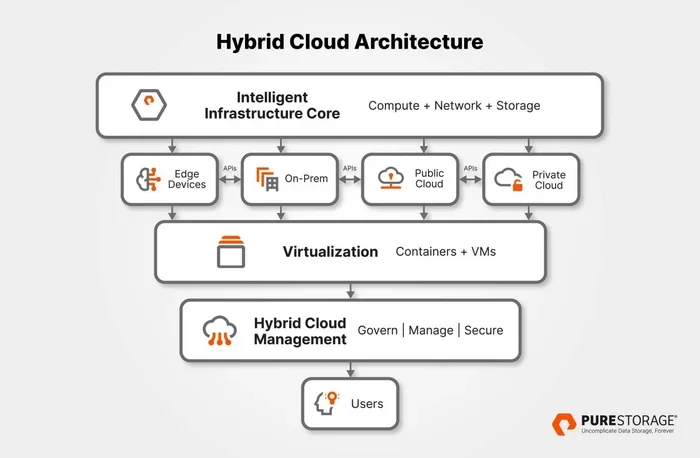
At its core, cloud contact center technology uses virtualized resources. Voice calls, video chats, and text messages all travel through internet protocols. The provider hosts the software and maintains the servers. Your team simply logs in and starts working.
This setup means no bulky equipment in your office. No costly upgrades every few years. No long installation timelines. You simply subscribe to a cloud contact center platform and scale as needed.
Key Benefits of Cloud Contact Center Solutions
The advantages of moving to the cloud are clear. Let us look at the biggest benefits that drive so many businesses to make the switch.
Scalability and Flexibility
One of the strongest reasons businesses choose cloud-based contact center solutions is scalability. During peak seasons, call volumes can spike unexpectedly. Traditional systems struggle with sudden growth. Cloud platforms adjust instantly.
Need more agents for the holiday rush? Just add licenses. Traffic slows down in January? Scale back. This business agility gives you a real edge over competitors stuck with rigid systems.
- Add or remove agents in minutes
- Handle seasonal spikes without hardware purchases
- Support remote and hybrid work teams easily
- Expand to new locations without physical setup
Cost Efficiency
Running an on-premise contact center costs a fortune. You pay for servers, maintenance, IT staff, and regular upgrades. Cloud technology flips that model with a pay-as-you-go approach.
Most cloud providers offer monthly subscriptions. You only pay for what you use. There are no surprise hardware replacement costs. Maintenance and updates come included in the plan. Over time, the cost savings add up significantly.
Small and mid-sized businesses especially benefit from this model. You get enterprise-grade tools without the enterprise price tag. To explore how cloud solutions can fit your budget, reach out through our Contact Us page for a personalized consultation.
Enhanced Customer Experience
Today’s customers expect fast, seamless service. They want to reach you on their preferred channel and get answers quickly. Cloud contact center platforms make this possible through omnichannel routing and intelligent call distribution.
When a customer calls, the system routes them to the best available agent. If they prefer chat, they can switch without repeating their issue. This smooth experience builds loyalty and trust. Happy customers come back and spend more.
How Cloud Computing Powers Modern Contact Centers
The features inside modern cloud contact center solutions go far beyond basic call routing. Let us explore the capabilities that make these platforms so powerful.
Omnichannel Support
Customers interact with brands through many channels. Phone calls, emails, live chat, social media, and messaging apps are all common. A cloud-based contact center unifies all of these into one system.
Agents see the full customer history no matter which channel the conversation started on. This eliminates the frustrating “start over” feeling customers hate. Your team resolves issues faster and with fewer handoffs.
Real-Time Analytics and Insights
Data drives smart decisions. Cloud platforms provide real-time analytics on every aspect of your operations. You can track metrics like average handle time, first call resolution, and customer satisfaction scores.
Managers get live dashboards that show exactly what is happening. Need to spot a bottleneck? The data highlights it instantly. Want to measure agent performance? Reports generate in seconds. These insights help you continuously improve your customer service quality.
Workforce Management
Scheduling agents efficiently is a complex task. Cloud platforms include built-in workforce management tools. These systems forecast demand, create optimized schedules, and track attendance.
Some platforms even use AI to predict busy periods. You can staff proactively instead of reacting after the chaos begins. This leads to better work-life balance for agents and shorter wait times for customers.
Security and Compliance
Many businesses worry about moving sensitive data to the cloud. Reputable cloud contact center providers invest heavily in security. They use encryption, multi-factor authentication, and regular audits.
Most platforms comply with industry standards like GDPR and HIPAA. You do not need to be a security expert to stay compliant. The provider handles the heavy lifting so your team can focus on service.
Choosing the Right Contact Center Cloud Computing Platform
Not all cloud platforms are created equal. Choosing the right one requires careful thought. Here are the factors that matter most.
Scalability
Your platform should grow with your business. Look for providers that offer flexible pricing and easy scaling. Avoid systems that lock you into long-term contracts with rigid limits.
Integration Capabilities
Your contact center does not operate in isolation. It needs to connect with your CRM, helpdesk, and billing systems. Choose a cloud contact center platform that offers open APIs and pre-built integrations. This ensures smooth data flow across your entire tech stack.
Ease of Use
Agents should find the platform intuitive. If the interface is confusing, training takes longer and errors increase. Look for solutions with clean dashboards and simple navigation. Your team will thank you for it.
Support and Reliability
Downtime costs money. Choose a provider with a strong uptime guarantee and responsive support. Ask about their disaster recovery plans and data backup procedures. A reliable partner keeps your operations running smoothly.
Still unsure which platform fits your needs? Our team can help you evaluate your options. Visit our Contact Us page to speak with a specialist today.
Common Challenges and How to Overcome Them
Moving to the cloud is not without challenges. Being prepared makes the transition much smoother.
Change Management
Switching from an old system can feel overwhelming. Your team may resist change. The key is clear communication. Explain the benefits early and often. Offer hands-on training before the switch. Start with a pilot group and let them champion the new system.
Internet Dependency
Cloud solutions need a stable internet connection. If your office has unreliable service, agents may experience disruptions. Invest in backup internet options and ensure your provider offers offline capabilities for critical functions.
Data Migration
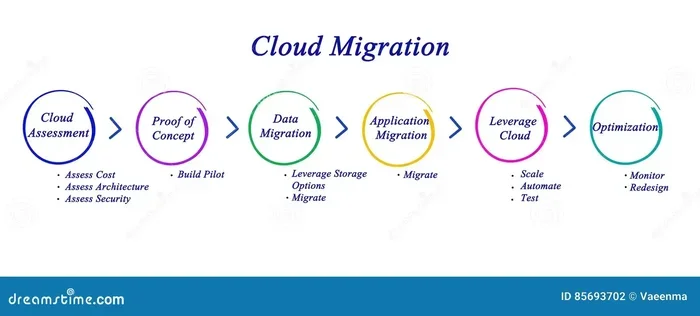
Moving existing customer data to a new platform takes planning. Work with your provider to map out the migration process. Test thoroughly before going live. A phased approach reduces risk and keeps operations running during the transition.
The Future of Contact Center Cloud Computing
The cloud technology landscape keeps evolving. Several trends are shaping the future of contact centers.
Artificial intelligence is playing a bigger role every day. AI-powered chatbots handle routine inquiries, freeing agents for complex issues. Sentiment analysis tools detect frustrated customers in real time. Predictive analytics forecast call volumes with impressive accuracy.
Remote work is here to stay. Cloud platforms were already built for distributed teams. As more companies embrace hybrid models, the demand for flexible cloud contact center solutions will only grow.
Personalization is another major trend. Customers want to feel recognized and valued. Advanced contact center solutions use data to deliver tailored experiences at every touchpoint. The businesses that master this will win long-term loyalty.
The digital transformation journey does not stop here. Contact center cloud computing will continue to evolve and offer even more powerful tools. Staying ahead means embracing these changes now rather than later.
Conclusion
Contact center cloud computing has fundamentally changed how businesses serve their customers. The benefits are clear: scalability, cost savings, better experiences, and powerful insights. Companies that adopt cloud solutions position themselves for long-term success in a competitive market.
The transition does not have to be complicated. Start by evaluating your current setup and identifying pain points. Choose a provider that matches your needs and growth goals. Invest in proper training and communication. The results will speak for themselves.
If you are ready to explore what cloud contact center technology can do for your business, we are here to help. Reach out through our Contact Us page and take the first step toward a smarter, more agile contact center.
Frequently Asked Questions
What is contact center cloud computing?
Contact center cloud computing is the use of cloud-based technology to manage all customer interactions. Instead of on-site hardware and servers, everything runs on remote servers accessed through the internet. This allows businesses to handle calls, chats, emails, and more from a single online platform.
How does cloud computing reduce contact center costs?
Cloud solutions eliminate the need for expensive on-site hardware and dedicated IT staff. You pay a monthly subscription based on usage rather than large upfront investments. Maintenance, updates, and security are handled by the provider, which further reduces costs.
Can cloud contact centers support remote agents?
Yes, that is one of the biggest advantages. Agents only need a computer and stable internet connection to access the platform. This makes it easy to hire talent from anywhere and support hybrid or fully remote work models effectively.
Is my data safe in a cloud contact center?
Reputable cloud providers invest heavily in security measures including encryption, multi-factor authentication, and regular audits. Most platforms comply with industry standards like GDPR and HIPAA, ensuring your customer data remains protected at all times.
How long does it take to set up a cloud contact center?
Deployment times vary by provider and complexity, but most cloud platforms can be set up in days or weeks rather than months. Unlike traditional systems that require physical installation, cloud solutions are ready to use once you configure your settings and add agents.
What should I look for in a cloud contact center platform?
Look for scalability, strong integration capabilities, ease of use, reliable uptime, and good customer support. Your platform should grow with your business and connect smoothly with your existing tools like CRM and helpdesk software.