Your Business Continuity Plan Template for Cloud Computing
A business continuity plan template for cloud computing gives your organization a clear roadmap to stay operational during disruptions. This guide walks you through every essential element, from risk assessment to recovery testing. You will learn how to choose, customize, and implement a plan that fits your unique cloud environment. Whether you are a small startup or a large enterprise, this template helps you safeguard critical systems and data. Let us dive in and build a resilient strategy together.
Running a business today means relying heavily on cloud services. Your data lives there. Your applications run there. Your team accesses everything from the cloud. So what happens when something goes wrong? A business continuity plan template for cloud computing answers that question before disaster strikes. It gives you a ready-made framework to keep your operations alive, even when things fall apart.
Every company that uses the cloud faces risks. Servers go down. Providers have outages. Cyberattacks happen. Natural disasters disrupt access. Without a plan, these events can shut you down for hours or even days. That is where a cloud computing business continuity plan saves the day. It acts as your safety net, your playbook, and your roadmap all in one. This article breaks down everything you need to know, step by step.
Key Takeaways
- Clear Framework: A solid template provides a structured approach to cloud business continuity planning.
- Risk Awareness: Understanding your risks is the first step toward building a resilient cloud environment.
- Actionable Steps: The guide includes practical steps you can implement immediately.
- Common Mistakes: Learn what pitfalls to avoid when setting up your continuity plan.
- Testing Matters: Regular testing ensures your plan works when you need it most.
- Cloud-Specific Focus: This template addresses the unique challenges of cloud-based operations.
- Easy to Customize: The template adapts to businesses of all sizes and industries.
📑 Table of Contents
- What Is a Business Continuity Plan Template for Cloud Computing?
- Why Every Cloud-Based Business Needs a Continuity Plan
- Key Components of a Cloud Business Continuity Plan Template
- How to Choose the Right Template for Your Needs
- Step-by-Step Guide to Using Your Business Continuity Plan Template
- Common Mistakes to Avoid When Planning for Cloud Continuity
- Expert Insights on Cloud Business Continuity
- Conclusion
What Is a Business Continuity Plan Template for Cloud Computing?
A business continuity plan template for cloud computing is a pre-built document that helps you prepare for disruptions. It outlines how your business will keep running when cloud services face problems. Think of it as a blank canvas with all the right sections already drawn. You fill in the details that match your specific needs.
These templates cover everything from risk assessment to recovery procedures. They include placeholders for your team roles, contact lists, and backup strategies. A good template also addresses cloud service continuity and data recovery planning. The goal is simple: minimize downtime and protect your business from lasting damage.
Why Templates Matter More Than You Think
Some business owners skip templates and try to build plans from scratch. That is a big mistake. Starting from zero takes weeks. You forget important sections. You miss critical details. A cloud business continuity template gives you a head start. It ensures you cover every area that matters. Plus, it saves you hours of research and writing.
Templates also keep your team aligned. When everyone sees the same structure, they understand their roles faster. New team members can get up to speed quickly. That is the real power of using a business continuity framework built for the cloud.
Why Every Cloud-Based Business Needs a Continuity Plan
Cloud computing has made businesses more flexible. But it has also introduced new risks. Your operations depend on internet connections, third-party providers, and remote access. If any of these break down, your business suffers. Here is why a disaster recovery plan for cloud is not optional anymore.
The Cost of Downtime
Downtime costs businesses a lot of money. Every minute your systems are down, you lose revenue. Customers get frustrated. Trust erodes fast. Studies show that small businesses can lose thousands of dollars per hour during an outage. Larger companies face even bigger losses. A cloud outage response plan helps you get back online quickly and reduce these costs.
Growing Reliance on Cloud Services
More companies are moving to the cloud every year. SaaS platforms, cloud storage, and cloud-based CRM tools have become essential. Your business probably uses several cloud services daily. If one of them fails, your workflow stops. A cloud infrastructure resilience plan ensures you have backup options ready. It keeps your operations moving even when one service goes down.
Regulatory and Compliance Requirements
Many industries have strict rules about data protection and availability. Healthcare, finance, and e-commerce businesses must meet compliance standards. A business continuity management plan helps you stay compliant. It shows regulators that you have a solid strategy in place. This can save you from fines and legal trouble.
Key Components of a Cloud Business Continuity Plan Template
A strong business continuity plan template for cloud computing includes several essential parts. Each part plays a specific role in keeping your business resilient. Let us walk through the most important components.
Risk Assessment and Business Impact Analysis
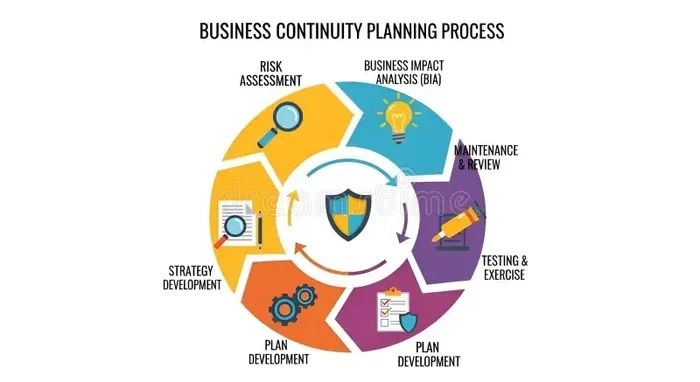
Every plan starts with understanding your risks. A risk assessment cloud section helps you identify what could go wrong. You list potential threats like server failures, cyberattacks, or provider outages. Then you analyze how each threat affects your business. This is called a business impact analysis. It tells you which systems matter most and what happens when they go offline.
For example, if your cloud CRM goes down, your sales team cannot access customer data. That directly impacts revenue. If your email hosting fails, communication stops. The impact analysis helps you prioritize which systems to protect first.
Recovery Time and Recovery Point Objectives
Two key metrics guide any cloud disaster recovery plan. The first is Recovery Time Objective, or RTO. This is how quickly you need to restore operations after a disruption. The second is Recovery Point Objective, or RPO. This tells you how much data loss you can afford. Setting clear RTO and RPO values makes your plan realistic and actionable.
Backup and Redundancy Strategies
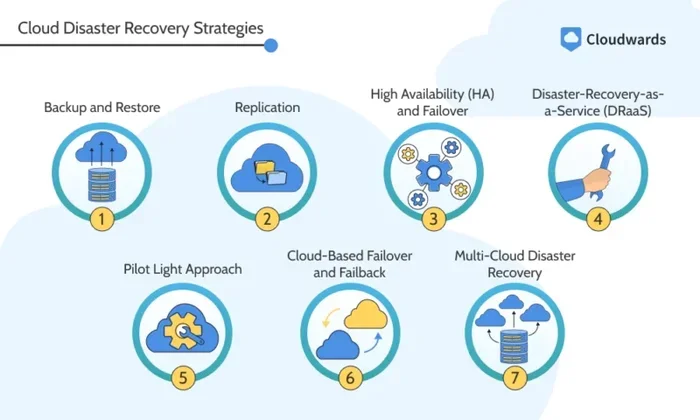
A cloud backup strategy is the backbone of any continuity plan. You need copies of your data stored in different locations. Many businesses use multi-cloud setups for redundancy planning. This means your data lives in more than one cloud provider. If one provider fails, the other takes over. Your plan should outline exactly how backups work, how often they run, and where they are stored.
Roles, Responsibilities, and Communication Plans
During a crisis, people need to know what to do. Your business continuity plan template should assign clear roles. Who leads the response? Who contacts the cloud provider? Who communicates with customers? A cloud migration continuity plan also includes communication templates. These make it easy to send updates to your team, clients, and stakeholders during an outage.
Testing and Maintenance Procedures
A plan is only useful if you test it regularly. Continuity testing means running simulations of different disruption scenarios. You practice switching to backup systems. You check if your team follows the right steps. Testing reveals gaps and weaknesses. You fix them before a real emergency hits. Your template should include a schedule for regular testing and updates.
How to Choose the Right Template for Your Needs
Not all business continuity plan templates are the same. Some are too generic. Others are too complex. Choosing the right one depends on your business size, industry, and cloud setup. Here is what to look for.
Evaluate Your Business Size and Complexity
Small businesses have different needs than large enterprises. A small company might use just a few cloud services. Their plan can be simpler and more straightforward. Large organizations run complex cloud environments. They need templates that cover multiple systems, teams, and locations. Choose a template that matches your scale.
Check for Cloud-Specific Sections
Generic continuity templates do not always address cloud-specific challenges. Look for templates that include sections on cloud provider SLAs, failover strategies, and multi-cloud setups. These details make your plan more effective. A cloud computing business continuity template should speak directly to the way cloud services work.
Look for Customization Options
The best templates are flexible. They let you add your own sections and remove irrelevant ones. You should be able to adjust the tone, format, and depth. Customization ensures the template fits your business perfectly. It becomes a living document that grows with you.
Step-by-Step Guide to Using Your Business Continuity Plan Template
Now that you have a template, here is how to use it effectively. Follow these steps to build a strong business continuity plan for cloud services.
- Review the Template: Read through the entire template before you start filling it in. Understand each section and what it asks for.
- Gather Your Team: Bring in key stakeholders from IT, operations, and management. Everyone who plays a role in continuity should be involved.
- Complete the Risk Assessment: Fill in the risk assessment section first. Identify your top threats and their potential impact.
- Set Your RTO and RPO: Define your recovery time and recovery point objectives based on your business needs.
- Document Your Cloud Setup: List all the cloud services you use. Include provider names, SLAs, and dependencies.
- Outline Recovery Procedures: Write step-by-step instructions for restoring each critical system.
- Assign Roles and Contacts: Fill in the team roles and emergency contact information.
- Schedule Testing: Add testing dates to your calendar. Plan at least two tests per year.
- Review and Update Regularly: Review your plan every quarter. Update it whenever your cloud setup changes.
Following these steps turns a blank template into a powerful operational resilience tool. Your team will feel confident and prepared when disruptions occur.
Common Mistakes to Avoid When Planning for Cloud Continuity
Even with a great template, mistakes can happen. Here are the most common ones and how to avoid them.
- Skipping the risk assessment: Many teams jump straight to recovery steps. Without a proper risk assessment, you do not know what to prepare for.
- Ignoring cloud provider dependencies: Your business relies on your cloud provider. If their system fails, so does yours. Always include provider-specific recovery steps.
- Forgetting to test the plan: A plan that sits in a drawer does no good. Regular testing is essential for cloud service continuity.
- Not updating the plan: Cloud environments change constantly. New services get added. Old ones get retired. Your plan must keep up.
- Overcomplicating the template: Keep your plan clear and simple. If it is too complex, your team will not follow it during an emergency.
- Underestimating communication needs: During a disruption, everyone needs information fast. Make sure your communication plan is detailed and easy to execute.
Avoiding these mistakes makes your business continuity management efforts much more effective. Your plan becomes something your team trusts and follows.
Expert Insights on Cloud Business Continuity
Industry experts agree that cloud continuity planning is more important than ever. The shift to remote work and cloud-first strategies has expanded the attack surface for businesses. Failover strategy planning has become a core part of IT operations. Experts recommend treating your cloud continuity plan as a living document. It should evolve with your business and technology landscape.
One expert tip is to map out every dependency. Know which applications rely on which cloud services. Understand the chain of failures. This dependency mapping makes your recovery procedures much more precise. Another tip is to involve your cloud provider in your planning. Many providers offer tools and support for IT disaster recovery. Use these resources to strengthen your plan.
Also, do not wait for a disaster to test your plan. Run tabletop exercises with your team. Simulate different scenarios. The more you practice, the smoother your real response will be. Operational resilience comes from preparation, not reaction.
Conclusion
A business continuity plan template for cloud computing is one of the most valuable tools your business can have. It prepares you for the unexpected. It gives your team clear instructions when things go wrong. It protects your data, your customers, and your reputation. The cloud offers incredible benefits, but it also brings new risks. A solid continuity plan ensures those risks do not derail your business.
Start by choosing a template that fits your needs. Customize it with your specific cloud setup and recovery goals. Test it regularly. Update it often. Make it a part of your business culture. With the right business continuity plan template for cloud computing, you can face any disruption with confidence. Your business deserves that peace of mind. Take action today and build your plan before you need it.
Frequently Asked Questions
What is a business continuity plan template for cloud computing?
A business continuity plan template for cloud computing is a pre-built document that helps organizations prepare for disruptions in their cloud-based operations. It includes sections for risk assessment, recovery procedures, roles, and testing. The template provides a ready-made framework that you can customize to fit your specific cloud environment and business needs.
Why do I need a disaster recovery plan for cloud services?
Cloud services can experience outages, cyberattacks, or data loss. Without a disaster recovery plan for cloud, your business could face extended downtime and significant revenue loss. A recovery plan ensures you have clear steps to restore operations quickly and minimize the impact on your customers and operations.
How often should I test my cloud business continuity plan?
Experts recommend testing your cloud business continuity plan at least twice a year. Regular testing reveals gaps and weaknesses in your recovery procedures. It also helps your team stay familiar with their roles during an actual disruption. Update your plan after every test and whenever your cloud setup changes.
What should I include in my cloud backup strategy?
A strong cloud backup strategy includes regular automated backups, offsite storage in multiple locations, and clear recovery procedures. You should define your recovery point objective and recovery time objective based on your business needs. Also, document which data is critical and how quickly it must be restored after a disruption.
Can a small business benefit from a business continuity plan template?
Absolutely. Small businesses often face even greater risks from downtime because they have fewer resources to recover quickly. A business continuity plan template for cloud computing gives small businesses a structured approach to protecting their data and operations. It is scalable and can be tailored to fit any business size or budget.
How does a business continuity plan template support operational resilience?
A well-designed template builds operational resilience by ensuring every team member knows their role during a disruption. It provides clear recovery procedures, communication plans, and testing schedules. This preparation reduces panic, speeds up recovery, and keeps your business running smoothly even during serious cloud outages or other emergencies.