BS in Cloud Computing and Why It Is a Great Career Move
A BS in cloud computing opens doors to high-paying jobs in one of the fastest-growing tech fields. This degree teaches you how to build, manage, and secure cloud systems used by businesses worldwide. With cloud computing jobs growing fast and salaries well above average, earning a BS in cloud computing is a great investment in your future. Whether you are new to tech or looking to level up, this path offers real opportunities. Let us break down why this degree is worth your time and effort.
Key Takeaways
- High Demand: Cloud computing jobs are growing fast across every industry, making a BS in cloud computing very valuable.
- Strong Salaries: Graduates can earn competitive pay, often well above average for entry-level tech roles.
- Versatile Skills: You learn cloud architecture, security, virtualization, and deployment skills that apply everywhere.
- Multiple Career Paths: Options include cloud engineer, cloud architect, cloud administrator, and more.
- Flexible Learning: Many schools offer online cloud computing degree programs that fit your schedule.
- Industry Certifications: A BS in cloud computing pairs well with AWS, Azure, and Google Cloud credentials.
- Future-Proof Career: As more companies move to the cloud, the need for skilled professionals only grows.
📑 Table of Contents
What Is a BS in Cloud Computing?
A BS in cloud computing is a bachelor of science degree focused on cloud technology. It teaches you how to design, build, and manage cloud-based systems. These systems power everything from streaming services to banking apps.
The program covers core topics like cloud architecture, virtualization, cloud security, and network engineering. You also learn about major platforms such as Amazon Web Services (AWS), Microsoft Azure, and Google Cloud Platform.
Most programs take about four years to complete. Some schools offer accelerated tracks or online options. This makes it easier to fit your studies into a busy life. The degree blends theory with hands-on labs so you gain real skills.
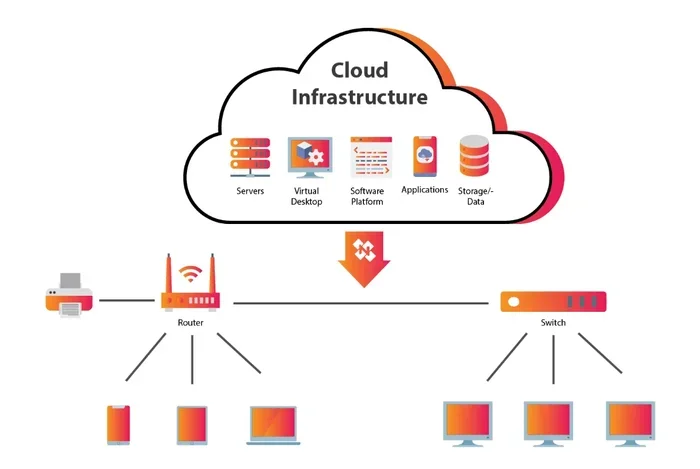
Cloud computing fundamentals form the backbone of the curriculum. You will study how data centers work, how cloud resources are allocated, and how teams collaborate using cloud tools. By graduation, you should feel confident tackling real-world cloud deployment challenges.
Who Should Consider This Degree?
This degree is a great fit for several types of learners. If you are just starting your college journey, it offers a clear path into tech. If you already work in IT, it can help you pivot into the cloud space. Even career changers find value in this program.
You do not need to be a coding expert before starting. Most programs begin with foundational courses. They build up your knowledge step by step. What matters most is your willingness to learn and practice.
Why Cloud Computing Is a Booming Field
Cloud computing jobs are everywhere right now. Companies of all sizes are moving their operations to the cloud. This shift creates a huge demand for skilled professionals who understand cloud infrastructure and cloud storage solutions.
Think about how much you use the cloud every day. You stream music, store photos, and use apps that run on cloud servers. Businesses rely on the same technology but at a much larger scale. Someone has to build and maintain all of that.
The cloud computing salary for graduates is another big draw. Entry-level roles often pay well above average for other bachelor’s degree holders. As you gain experience, your earnings can grow significantly.
Industry Growth Trends
Research shows that cloud adoption keeps rising every year. More companies are shifting from traditional servers to cloud platforms. This trend is not slowing down. In fact, experts predict strong growth for the next decade.
Industries like healthcare, finance, education, and entertainment all need cloud talent. A cloud computing degree gives you the flexibility to work in almost any sector. That is a huge advantage in today’s job market.
How Cloud Computing Differs from Traditional IT
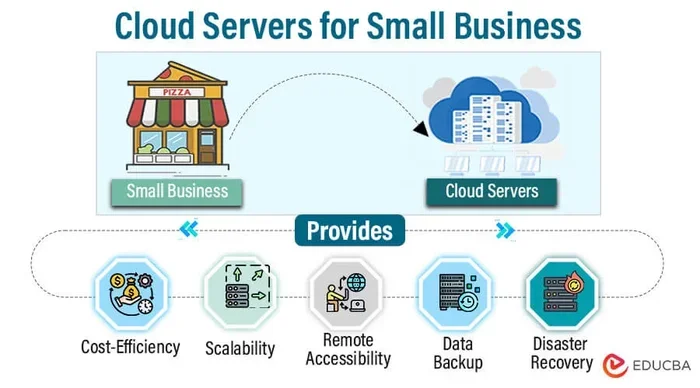
Traditional IT focuses on physical servers and on-site infrastructure. Cloud computing shifts that work to remote data centers. This change brings benefits like scalability, cost savings, and easier remote collaboration.
With a BS in cloud computing, you learn both worlds. You understand how on-premise systems work and how to manage cloud environments. That dual knowledge makes you a stronger candidate for many roles.
What You Will Learn in a BS in Cloud Computing Program
The curriculum for a BS in cloud computing covers a wide range of topics. You will build a strong foundation in networking, programming, and systems management. Then you dive deeper into cloud-specific subjects.
Here are some of the key areas you will study:
- Cloud Architecture and Design: Learn how to structure cloud systems for performance and reliability.
- Cloud Security: Understand how to protect data and applications in cloud environments.
- Virtualization: Study how virtual machines and containers work to maximize resources.
- Cloud Deployment Models: Explore public, private, and hybrid cloud setups.
- Networking and Infrastructure: Build skills in configuring networks that support cloud services.
- Database Management: Learn how to store and retrieve data efficiently in the cloud.
- DevOps and Automation: Get familiar with tools that streamline cloud workflows.
Hands-On Learning Opportunities
Most quality programs include labs and real projects. You might build a cloud application from scratch or set up a secure cloud environment. These experiences are invaluable when you enter the job market.
Many schools also partner with cloud providers like AWS or Azure. This means you may get access to free or discounted cloud credits. You can practice building and testing projects in real cloud platforms. That hands-on experience sets you apart from other candidates.
Common Courses You Will Take
In your first year, expect courses in computer basics and introductory programming. By your second year, you will tackle networking and operating systems. Third and fourth years focus on advanced cloud computing skills and specialization electives.
Many programs also include a capstone project. This is a chance to work on a real problem for a company or organization. It gives you something tangible to show employers when you graduate.
Career Opportunities After a BS in Cloud Computing
One of the best things about a BS in cloud computing is the variety of careers it opens up. You are not locked into one narrow role. Instead, you can choose from many exciting paths.
Here are some of the most common job titles for graduates:
- Cloud Engineer: Build and maintain cloud systems for organizations.
- Cloud Architect: Design the overall cloud strategy and infrastructure.
- Cloud Administrator: Manage day-to-day cloud operations and user access.
- Cloud Security Specialist: Focus on protecting cloud data and systems.
- DevOps Engineer: Bridge the gap between development and cloud operations.
- Cloud Consultant: Advise businesses on cloud strategy and migration.
Average Salary Expectations
The cloud computing salary for someone with a bachelor’s degree is very competitive. Entry-level positions often start between $65,000 and $85,000 per year. With a few years of experience, that number can climb to $100,000 or more.
Senior roles like cloud architect or cloud security engineer can earn well over $120,000 annually. These numbers vary by location, company size, and your specific skills. But overall, the earning potential is strong.
Industries That Hire Cloud Graduates
Almost every industry needs cloud professionals. Tech companies are obvious employers. But healthcare firms, banks, government agencies, and retail companies all hire cloud talent too.
This wide range means you can find work in a field you genuinely enjoy. You might build healthcare platforms, secure financial data, or help schools move their systems online. A cloud computing degree gives you that flexibility.
How to Choose the Right BS in Cloud Computing Program
Not all programs are created equal. Choosing the right school can make a big difference in your career. Here are some factors to consider when picking a program.
Accreditation Matters
Always check that the program is properly accredited. Accreditation ensures the school meets quality standards. It also matters if you plan to pursue further education later.
Look for regional accreditation from recognized bodies. Some programs also hold specialized tech accreditations. Both types signal to employers that your degree is legitimate and rigorous.
Curriculum and Specializations
Review the course catalog carefully. Does the program cover the cloud computing skills that employers want? Look for courses in AWS, Azure, security, and DevOps.
Some schools offer specializations within the degree. You might focus on cloud security, cloud architecture, or cloud data management. Choosing a specialization can make you more attractive to specific employers.
Hands-On Labs and Industry Partnerships
The best programs give you real-world practice. Look for schools that offer cloud labs with actual platform access. Partnerships with major cloud providers are a big plus.
These connections can also lead to internships and job placements. When a school has relationships with companies like AWS or Microsoft, you benefit from that network. It gives you a head start in the job search.
Online vs On-Campus Options
If you need flexibility, consider an online cloud computing degree. Many reputable schools now offer fully online programs. These let you study at your own pace and keep working while you learn.
On-campus programs offer more face-to-face interaction. They also give you access to campus resources and networking events. Think about your learning style and life situation when deciding.
Certification Preparation
A strong program prepares you for industry certifications. AWS certification, Microsoft Azure certification, and Google Cloud certification are highly valued by employers.
Some programs include certification exam prep as part of the coursework. Others offer vouchers or discounts for students. Earning these certifications alongside your degree makes you job-ready faster.
Is a BS in Cloud Computing Worth It?
The short answer is yes. A BS in cloud computing offers strong career prospects, good pay, and versatile skills. The demand for cloud professionals is only growing as more businesses move online.
Here is a quick look at the pros and cons:
- Pros: High job demand, competitive pay, versatile skills, multiple career paths, future-proof field.
- Cons: Requires technical aptitude, continuous learning is needed, some programs can be costly.
Overall, the benefits far outweigh the challenges. If you enjoy problem-solving and technology, this degree can be a fantastic fit. The key is to stay curious and keep learning throughout your career.
Tips for Success During Your Degree
Start building your skills early. Practice with free cloud platforms like the AWS Free Tier or Google Cloud Free Tier. Join online communities and forums where cloud professionals share tips.
Work on personal projects outside of class. Build a simple web app hosted on the cloud or set up a secure file storage system. These projects give you portfolio pieces to show employers.
Also, network with professors and classmates. Attend tech meetups and career fairs. Many cloud computing jobs come through connections and referrals, not just applications.
Common Mistakes to Avoid
One common mistake is focusing only on theory. Cloud computing is a hands-on field. You need to practice what you learn in real environments.
Another mistake is ignoring certifications. While your degree gives you a strong foundation, certifications prove specific skills to employers. Try to earn at least one major certification before you graduate.
Finally, do not wait until graduation to start networking. Build relationships with professionals in the field early. Attend webinars, join LinkedIn groups, and reach out to alumni working in cloud roles.
Conclusion
Earning a BS in cloud computing is one of the smartest career moves you can make today. The field is growing fast, salaries are strong, and the skills you learn apply across industries. Whether you dream of becoming a cloud engineer, architect, or security specialist, this degree gives you a solid foundation.
The world is moving to the cloud. Businesses need talented professionals who can build, manage, and secure cloud systems. With a BS in cloud computing, you will be ready to step into that demand with confidence.
Start exploring programs today. Look at curricula, check accreditation, and think about what specialization excites you most. The right education can set you on a path to a rewarding and future-proof career in cloud technology.
Frequently Asked Questions
What can I do with a BS in cloud computing?
Graduates can work as cloud engineers, cloud architects, cloud administrators, and security specialists. Many find roles in tech companies, finance, healthcare, and government. The degree opens doors across almost every industry that uses cloud technology.
How long does it take to earn a BS in cloud computing?
Most programs take about four years of full-time study. Some schools offer accelerated tracks that let you finish faster. Online programs often give you more flexibility to complete your degree on your own schedule.
Is a BS in cloud computing worth the investment?
Yes, the demand for cloud professionals continues to grow. Salaries are competitive, and the skills you learn are applicable in many industries. With the right program and certifications, graduates see strong returns on their education.
Do I need coding experience before starting a BS in cloud computing?
No, most programs start with foundational courses. They teach you the basics of programming and computer science before diving into cloud topics. What matters most is your willingness to learn and practice regularly.
Which certifications pair well with a BS in cloud computing?
AWS Certified Cloud Practitioner, Microsoft Azure Fundamentals, and Google Cloud Associate Cloud Engineer are great starting points. These certifications validate specific skills and make you more attractive to employers. Many programs include exam prep to help you earn them.
Can I earn a BS in cloud computing online?
Yes, many accredited schools offer fully online cloud computing degree programs. Online options provide flexibility for working students and those with busy schedules. Just make sure the program is properly accredited and includes hands-on labs.