Data Center Operations in Cloud Computing Explained
Data center operations in cloud computing form the backbone of every online service you use daily. This guide breaks down how servers, networks, and automation power the cloud infrastructure you rely on. You will learn what data center operations involve, why they matter, and how to optimize them for peak performance.
Every time you stream a video, send an email, or open a web app, data center operations in cloud computing are working behind the scenes. These operations involve the physical and digital processes that keep cloud services alive, fast, and secure. Without them, the entire cloud computing world would grind to a halt.
If you have ever wondered what happens inside a data center or how cloud providers manage millions of servers, you are in the right place. This article walks you through everything you need to know about data center operations in cloud computing. We will cover the basics, explore advanced strategies, and share practical tips you can use right away.
Key Takeaways
- Core Infrastructure: Data center operations in cloud computing involve managing servers, storage, networking, and virtualization to keep services running smoothly.
- Automation is Key: Modern data centers rely heavily on automation tools to handle provisioning, monitoring, and scaling without manual intervention.
- Efficiency Matters: Power consumption and cooling systems directly impact the cost and environmental footprint of cloud operations.
- Security Is Non-Negotiable: Physical and digital security measures protect data center assets from breaches and downtime.
- Scalability Drives Growth: Cloud data centers must support elastic scaling to meet fluctuating demand from users worldwide.
- Hybrid and Edge Models: The future of data center operations includes hybrid cloud setups and edge computing for faster performance.
📑 Table of Contents
- What Are Data Center Operations in Cloud Computing?
- Why Data Center Operations Matter for Cloud Providers
- Key Components of Cloud Data Center Infrastructure
- Data Center Automation and Its Role
- Power, Cooling, and Energy Efficiency
- Security in Data Center Operations
- Challenges in Modern Data Center Operations
- The Future of Data Center Operations in Cloud Computing
- Best Practices for Optimizing Data Center Operations
- Conclusion
What Are Data Center Operations in Cloud Computing?
Data center operations in cloud computing refer to the day-to-day management of facilities that house servers, storage systems, and networking equipment. These facilities power every cloud service, from Netflix streaming to corporate email platforms. The goal is simple: keep everything running 24/7 with minimal downtime.
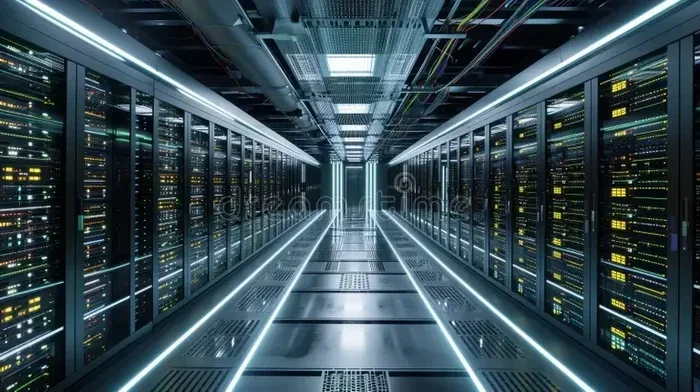
Think of a data center as a giant digital warehouse. Instead of storing products on shelves, it stores computing power. And just like a warehouse needs workers, security, and climate control, a data center needs constant attention to function properly.
Core Components of Data Center Operations
Several components make up the foundation of data center operations. Understanding each one helps you see the full picture.
- Servers: These are the workhorses. They process requests, run applications, and store data.
- Storage Systems: Hard drives and solid-state drives hold all the information users access daily.
- Networking Equipment: Routers, switches, and cables move data between servers and users.
- Virtualization Software: This creates virtual versions of physical hardware, allowing multiple workloads on a single server.
- Power and Cooling: Uninterruptible power supplies and cooling systems keep equipment from overheating.
Each component plays a vital role. When one fails, the ripple effects can be massive. That is why data center operations demand constant vigilance and proactive management.
Why Data Center Operations Matter for Cloud Providers
Cloud service providers like Amazon Web Services, Microsoft Azure, and Google Cloud depend on flawless data center operations. Their entire business model rests on uptime and reliability. If a data center goes down, millions of users feel the impact within seconds.
But it is not just about keeping the lights on. Efficient data center operations directly affect costs, performance, and customer satisfaction. A well-run facility uses less energy, costs less to maintain, and delivers faster response times. That is a win for the provider and the end user alike.
The Business Impact of Poor Operations
When data center operations fall short, the consequences can be severe. Downtime costs businesses an average of thousands of dollars per minute. Customers lose trust. Revenue drops. And recovery efforts drain resources that could have been spent elsewhere.
Here are some real impacts of poor data center management:
- Revenue Loss: Every minute of downtime equals lost sales and productivity.
- Reputation Damage: Users switch to competitors after repeated outages.
- Compliance Violations: Failing to meet uptime standards can trigger fines.
- Higher Costs: Reactive fixes cost far more than preventive maintenance.
For cloud providers, investing in robust data center operations is not optional. It is a business necessity that protects revenue and reputation.
Key Components of Cloud Data Center Infrastructure
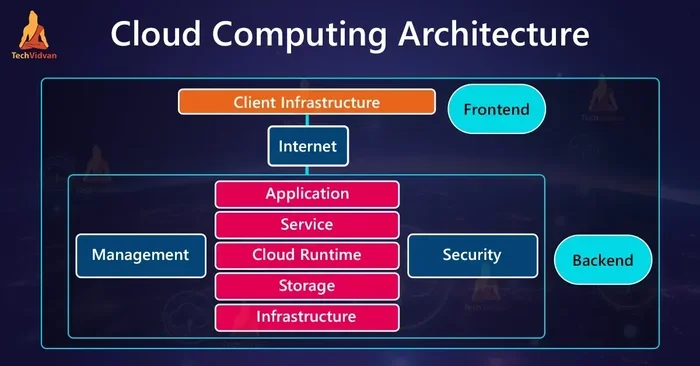
A cloud data center is more than just a room full of servers. It is a complex ecosystem of hardware, software, and processes working together. Let us break down the key components.
Server Management and Virtualization
Server management lies at the heart of data center operations in cloud computing. Administrators must ensure every server runs efficiently, stays updated, and handles its workload without bottlenecks. Virtualization makes this possible by letting one physical server run multiple virtual machines simultaneously.
This approach dramatically improves resource utilization. Instead of running ten underused servers, you can run two powerful ones with multiple virtual instances. It saves space, reduces power consumption, and simplifies management.
Networking and Connectivity
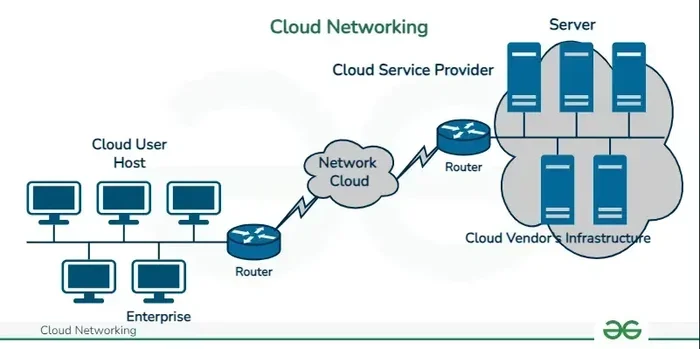
Networking is the circulatory system of any data center. High-speed switches and routers move data between servers, storage devices, and external networks. Network operations centers (NOCs) monitor traffic around the clock to catch issues before they escalate.
Cloud providers invest heavily in redundant networking paths. If one route fails, traffic automatically reroutes through another. This redundancy is a cornerstone of reliable data center operations and ensures high availability for end users.
Storage Architecture
Cloud data centers use sophisticated storage architectures to handle massive amounts of data. Object storage, block storage, and file storage each serve different purposes. Object storage works well for unstructured data like photos and videos. Block storage suits databases and applications that need low-latency access.
Storage systems also incorporate replication and backup mechanisms. Data gets copied across multiple drives and locations. This protects against hardware failures and supports disaster recovery plans.
Data Center Automation and Its Role
Automation has transformed data center operations in cloud computing. Manual tasks that once took hours can now be completed in seconds. Automation tools handle provisioning, configuration, scaling, and monitoring with minimal human intervention.
Infrastructure as a service (IaaS) platforms rely heavily on automation. When a user spins up a new virtual machine, automated systems allocate resources, configure networking, and deploy the instance. All of this happens in seconds.
Benefits of Automation
The advantages of automating data center operations are hard to ignore:
- Speed: Automated workflows deploy resources faster than any human team.
- Consistency: Automation eliminates human error in repetitive tasks.
- Scalability: Systems can scale up or down automatically based on demand.
- Cost Savings: Less manual labor means lower operational costs.
- Faster Incident Response: Automated monitoring detects and responds to issues in real time.
Tools like Terraform, Ansible, and Kubernetes have become essential in modern data center environments. They allow teams to manage thousands of servers from a single dashboard. For anyone serious about cloud computing, mastering automation is a must.
Power, Cooling, and Energy Efficiency
Data centers consume enormous amounts of electricity. Servers run hot, and keeping them cool requires constant energy input. Power consumption and cooling systems are among the biggest operational challenges in cloud data centers.
According to industry reports, data centers worldwide use about 1% of global electricity. That number continues to grow as cloud adoption expands. For operators, finding ways to improve data center efficiency is both an economic and environmental priority.
Cooling Technologies
Modern data centers use several cooling strategies to manage heat. Traditional air conditioning remains common, but newer approaches offer better efficiency:
- Hot Aisle/Cold Aisle Layouts: This design separates hot exhaust air from cool intake air, improving airflow efficiency.
- Liquid Cooling: Direct liquid cooling absorbs heat more effectively than air systems.
- Free Cooling: Using outside air or water sources reduces reliance on mechanical cooling.
- AI-Driven Climate Control: Machine learning algorithms adjust cooling in real time based on sensor data.
Energy efficiency is measured using the Power Usage Effectiveness (PUE) metric. A lower PUE means less energy is wasted on cooling and power distribution. Top-tier cloud providers strive for PUE scores below 1.2, which represents excellent efficiency.
Quick Tip: If you are evaluating cloud providers, ask about their PUE scores and energy sources. Providers using renewable energy offer both cost and sustainability advantages.
Security in Data Center Operations
Security is a top priority in data center operations. Both physical and digital threats can compromise data center assets. A breach can expose sensitive information, disrupt services, and damage trust.
Physical Security Measures
Physical security starts at the perimeter. Data centers use biometric access controls, surveillance cameras, and security guards to prevent unauthorized entry. Server rooms are often located in secure facilities with multiple layers of protection.
Even inside the facility, access is tightly controlled. Employees must badge in at every door. Server cages and locked cabinets add another layer of defense. These measures ensure that only authorized personnel can touch critical equipment.
Cybersecurity and Network Defense
On the digital side, data center operations rely on firewalls, intrusion detection systems, and encryption. Network segmentation isolates sensitive workloads from public-facing services. Regular security audits and penetration testing help identify vulnerabilities before attackers do.
Cloud providers also comply with strict regulatory standards like SOC 2, ISO 27001, and HIPAA. These certifications prove that data center operations meet rigorous security benchmarks. For enterprise customers, compliance is often a dealbreaker when choosing a cloud provider.
Challenges in Modern Data Center Operations
Running a cloud data center is not without its hurdles. Operators face a unique set of challenges every day. Understanding these challenges helps you appreciate the complexity behind every cloud service.
Scaling to Meet Demand
Cloud traffic fluctuates constantly. A viral video or a flash sale can spike demand overnight. Data center operations must scale resources quickly to handle these surges without degrading performance. This is where elastic scaling and load balancing become essential.
Keeping Up with Hardware Lifecycles
Server hardware has a limited lifespan. Typically, equipment needs replacement every three to five years. Managing hardware refreshes without disrupting services requires careful planning and execution. Operators must balance the cost of new equipment against the risks of aging infrastructure.
Balancing Cost and Performance
Every cloud provider wants to deliver fast, reliable service at the lowest possible cost. But there is always a trade-off. More redundancy means higher costs. Tighter security adds complexity. Finding the right balance is an ongoing challenge for data center teams.
Common Mistake: Many operators cut corners on cooling or power redundancy to save money. This short-term gain often leads to expensive outages and hardware failures down the road.
The Future of Data Center Operations in Cloud Computing
The landscape of data center operations is evolving rapidly. New technologies and trends are reshaping how cloud infrastructure is built and managed. Staying ahead of these trends gives operators a competitive edge.
Hybrid Cloud and Multi-Cloud Strategies
Many organizations now use hybrid cloud setups that combine private and public cloud resources. This approach offers flexibility and cost control. Data center operations must manage workloads across multiple environments seamlessly. Tools that support multi-cloud orchestration are becoming essential.
Edge Computing and Distributed Data Centers
Edge computing pushes data processing closer to the user. Instead of routing all traffic to a centralized data center, edge nodes handle requests locally. This reduces latency and improves performance for real-time applications like gaming and IoT devices.
As edge computing grows, data center operations will expand beyond traditional facilities. Smaller, distributed data centers will become a standard part of the cloud infrastructure landscape.
Sustainability and Green Computing
Environmental concerns are driving major changes in data center design. Cloud providers are investing in renewable energy, heat recycling, and carbon-neutral operations. The future of data center operations will be shaped by sustainability goals and regulatory pressures.
Expert Insight: Industry leaders predict that by 2030, most major cloud providers will operate carbon-neutral data centers. This shift will influence everything from hardware choices to facility locations.
Best Practices for Optimizing Data Center Operations
Whether you manage a private data center or work with a cloud provider, these best practices can improve your operations significantly.
- Monitor Everything: Use comprehensive monitoring tools to track performance, temperature, and power usage in real time.
- Automate Repetitive Tasks: Automate provisioning, patching, and scaling to reduce manual effort and human error.
- Implement Redundancy: Duplicate critical systems so that a single failure does not cause downtime.
- Regular Security Audits: Conduct frequent security assessments to catch vulnerabilities early.
- Plan for Disaster Recovery: Have backup and failover plans tested and ready to go at all times.
- Optimize Cooling: Invest in efficient cooling technologies to reduce energy costs and extend hardware life.
- Train Your Team: Skilled operators make better decisions. Invest in ongoing training and certification programs.
Following these practices consistently will help you build resilient, efficient, and cost-effective data center operations. Small improvements compound over time and lead to significant gains in performance and reliability.
Conclusion
Data center operations in cloud computing are the invisible engine powering every digital experience. From server management and virtualization to automation and security, these operations require constant attention and smart decision-making. The cloud services you rely on every day depend on the people and systems that keep data centers running smoothly.
As cloud computing continues to grow, the importance of efficient data center operations will only increase. Automation, sustainability, and edge computing are reshaping the landscape. Operators who embrace these trends and follow best practices will be well-positioned for success.
Whether you are a cloud professional, a business leader, or simply curious about how the cloud works, understanding data center operations gives you valuable insight into the technology that powers our digital world. Start applying the tips and strategies in this guide, and you will see the difference in performance, reliability, and cost savings.
Frequently Asked Questions
What exactly do data center operations involve in cloud computing?
Data center operations in cloud computing include managing servers, storage, networking equipment, and virtualization software. Operators handle provisioning, monitoring, security, cooling, and power management to ensure cloud services run smoothly 24/7.
Why is automation important in modern data center operations?
Automation speeds up repetitive tasks like provisioning, scaling, and incident response. It reduces human error, lowers operational costs, and enables cloud providers to manage thousands of servers efficiently from a single platform.
How do cloud providers ensure data center security?
Cloud providers use layered security approaches that include physical access controls, biometric authentication, network firewalls, intrusion detection systems, and encryption. They also comply with industry standards like SOC 2 and ISO 27001 to maintain strict security benchmarks.
What is the role of virtualization in data center operations?
Virtualization allows multiple virtual machines to run on a single physical server. This improves resource utilization, reduces hardware costs, and simplifies management. It is a foundational technology in cloud data center operations.
How do data centers handle power consumption and cooling?
Data centers use advanced cooling technologies like hot/cold aisle layouts, liquid cooling, and AI-driven climate control. They also monitor Power Usage Effectiveness (PUE) scores to measure and improve energy efficiency over time.
What does the future look like for data center operations in cloud computing?
The future includes wider adoption of hybrid cloud strategies, edge computing for lower latency, and a strong push toward sustainability and carbon-neutral operations. Automation and AI will continue to play a central role in shaping how data centers are managed.