CDN in Cloud Computing What It Means and Why It Matters
cdn in cloud computing is an essential topic that provides valuable insights.
If you have ever visited a website and it loaded instantly, even from halfway across the world, there is a good chance a CDN in cloud computing made it happen. A content delivery network is a system of distributed servers that work together to serve web content to users with minimal delay.
In simple terms, a CDN takes copies of your website files and stores them on servers in many different locations. When a user visits your site, the CDN serves those files from the server closest to them. This process is called edge delivery, and it is the backbone of modern web performance.
Today, almost every major website uses some form of CDN technology. From streaming platforms to online stores, CDN in cloud computing has become essential. Without it, websites would be slower, less reliable, and harder to scale. Let us dive deeper into how this all works and why it is so important.
Key Takeaways
- A CDN in cloud computing delivers content from servers closest to the user, cutting load times significantly.
- CDN caching reduces the workload on your origin server and saves bandwidth costs.
- Using a CDN provider improves website speed, which directly impacts SEO rankings and conversions.
- Edge servers handle static and dynamic content, making sites faster worldwide.
- Choosing the right CDN provider depends on your budget, traffic volume, and global reach.
- CDN security features like DDoS protection add an extra layer of safety to your cloud setup.
📑 Table of Contents
- What Is a CDN in Cloud Computing?
- Why CDN in Cloud Computing Matters for Website Speed
- How CDN in Cloud Computing Works: The Architecture
- Benefits of Using a CDN in Cloud Computing
- Choosing the Right CDN Provider for Cloud Computing
- Common Mistakes to Avoid When Using a CDN
- Common Mistakes to Avoid When Using a CDN
- Expert Insights on CDN in Cloud Computing
- Key Takeaways
- Conclusion
What Is a CDN in Cloud Computing?
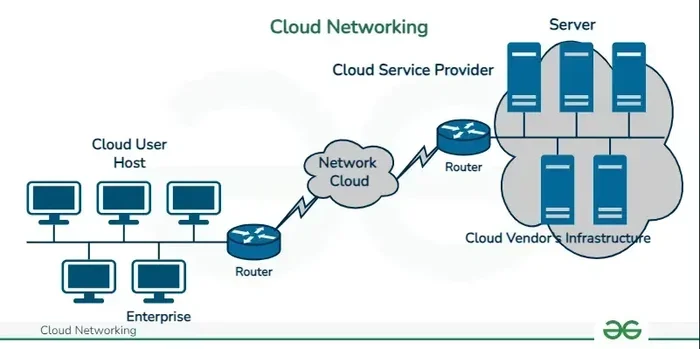
A CDN in cloud computing is a globally distributed network of servers that work together to deliver web content efficiently. Instead of relying on a single origin server to handle every request, a CDN spreads the work across many edge servers located in different regions.
When someone types your website URL into their browser, the DNS resolution process directs them to the nearest edge server. This server then delivers the cached content, such as images, videos, stylesheets, and scripts. The result is faster loading times and a smoother browsing experience.
How Does CDN Caching Work?
CDN caching is the process of storing copies of your website content on edge servers. When a user requests a page, the CDN checks if a cached version is available. If it is, the content is served directly from the edge server without going back to the origin.
This process dramatically reduces the time it takes to load a page. Here is how the caching flow typically works:
- A user requests a webpage from their browser.
- The CDN routes the request to the nearest edge server.
- The edge server checks its cache for the requested content.
- If the content is cached, it is delivered immediately.
- If not, the edge server fetches it from the origin server, caches it, and then delivers it.
Over time, most requests are served directly from the cache. This means your origin server handles fewer requests, which reduces strain and improves overall web performance.
Static vs Dynamic Content Delivery
A CDN in cloud computing handles both static and dynamic content, but the way it processes each is different.
Static content includes files that do not change often, such as images, CSS files, JavaScript files, and fonts. These are ideal for CDN caching because they can be stored on edge servers for long periods. Static content makes up a large portion of most websites, and offloading it to a CDN is one of the easiest ways to boost speed.
Dynamic content changes based on user interactions or real-time data. Examples include personalized recommendations, live chat feeds, and shopping cart updates. CDN providers have developed smart techniques to cache and deliver dynamic content more efficiently. These techniques include content delivery optimization and edge computing, which process requests closer to the user.
Why CDN in Cloud Computing Matters for Website Speed
Website speed is one of the most critical factors for user experience and search engine rankings. Studies show that even a one-second delay in page load time can reduce conversions by up to seven percent. This is where CDN in cloud computing plays a vital role.
Reducing Latency and Round-Trip Time
Latency is the time it takes for data to travel from the server to the user’s browser. When a user is far from the origin server, latency increases, and pages load slowly. A CDN solves this problem by placing edge servers closer to users around the world.
Round-trip time (RTT) measures how long it takes for a request to go from the user to the server and back. By reducing the physical distance data must travel, a CDN significantly lowers RTT. This leads to faster page loads and a better experience for every visitor.
Bandwidth Optimization and Cost Savings
Every time a user visits your website, your origin server uses bandwidth to serve the content. High traffic can quickly eat into your bandwidth limits and increase hosting costs. A CDN in cloud computing helps by serving most content from its edge servers, which means your origin server uses less bandwidth.
Here are the key benefits of bandwidth optimization through a CDN:
- Lower hosting costs because your origin server handles fewer requests.
- Reduced risk of bandwidth overages and unexpected bills.
- Better ability to handle traffic spikes without upgrading your plan.
- Improved content delivery optimization for media-heavy sites.
Improving SEO Rankings Through Faster Load Times
Search engines like Google consider page speed as a ranking factor. A fast website not only pleases visitors but also performs better in search results. When you use a CDN in cloud computing, your pages load faster, which sends positive signals to search engines.
Google’s Core Web Vitals are a set of metrics that measure user experience. They include Largest Contentful Paint (LCP), First Input Delay (FID), and Cumulative Layout Shift (CLS). A CDN directly improves LCP by delivering the main content of your page more quickly. This can give your site a competitive edge in search rankings.
How CDN in Cloud Computing Works: The Architecture
Understanding the architecture of a CDN in cloud computing helps you appreciate why it is so effective. The system relies on a few key components working together seamlessly.
Origin Server vs Edge Server
The origin server is where your website files are stored. It is the source of truth for all your content. The edge servers, on the other hand, are distributed across multiple geographic locations. They store cached copies of your content and serve it to users nearby.
Think of the origin server as a central warehouse and the edge servers as local retail stores. When a customer wants a product, the local store delivers it quickly. Only when the store does not have the item does it need to go back to the warehouse. This model keeps everything fast and efficient.
The Role of DNS in CDN Routing
DNS resolution plays a crucial role in how a CDN works. When a user types your URL, the DNS system determines which edge server is closest to them. This process is called geographic routing or anycast routing.
Most CDN providers use anycast routing, where multiple edge servers share the same IP address. The network automatically routes each request to the optimal server based on factors like distance, server load, and network conditions. This ensures every user gets the fastest possible connection.
Load Balancing and High Availability
Load balancing is another critical feature of CDN in cloud computing. When traffic spikes, a single server can become overwhelmed. A CDN distributes incoming requests across multiple edge servers, preventing any single server from becoming a bottleneck.
This distribution also improves high availability. If one edge server goes down, the CDN automatically routes traffic to another healthy server. This redundancy means your website stays online even during hardware failures or unexpected surges in traffic.
Benefits of Using a CDN in Cloud Computing
The advantages of using a CDN in cloud computing go beyond just faster load times. Let us look at the most important benefits in detail.
Faster Content Delivery Worldwide
A CDN ensures that users in Tokyo, London, and New York all experience fast load times. By caching content on edge servers around the globe, a CDN eliminates the distance problem that slows down traditional hosting. This global reach is especially valuable for businesses that serve international audiences.
Enhanced Security and DDoS Protection
Many CDN providers offer built-in security features. DDoS protection is one of the most important. A distributed denial-of-service attack floods your server with fake traffic to overwhelm it. A CDN absorbs and filters this traffic across its network, protecting your origin server from going down.
Additional security features offered by CDN providers include:
- SSL/TLS encryption to secure data in transit.
- Web Application Firewall (WAF) to block malicious requests.
- Bot management to filter out harmful automated traffic.
- Token-based authentication to restrict access to premium content.
Better User Experience and Higher Conversions
Speed directly affects how users feel about your website. A fast, responsive site keeps visitors engaged and encourages them to explore more pages. Slow sites, on the other hand, drive users away. Research shows that 53 percent of mobile users abandon a site if it takes longer than three seconds to load.
By using a CDN in cloud computing, you create a smoother, faster experience that keeps users on your site longer. This leads to higher engagement, more page views, and ultimately better conversion rates.
Scalability During Traffic Spikes
Whether you are running a sale, launching a new product, or going viral on social media, traffic spikes can overwhelm your infrastructure. A CDN handles these spikes gracefully by distributing the load across its network of edge servers. You do not need to worry about your origin server crashing during peak demand.
Choosing the Right CDN Provider for Cloud Computing
Not all CDN providers are the same. Choosing the right one depends on your specific needs, budget, and audience. Here are some factors to consider when evaluating CDN in cloud computing options.
Key Factors to Consider
- Global coverage: Look for a provider with edge servers in the regions where your audience is located.
- Pricing model: Some charge by bandwidth, others by requests. Choose a plan that matches your traffic patterns.
- Security features: Make sure the provider offers DDoS protection, WAF, and SSL support.
- Integration: The CDN should integrate easily with your cloud platform and content management system.
- Performance metrics: Check for real-time analytics, cache hit ratios, and latency reports.
- Support: Reliable customer support is essential, especially during outages or configuration issues.
Popular CDN Providers in the Market
Several CDN providers dominate the market today. Each offers a unique set of features and pricing models. Here is a quick comparison of the most popular options:
| Provider | Global Edge Locations | Key Strength | Best For |
|---|---|---|---|
| Cloudflare | 300+ cities worldwide | Free tier and security features | Small to medium businesses |
| AWS CloudFront | 400+ points of presence | Seamless AWS integration | Cloud-native applications |
| Akamai | 4,100+ locations | Enterprise-grade performance | Large enterprises and media |
| Fastly | 70+ locations | Real-time caching and purging | Dynamic content and developers |
| KeyCDN | 35+ locations | Affordable and simple pricing | Budget-conscious websites |
When comparing CDN providers, consider your specific use case. A small blog may benefit from a free or low-cost option, while a large e-commerce site may need enterprise-grade performance and advanced security features.
Quick Tips for Maximizing CDN Performance
Setting up a CDN in cloud computing is just the first step. To get the most out of it, follow these practical tips:
- Optimize your cache settings. Set appropriate Time-to-Live (TTL) values for different types of content. Static assets can have long TTLs, while dynamic content may need shorter ones.
- Use HTTPS everywhere. Ensure your CDN serves content over HTTPS to maintain security and trust.
- Minify your files. Compress CSS, JavaScript, and HTML files before they reach the CDN. This reduces file sizes and speeds up delivery.
- Enable compression. Use Gzip or Brotli compression on your CDN to reduce bandwidth usage and improve load times.
- Monitor performance. Regularly check your CDN analytics for cache hit ratios, latency, and error rates. This helps you identify and fix issues early.
- Purge stale content. When you update content, make sure to purge the old cache so users always see the latest version.
Common Mistakes to Avoid When Using a CDN
While a CDN in cloud computing offers many benefits, mistakes in setup and configuration can limit its effectiveness. Here are common pitfalls to watch out for.
Not Configuring Cache Headers Properly
If your cache headers are not set correctly, your CDN may not cache content as intended. This means users may still experience slow load times. Always configure your origin server to send proper Cache-Control and Expires headers.
Ignoring Cache Invalidation
When you update content on your site, the CDN may continue serving the old cached version. This is especially common with static assets like images and stylesheets. Use cache purging or versioning strategies to ensure users always get the latest content.
Choosing a CDN Based Only on Price
The cheapest option is not always the best. Consider factors like global coverage, performance, security features, and support. A low-cost CDN that delivers content slowly will hurt your user experience more than it saves money.
Overlooking Security Configuration
A CDN adds a layer of protection, but only if you configure it correctly. Make sure to enable SSL/TLS, set up a web application firewall, and configure access controls. Leaving these settings at default can leave your site vulnerable.
Common Mistakes to Avoid When Using a CDN
Even with a great CDN in cloud computing setup, certain mistakes can undermine your performance and security. Being aware of these pitfalls helps you get the most from your content delivery network.
Not Configuring Cache Headers Properly
If your cache headers are not set correctly, your CDN may not cache content as intended. This means users may still experience slow load times. Always configure your origin server to send proper Cache-Control and Expires headers so the CDN knows how long to store each type of content.
Ignoring Cache Invalidation
When you update content on your site, the CDN may continue serving the old cached version. This is especially common with static assets like images, CSS, and JavaScript files. Use cache purging or file versioning strategies to ensure users always get the latest content. For example, renaming style.css to style.v2.css forces the CDN to fetch the new file.
Choosing a CDN Based Only on Price
The cheapest option is not always the best. A low-cost CDN provider with limited edge server locations may not deliver the speed your global audience needs. Consider the full picture, including coverage, performance metrics, security features, and customer support.
Overlooking Security Configuration
A CDN adds a protective layer, but only if you configure it properly. Make sure to enable SSL/TLS encryption, set up a web application firewall, and configure access controls. Leaving these settings at default or disabled can leave your origin server exposed to attacks.
Expert Insights on CDN in Cloud Computing
Industry experts consistently highlight the importance of CDN in cloud computing for modern web infrastructure. According to leading web performance analysts, the average page load time has decreased by over 30 percent in the last five years, largely thanks to widespread CDN adoption.
Experts also emphasize that edge computing, a newer trend within CDN technology, is changing how content is processed. Instead of just caching static files, modern edge servers can run serverless functions, personalize content, and handle complex logic closer to the user. This evolution makes CDN in cloud computing even more powerful and versatile.
Another key insight from experts is the growing importance of real-time analytics. Modern CDN providers offer detailed dashboards that show cache hit ratios, latency by region, and traffic patterns. These insights allow you to fine-tune your content delivery optimization strategy and make data-driven decisions.
Key Takeaways
- A CDN in cloud computing delivers content from servers closest to the user, cutting load times significantly.
- CDN caching reduces the workload on your origin server and saves bandwidth costs.
- Using a CDN provider improves website speed, which directly impacts SEO rankings and conversions.
- Edge servers handle static and dynamic content, making sites faster worldwide.
- Choosing the right CDN provider depends on your budget, traffic volume, and global reach.
- CDN security features like DDoS protection add an extra layer of safety to your cloud setup.
- Avoiding common mistakes like improper cache configuration and ignoring security settings ensures you get the full benefit of your CDN.
Conclusion
CDN in cloud computing is no longer a luxury, it is a necessity for any website that wants to perform well. From faster load times and lower bandwidth costs to improved security and better scalability, the benefits are clear and significant. Whether you run a small blog or a large e-commerce platform, a well-configured content delivery network can transform your online presence.
By understanding how CDN caching, edge servers, and load balancing work together, you can make informed decisions about your cloud infrastructure. Choose the right CDN provider, avoid common setup mistakes, and continuously monitor your performance. With the right approach, your website will be faster, more secure, and ready to handle whatever traffic comes its way.
Start exploring CDN in cloud computing options today. Your users, your search rankings, and your bottom line will thank you. The web moves fast, and your infrastructure should keep up.
Frequently Asked Questions
What is a CDN in cloud computing in simple terms?
A CDN in cloud computing is a network of servers spread across the world that delivers your website content quickly to users. Instead of serving everything from one central server, the CDN uses edge servers located near your users. This reduces load times and improves the overall browsing experience.
How does a CDN improve website speed?
A CDN improves speed by caching your website files on edge servers around the world. When a user visits your site, the CDN serves content from the server closest to them. This shortens the distance data must travel, reducing latency and significantly improving website speed.
Is a CDN the same as cloud hosting?
No, a CDN and cloud hosting are different but complementary. Cloud hosting stores your website files on remote servers, while a CDN distributes cached copies of those files across a global network of edge servers. Many businesses use both together for optimal web performance and reliability.
Can a small business benefit from a CDN in cloud computing?
Absolutely. A CDN in cloud computing benefits businesses of all sizes. Small websites see faster load times, better user experience, and improved SEO rankings. Many CDN providers offer free or low-cost plans that make it easy for small businesses to get started without a large investment.
Does a CDN help with security?
Yes, many CDN providers include security features like DDoS protection, SSL/TLS encryption, and web application firewalls. These features protect your website from common attacks and add a layer of security between your users and your origin server.
How do I choose the best CDN provider?
Consider factors like global coverage, pricing, security features, and ease of integration when choosing a CDN provider. Look at where your audience is located and pick a provider with edge servers in those regions. Reading reviews and testing performance with free trials can also help you make the right choice.
=== META DESCRIPTION ===
Learn what CDN in cloud computing means, how it boosts website speed, reduces latency, and improves user experience. Discover key benefits and best practices.