What Is the Azure Cloud Computing Platform and Why It Matters
The azure cloud computing platform is Microsoft’s full-suite cloud service that helps businesses build, deploy, and manage applications through a global network of data centers. It offers everything from virtual machines and cloud storage to advanced AI and analytics tools. Whether you are a startup or a Fortune 500 company, understanding this platform can transform how you work with technology.
The azure cloud computing platform is one of the most powerful tools in the tech world today. It belongs to Microsoft and gives businesses the ability to build, test, deploy, and manage applications through Microsoft-managed data centers around the globe. If you have ever wondered how companies run their websites, store massive amounts of data, or use artificial intelligence without buying expensive hardware, the answer is cloud computing. And Azure sits right at the top of that space.
More than 95% of Fortune 500 companies use the Azure cloud computing platform in some form. That number alone tells you something important. This platform is not just another tech trend. It is a backbone for modern business operations. Whether you are a small startup trying to launch your first app or a huge enterprise managing thousands of services, Azure has tools that can help you get the job done.
In this article, we will break down everything you need to know. We will cover what the platform is, how it works, what services it offers, and why so many organizations trust it. By the end, you will have a clear picture of why the azure cloud computing platform matters and how it can benefit you or your business.
Key Takeaways
- Azure is Microsoft’s cloud computing platform: It provides a massive range of cloud services including computing, storage, networking, and AI tools.
- It powers millions of businesses worldwide: From small startups to large enterprises, organizations rely on Azure for their digital transformation.
- Scalability and flexibility are core strengths: Azure lets you scale resources up or down based on real-time demand, saving money and improving performance.
- Security and compliance are top priorities: Microsoft invests billions in cloud security, making Azure one of the most trusted platforms for sensitive data.
- Hybrid cloud support sets it apart: Azure seamlessly integrates with on-premises infrastructure, giving businesses the best of both worlds.
- Learning Azure opens career opportunities: Cloud skills are in high demand, and Azure certifications can boost your professional profile significantly.
📑 Table of Contents
- What Exactly Is the Azure Cloud Computing Platform?
- Key Services and Features of Azure
- Why the Azure Cloud Computing Platform Matters
- Azure vs. Other Cloud Platforms
- Who Uses the Azure Cloud Computing Platform?
- How to Get Started with Azure
- Common Mistakes to Avoid When Using Azure
- Expert Insights on the Future of Azure
- Final Thoughts
What Exactly Is the Azure Cloud Computing Platform?
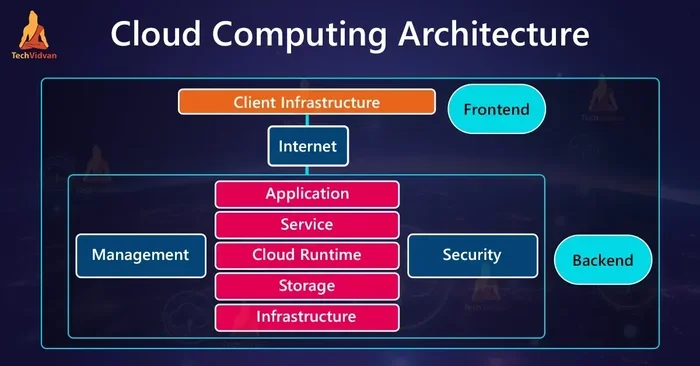
At its core, the azure cloud computing platform is a collection of cloud services. These services let you do things like host websites, run applications, store files, analyze data, and even train machine learning models. All of this happens over the internet, which means you do not need physical servers sitting in your office.
Microsoft launched Azure in 2010. Since then, it has grown into the second-largest cloud platform in the world, right behind Amazon Web Services (AWS). Azure offers over 200 products and cloud services. That is a lot of tools. But do not let the number scare you. You only need to use the ones that matter for your specific goals.
How Cloud Computing Works with Azure
Cloud computing means using remote servers instead of your own computer or local server to store data and run programs. When you use the azure cloud computing platform, you are renting access to Microsoft’s massive network of data centers. These centers are spread across more than 60 regions worldwide.
Here is a simple way to think about it. Imagine you need electricity. You do not build your own power plant. You plug into the grid and pay for what you use. Cloud computing works the same way. You use computing power, storage, and other resources over the internet and pay only for what you consume.
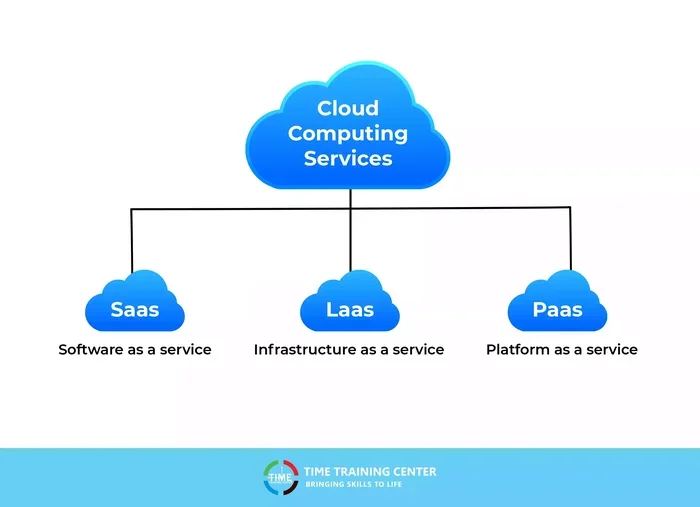
This model is called Infrastructure as a Service, or IaaS. Azure also offers Platform as a Service (PaaS) and Software as a Service (SaaS). Each of these gives you a different level of control and management responsibility. IaaS gives you the most flexibility. PaaS lets you focus on building apps without worrying about the underlying infrastructure. SaaS delivers ready-to-use software directly to your browser.
Key Services and Features of Azure
The azure cloud computing platform is packed with services. Let us walk through the most important ones so you understand what makes it so powerful.
Virtual Machines and Compute Services
Azure Virtual Machines let you create powerful computers in the cloud. You can choose your operating system, memory, and processor. These virtual machines are perfect for hosting applications, running development environments, or handling big workloads. You can scale them up when you need more power and scale them down when you do not. This flexibility saves money and boosts efficiency.
Azure also offers App Services, which let you build and host web apps, mobile backends, and APIs without managing the underlying servers. This is a great option for developers who want to focus on writing code instead of managing infrastructure.
Cloud Storage Solutions
Azure Blob Storage is designed for storing massive amounts of unstructured data. Think images, videos, documents, and log files. Azure Files gives you fully managed file shares that you can access from anywhere. And Azure Disk Storage provides high-performance storage for virtual machines.
One of the biggest advantages of cloud storage on Azure is durability. Microsoft replicates your data across multiple data centers. This means even if one center goes down, your data stays safe. Most businesses find this level of reliability extremely reassuring.
Artificial Intelligence and Machine Learning
Azure has made huge investments in AI and machine learning. The Azure AI services include tools for vision, speech, language, and decision-making. You can build chatbots, analyze images, translate languages, and extract insights from text. These tools are available through simple APIs, so you do not need to be an AI expert to use them.
Azure Machine Learning is a more advanced service for data scientists and developers. It lets you build, train, and deploy custom machine learning models. You can use pre-built algorithms or bring your own. The platform handles the heavy lifting of training and scaling, which saves enormous time.
Cloud Security and Compliance
Security is a top concern for any business moving to the cloud. Microsoft spends more than $1 billion every year on cybersecurity. The azure cloud computing platform comes with built-in security tools that protect your data, applications, and networks.
Azure Security Center gives you a unified view of your security posture across all your cloud resources. Azure Active Directory helps you manage user access and identities. And for businesses that need to meet strict compliance rules, Azure supports over 90 compliance certifications, including HIPAA, GDPR, and SOC 2.
Hybrid Cloud Capabilities
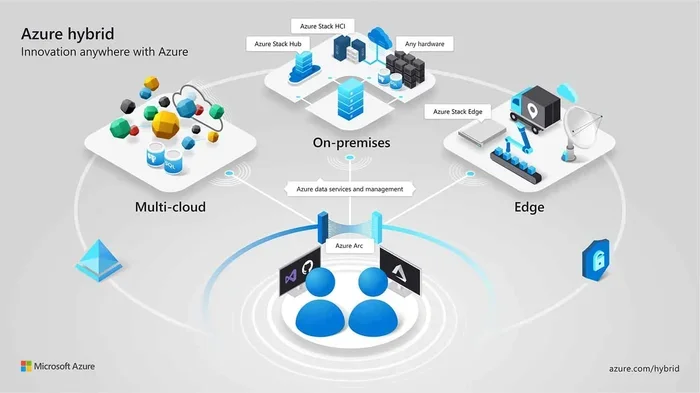
Not every business wants to move everything to the cloud. Some need to keep certain workloads on-premises for legal or performance reasons. This is where Azure’s hybrid cloud support shines.
Azure Arc lets you manage resources across on-premises servers, multiple clouds, and edge devices from a single control plane. Azure Stack extends Azure services to your own data center. This hybrid approach gives businesses the flexibility to choose where their workloads run while maintaining consistency and control.
Why the Azure Cloud Computing Platform Matters
Now that you know what Azure offers, let us talk about why it matters so much in today’s world.
Scalability That Grows With Your Business
One of the biggest reasons businesses choose the azure cloud computing platform is scalability. When your business grows, your technology needs grow too. Azure lets you scale up quickly without buying new hardware. And when demand drops, you can scale down just as fast. This elastic model means you never pay for resources you do not need.
For example, imagine you run an online store. During the holiday season, your traffic spikes dramatically. With Azure, you can automatically add more servers to handle the extra load. After the holidays, you scale back down. This kind of flexibility is impossible with traditional on-premises infrastructure.
Cost Efficiency and Pay-As-You-Go Pricing
Cloud computing eliminates the need for expensive upfront hardware purchases. With Azure, you pay for what you use. This pay-as-you-go model makes it easier for businesses of all sizes to manage their budgets. Startups can access enterprise-grade technology without massive capital investments.
Azure also offers cost management tools that help you track spending and find savings opportunities. You can set budgets, receive alerts, and optimize resource usage. Over time, these savings add up significantly.
Global Reach and Reliability
Microsoft operates data centers in more than 60 regions across the globe. This means businesses using Azure can deploy applications closer to their users, which improves performance and reduces latency. Whether your customers are in New York, London, Tokyo, or Sydney, Azure has a presence nearby.
Azure also guarantees high availability through its Service Level Agreements (SLAs). Many Azure services come with 99.9% or even 99.99% uptime guarantees. This level of reliability is critical for businesses that cannot afford downtime.
Innovation and Cutting-Edge Technology
Microsoft is constantly adding new services and features to the Azure cloud computing platform. From quantum computing to mixed reality with Azure Spatial Anchors, the platform pushes the boundaries of what is possible in the cloud. Businesses that adopt Azure early gain access to these innovations before they become mainstream.
This commitment to innovation means that companies using Azure stay competitive. They can experiment with new technologies, launch products faster, and respond to market changes more quickly than their competitors.
Azure vs. Other Cloud Platforms
The cloud computing market is dominated by three major players: Microsoft Azure, Amazon Web Services (AWS), and Google Cloud Platform (GCP). Each has its strengths. Here is a quick comparison to help you understand where Azure stands.
| Feature | Azure | AWS | Google Cloud |
|---|---|---|---|
| Market Share | Second largest | Largest | Third largest |
| Number of Services | 200+ | 200+ | 150+ |
| Global Data Centers | 60+ regions | 30+ regions | 35+ regions |
| Best For | Enterprise, hybrid cloud, Microsoft ecosystem | Broadest service range, startups | Data analytics, AI/ML, open source |
| Hybrid Cloud Strength | Excellent | Good | Moderate |
| AI and Machine Learning | Very strong | Strong | Very strong |
| Microsoft Integration | Native and seamless | Limited | Limited |
What makes Azure stand out is its deep integration with the Microsoft ecosystem. If your business already uses Windows Server, Active Directory, Office 365, or SQL Server, Azure fits naturally into your existing setup. This integration reduces migration headaches and speeds up adoption.
That said, AWS still leads in overall market share and service breadth. Google Cloud excels in data analytics and open-source support. The right choice depends on your specific needs, existing infrastructure, and long-term goals.
Who Uses the Azure Cloud Computing Platform?
The azure cloud computing platform serves a wide range of users across different industries. Here are some examples of who benefits most from Azure.
Enterprises and Large Organizations
Large corporations use Azure to modernize their IT infrastructure. They migrate legacy applications to the cloud, consolidate data centers, and use advanced analytics to make better business decisions. Azure’s hybrid cloud capabilities are especially attractive to enterprises that need to maintain some on-premises systems while moving toward the cloud.
Developers and IT Professionals
Developers love Azure because it offers tools that streamline the entire development lifecycle. From code editing in Visual Studio Code to deployment through Azure DevOps, the platform supports every stage of building software. Azure also supports multiple programming languages, frameworks, and operating systems, giving developers the freedom to work with their preferred tools.
Startups and Small Businesses
Startups benefit from Azure’s low barrier to entry. You can start small with a free account that includes $200 in credits and 25+ free services. This allows new businesses to experiment, build prototypes, and launch products without significant upfront costs. As the business grows, Azure scales right along with it.
Government and Healthcare Organizations
Government agencies and healthcare providers handle sensitive data and must comply with strict regulations. Azure offers specialized clouds like Azure Government and Azure for Healthcare, which meet rigorous compliance and security requirements. These specialized offerings give public sector organizations confidence that their data is handled appropriately.
How to Get Started with Azure
Getting started with the azure cloud computing platform is straightforward. Here is a simple roadmap to help you begin.
- Create a free Azure account. Go to the Azure website and sign up. You will receive free credits and access to many free-tier services.
- Explore the Azure portal. The portal is your central dashboard for managing all Azure resources. Take some time to familiarize yourself with the layout and navigation.
- Start with a simple service. Try deploying a virtual machine or creating a storage account. These are great first steps that give you hands-on experience.
- Learn Azure fundamentals. Microsoft offers free learning paths through Microsoft Learn. These courses cover everything from basic concepts to advanced architectures.
- Consider certification. The AZ-900 Azure Fundamentals exam is a great starting point. It validates your basic knowledge and looks great on your resume.
- Build a project. The best way to learn is by doing. Pick a small project idea and build it on Azure. This could be a simple website, a data pipeline, or a basic AI application.
Remember, you do not need to learn everything at once. Start small, experiment often, and gradually expand your skills as you grow more comfortable with the platform.
Common Mistakes to Avoid When Using Azure
Even experienced users can make mistakes with the azure cloud computing platform. Here are some common pitfalls to watch out for.
- Ignoring cost management. Without proper monitoring, cloud costs can spiral out of control. Always set up budgets and alerts from day one.
- Over-provisioning resources. It is tempting to allocate more resources than you need “just in case.” This leads to wasted spending. Start small and scale as needed.
- Neglecting security settings. Misconfigured security groups and access controls are among the leading causes of data breaches in the cloud. Review your security settings regularly.
- Not using automation. Azure offers powerful automation tools like Azure Automation and Terraform. Using these tools saves time, reduces errors, and ensures consistency.
- Skipping documentation. Document your architecture, configurations, and processes. This makes troubleshooting easier and helps your team collaborate effectively.
Expert Insights on the Future of Azure
Cloud computing is evolving rapidly, and Azure is at the forefront of many key trends. Industry experts predict that hybrid cloud adoption will continue to grow as businesses seek flexibility. Azure’s investment in hybrid solutions positions it well for this trend.
Artificial intelligence and machine learning are also reshaping the cloud landscape. Microsoft has integrated AI deeply into Azure, making it easier for businesses to leverage intelligent capabilities without deep technical expertise. From Copilot integrations to custom AI model training, Azure is making AI accessible to everyone.
Sustainability is another area where Azure is making strides. Microsoft has committed to being carbon negative by 2030. Azure data centers are increasingly powered by renewable energy, which matters to businesses that want to reduce their environmental footprint.
Experts also highlight the growing importance of cloud-native development. Technologies like containers, Kubernetes, and microservices are becoming the standard for building modern applications. Azure Kubernetes Service (AKS) and Azure Container Apps make it easy to build and run cloud-native solutions at scale.
Final Thoughts
The azure cloud computing platform is much more than a collection of tech services. It is a foundation for modern business transformation. Whether you need to host a simple website, run complex data analytics, or build intelligent AI applications, Azure provides the tools and infrastructure to get the job done.
Its scalability, security, global reach, and deep integration with the Microsoft ecosystem make it a top choice for organizations of all sizes. The platform continues to evolve with new innovations that keep businesses ahead of the curve.
If you are just starting out or looking to expand your cloud knowledge, there has never been a better time to explore Azure. The resources are abundant, the learning paths are clear, and the community is supportive. Take that first step today and see how the azure cloud computing platform can open new possibilities for you and your business.
Frequently Asked Questions
What is the azure cloud computing platform used for?
The azure cloud computing platform is used for a wide range of tasks including hosting websites and applications, storing and analyzing data, running virtual machines, building AI and machine learning models, and managing enterprise IT infrastructure. It serves businesses of all sizes across virtually every industry.
Is Azure better than AWS?
Both Azure and AWS are excellent cloud platforms, but they have different strengths. Azure excels in hybrid cloud scenarios and Microsoft ecosystem integration. AWS offers the broadest service range and the largest market share. The best choice depends on your specific business needs, existing technology stack, and long-term goals.
How much does Azure cost?
Azure uses a pay-as-you-go pricing model, which means you only pay for the resources you actually use. Microsoft offers a free tier with $200 in credits for new accounts and over 25 free services. Costs vary based on the services you use, so it is important to monitor your usage and set up cost alerts.
Can I learn Azure without any prior cloud experience?
Absolutely. Azure is designed to be accessible to beginners. Microsoft Learn offers free, structured learning paths that start with the basics and progress to advanced topics. The AZ-900 Azure Fundamentals certification is a perfect starting point for anyone new to cloud computing.
What makes Azure secure for business use?
Azure provides enterprise-grade security with built-in tools like Azure Security Center, Azure Active Directory, and advanced threat protection. Microsoft invests over $1 billion annually in cybersecurity research and development. Azure also complies with more than 90 industry standards and regulations, including GDPR, HIPAA, and SOC 2.
How does Azure support hybrid cloud environments?
Azure supports hybrid cloud through services like Azure Arc and Azure Stack. These tools let you manage on-premises servers, edge devices, and other cloud environments from a single Azure portal. This seamless integration allows businesses to keep certain workloads on-premises while leveraging the cloud for scalability and innovation.
=== CONCLUSION ===
The azure cloud computing platform stands as one of the most versatile and powerful cloud platforms available today. From its vast library of over 200 services to its global network of data centers, Azure empowers businesses to innovate, scale, and succeed in the digital age. Whether you are a developer building your first app, an IT professional managing enterprise infrastructure, or a business leader planning your digital transformation, Azure has something valuable to offer.
Understanding this platform and its capabilities gives you a real advantage in today’s technology-driven world. Start exploring, keep learning, and let the power of Azure work for you.