The Role of Data Center in Cloud Computing Explained
The role of data center in cloud computing is fundamental and transformative. Data centers serve as the physical backbone that makes cloud services possible for billions of users worldwide. Without these facilities, cloud computing as we know it simply would not exist. This article breaks down how data centers power cloud infrastructure, support cloud deployment, and enable the scalability that businesses and individuals rely on every day.
Think about every time you stream a video, check your email, or open a mobile app. Behind every tap and click sits a massive data center working hard to deliver what you need. The role of data center in cloud computing is something most people never think about, yet it shapes nearly every part of our digital lives.
Data centers are the unsung heroes of the internet. They are large facilities packed with thousands of servers that store, process, and distribute data across the globe. Without them, cloud computing services would have nowhere to run and nothing to store. In this article, we will explore exactly how these facilities power the cloud and why they matter so much.
Key Takeaways
- Data centers are the physical foundation: They house the servers, storage, and networking gear that power all cloud services.
- Scalability depends on data center capacity: Cloud providers expand their data center facilities to meet growing demand.
- Security and redundancy are critical: Data center security measures and data redundancy ensure services stay online and safe.
- Edge computing changes the game: Smaller colocation data center locations bring cloud resources closer to users.
- Power efficiency matters: Modern data center operations focus on reducing power consumption and environmental impact.
- Cloud service providers invest heavily: Companies like AWS, Google, and Microsoft build massive hyperscale data center networks globally.
- Understanding this relationship helps businesses: Knowing how cloud architecture works helps you make smarter cloud migration decisions.
📑 Table of Contents
- What Is a Data Center and Why Does It Matter?
- How Data Centers Power Cloud Computing
- The Role of Data Centers in Cloud Scalability
- Data Center Security and Reliability
- Power Consumption and Environmental Impact
- The Future of Data Centers in Cloud Computing
- Why Understanding Data Centers Helps You Make Better Cloud Decisions
- Key Takeaways
- Conclusion
What Is a Data Center and Why Does It Matter?
A data center is a specialized building designed to house computer systems and related components. These include servers, storage devices, networking equipment, and cooling systems. The data center facilities are built with one goal in mind: keep technology running 24 hours a day, seven days a week.
In the world of cloud computing, data centers act as the physical home for all the digital services we use. When you upload a photo to the cloud or stream a movie, your data travels to one of these facilities. It gets stored, processed, and sent back to you in seconds. The entire experience feels instant, but a lot happens behind the scenes.
Core Components of a Data Center
Every data center has several key parts that work together to keep things running smoothly:
- Servers: These are the workhorses. They process requests, run applications, and handle data storage.
- Storage Systems: Hard drives and solid-state drives hold enormous amounts of data safely.
- Networking Equipment: Routers, switches, and cables connect everything and move data at incredible speeds.
- Cooling Systems: Servers generate a lot of heat. Cooling infrastructure keeps temperatures under control.
- Power Supply and Backup: Generators and uninterruptible power supplies ensure operations never stop, even during outages.
All of these components work together to support cloud infrastructure. When one part fails, the whole system can be affected. That is why data center operations teams monitor everything around the clock.
How Data Centers Power Cloud Computing
The connection between data centers and cloud computing is direct and essential. Cloud service providers like Amazon Web Services, Microsoft Azure, and Google Cloud own and operate thousands of data center facilities worldwide. These facilities provide the raw computing power that makes the cloud possible.
When you use a cloud service, your request does not go to a single computer. It goes to a network of servers inside a data center. That server finds your data, processes your request, and sends it back. All of this happens in milliseconds. The cloud architecture that makes this possible depends entirely on the strength and reliability of the underlying data center.
Server Virtualization and Cloud Hosting
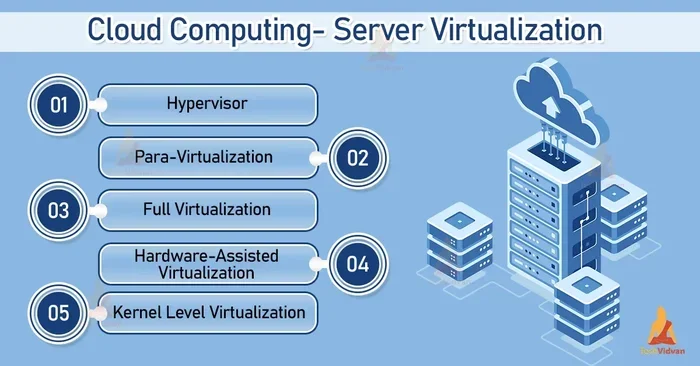
One of the most important technologies inside modern data centers is server virtualization. Instead of running one operating system per physical server, virtualization allows multiple virtual machines to run on a single machine. This makes cloud hosting far more efficient and cost-effective.
Here is how it works in simple terms:
- A physical server in a data center is divided into multiple virtual servers.
- Each virtual server runs its own operating system and applications.
- Users access these virtual servers through the cloud without knowing they share physical hardware.
- This setup allows cloud service providers to maximize their hardware and reduce waste.
Server virtualization is a big reason why cloud computing is so flexible and affordable. It lets providers offer resources on demand, which is exactly what businesses and individuals need today.
The Role of Data Centers in Cloud Scalability
Scalability is one of the biggest reasons businesses move to the cloud. And scalability depends entirely on data centers. When a website or application suddenly gets a lot more traffic, the cloud infrastructure must scale up quickly to handle the load.
Data center facilities are designed with this in mind. They have extra servers, storage, and networking capacity ready to go. When demand spikes, cloud service providers can activate additional resources from their data centers within minutes. This ability to scale up or scale down is what makes the cloud so powerful.
Hyperscale Data Centers
Some data centers are enormous. These are called hyperscale data centers. They can span hundreds of thousands of square feet and house tens of thousands of servers. Companies like Google, Amazon, and Microsoft build these massive facilities to support their global cloud computing services.
A single hyperscale data center can handle millions of users simultaneously. These facilities are strategically located around the world to reduce latency and improve performance. When you use a popular app or website, there is a good chance it is being served from a nearby hyperscale facility.
Colocation and Edge Data Centers
Not all data centers are massive. Many smaller facilities called colocation data centers rent space to businesses that want to house their own servers. This is a popular option for companies that need more control over their data center security and infrastructure.
Then there are edge data centers. These are smaller facilities placed closer to end users. They reduce the distance data has to travel, which improves speed and performance. Edge computing is a growing trend that relies heavily on these local data center facilities. As more devices connect to the internet, the demand for edge data centers continues to grow.
Data Center Security and Reliability
Security is a top priority for any data center. These facilities store sensitive information for millions of people and businesses. A breach or outage can have serious consequences. That is why data center security involves multiple layers of protection.
Data center operations teams implement strict access controls, surveillance systems, and physical barriers. Only authorized personnel can enter server rooms. Biometric scanners, security guards, and 24/7 monitoring are all standard at modern facilities.
Uptime and Data Redundancy
When it comes to cloud computing services, uptime is everything. Users expect their apps and websites to be available at all times. To make this happen, data centers use data redundancy and backup systems.
Data redundancy means storing copies of data in multiple locations. If one server fails, another server can take over without any interruption. This is a key feature of cloud architecture and a major reason why the cloud feels so reliable.
Most data center facilities aim for 99.99% uptime or higher. They achieve this through:
- Multiple power sources and backup generators
- Redundant networking connections
- Regular maintenance and monitoring
- Disaster recovery plans
- Geographically distributed server locations
All of these measures ensure that cloud deployment remains stable and dependable. When you trust a cloud service with your data, you are really trusting the data center behind it.
Power Consumption and Environmental Impact
Data center operations consume a tremendous amount of energy. Servers run constantly, and cooling systems work around the clock to prevent overheating. Power consumption at large data center facilities is a significant concern for the environment.
The good news is the industry is making real progress. Many cloud service providers now invest heavily in renewable energy. Google, for example, has matched 100% of its data center energy consumption with renewable sources. Microsoft and Amazon have made similar commitments.
Here are some ways modern data centers are becoming more efficient:
- Using advanced cooling technologies like liquid cooling and free-air cooling
- Locating facilities in cooler climates to reduce air conditioning needs
- Optimizing server virtualization to reduce the number of physical machines needed
- Using energy-efficient hardware and smart power management systems
- Building data centers near renewable energy sources like wind and solar farms
The role of data center in cloud computing will only grow as demand increases. Making these facilities more energy-efficient is not just good for the planet. It also helps cloud service providers reduce costs and pass savings on to their customers.
The Future of Data Centers in Cloud Computing
The role of data center in cloud computing will continue to evolve as technology advances. Several trends are shaping the future of these critical facilities.
AI and Machine Learning Workloads
Artificial intelligence and machine learning require enormous computing power. Data centers are being upgraded with specialized hardware like GPUs and TPUs to handle these demanding workloads. As AI becomes more common in everyday apps, the need for powerful data center facilities will only increase.
Cloud Migration Trends
More businesses are moving their operations to the cloud every year. This cloud migration trend is driving massive demand for data center capacity. Companies that need reliable cloud hosting and storage are building or renting space in data centers around the world.
Small businesses especially benefit from cloud computing services because they do not need to build their own data center. They can rent space and resources from a cloud service provider and scale as they grow.
Sustainability and Green Data Centers
The push for sustainability is reshaping data center operations. Future data centers will likely use even less energy, produce less waste, and rely more on clean power sources. The goal is to make cloud computing as environmentally friendly as possible.
As consumers become more environmentally conscious, companies that invest in green data center facilities will have a competitive advantage. This trend will influence how cloud service providers design and build their infrastructure for years to come.
Why Understanding Data Centers Helps You Make Better Cloud Decisions
Whether you are a business owner, an IT professional, or just a curious user, understanding the role of data center in cloud computing gives you a real advantage. When you know how the cloud works behind the scenes, you can make smarter choices about cloud deployment, cloud migration, and cloud hosting.
For businesses, this knowledge can help you choose the right cloud service provider. You can ask better questions about data center security, uptime guarantees, and data redundancy. You can also evaluate whether a provider’s data center facilities are located in the right regions for your needs.
For everyday users, understanding cloud infrastructure helps you appreciate the technology you use every day. It also helps you make informed decisions about which services to trust with your personal data.
Key Takeaways
- Data centers are the physical foundation: They house the servers, storage, and networking gear that power all cloud services.
- Scalability depends on data center capacity: Cloud providers expand their data center facilities to meet growing demand.
- Security and redundancy are critical: Data center security measures and data redundancy ensure services stay online and safe.
- Edge computing changes the game: Smaller colocation data center locations bring cloud resources closer to users.
- Power efficiency matters: Modern data center operations focus on reducing power consumption and environmental impact.
- Cloud service providers invest heavily: Companies like AWS, Google, and Microsoft build massive hyperscale data center networks globally.
- Understanding this relationship helps businesses: Knowing how cloud architecture works helps you make smarter cloud migration decisions.
Conclusion
The role of data center in cloud computing cannot be overstated. These facilities are the backbone of everything we do online. From storing photos and emails to running complex business applications, data centers make it all possible.
As cloud computing continues to grow, so will the importance of data center facilities. New technologies like AI, edge computing, and server virtualization will push these facilities to evolve and improve. The companies that invest in better data center operations will lead the next generation of cloud computing services.
If you have ever wondered what makes the cloud work, now you know. It is the data center. The next time you stream a video, open an app, or save a file online, take a moment to appreciate the incredible data center infrastructure working behind the scenes to deliver that experience instantly.
Frequently Asked Questions
What exactly does a data center do in cloud computing?
A data center houses the physical servers, storage, and networking equipment that power cloud services. When you use any cloud application, your data is stored and processed inside a data center facility. Without data centers, cloud computing would not be possible.
How do data centers support cloud scalability?
Data centers provide the extra computing capacity that cloud services need during traffic spikes. Cloud service providers can activate additional servers from their data center facilities within minutes. This allows cloud applications to scale up or down based on real-time demand.
What is the difference between a hyperscale data center and a colocation data center?
A hyperscale data center is a massive facility owned and operated by a single cloud service provider. A colocation data center rents space to multiple businesses that want to house their own servers. Both play important roles in modern cloud infrastructure.
Why is data center security important for cloud computing?
Data center security protects sensitive information stored in the cloud. Since cloud service providers handle data for millions of users, a security breach could be catastrophic. Modern data centers use physical barriers, biometric access, surveillance, and network security to keep data safe.
How much power does a typical data center consume?
A large data center facility can consume as much electricity as a small town. Power consumption is a major focus for the industry, and many providers are switching to renewable energy sources. Efficient data center operations help reduce both costs and environmental impact.
Can businesses build their own data centers for cloud services?
Yes, some large companies build their own data centers for private cloud deployment. However, most businesses choose to use cloud hosting from a cloud service provider instead. This approach is more cost-effective and allows companies to focus on their core business rather than managing data center infrastructure.