Top Cloud Computing Companies in USA and Their Services
Cloud computing companies in USA are reshaping how businesses store, manage, and process data. This guide covers the top providers like AWS, Microsoft Azure, Google Cloud, IBM Cloud, and Oracle Cloud, along with their key services and pricing models. Whether you are a small business or a large enterprise, you will find practical insights to help you choose the right cloud computing solutions for your needs.
Cloud computing has completely changed the way businesses operate in the United States. From small startups to large corporations, cloud computing companies in USA are driving innovation and growth. These providers offer powerful tools that help organizations store data, run applications, and scale their operations with ease.
The cloud computing market in the United States continues to grow at a rapid pace. More companies are moving away from traditional on-premise servers and embracing cloud computing solutions. This shift is not just a trend. It is a fundamental change in how businesses manage their technology needs.
In this article, we will explore the top cloud computing companies in USA and the services they offer. You will learn about the leading providers, their key offerings, and how to choose the right one for your business. Whether you are a small business owner or an IT decision-maker, this guide will give you valuable insights.
Key Takeaways
- Market Leaders: AWS, Microsoft Azure, and Google Cloud Platform dominate the cloud computing market in the USA with powerful and diverse service offerings.
- Service Models: IaaS, PaaS, and SaaS are the three core service categories offered by all major cloud computing providers.
- Scalability Matters: The ability to scale resources up or down is one of the biggest advantages of working with cloud computing companies in USA.
- Hybrid and Multi-Cloud: Many businesses now adopt hybrid cloud services and a multi-cloud strategy to avoid vendor lock-in and optimize costs.
- AI Integration: Leading providers are integrating artificial intelligence and machine learning tools directly into their cloud computing platforms.
- Right Fit Depends on Needs: The best provider for your business depends on your specific workloads, budget, compliance requirements, and existing technology stack.
📑 Table of Contents
- Why Cloud Computing Is Transforming Businesses in the USA
- Top Cloud Computing Companies in USA and What They Offer
- Key Services Offered by Cloud Computing Providers
- How to Choose the Right Cloud Computing Company
- Cloud Computing Trends Shaping the Industry in 2024
- Final Thoughts on Cloud Computing Companies in USA
Why Cloud Computing Is Transforming Businesses in the USA
The way companies handle their technology has evolved dramatically over the past decade. Cloud computing companies in USA have played a major role in this transformation. They provide flexible, scalable, and cost-effective alternatives to traditional IT infrastructure.
The Rise of Cloud Service Providers
Over the last few years, the number of cloud service providers has grown significantly. These providers build and maintain massive cloud infrastructure centers across the country. They offer everything from basic storage to advanced computing power.
Businesses of all sizes now rely on these providers for their daily operations. A small e-commerce store might use cloud hosting services to manage its website. A large bank might use the same providers for complex data processing and analytics. The flexibility is truly remarkable.
How Cloud Computing Solutions Help Companies Grow
One of the biggest advantages of working with cloud computing companies in USA is scalability. Traditional IT setups require large upfront investments. With cloud solutions, businesses can scale up or down based on their needs.
Here are some key benefits that companies experience when they adopt cloud computing solutions:
- Cost savings: You only pay for what you use, which reduces waste.
- Flexibility: Access your data and applications from anywhere in the world.
- Security: Leading providers invest heavily in protection and compliance.
- Automatic updates: The provider handles maintenance and upgrades.
- Disaster recovery: Cloud-based backups keep your data safe during outages.
These benefits explain why so many businesses are making the move to the cloud. The cloud computing market in the USA is now worth billions of dollars, and it shows no signs of slowing down.
Top Cloud Computing Companies in USA and What They Offer
The United States is home to some of the most powerful cloud computing providers in the world. Each company brings its own strengths and specialties to the table. Let us take a closer look at the major players.
Amazon Web Services (AWS)
AWS is the largest and most widely used cloud platform in the world. It holds a significant share of the cloud computing market in the USA. Amazon Web Services offers over 200 services, including computing power, storage, and machine learning tools.
Many enterprise cloud solutions are built on AWS because of its reliability and breadth. Companies like Netflix, Airbnb, and NASA rely on AWS for their operations. The platform is known for its global reach and extensive cloud infrastructure.
AWS offers a pay-as-you-go pricing model, which makes it accessible for businesses of all sizes. Whether you need simple cloud storage solutions or complex cloud computing architecture, AWS has you covered.
Microsoft Azure
Microsoft Azure is the second-largest cloud platform globally and a strong competitor in the USA. It integrates seamlessly with Microsoft products like Windows Server, Office 365, and Active Directory. This makes it a popular choice for companies already using the Microsoft ecosystem.
Azure offers a wide range of cloud computing services, including virtual machines, databases, and AI tools. Many businesses choose Azure for cloud migration because Microsoft provides excellent support and guidance during the transition process.
The platform also supports hybrid cloud services, allowing companies to maintain some on-premise systems while leveraging the cloud. This flexibility is a major draw for large enterprises with complex IT environments.
Google Cloud Platform
Google Cloud Platform (GCP) is a major player among cloud computing companies in USA. Google brings its expertise in data analytics, machine learning, and artificial intelligence to the cloud space. GCP is known for its powerful data processing capabilities and open-source friendly approach.
Companies that need advanced analytics and artificial intelligence cloud services often turn to Google Cloud. The platform offers tools like BigQuery for data warehousing and TensorFlow for machine learning. GCP also provides strong cloud hosting services for websites and applications.
Google’s global network of data centers ensures fast performance and high availability. For businesses looking for a multi-cloud strategy, GCP pairs well with other platforms.
IBM Cloud
IBM has been a technology leader for decades, and its cloud division is no exception. IBM Cloud focuses heavily on enterprise clients and offers specialized services for industries like healthcare, finance, and telecommunications. The platform is known for its strong security features and compliance certifications.
IBM Cloud provides robust enterprise cloud solutions and supports hybrid cloud services. The company also offers AI-powered tools through its Watson platform. For businesses that need advanced cloud computing architecture with a focus on security, IBM Cloud is a solid choice.
Oracle Cloud
Oracle Cloud has grown rapidly in recent years, especially among businesses that already use Oracle databases and applications. The platform offers a comprehensive suite of cloud computing services, including infrastructure, platform, and software solutions.
Oracle Cloud is particularly strong in database management and enterprise resource planning. Many large organizations trust Oracle for their cloud deployment models because of its reliability and deep integration with existing Oracle systems.
The company also invests heavily in cloud infrastructure and data center expansion across the USA. This commitment to infrastructure makes Oracle Cloud a reliable option for mission-critical workloads.
Key Services Offered by Cloud Computing Providers
Most cloud computing companies in USA offer a similar set of core services. Understanding these services helps you choose the right provider for your needs. Let us break down the three main categories.
Infrastructure as a Service (IaaS)
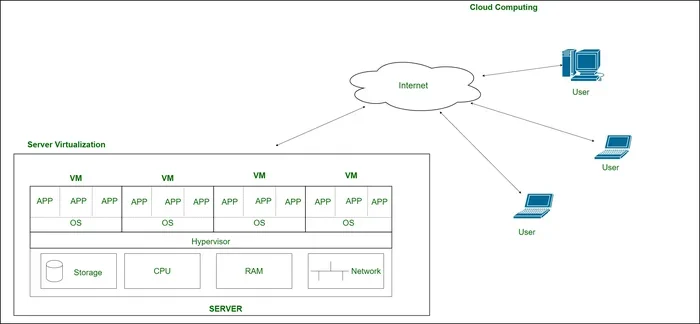
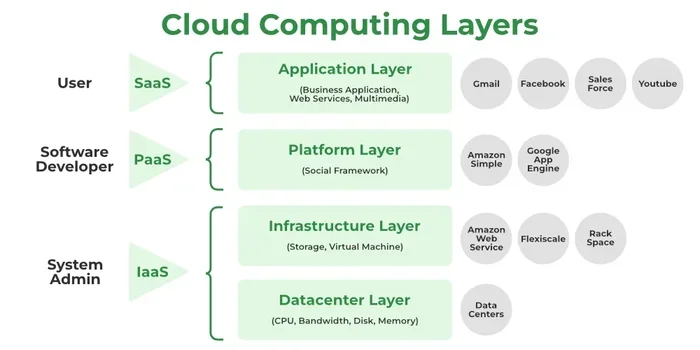
IaaS provides virtualized computing resources over the internet. This includes virtual machines, storage, and networking. With IaaS, businesses can build and manage their own cloud computing architecture without investing in physical hardware.
AWS EC2, Microsoft Azure Virtual Machines, and Google Compute Engine are popular IaaS offerings. These services give businesses full control over their cloud infrastructure while eliminating the need for on-premise servers.
Platform as a Service (PaaS)
PaaS provides a platform for developers to build, test, and deploy applications. It includes operating systems, databases, and development tools. PaaS saves developers from managing the underlying infrastructure, allowing them to focus on writing code.
Google App Engine, AWS Elastic Beanstalk, and Microsoft Azure App Service are examples of PaaS offerings. These platforms are ideal for teams that want to speed up cloud migration and application development.
Software as a Service (SaaS)
SaaS delivers fully functional software applications over the internet. Users access these applications through a web browser without installing anything locally. Popular SaaS products include Salesforce, Microsoft 365, and Google Workspace.
SaaS is one of the most widely adopted cloud computing services in the USA. It is especially popular among small and medium-sized businesses that want ready-to-use software without the complexity of managing infrastructure.
How to Choose the Right Cloud Computing Company
Choosing the right cloud computing companies in USA can feel overwhelming. There are many options, and each has its own strengths. Here are some practical tips to help you make the best decision.
Factors to Consider Before You Decide
Before you commit to a provider, consider these important factors:
- Your business needs: What type of workloads will you run? Do you need simple storage or complex computing power?
- Compliance requirements: Does your industry have specific regulatory requirements? Make sure the provider meets them.
- Support and documentation: How responsive is the provider’s support team? Do they offer detailed guides and tutorials?
- Integration capabilities: Can the cloud platform integrate with your existing tools and systems?
- Performance and uptime: Look for providers with strong service level agreements (SLAs) and proven uptime records.
Pricing Models and Scalability
Different providers use different pricing models. Most offer pay-as-you-go plans, which means you only pay for the resources you consume. Others offer reserved instances at a lower cost for long-term commitments.
Scalability is another critical factor. As your business grows, your cloud needs will change. Choose a provider that can scale with you without requiring a complete overhaul of your cloud computing architecture.
Here is a quick comparison of the pricing and scalability approaches used by the top providers:
- AWS: Pay-as-you-go with a vast marketplace of additional services.
- Microsoft Azure: Flexible pricing with strong enterprise agreements and hybrid options.
- Google Cloud: Competitive pricing with sustained use discounts and custom machine types.
- IBM Cloud: Tailored pricing for enterprise workloads with strong security features.
- Oracle Cloud: Bring Your Own License options for Oracle database users.
Cloud Computing Trends Shaping the Industry in 2024
The world of cloud computing companies in USA is constantly evolving. Staying up to date with the latest trends helps you make smarter technology decisions. Here are the most important trends shaping the industry right now.
Hybrid Cloud and Multi-Cloud Strategies
More businesses are adopting a multi-cloud strategy instead of relying on a single provider. This approach uses multiple cloud platforms to avoid vendor lock-in and optimize costs. A company might use AWS for computing, Google Cloud for analytics, and Microsoft Azure for productivity tools.
Hybrid cloud services are also gaining popularity. This model combines public cloud resources with private cloud infrastructure. It gives businesses the flexibility to keep sensitive data on-premise while leveraging the cloud for less critical workloads.
Artificial Intelligence and Cloud Integration
Artificial intelligence is becoming a core part of cloud computing platforms. All major providers now offer AI and machine learning tools as part of their service catalogs. These tools help businesses analyze data, automate processes, and make smarter decisions.
AWS SageMaker, Azure AI, and Google Vertex AI are leading examples of artificial intelligence cloud services. These platforms make it easier for developers to build and deploy AI models without deep expertise in machine learning.
The integration of AI with cloud infrastructure is one of the most exciting cloud computing trends today. It is opening up new possibilities for businesses across every industry.
Final Thoughts on Cloud Computing Companies in USA
The United States is home to the most advanced and diverse cloud computing companies in USA in the world. From AWS and Microsoft Azure to Google Cloud and IBM, businesses have access to powerful tools that can transform their operations. Each provider offers unique strengths, and the best choice depends on your specific needs, budget, and long-term goals.
As cloud computing trends continue to evolve, staying informed will help you make the best decisions for your organization. Whether you are just starting your cloud migration journey or looking to optimize your existing setup, the right provider can make all the difference.
Take the time to evaluate your options, compare services, and choose a provider that aligns with your business goals. The future of technology is in the cloud, and the right partnership can unlock incredible possibilities for your business.
Frequently Asked Questions
What are the top cloud computing companies in the USA?
The leading cloud computing companies in USA include Amazon Web Services (AWS), Microsoft Azure, Google Cloud Platform, IBM Cloud, and Oracle Cloud. Each provider offers unique strengths, from AWS’s massive service catalog to Google Cloud’s advanced AI tools. The best choice depends on your business needs, budget, and existing technology stack.
How much does cloud computing cost for small businesses?
Cost varies widely based on the provider and the services you use. Most cloud computing companies in USA offer pay-as-you-go pricing, which means small businesses only pay for what they consume. AWS, Google Cloud, and Microsoft Azure all provide free tiers for new users, making it easy to get started without upfront investment.
What is the difference between IaaS, PaaS, and SaaS?
IaaS (Infrastructure as a Service) provides virtualized computing resources like servers and storage. PaaS (Platform as a Service) offers a development environment for building applications. SaaS (Software as a Service) delivers ready-to-use software over the internet. All three are core cloud computing services offered by major providers.
How do I migrate my business to the cloud?
Cloud migration involves moving your data, applications, and workloads from on-premise servers to a cloud platform. Start by assessing your current infrastructure and identifying which workloads make sense for the cloud. Choose a provider that offers strong support and migration tools, and plan the transition in phases to minimize disruption.
Which cloud provider is best for small businesses?
AWS and Microsoft Azure are excellent choices for small businesses due to their free tiers, extensive documentation, and scalable pricing. Google Cloud is also a strong option with competitive pricing and user-friendly tools. Evaluate your specific needs, such as storage, computing power, and budget, before making a decision.
What should I look for when choosing a cloud computing company?
Consider factors like pricing models, scalability, security certifications, compliance requirements, and the quality of customer support. It is also important to check whether the provider supports hybrid cloud services or a multi-cloud strategy if you plan to use multiple platforms. Reading reviews and comparing SLAs can also help you make a confident choice.