Best Online Cloud Computing Courses for Career Growth
Online cloud computing courses offer a fast and affordable path to high-demand tech careers. Whether you are a beginner or an experienced IT pro, the right course can open doors to roles like cloud architect, cloud engineer, and DevOps specialist. This guide covers the best platforms, top certifications, and practical tips to help you choose the perfect online cloud computing courses for your goals.
Online cloud computing courses have become one of the most popular ways to break into or advance in the tech industry. The demand for cloud professionals continues to grow at a remarkable pace. Companies of all sizes are moving their operations to the cloud, and they need skilled people to manage that transition.
If you have been thinking about learning cloud computing, now is the perfect time. The internet is full of options, from free introductory classes to comprehensive certification programs. But with so many choices, how do you pick the right path? This guide walks you through everything you need to know about online cloud computing courses. We will cover the best platforms, top certifications, and practical tips to help you make smart decisions.
Whether you want to become a cloud engineer, a cloud architect, or simply add cloud skills to your resume, this article has you covered. Let us dive in and explore the world of cloud training online.
Key Takeaways
- Flexible Learning: You can study cloud computing from anywhere at your own pace, making it ideal for working professionals.
- High Demand: Cloud skills are among the most sought-after in the tech industry, with roles growing every year.
- Multiple Platforms: AWS, Microsoft Azure, Google Cloud, and others offer powerful training paths through online courses.
- Certification Matters: Earning a recognized cloud certification can significantly increase your salary and job prospects.
- Beginner-Friendly Options Exist: You do not need prior experience to start learning cloud computing basics online.
- Hands-On Practice Is Key: The best courses include labs, projects, and real-world scenarios to build practical skills.
📑 Table of Contents
- Why Online Cloud Computing Courses Matter for Your Career
- Top Platforms Offering Cloud Computing Courses Online
- Best Cloud Computing Courses for Beginners
- Advanced Online Cloud Computing Courses for Experienced Professionals
- How to Choose the Right Cloud Computing Course for You
- How Online Cloud Computing Courses Can Boost Your Salary
- Common Mistakes to Avoid When Learning Cloud Computing Online
- Expert Tips for Succeeding in Online Cloud Learning
- Key Takeaways
- Conclusion
Why Online Cloud Computing Courses Matter for Your Career
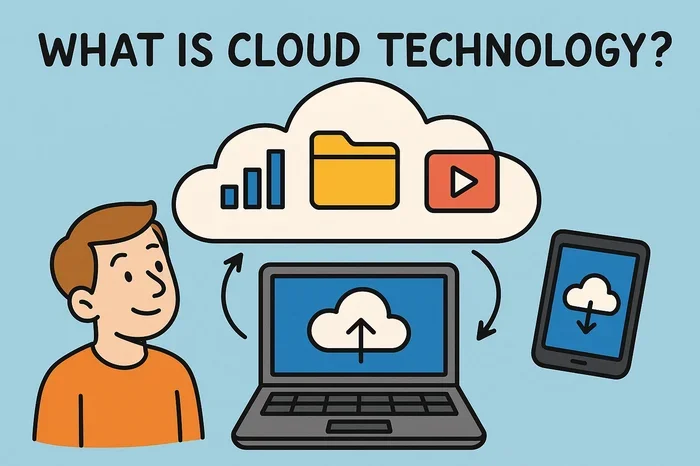
The way businesses store and manage data has changed dramatically. Cloud computing is now the backbone of modern IT infrastructure. From small startups to global enterprises, every organization relies on cloud services to run their operations smoothly.
This shift has created a massive need for trained professionals. According to industry reports, cloud computing jobs are growing much faster than most other tech roles. Companies are actively hiring people with skills in platforms like Amazon Web Services, Microsoft Azure, and Google Cloud Platform.
Here is why investing in online cloud computing courses makes sense:
- Remote-Friendly Careers: Cloud roles are often fully remote, giving you location flexibility.
- Competitive Salaries: Cloud professionals earn some of the highest salaries in the IT sector.
- Job Security: As more businesses move to the cloud, the need for skilled workers only increases.
- Career Switching: You can transition from other IT roles into cloud computing with the right training.
- Continuous Learning: The cloud landscape evolves constantly, and ongoing education keeps you relevant.
Traditional classroom learning has its benefits, but online courses offer unmatched convenience. You can study from home, at work, or even during your commute. This flexibility makes it easier to upskill without quitting your current job.
The Growing Need for Cloud Skills
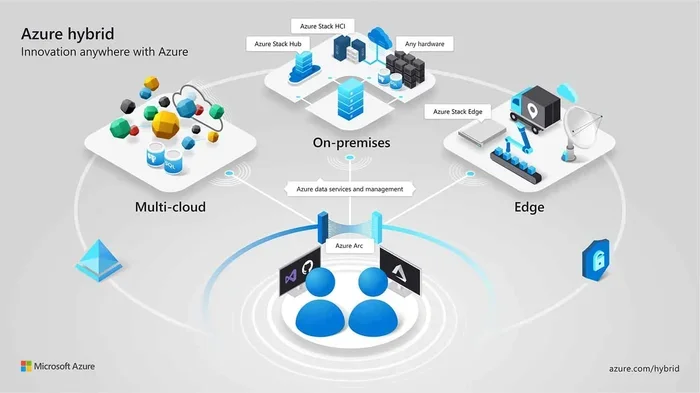
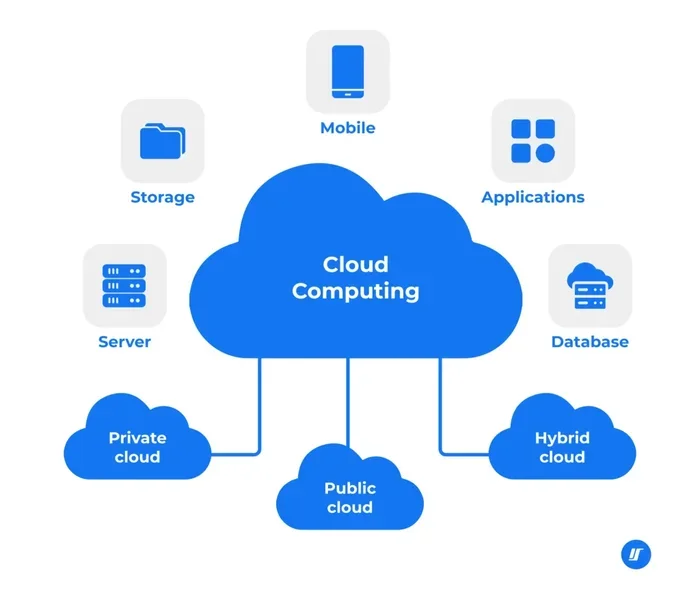
Cloud adoption is not slowing down. In fact, it is accelerating every year. More companies are adopting hybrid cloud and multi-cloud strategies. This means they use multiple cloud providers together to get the best results.
With this trend comes a wider range of job opportunities. You might find roles like cloud support associate, cloud developer, cloud security specialist, or solutions architect. Each of these positions requires a solid understanding of cloud computing fundamentals. And the best way to build that foundation is through structured cloud computing training online.
Top Platforms Offering Cloud Computing Courses Online
Not all online learning platforms are created equal. Some specialize in cloud computing, while others offer it as part of a broader catalog. Here are the top platforms where you can find high-quality online cloud computing courses.
AWS Training and Certification
Amazon Web Services is the largest cloud provider in the world. AWS offers its own training platform with courses for every skill level. From the AWS Cloud Practitioner exam to the advanced Solutions Architect certification, there is a clear learning path.
AWS training includes free digital courses, paid instructor-led classes, and hands-on labs. The AWS Skill Builder platform lets you track your progress and earn badges as you learn. Many employers recognize AWS certifications as a strong indicator of cloud expertise.
Microsoft Learn for Azure
Microsoft Azure is the second-largest cloud platform. Microsoft Learn provides free, structured learning paths for Azure services. You can find modules on virtual machines, storage, networking, and security.
Microsoft also offers role-based learning paths. For example, you can follow the Azure Administrator path or the Azure Developer path. These paths align with specific Azure certifications. Completing them gives you both knowledge and a credential that employers value.
Google Cloud Skills Boost
Google Cloud Platform (GCP) has its own training arm called Google Cloud Skills Boost. This platform offers labs, quizzes, and learning paths for GCP services. You can earn Google Cloud certifications that validate your skills in areas like data engineering and cloud architecture.
Google Cloud is especially strong in data analytics and machine learning. If those areas interest you, GCP courses may be a great fit. The platform also offers free credits for hands-on practice, which is a huge advantage for learners.
Other Popular Learning Platforms
Beyond the big three cloud providers, several other platforms offer excellent cloud courses:
- Coursera: Partners with universities and companies to offer cloud computing specializations.
- Udemy: Has a wide range of affordable courses on AWS, Azure, and GCP.
- LinkedIn Learning: Offers structured learning paths with certificates you can add to your profile.
- Pluralsight: Known for deep technical content, including advanced cloud architecture topics.
- A Cloud Guru: Focuses entirely on cloud certification prep with practice exams and labs.
Each platform has its strengths. The best choice depends on your learning style, budget, and career goals.
Best Cloud Computing Courses for Beginners
If you are new to cloud computing, starting with the basics is essential. You do not need a computer science degree to begin. Many beginners come from non-tech backgrounds and build successful cloud careers through dedicated learning.
Here are some of the best beginner-friendly online cloud computing courses:
AWS Cloud Practitioner Essentials
This free course from AWS is the ideal starting point. It covers cloud computing basics, core AWS services, and security concepts. The course is designed for people with no prior cloud experience. Completing it prepares you for the AWS Cloud Practitioner exam.
Many learners finish this course in just a few days. It gives you a solid foundation and a credential that looks great on your resume.
Microsoft Azure Fundamentals (AZ-900)
The AZ-900 certification is Microsoft’s entry-level cloud exam. Microsoft Learn offers a free learning path that covers cloud concepts, Azure services, and pricing. The course includes interactive modules and knowledge checks to reinforce your learning.
AZ-900 is widely recognized and respected by employers. It is an excellent way to prove your cloud literacy even before diving into advanced topics.
Google Cloud Digital Leader
The Google Cloud Digital Leader certification focuses on cloud fundamentals and business value. It is perfect for beginners who want to understand how cloud computing drives business outcomes. The course is available through Google Cloud Skills Boost.
This certification is especially valuable if you are interested in the business side of cloud computing. It shows that you understand both the technology and its strategic importance.
Cloud Computing Basics on Coursera
Coursera offers a specialization called “Cloud Computing Basics” developed by IBM. This program covers virtualization, cloud deployment models, and key cloud services. It includes hands-on labs using IBM Cloud, giving you practical experience from day one.
The specialization takes about four weeks to complete if you study a few hours each week. It is one of the most well-structured beginner programs available online.
Advanced Online Cloud Computing Courses for Experienced Professionals
Once you have mastered the basics, it is time to level up. Advanced online cloud computing courses dive deeper into specialized areas like cloud architecture, security, and DevOps practices.
AWS Solutions Architect Professional
The AWS Solutions Architect Professional certification is one of the most respected credentials in the cloud industry. The associated training covers advanced architecture patterns, migration strategies, and multi-region deployments.
This course is best suited for professionals with at least one to two years of hands-on AWS experience. It prepares you for real-world architectural challenges that enterprises face every day.
Azure Solutions Architect Expert (AZ-305)
The AZ-305 exam validates your ability to design Azure solutions that meet business requirements. The training covers topics like identity management, data storage, and infrastructure optimization.
Many cloud architects hold this certification. It signals to employers that you can design and implement complex cloud solutions at scale.
Google Cloud Professional Cloud Architect
This certification focuses on designing, developing, and managing robust cloud solutions on GCP. The course covers machine learning integration, data processing, and cost optimization strategies.
Google Cloud is known for its innovation in data and AI. If you want to work at the intersection of cloud computing and machine learning, this certification is a strong choice.
DevOps and Cloud-Native Training
DevOps and cloud computing go hand in hand. Many advanced courses combine cloud skills with DevOps practices like continuous integration and continuous deployment (CI/CD). Platforms like A Cloud Guru and Pluralsight offer excellent DevOps + cloud learning paths.
Learning DevOps alongside cloud skills makes you a more versatile professional. Employers value candidates who can both design cloud architectures and automate their deployment.
How to Choose the Right Cloud Computing Course for You
With so many options available, choosing the right online cloud computing courses can feel overwhelming. Here are some practical tips to help you make the best decision.
Define Your Career Goals
Start by asking yourself what you want to achieve. Are you looking for your first cloud job? Do you want to specialize in cloud security? Or are you aiming for a leadership role like cloud architect?
Your goals will determine which certification and training path makes the most sense. A beginner should start with foundational courses, while an experienced professional might go straight for expert-level certifications.
Consider Your Current Skill Level
Be honest about where you stand. If you have never worked with cloud services before, look for courses that start from zero. If you already use cloud platforms at work, you might benefit from advanced or specialized courses.
Most platforms offer skill assessments or free introductory courses. Use these to gauge your level before committing to a paid program.
Check for Hands-On Labs
Theoretical knowledge is important, but hands-on practice is what really builds your skills. Look for courses that include real labs, sandbox environments, or capstone projects.
Hands-on experience is especially important for cloud computing. You need to be comfortable navigating cloud consoles, setting up services, and troubleshooting issues. The best cloud computing courses give you plenty of opportunities to practice in real environments.
Read Reviews and Check Completion Rates
Before enrolling in any course, read reviews from other learners. Look for feedback on course quality, instructor support, and the value of the certificate. Pay attention to completion rates, as high dropout rates can indicate a poorly structured course.
Think About Cost and Time Commitment
Online courses range from completely free to several thousand dollars. Set a budget and look for options that fit within it. Many platforms offer free trials or money-back guarantees, so you can test a course before committing.
Also consider the time commitment. Some courses are self-paced, while others follow a fixed schedule. Choose a format that works with your lifestyle and other responsibilities.
Look for Industry-Recognized Certifications
A course certificate from a well-known platform carries more weight than one from an unknown source. AWS, Microsoft, and Google certifications are recognized worldwide. They can make a real difference in your job search and salary negotiations.
Pairing a certification with a structured learning path gives you the best of both worlds: knowledge and a credential that proves it.
How Online Cloud Computing Courses Can Boost Your Salary
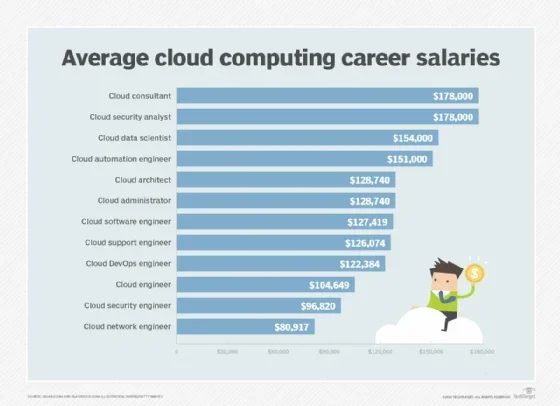
One of the biggest motivators for pursuing online cloud computing courses is the potential for higher earnings. Cloud professionals are among the highest-paid IT workers in the world.
According to industry data, cloud engineers earn significantly more than general IT professionals. Cloud architects and DevOps engineers with cloud certifications often command even higher salaries. The exact numbers vary by location, experience, and specific platform expertise.
Here are some factors that influence cloud computing salaries:
- Certification Level: Professional and expert-level certifications typically lead to higher pay than foundational ones.
- Platform Expertise: Specializing in a specific cloud platform like AWS or Azure can increase your market value.
- Years of Experience: More experience combined with cloud skills leads to senior-level roles and higher compensation.
- Industry: Finance, healthcare, and tech companies often pay premium salaries for cloud talent.
- Location: Remote roles can offer competitive pay regardless of where you live.
The return on investment for cloud computing training is impressive. Many courses cost a few hundred dollars, but the salary boost they enable can be tens of thousands of dollars per year. It is one of the most cost-effective career investments you can make.
Real-World Success Stories
Many professionals have transformed their careers through online cloud courses. Some have gone from non-IT roles to cloud engineering positions within a year. Others have used cloud certifications to qualify for promotions and leadership roles at their current companies.
The key is consistency. Completing a course is just the first step. Applying what you learn on the job or through personal projects is what truly sets you apart. Employers look for candidates who can demonstrate practical cloud skills, not just theoretical knowledge.
Common Mistakes to Avoid When Learning Cloud Computing Online
While online cloud computing courses are incredibly effective, there are some common pitfalls you should avoid.
Skipping the Fundamentals
It is tempting to jump straight into advanced topics, but skipping the basics is a mistake. Cloud computing fundamentals like virtualization, networking, and security are the foundation for everything else. Take the time to understand these concepts thoroughly before moving on.
Relying Only on Videos
Watching video courses is helpful, but it is not enough on its own. You need to practice what you learn. Set up free-tier accounts on AWS, Azure, or GCP and start building real projects. The hands-on experience will reinforce your learning and build your confidence.
Ignoring Practice Exams
If your goal is certification, practice exams are essential. They help you understand the exam format, identify weak areas, and build test-taking confidence. Many platforms include practice exams with their courses, so make sure you use them.
Getting Certifications Without Understanding the Concepts
It is easy to memorize answers for practice exams without truly understanding the material. This approach will hurt you in real-world job situations. Focus on deep understanding rather than just passing tests. Employers value practical knowledge over certificate collections.
Not Keeping Up with Updates
Cloud platforms evolve rapidly. New services are launched regularly, and existing services get updated. Once you earn a certification, continue learning to stay current. The best cloud professionals are lifelong learners who stay curious and adaptable.
Expert Tips for Succeeding in Online Cloud Learning
Learning cloud computing online requires discipline and strategy. Here are some expert tips to help you get the most out of your online cloud computing courses.
- Set a Study Schedule: Dedicate specific time each day or week to your learning. Consistency beats intensity.
- Join Online Communities: Forums like Reddit’s r/aws and r/azure are great places to ask questions and share experiences.
- Build a Portfolio: Create projects that showcase your cloud skills. A strong portfolio can impress employers more than a certificate alone.
- Network with Other Learners: Study groups and online communities provide motivation and valuable connections.
- Apply What You Learn: If you currently work in IT, look for opportunities to use cloud services in your daily tasks.
- Stay Curious: Explore beyond your course materials. Read blogs, watch webinars, and experiment with new services.
Following these tips will help you stay on track and make meaningful progress. Remember, learning cloud computing is a journey, not a sprint. Give yourself grace and celebrate small wins along the way.
Key Takeaways
- High Demand for Cloud Skills: Cloud computing jobs are growing rapidly, making it one of the smartest career moves you can make.
- Multiple Entry Points: Whether you are a complete beginner or an experienced IT pro, there is an online cloud computing course for you.
- Top Platforms Deliver Quality Training: AWS, Microsoft, Google, and third-party platforms like Coursera and Udemy offer excellent learning paths.
- Certifications Drive Career Growth: Earning recognized cloud certifications can boost your salary and open new job opportunities.
- Hands-On Practice Is Essential: The best courses include labs and projects that build real-world skills.
- Avoid Common Pitfalls: Do not skip fundamentals, ignore practice exams, or rely solely on passive learning.
- Start Today: The sooner you begin, the sooner you can reap the rewards of a cloud computing career.
Conclusion
Online cloud computing courses are one of the most powerful tools you can use to grow your career in tech. The cloud industry is booming, and the demand for skilled professionals shows no signs of slowing down. Whether you are just starting out or looking to level up your existing career, the right course can make all the difference.
The key is to choose a learning path that matches your goals, stick with it consistently, and prioritize hands-on practice. Start with foundational courses, earn recognized certifications, and keep building your skills over time. The investment you make in cloud computing training today will pay dividends for years to come.
So what are you waiting for? Pick a platform, choose a course, and take the first step toward a rewarding career in cloud computing. The future of tech is in the cloud, and your journey starts now.
Frequently Asked Questions
What are the best online cloud computing courses for beginners?
Some of the best beginner courses include AWS Cloud Practitioner Essentials, Microsoft Azure Fundamentals (AZ-900), and the Google Cloud Digital Leader certification. These courses cover cloud basics and prepare you for entry-level certifications that employers recognize and value.
How long does it take to complete an online cloud computing course?
The timeline varies depending on the course depth and your schedule. Beginner courses can be completed in a few weeks, while advanced certification paths may take three to six months. Most learners study a few hours per week and finish within two to four months.
Do online cloud computing courses really help you get a job?
Yes, they absolutely do. Many employers value cloud certifications and the skills they demonstrate. Completing a recognized online cloud computing courses program and earning a certification can significantly improve your chances of landing a cloud-related job or earning a promotion.
Is it necessary to have prior IT experience before taking cloud courses?
No, it is not necessary. Many beginner courses are designed for people with no prior IT background. However, having basic computer skills and a general understanding of networking can make the learning process smoother and more enjoyable.
Which cloud platform should I learn first?
AWS is the most widely adopted cloud platform and a great place to start. Microsoft Azure is the second-largest and is especially popular in enterprise environments. Google Cloud is excellent for data and machine learning. Choose based on the job market in your area and your career interests.
How much do cloud computing courses cost?
Costs vary widely. Many platforms offer free introductory courses and learning paths. Paid courses and certification exams typically range from $100 to $1,000 or more. Some employers offer tuition reimbursement for cloud training, so it is worth checking with your HR department.