Essential Characteristics of Cloud Computing Explained
The essential characteristics of cloud computing form the foundation of how modern businesses operate online. These five core traits — on-demand self-service, broad network access, resource pooling, rapid elasticity, and measured service — define every reliable cloud platform. Understanding these features helps you choose the right cloud solutions for your needs.
Key Takeaways
- Five Core Traits: The essential characteristics of cloud computing include on-demand self-service, broad network access, resource pooling, rapid elasticity, and measured service.
- On-Demand Power: Users can provision resources instantly without waiting for IT teams or going through lengthy approval processes.
- Anywhere Access: Broad network access lets teams work from any device, any location, using standard internet connections.
- Shared Efficiency: Resource pooling through multi-tenancy delivers cost savings and better hardware utilization for providers and customers alike.
- Scale on Demand: Rapid elasticity ensures your cloud infrastructure grows or shrinks automatically based on real-time traffic and usage.
- Pay for What You Use: Measured service brings transparency and control, powering the popular pay-as-you-go pricing model.
- Together They Matter: All five characteristics work as a system. A true cloud platform delivers on every trait consistently.
📑 Table of Contents
- What Are the Essential Characteristics of Cloud Computing?
- On-Demand Self-Service: Power at Your Fingertips
- Broad Network Access: Cloud From Anywhere
- Resource Pooling: Shared Infrastructure Done Right
- Rapid Elasticity: Scale When You Need To
- Measured Service: Transparency and Control
- How These Characteristics Work Together
- Final Thoughts: Why These Characteristics Matter
What Are the Essential Characteristics of Cloud Computing?
The essential characteristics of cloud computing are the building blocks that make cloud technology work. These traits define how cloud platforms operate and why they have become the backbone of modern IT. Without these core features, cloud services would not be reliable, flexible, or cost-effective.
The National Institute of Standards and Technology, or NIST, identified five key characteristics that every true cloud environment must have. These include on-demand self-service, broad network access, resource pooling, rapid elasticity, and measured service. Together, these traits create a powerful system that businesses of all sizes can rely on. Whether you are a startup or a large enterprise, understanding these features helps you make smarter technology decisions.
Cloud computing has transformed the way we store data, run applications, and manage infrastructure. Instead of relying on physical servers in a local data center, organizations now use virtual servers hosted in remote data centers. This shift brings incredible benefits like scalability, flexibility, and cost savings. But the magic only works when all the essential characteristics are present and working together.
Why These Five Traits Matter
Each of the five traits plays a specific role in making cloud computing useful. On-demand self-service lets users access resources without waiting for IT teams. Broad network access means you can connect from anywhere using any device. Resource pooling allows providers to serve many customers efficiently. Rapid elasticity ensures your system can grow or shrink on demand. Measured service gives you transparency and control over costs.
When these traits work together, they create what is often called utility computing. Think of it like electricity. You plug in your device, use the power, and pay for what you consume. Cloud computing works the same way. You access the resources you need, use them, and pay based on actual usage. This model has made cloud infrastructure the preferred choice for modern businesses around the world.
On-Demand Self-Service: Power at Your Fingertips
On-demand self-service is one of the most important essential characteristics of cloud computing. It means users can provision computing resources without requiring human interaction with each service provider. In simple terms, you can set up virtual servers, storage, or network resources all by yourself through a web portal.
What Does On-Demand Self-Service Mean?
Before cloud computing, getting new IT resources meant filling out forms, waiting for approvals, and working with IT administrators. This process could take days or even weeks. On-demand self-service eliminates that delay. You log into your cloud dashboard, choose the resources you need, and they are ready in minutes.
This capability is a game-changer for development teams. Developers can spin up test environments instantly without asking anyone for permission. They can experiment, build, and deploy faster than ever before. This speed accelerates innovation and helps companies stay competitive in fast-moving markets.
Cloud service providers make this possible through automated provisioning. The entire process happens behind the scenes. You simply select your desired configuration, click a button, and the system creates your resources. No phone calls, no tickets, no waiting.
Real-World Example
Imagine a small e-commerce company preparing for a holiday sale. With on-demand self-service, the team can quickly add more virtual servers to handle the expected traffic spike. They do not need to call their hosting provider or wait for a procurement process. The resources are available immediately, and they can scale back down after the sale ends.
This kind of agility was impossible in traditional IT environments. Companies had to over-provision hardware to handle peak loads, which meant wasted resources and higher costs. On-demand self-service fixes this problem completely. It gives teams the freedom to respond to changing needs in real time.
Broad Network Access: Cloud From Anywhere
Broad network access is another critical trait of the essential characteristics of cloud computing. It means cloud services are available over the network and can be accessed through standard mechanisms. These include mobile phones, tablets, laptops, and desktop computers. Anyone with an internet connection can reach cloud resources from anywhere in the world.
How Network Access Works
Cloud platforms use the internet to deliver services to users. This is different from traditional private networks that required physical connections. With broad network access, your cloud infrastructure is not tied to a specific location or device. You can manage your cloud storage, launch virtual servers, or monitor applications from a coffee shop, a home office, or a conference room.
This accessibility has become even more important with the rise of remote work. Teams spread across different cities and countries need to collaborate on the same platforms. Cloud computing makes this possible by providing universal access to shared resources and tools. Whether your team uses Windows, macOS, iOS, or Android, the cloud works for everyone.
Why This Matters for Teams
Broad network access supports collaboration in powerful ways. Team members can access the same data, applications, and development environments regardless of their physical location. This leads to better productivity and faster decision-making across organizations.
Security is also built into this access model. Cloud providers use encryption, identity management, and access controls to protect data. So even though services are available over public networks, they remain secure and private. This balance of accessibility and security is one of the reasons cloud deployment has become so popular among businesses of all sizes.
For organizations adopting cloud services, broad network access also simplifies compliance. Centralized access controls and audit logs make it easier to track who is using what resources and when. This visibility is essential for maintaining strong security posture across distributed teams.
Resource Pooling: Shared Infrastructure Done Right
Resource pooling is a fundamental characteristic that sets cloud computing apart from traditional hosting. It means the provider’s computing resources are pooled together to serve multiple consumers using a multi-tenant model. Different physical and virtual resources are dynamically assigned and reassigned according to consumer demand.
The Concept of Multi-Tenancy
Multi-tenancy is the architecture behind resource pooling. In a multi-tenant environment, multiple customers share the same physical infrastructure. However, each customer’s data and applications remain isolated and secure. Think of it like apartments in a building. Everyone shares the same structure, but each unit is private and separate.
This model allows cloud providers to use their hardware more efficiently. Instead of dedicating servers to a single customer, providers can allocate resources dynamically. When one customer needs less capacity, those resources can be reassigned to another customer who needs them more. This is called shared resources, and it is a key reason why cloud services are so cost-effective.
Benefits of Resource Pooling
Resource pooling offers several advantages for both providers and customers:
- Cost efficiency: Sharing infrastructure reduces the cost per user significantly.
- Better utilization: Resources are used more effectively, reducing waste across the data center.
- Scalability: The pooled resources can grow or shrink as customer demand changes.
- Faster deployment: New customers can be onboarded quickly without dedicated hardware setup.
For customers, resource pooling means access to enterprise-grade infrastructure without the massive upfront investment. Small businesses can use the same powerful cloud infrastructure that large corporations use. This levels the playing field and drives innovation across industries. It is one of the most transformative aspects of internet-based computing.
Rapid Elasticity: Scale When You Need To
Rapid elasticity is one of the most exciting essential characteristics of cloud computing. It refers to the ability to scale resources outward and inward automatically as demand changes. This capability ensures that your cloud infrastructure can handle traffic spikes without manual intervention or downtime.
What Is Rapid Elasticity?
In traditional IT, scaling up means buying new servers, installing them, and configuring them. This process takes weeks or even months. Rapid elasticity makes it happen in seconds or minutes. Cloud platforms can automatically add more virtual servers during high-demand periods and remove them when demand drops.
This is sometimes called auto-scaling or elastic scaling. The system monitors usage patterns and adjusts capacity in real time. You get the resources you need exactly when you need them, and you do not pay for idle capacity during quiet periods. This dynamic approach to scalability is what makes cloud services so attractive compared to fixed on-premises infrastructure.
Elasticity in Practice
Consider a streaming service that experiences heavy traffic during evening hours. With rapid elasticity, the platform automatically provisions additional cloud services to handle the load. By morning, when traffic decreases, the extra resources are released back to the pool. The company pays only for the resources used during peak hours.
This is where the pay-as-you-go model shines. Elasticity combined with measured service gives businesses complete control over their cloud spending. There is no need to predict traffic months in advance or maintain expensive idle infrastructure sitting unused during off-peak hours.
Rapid elasticity also supports business continuity. If a server fails, the system can automatically spin up a replacement from the pooled resources. This redundancy makes cloud environments highly resilient and reliable. Your applications stay online even when individual components fail, which is critical for operations that depend on uptime.
Measured Service: Transparency and Control
Measured service is the final trait in the essential characteristics of cloud computing. It refers to cloud systems that automatically control and optimize resource use by leveraging a metering capability. Resource usage can be monitored, controlled, and reported, providing transparency for both the provider and the consumer.
How Measured Service Works
Every action in the cloud is tracked. When you use a virtual server, store data in cloud storage, or transfer network traffic, it is measured. These measurements are recorded and used for billing, monitoring, and capacity planning. This level of transparency is a huge advantage. You always know exactly what you are using and what it costs.
There are no surprise bills or hidden fees. The measured service model brings the clarity of utility computing to the digital world. Both the provider and the consumer benefit from this visibility. Providers can optimize their data center operations, and consumers can make informed decisions about their resource usage.
The Pay-As-You-Go Model
Measured service is the engine behind the pay-as-you-go pricing model. You pay only for the resources you actually consume. This is a massive shift from traditional IT, where companies had to buy hardware upfront regardless of whether they used it fully.
With pay-as-you-go, costs align directly with usage. A company that experiences low traffic in January will pay less than in December during peak season. This financial flexibility makes cloud computing attractive for businesses of all sizes, especially startups and small businesses that need to manage cash flow carefully.
Measured service also helps with budgeting and forecasting. Because usage data is available in real time, finance teams can predict future costs more accurately. This data-driven approach improves financial planning and helps organizations optimize their cloud spending over time. It turns IT from a fixed cost into a variable cost that scales with your business.
How These Characteristics Work Together
The five essential characteristics of cloud computing do not work in isolation. They are deeply interconnected and reinforce each other. On-demand self-service depends on broad network access to deliver resources to users. Resource pooling enables rapid elasticity by providing a flexible pool of shared resources. Measured service tracks everything that happens across the entire system.
Together, these traits create a cloud environment that is agile, cost-effective, and scalable. Cloud deployment becomes simpler and more efficient when all five characteristics are present. This is why NIST’s definition remains the gold standard for evaluating cloud services. Any platform that claims to offer cloud services should deliver on all five traits consistently.
When choosing a cloud provider, businesses should verify that each characteristic is fully supported. Some providers may excel in certain areas but fall short in others. A true cloud platform delivers on every single trait without exception. This is the difference between genuine cloud infrastructure and basic hosting dressed up as cloud.
Understanding these characteristics also helps teams communicate better with stakeholders. When you can explain how on-demand self-service speeds up development or how resource pooling reduces costs, you build a stronger case for cloud adoption. These concepts translate directly into business value and return on investment.
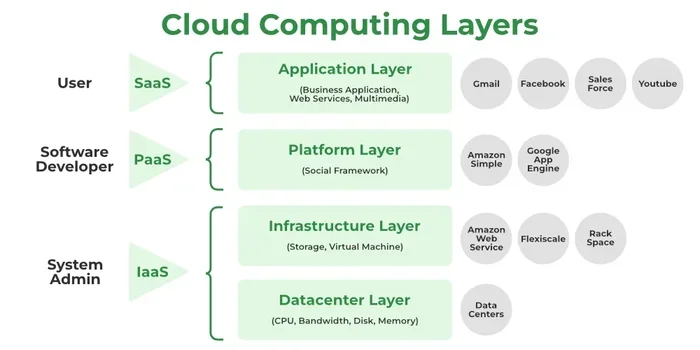
The cloud computing models — including Infrastructure as a Service, Platform as a Service, and Software as a Service — all rely on these core characteristics. Whether you are using cloud storage for backups, running applications on virtual servers, or deploying entire cloud infrastructure, these traits remain the foundation. They are what separate true cloud computing from traditional hosting.
Final Thoughts: Why These Characteristics Matter
The essential characteristics of cloud computing are not just technical details. They represent a fundamental shift in how organizations approach technology. By embracing on-demand self-service, broad network access, resource pooling, rapid elasticity, and measured service, businesses unlock new levels of efficiency and innovation.
These traits make cloud infrastructure more accessible, affordable, and adaptable than traditional IT ever could be. They empower small startups and global enterprises alike to compete in a fast-moving digital landscape. As cloud services continue to evolve, these core characteristics will remain the guiding principles that define what true cloud computing looks like.
If you are evaluating cloud options for your organization, use these five characteristics as your checklist. Any platform that delivers on all five is a strong candidate. The result will be a more agile, cost-effective, and future-ready IT environment that supports your business goals for years to come.
Frequently Asked Questions
What are the five essential characteristics of cloud computing?
The five essential characteristics of cloud computing identified by NIST are on-demand self-service, broad network access, resource pooling, rapid elasticity, and measured service. Together, these traits define how cloud platforms operate and deliver value to users.
Why is on-demand self-service important in cloud computing?
On-demand self-service allows users to provision computing resources instantly without waiting for IT teams or going through manual approval processes. This speed enables faster development, testing, and deployment, which is critical for businesses that need to stay competitive.
How does resource pooling benefit small businesses?
Resource pooling gives small businesses access to enterprise-grade infrastructure without the massive upfront investment. By sharing resources through a multi-tenant model, small companies get the same powerful cloud services as large corporations at a fraction of the cost.
What is the difference between rapid elasticity and scalability?
Rapid elasticity refers to the automatic, real-time scaling of resources up or down based on demand. Scalability is a broader concept that includes the ability to grow capacity over time. Elasticity is a specific feature enabled by the cloud’s resource pooling and automated provisioning capabilities.
How does measured service affect cloud costs?
Measured service enables the pay-as-you-go pricing model by tracking exact resource usage. This means you only pay for what you consume, which eliminates wasted spending on idle resources and provides full transparency into your cloud costs.
Can a hosting provider be considered a true cloud service without all five characteristics?
No. A true cloud service must deliver all five essential characteristics of cloud computing consistently. Providers that only offer some of these traits may be providing traditional hosting rather than genuine cloud computing. Always verify all five traits when evaluating cloud platforms.