The Ultimate Guide to Data Management in Cloud Computing
Data management in cloud computing is how businesses store, organize, protect, and use their data on remote servers instead of local machines. This guide covers everything you need to know, from core components and best practices to common challenges and future trends. You will learn practical tips to improve your data strategy, boost security, and save money in the cloud.
Every day, businesses generate massive amounts of data. Customer records, sales transactions, social media posts, sensor readings — the list goes on. Storing and managing all of this information can feel overwhelming. That is where data management in cloud computing comes in.
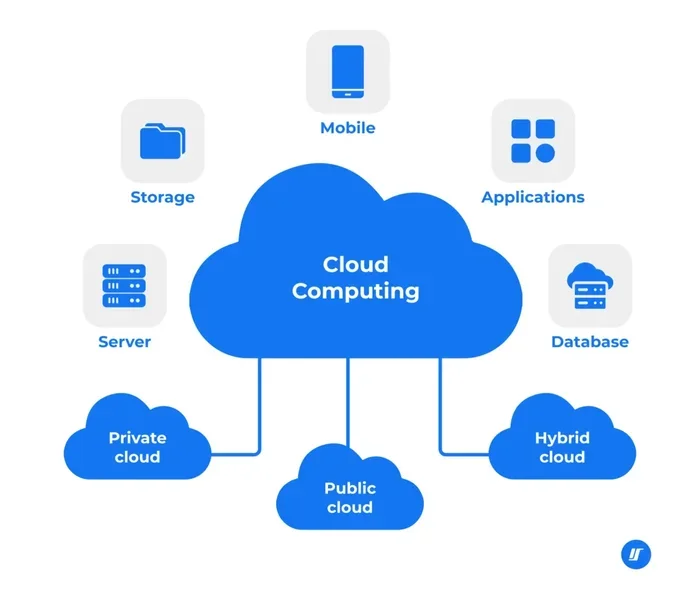
Instead of relying on physical hard drives and on-site servers, cloud computing lets you store and process data on remote servers managed by providers like AWS, Microsoft Azure, and Google Cloud. This approach offers flexibility, scalability, and cost savings that traditional methods simply cannot match.
In this guide, we will walk you through everything you need to know about managing data in the cloud. We will cover the basics, explore best practices, discuss common challenges, and look at what the future holds. Whether you are a small business owner or an IT professional, this guide has something valuable for you.
Key Takeaways
- Cloud data management lets businesses scale storage and computing power without buying expensive hardware.
- Strong data security and compliance measures are essential for protecting sensitive information in the cloud.
- Using a multi-cloud strategy can reduce costs and improve reliability across different platforms.
- Automation and AI tools make data integration and data analytics faster and more accurate.
- Regular data backup and disaster recovery plans prevent data loss during outages or cyber attacks.
- Data governance frameworks help teams track, classify, and control access to cloud data effectively.
- Future trends like edge computing and serverless architectures will reshape how we manage data in the cloud.
📑 Table of Contents
What Is Data Management in Cloud Computing?
Data management in cloud computing refers to the processes, tools, and policies used to collect, store, organize, protect, and analyze data hosted on cloud platforms. It replaces the old-school way of keeping everything on local servers and hard drives.
Think of it this way. Imagine your data is a huge library. In the traditional model, you had to build your own building, hire security guards, and manage the bookshelves. With cloud-based data management, you rent a perfectly organized, secure, and expandable library — and someone else handles the maintenance.
Core Components of Cloud Data Management
Several key elements make up a solid cloud data management setup:
- Data Storage: This includes object storage, block storage, and file storage services offered by cloud providers.
- Data Integration: Tools that pull data from different sources and combine it into a single, unified view.
- Data Processing: Systems that clean, transform, and analyze data in real time or on a schedule.
- Data Security: Encryption, access controls, and monitoring tools that protect your information.
- Data Governance: Policies and frameworks that define who can access what data and under what conditions.
Each of these components plays a vital role. When they work together, your cloud infrastructure becomes a powerful engine for growth and insight.
Why Businesses Are Moving Data to the Cloud
The shift to cloud-based data management is not just a trend. It is a strategic move driven by real business needs. Here is why so many organizations are making the switch.
Scalability and Flexibility
With on-premises systems, scaling up means buying new servers, setting them up, and hoping they are enough. Cloud computing lets you scale up or down in minutes. Need more storage space for a holiday sales surge? Just adjust your plan. The cloud platform handles the rest.
Cost Efficiency
Running a data center is expensive. You pay for electricity, cooling, hardware replacements, and IT staff. Cloud data management shifts you from a capital expense model to an operational one. You pay only for what you use, which makes budgeting much easier.
Disaster Recovery and Data Backup
Hard drives fail. Fires happen. Power outages strike. In the cloud, your data is replicated across multiple geographic locations. This means data recovery is faster and more reliable. Most cloud providers offer built-in backup and disaster recovery tools that would cost a fortune to replicate on your own.
Collaboration and Accessibility
Cloud-based systems let teams access data from anywhere in the world. Remote work has made this more important than ever. With the right data integration tools, your entire team can work from the same dataset without version control headaches.
Key Components of Cloud Data Management
Understanding the building blocks of data management in cloud computing helps you make smarter decisions about your setup. Let us break down the most important components.
Data Storage Options
Not all data is the same, and cloud providers offer different storage types to match different needs:
- Object Storage: Ideal for unstructured data like images, videos, and backups. Services like Amazon S3 are popular examples.
- Block Storage: Best for databases and applications that need low-latency access. Think of it as a virtual hard drive.
- File Storage: Shared file systems that multiple users can access. Great for collaborative work environments.
Choosing the right storage type depends on your workload. A good rule of thumb is to evaluate your data access patterns before committing to a storage solution.
Data Lakes and Warehouses
A data lake stores raw data in its native format until it is needed. A data warehouse organizes and structures data for analysis. Many businesses use both. They feed data from the lake into the warehouse for reporting and data analytics.
Cloud providers offer managed services for both. Google BigQuery, Amazon Redshift, and Azure Synapse Analytics are popular choices that simplify data management in cloud computing significantly.
Security and Encryption
Security is a top concern for any business moving to the cloud. Data security in the cloud involves multiple layers:
- Encryption at rest: Data is scrambled when stored, so even if someone accesses the physical hardware, they cannot read it.
- Encryption in transit: Data is protected while moving between systems using protocols like TLS.
- Access controls: Role-based permissions ensure only authorized users can view or modify sensitive data.
- Audit logs: Every action is recorded, making it easy to track who did what and when.
These measures form the foundation of a strong data security posture in any cloud environment.
Data Governance and Compliance
Data governance is the framework that defines how your organization manages its data assets. It covers data quality, metadata management, data lineage, and access policies.
Compliance is equally important. Regulations like GDPR, HIPAA, and CCPA impose strict rules on how businesses handle personal and sensitive data. Cloud providers offer compliance certifications and tools that help you meet these requirements without building everything from scratch.
Best Practices for Managing Data in the Cloud
Setting up a cloud environment is only half the battle. You also need solid practices to keep everything running smoothly. Here are the best practices that experts recommend.
1. Define Clear Data Policies
Before you move a single byte to the cloud, establish clear policies. Who owns the data? Who can access it? How long should it be retained? These questions form the backbone of your data governance strategy.
2. Automate Where Possible
Automation reduces human error and saves time. Use automated tools for data backup, data integration, scaling, and monitoring. Most cloud platforms offer native automation features that are easy to set up and highly effective.
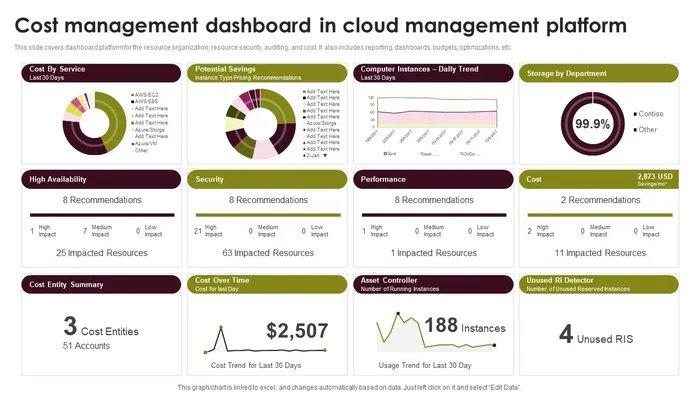
3. Monitor Costs Regularly
One of the biggest surprises for businesses new to the cloud is the bill. Without proper monitoring, costs can spiral out of control. Set up billing alerts, review usage reports weekly, and use cost optimization tools provided by your cloud provider.
4. Implement a Multi-Cloud Strategy
Relying on a single cloud provider creates a single point of failure. A multi-cloud strategy distributes your workloads across two or more providers. This improves reliability, reduces vendor lock-in, and can lower costs through competitive pricing.
5. Prioritize Data Quality
Garbage in, garbage out. No matter how advanced your cloud infrastructure is, poor data quality will undermine your efforts. Implement data validation checks, regular cleansing routines, and quality benchmarks as part of your data management in cloud computing workflow.
Common Challenges and How to Overcome Them
Cloud data management is not without its hurdles. Understanding these challenges helps you prepare and avoid costly mistakes.
Vendor Lock-In
When your systems become too dependent on one provider, switching costs can be enormous. To avoid this, use open standards and portable formats wherever possible. Containerization tools like Docker and Kubernetes also help make your workloads more portable.
Data Silos
Data silos happen when different teams or departments store data in separate systems that do not communicate. This fragments your data analytics and leads to inconsistent insights. Break down silos by implementing unified data integration platforms that connect all your sources.
Latency and Performance Issues
Distance between users and data centers can cause latency. Edge computing addresses this by processing data closer to where it is generated. For real-time applications, this is a game-changer.
Compliance Complexity
Navigating different regulations across regions can be tricky. Work with legal and compliance teams early. Choose cloud providers that offer region-specific data residency options to keep your data where the law requires it to be.
The Future of Data Management in Cloud Computing
The world of data management in cloud computing is evolving rapidly. Several trends are shaping the future and will impact how businesses handle their data in the coming years.
AI and Machine Learning Integration
Artificial intelligence is becoming a core part of cloud data management. AI-powered tools can automatically classify data, detect anomalies, optimize storage costs, and predict future trends. This makes data analytics faster and more accurate than ever before.
Serverless Computing
Serverless architectures let you run applications without managing servers. You focus on writing code, and the cloud provider handles the infrastructure. This trend is simplifying cloud data management and reducing operational overhead.
Hybrid Cloud Adoption
A hybrid cloud approach combines on-premises infrastructure with public cloud services. Many businesses are adopting this model because it gives them the best of both worlds: control over sensitive data and the scalability of the public cloud.
Sustainability and Green Computing
Cloud providers are investing heavily in renewable energy and energy-efficient data centers. As environmental concerns grow, choosing a sustainable cloud platform will become an important factor in data management decisions.
The future is bright for cloud data management. As technology continues to advance, businesses that stay informed and adapt will have a significant competitive advantage.
Final Thoughts
Data management in cloud computing is no longer optional — it is essential. The cloud offers unmatched scalability, cost savings, and flexibility for businesses of all sizes. By understanding the core components, following best practices, and staying ahead of emerging trends, you can build a data strategy that drives real results.
Start small if you need to. Migrate one workload at a time. Test your data backup and recovery processes. Invest in training your team. Every step you take brings you closer to a more efficient, secure, and future-ready data management setup.
The cloud is not just a place to store data. It is a powerful platform for innovation, growth, and transformation. Embrace it, and your business will be better positioned to thrive in an increasingly data-driven world.
Frequently Asked Questions
What is the main goal of data management in cloud computing?
The main goal is to store, organize, protect, and analyze data efficiently using cloud-based tools and infrastructure. It helps businesses scale their operations without the high costs of on-premises hardware.
Is data safe in the cloud?
Yes, when implemented correctly. Cloud providers invest heavily in encryption, access controls, and compliance certifications. However, businesses must also follow best practices like regular audits and strong access policies to ensure full protection.
What is the difference between a data lake and a data warehouse?
A data lake stores raw, unstructured data in its original format until it is needed. A data warehouse organizes and structures data specifically for analysis and reporting. Many businesses use both together for a complete cloud data management strategy.
How does multi-cloud strategy benefit data management?
A multi-cloud strategy reduces dependency on a single provider, improves reliability through redundancy, and can lower costs by leveraging the strengths of different cloud platforms. It also gives businesses more flexibility in choosing the best tools for each workload.
What are the biggest challenges of cloud data management?
The most common challenges include vendor lock-in, data silos, compliance complexity, and cost management. These can be overcome with careful planning, the right tools, and a strong governance framework.
How can small businesses benefit from cloud data management?
Small businesses benefit by gaining access to enterprise-grade storage, security, and analytics tools without large upfront investments. The pay-as-you-go model makes it affordable, and the scalability means the system grows with the business.
=== CONCLUSION ===
Data management in cloud computing has transformed the way organizations handle their most valuable asset — information. From scalable storage and robust security to powerful analytics and cost savings, the cloud offers a comprehensive solution for modern data needs. By following the best practices outlined in this guide and staying aware of emerging trends, you can build a resilient, efficient, and future-proof data strategy. Start your cloud journey today, and unlock the full potential of your data.