Introduction to Cloud Computing Course for Beginners
An introduction to cloud computing course teaches you the basics of storing, managing, and processing data online. This guide covers everything from core concepts to top platforms and career paths. Whether you are a total beginner or switching careers, you will find a clear roadmap here.
Have you ever wondered how companies like Netflix, Spotify, or Google store and serve billions of files every day? The answer is cloud computing. And the best way to understand it is through a solid introduction to cloud computing course. This guide is your starting point. We will walk you through everything you need to know before diving in.
Cloud computing has changed the way businesses and people work. Instead of storing files on a local hard drive, you can access them from anywhere in the world. This shift has created millions of jobs and opened doors for people from all backgrounds. If you have ever thought about learning cloud computing but did not know where to start, you are in the right place.
In this article, we will break down the cloud computing basics in simple language. We will explain what a cloud computing course covers, which platforms you should explore, and how to pick the right one for your goals. By the end, you will have a clear picture of what to expect and how to take the next step. Let us get started.
Key Takeaways
- Cloud computing basics are easy to learn: You do not need a tech background to start.
- Multiple cloud platforms exist: AWS, Azure, and Google Cloud are the top choices for beginners.
- Job opportunities are growing fast: Cloud skills are in high demand across industries.
- Certifications boost your resume: They prove your skills to employers and increase your salary potential.
- Free and paid courses are available: You can start learning without spending a dime.
- Hands-on practice matters most: Real projects help you retain knowledge better than theory alone.
📑 Table of Contents
What Is Cloud Computing?
At its core, cloud computing means using remote servers hosted on the internet to store, manage, and process data. Instead of relying on your own computer or a physical server in your office, you tap into powerful machines located in data centers around the world.
How Does Cloud Computing Work?
Think of it like renting storage space. You do not buy a physical hard drive. Instead, you pay for space on someone else’s server. You access your files and applications through the internet. This model is called cloud services. It includes everything from email and file storage to complex data analysis and machine learning.
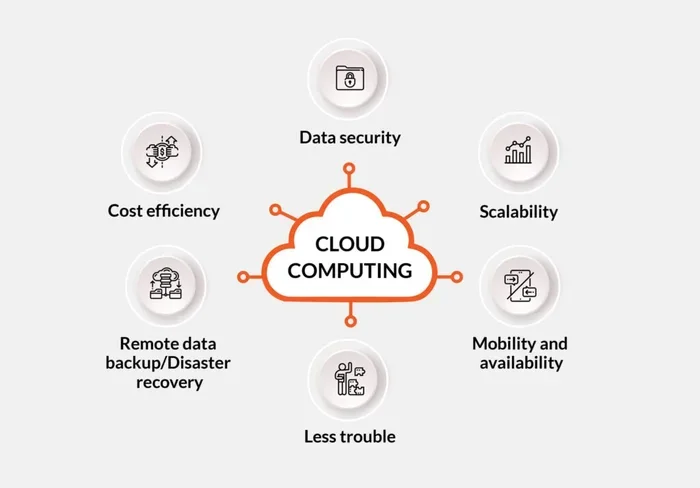
The beauty of cloud computing explained in simple terms is flexibility. You can scale up when you need more power and scale down when you do not. This saves money and time. Companies no longer need to invest heavily in physical hardware. They can focus on building great products instead.
There are three main types of cloud computing concepts you should know:
- Infrastructure as a Service (IaaS): This gives you virtual servers and storage. You control the operating system and applications. Amazon Web Services (AWS) EC2 is a popular example.
- Platform as a Service (PaaS): This provides a platform for developers to build apps without worrying about the underlying infrastructure. Google App Engine is a good example.
- Software as a Service (SaaS): This delivers fully functional software over the internet. Gmail, Microsoft 365, and Salesforce are all SaaS products.
Understanding these three models is essential. Any good introduction to cloud computing course will cover them in detail. They form the foundation of everything else you will learn.
Why Take an Introduction to Cloud Computing Course?
You might be thinking, “Can I not just learn this on my own?” Yes, you can. But a structured cloud computing course gives you a clear path. It saves you time and helps you avoid common pitfalls. Here is why enrolling in a course makes sense.
Benefits of Learning Cloud Computing
First, cloud computing for beginners is surprisingly accessible. You do not need a computer science degree. Many successful cloud professionals come from non-tech backgrounds. A well-designed course walks you through every step. It explains technical terms in plain language.
Second, cloud computing training gives you hands-on experience. You will work with real tools and platforms. This practice is invaluable. Reading about cloud computing is helpful, but doing it yourself is where the real learning happens.
Third, the demand for cloud skills is exploding. Companies of all sizes are moving to the cloud. This means job opportunities are everywhere. A cloud computing certification from a recognized course can significantly boost your career prospects.
Let us look at some numbers. According to recent reports, cloud computing jobs are growing faster than most other tech roles. Roles like cloud architect, cloud engineer, and DevOps specialist are in high demand. A solid introduction to cloud computing course can open these doors for you.
Who Should Take This Course?
Anyone can benefit from learning cloud computing. Here are some examples of people who should consider enrolling:
- Complete beginners: Those with no prior tech experience who want to enter the IT field.
- IT professionals: System administrators, network engineers, and developers looking to upskill.
- Students: College students building skills for the job market.
- Career changers: People switching from other industries into tech.
- Business owners: Entrepreneurs who want to understand cloud tools for their companies.
No matter who you are, a cloud computing tutorial designed for beginners will meet you where you are. The key is to stay consistent and practice regularly.
Key Concepts You Will Learn
A well-structured introduction to cloud computing course covers several important topics. Here is what you can expect to learn.
Cloud Deployment Models
Not all clouds are the same. There are three main cloud deployment models:
- Public Cloud: Resources are owned and operated by a third-party provider. They are shared among multiple users. AWS and Google Cloud are public cloud examples.
- Private Cloud: Resources are dedicated to a single organization. They offer more control and security. Many banks and government agencies use private clouds.
- Hybrid Cloud: This combines public and private clouds. It gives businesses flexibility and more options for data placement.
Understanding these models helps you choose the right setup for different business needs. This is a fundamental part of any beginner course.
Cloud Storage and Virtual Servers
Cloud storage is one of the most common uses of cloud computing. Instead of saving files on your computer, you save them on remote servers. Services like Google Drive, Dropbox, and OneDrive use cloud storage every day.
Virtual servers are another key concept. A virtual server is a software-based version of a physical server. You can create, delete, and manage virtual servers with just a few clicks. This is incredibly powerful. It allows companies to run applications without buying expensive physical hardware.
Cloud Security Basics
Security is a top concern for many people new to the cloud. The good news is that major cloud providers invest heavily in cloud security. They use encryption, firewalls, and multi-factor authentication to protect data. However, users also play a role. A good introduction to cloud computing course teaches you best practices for keeping your data safe.
You will learn about identity and access management (IAM). This controls who can access what resources. You will also learn about compliance standards like GDPR and HIPAA. These are essential if you plan to work with sensitive data.
Top Cloud Platforms to Explore
When you start your cloud computing journey, you will encounter several major platforms. Here are the three biggest ones that every beginner should know about.
Amazon Web Services (AWS)
AWS is the largest cloud platform in the world. It holds the biggest market share. AWS offers over 200 services, including computing power, database storage, and machine learning tools. Many companies use AWS for their cloud computing solutions. If you are starting out, AWS is a great choice. There are plenty of free courses and tutorials available.
Microsoft Azure
Microsoft Azure is the second-largest cloud platform. It integrates well with other Microsoft products like Windows Server, Office 365, and Active Directory. Many enterprises use Azure because of this seamless integration. If you already use Microsoft tools, Azure cloud computing might feel familiar. Microsoft also offers excellent learning paths for beginners through Microsoft Learn.
Google Cloud Platform (GCP)
Google Cloud Platform is known for its data analytics and machine learning capabilities. GCP offers powerful tools for processing large datasets. It is a popular choice for startups and data-driven companies. Google also provides free tier services that let you practice without spending money.
Each platform has its strengths. A good introduction to cloud computing course will introduce you to all three. This way, you can explore and find the one that fits your interests.
Comparison Table: AWS vs Azure vs Google Cloud
| Feature | AWS | Azure | Google Cloud |
|---|---|---|---|
| Market Share | Largest | Second Largest | Third Largest |
| Best For | General purpose, startups | Enterprise, Microsoft users | Data analytics, AI/ML |
| Free Tier | Yes, 12 months free | Yes, $200 credit | Yes, $300 credit |
| Certifications | AWS Certified | Microsoft Certified | Google Cloud Certified |
| Ease for Beginners | High | High | Medium |
This table gives you a quick overview. But remember, the best platform depends on your goals and interests.
How to Choose the Right Course
Not all online cloud computing courses are created equal. With so many options available, choosing the right one can feel overwhelming. Here are some tips to help you decide.
What to Look For in a Course
First, check the course content. A good introduction to cloud computing course should cover the basics of cloud computing, deployment models, and at least one major platform. Look for courses that include hands-on labs. Theory alone will not prepare you for real-world scenarios.
Second, consider the instructor’s credentials. Look for instructors who have real-world cloud experience. Reviews and ratings from other learners can also help you gauge quality. Platforms like Coursera, Udemy, and LinkedIn Learning offer a wide range of options.
Third, think about your budget. Many excellent courses are free or very affordable. AWS offers free training through AWS Skill Builder. Microsoft Learn provides free Azure courses. Google Cloud also has a free learning platform called Google Cloud Skills Boost.
Quick Tips for Getting the Most Out of Your Course
- Set a schedule: Dedicate specific time each week to study. Consistency beats cramming.
- Practice daily: Use free tier accounts to experiment with real cloud tools.
- Join communities: Forums like Reddit and Stack Overflow are great for asking questions.
- Take notes: Write down key concepts and revisit them regularly.
- Build projects: Create simple projects like a website hosted on the cloud to apply what you learn.
Following these tips will accelerate your learning. They will also make the experience more enjoyable and rewarding.
Common Mistakes Beginners Make
Learning cloud computing is a journey, and everyone makes mistakes along the way. Here are some common pitfalls to avoid.
Skipping the Basics
Many beginners jump straight into advanced topics. They skip over cloud computing fundamentals. This is a mistake. Without a solid foundation, you will struggle with more complex concepts later. Always start with the basics and build up gradually.
Not Practicing Enough
Reading about cloud computing is not enough. You need to get your hands dirty. Use free tier accounts to create virtual machines, set up storage buckets, and deploy simple applications. Practice turns theory into real skill.
Trying to Learn Everything at Once
The cloud ecosystem is vast. AWS alone has over 200 services. Do not try to learn them all at once. Focus on the core services first. Learn about computing, storage, and networking. You can always explore advanced services later.
Ignoring Certifications
Certifications are not just pieces of paper. They validate your skills and show employers that you are serious. After completing an introduction to cloud computing course, consider earning a certification. AWS Cloud Practitioner and Microsoft Azure Fundamentals are excellent starting points for beginners.
Career Opportunities After Completing the Course
One of the most exciting reasons to take an introduction to cloud computing course is the career potential. Cloud skills are in demand across almost every industry.
Popular Cloud Computing Jobs
Here are some roles you can pursue after gaining cloud skills:
- Cloud Engineer: Manages and maintains cloud infrastructure. This is one of the most in-demand roles.
- Cloud Architect: Designs cloud solutions for organizations. This role requires deeper experience and higher pay.
- DevOps Engineer: Bridges the gap between development and operations. Cloud knowledge is essential for this role.
- Cloud Security Specialist: Focuses on protecting cloud environments and data.
- Solutions Architect: Helps businesses choose and implement the right cloud solutions.
Salary Expectations
Cloud computing jobs offer competitive salaries. Entry-level positions can start around $60,000 to $80,000 per year. Experienced cloud professionals can earn well over $120,000 annually. Salaries vary based on location, experience, and the specific platform you specialize in.
How to Stand Out
To stand out in the job market, combine your cloud knowledge with other skills. Learning programming languages like Python or JavaScript adds value. Understanding networking and databases makes you more versatile. The more skills you build, the more opportunities will open up for you.
Remember, your cloud computing certification is your ticket to these opportunities. It proves to employers that you have the right skills. Pair it with hands-on projects and a strong portfolio, and you will be well on your way.
Final Thoughts
Starting your journey with an introduction to cloud computing course is one of the best decisions you can make. The cloud is everywhere, and its importance will only grow. Whether you want a new career, a raise, or simply to understand modern technology better, cloud computing has something to offer you.
Do not let the technical terms intimidate you. Every expert was once a beginner. The key is to start, stay consistent, and keep practicing. Use the free resources available. Explore AWS, Azure, and Google Cloud. Build small projects and learn from them. Over time, you will build confidence and skills that are valued in the job market.
The world of cloud computing for beginners is welcoming and full of opportunity. You have everything you need to get started right now. Take the first step today. Enroll in a course, set your goals, and begin your cloud computing journey. The future belongs to those who embrace the cloud.
Frequently Asked Questions
What is an introduction to cloud computing course?
An introduction to cloud computing course is a beginner-level program that teaches the fundamentals of cloud computing. It covers concepts like cloud services, deployment models, and basic platform usage. These courses are designed for people with little or no prior tech experience.
Do I need a technical background to take a cloud computing course?
No, you do not. Most cloud computing courses for beginners are designed for people from all backgrounds. The courses start with basic concepts and build up gradually. All you need is curiosity and a willingness to learn.
How long does it take to complete an introduction to cloud computing course?
The duration varies depending on the course. Some can be completed in a few weeks if you study a few hours per week. Others may take a couple of months. Most courses are self-paced, so you can adjust the schedule to fit your life.
Which cloud platform should I learn first?
AWS is the most popular choice for beginners due to its market share and abundant learning resources. However, Microsoft Azure and Google Cloud are also excellent options. Many introduction to cloud computing courses cover multiple platforms so you can explore them all.
Can I get a job in cloud computing after a beginner course?
Yes, but a beginner course is just the first step. You will need to gain hands-on experience and ideally earn a certification. Entry-level roles like cloud support associate or junior cloud engineer are great starting points for new learners.
Are free cloud computing courses worth it?
Absolutely. Platforms like AWS Skill Builder, Microsoft Learn, and Google Cloud Skills Boost offer excellent free content. These resources are perfect for beginners who want to explore cloud computing without any financial commitment.
=== CONCLUSION ===
An introduction to cloud computing course is your gateway to one of the most exciting and lucrative fields in tech today. You have learned about cloud computing basics, key concepts, top platforms, and career opportunities. You now know how to choose the right course and avoid common mistakes. The cloud is not just a trend. It is the backbone of modern technology. By investing your time in learning cloud computing, you are investing in your future. Start today, stay consistent, and watch your skills grow. The cloud is waiting for you.