Everything You Need To Know About On Demand Cloud Computing
On demand cloud computing lets you access IT resources like storage, processing power, and software whenever you need them. You pay only for what you use, making it a cost-efficient way to run businesses of any size. This guide covers how it works, its benefits, top platforms, and best practices to help you make smart cloud decisions.
Have you ever wished you could just turn on computing power whenever you need it? No buying servers. No waiting for IT teams to set things up. No wasting money on resources you barely use.
That is exactly what on demand cloud computing offers. It is a model where you get access to cloud services like storage, processing power, and software the moment you need them. You use them for as long as you need and then release them. Simple as that.
More and more businesses are making the switch. From startups to giant corporations, everyone is tapping into cloud infrastructure to stay agile and competitive. But what does this really mean for you? Let us break it all down.
Key Takeaways
- Instant Access: On demand cloud computing gives you resources the moment you need them, with no long-term commitments.
- Cost Savings: Pay as you go models help businesses avoid huge upfront IT costs.
- Scalability: Scale resources up or down based on real-time demand and workload needs.
- Flexibility: Choose from IaaS, PaaS, and SaaS models to match your specific needs.
- Top Platforms: AWS, Microsoft Azure, and Google Cloud lead the on demand cloud market.
- Best Practices: Monitor usage, set budgets, and pick the right cloud provider for your goals.
📑 Table of Contents
What Is On Demand Cloud Computing?
On demand cloud computing is a way to access computing resources over the internet whenever you need them. Think of it like renting electricity instead of building your own power plant. You get what you need, when you need it, and you pay only for what you use.
These resources include virtual machines, cloud storage, databases, networking tools, and software applications. You do not need to own any physical hardware. Everything lives in the cloud and is managed by cloud providers.
The key idea behind this model is flexibility. Traditional IT setups require you to plan months ahead. You guess how much power you will need and buy it upfront. With on demand resources, you adjust in real time. Need more power today? Spin it up. Need less tomorrow? Scale it down.
How Does On Demand Cloud Computing Work?
At its core, on demand cloud computing relies on a large network of data centers. These data centers are owned and operated by cloud providers like Amazon Web Services, Microsoft Azure, and Google Cloud.
When you request a resource, the provider allocates it from their massive pool of compute power. This happens almost instantly. You access everything through a web browser or an application programming interface (API). No physical setup is required on your end.
Here is how the process typically works:
- You sign up for a cloud platform account.
- You choose the resources you need, such as a virtual machine or extra storage.
- The provider provisions the resources within seconds or minutes.
- You use the resources for your workload management tasks.
- You release the resources when you are done.
- You pay only for the time you used them.
This entire cycle is what makes elastic computing so powerful. The system stretches and shrinks based on your actual needs. It is one of the biggest reasons why on demand scalability has become a game changer for businesses.
The Pay As You Go Model
Most on demand cloud computing services follow a pay as you go pricing model. This means you are billed for exactly what you consume. No upfront payments. No wasted spend on idle resources.
For example, if you run a virtual machine for three hours, you pay for three hours. If you store 50 gigabytes of data for a month, you pay for that storage for that month. The billing is transparent and easy to track.
This model is a huge win for cost efficiency. Startups and small businesses especially benefit because they do not need to invest heavily in IT infrastructure upfront. They can start small and grow as their needs change.
Key Benefits of On Demand Cloud Computing
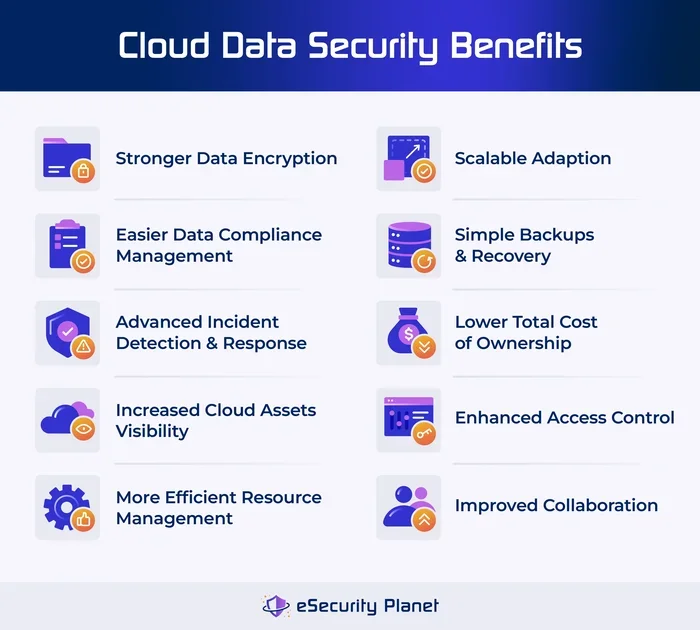
The appeal of on demand cloud computing comes from a long list of real benefits. Let us look at the ones that matter most to businesses and individuals alike.
Cost Efficiency
One of the biggest advantages is cost efficiency. Traditional IT requires capital expenditure. You buy servers, set up cooling systems, pay for electricity, and hire staff to maintain everything.
With cloud services, you shift from capital costs to operational costs. You pay a monthly bill based on actual usage. There are no wasted resources sitting idle. This cloud billing model keeps your spending lean and predictable.
Scalability and Flexibility
On demand scalability is at the heart of this model. During peak seasons or traffic spikes, you can add resources in minutes. When things calm down, you reduce them just as fast.
Imagine running an online store. During a holiday sale, your traffic might spike tenfold. Without cloud infrastructure, you would need servers ready for that peak all year long. With on demand computing, you scale up during the sale and scale back after. You save money and keep performance smooth.
Speed and Agility
In today’s fast-moving world, speed matters. On demand cloud computing lets you deploy new applications and services in minutes. You do not wait weeks for hardware to arrive and be set up.
This agility helps teams move faster. Developers can test new ideas quickly. Companies can launch products sooner. The cloud deployment process is fast, which gives businesses a real edge over competitors stuck in slow traditional IT cycles.
Reliability and Security
Top cloud providers invest billions in security and reliability. They offer built-in backups, disaster recovery, and advanced workload management tools.
Your data is stored across multiple data centers in different locations. This means if one center goes down, your services keep running. Most cloud platforms also provide strong encryption and compliance certifications to keep your information safe.
Global Reach
Need to serve users in different countries? On demand cloud computing makes it easy. Major providers have data centers all around the world. You can deploy your applications close to your users for faster performance.
This global reach is especially valuable for SaaS platforms and businesses with international customers. You can expand into new markets without building physical infrastructure in each location.
On Demand Cloud Computing vs Traditional IT
To truly understand the value of on demand cloud computing, it helps to compare it with traditional IT setups. Here is a side by side look at how they stack up.
Key Differences at a Glance
| Feature | Traditional IT | On Demand Cloud Computing |
|---|---|---|
| Setup Time | Weeks to months | Minutes to hours |
| Cost Model | Upfront capital expense | Pay as you go |
| Scalability | Difficult and slow | Instant and elastic |
| Maintenance | Your responsibility | Handled by the provider |
| Access to Resources | Limited by hardware | Virtually unlimited |
| Disaster Recovery | Expensive to build | Built in by most providers |
| Global Deployment | Requires physical offices | Available from anywhere |
As you can see, on demand cloud computing wins in almost every category when it comes to modern business needs. Traditional IT still has a place in some industries, but for most organizations, the cloud offers far more advantages.
When Does Traditional IT Still Make Sense?
There are a few scenarios where traditional IT might still be the right choice. Highly regulated industries sometimes need complete control over their hardware. Some organizations handle extremely sensitive data and prefer on premises storage. And very large enterprises with existing cloud infrastructure investments may take a hybrid approach.
But even in these cases, on demand cloud computing is increasingly being adopted for specific workloads. The trend is clearly moving toward the cloud, and for good reason.
Popular On Demand Cloud Platforms
Not all cloud platforms are the same. Each provider has its own strengths, pricing models, and focus areas. Here are the most popular options for on demand cloud computing.
Amazon Web Services (AWS)
AWS is the largest cloud provider in the world. It offers a massive range of cloud services, including compute, storage, databases, machine learning, and more. AWS is known for its broad cloud deployment options and deep cloud infrastructure capabilities.
Many enterprises choose AWS because of its reliability and global reach. The pay as you go model makes it easy to start small and grow. However, the sheer number of services can feel overwhelming for beginners.
Microsoft Azure
Azure is a strong second place player. It integrates well with Microsoft products like Windows Server, Office 365, and Active Directory. This makes it a natural choice for businesses already using the Microsoft ecosystem.
Azure also offers excellent on demand scalability and strong hybrid cloud options. If your team already uses Microsoft tools, the transition to cloud hosting with Azure can be very smooth.
Google Cloud Platform (GCP)
Google Cloud stands out for its data analytics and machine learning capabilities. It runs on the same infrastructure that powers Google Search, YouTube, and other Google services.
GCP is a great choice for data heavy applications and serverless computing workloads. Its pricing is competitive, and it offers strong resource allocation tools for optimizing costs.
Other Notable Providers
Beyond the big three, other providers are worth considering:
- IBM Cloud — strong in enterprise and hybrid cloud solutions.
- Oracle Cloud — great for database heavy workloads.
- DigitalOcean — a simple and affordable option for startups and developers.
- Linode — another developer friendly provider with straightforward pricing.
Each of these platforms supports on demand cloud computing in its own way. The best choice depends on your specific needs, budget, and technical expertise.
Best Practices for Using On Demand Cloud Computing
Getting the most out of on demand cloud computing requires some planning and smart habits. Here are practical tips to help you succeed.
Start Small and Scale Gradually
Do not try to move everything to the cloud at once. Start with a single application or workload. Test how it performs. Monitor your cloud billing and usage patterns. Once you are comfortable, expand to more services.
This gradual approach helps you learn the ropes without overwhelming your team or your budget. It also reduces the risk of unexpected costs.
Set Budget Alerts and Monitor Usage
One of the easiest mistakes is losing track of spending. Most cloud providers offer tools to set budget alerts. Use them. Check your usage dashboards regularly.
Turn off resources you are not using. Shut down virtual machines that sit idle overnight. Small actions like these can save you a surprising amount of money over time.
Choose the Right Service Model
On demand cloud computing comes in three main flavors:
- Infrastructure as a Service (IaaS) — You get raw compute, storage, and networking. You manage the software and applications.
- Platform as a Service (PaaS) — The provider handles the infrastructure and runtime. You focus on building and deploying your apps.
- Software as a Service (SaaS) — You use ready made applications hosted in the cloud. No management required on your end.
Pick the model that matches your team’s skills and your project’s needs. If you want full control, go with IaaS. If you want to focus on building, PaaS is a great fit. If you just need a tool, SaaS is the simplest option.
Optimize for Performance and Cost
Use resource allocation tools to right size your workloads. Do not over provision. Pick the right instance types for your tasks. Many providers offer cost efficiency tools that recommend savings opportunities.
Take advantage of reserved instances or committed use discounts if you know you will run certain workloads long term. These can offer significant savings compared to pure on demand pricing.
Secure Your Cloud Environment
Security is a shared responsibility. Your cloud provider secures the infrastructure. But you are responsible for securing your data, access controls, and applications.
Use strong passwords, enable multi factor authentication, and limit access to only those who need it. Regularly review your security settings and stay updated on cloud computing best practices.
Common Mistakes to Avoid
Here are some pitfalls to watch out for:
- Ignoring cloud billing alerts and not tracking spending.
- Leaving unused virtual machines and storage volumes running.
- Choosing a provider without considering your long term needs.
- Not training your team on cloud deployment best practices.
- Overlooking data transfer costs, which can add up quickly.
- Assuming all cloud services are equally secure — always review your own configurations.
Avoiding these mistakes can save you time, money, and headaches. A little planning goes a long way in on demand cloud computing.
The Future of On Demand Cloud Computing
The future of on demand cloud computing looks incredibly bright. More businesses are moving to the cloud every year. New technologies like serverless computing and edge computing are expanding what is possible.
Artificial intelligence and machine learning are also driving demand for flexible compute power. Companies need to run complex models without building dedicated hardware. On demand resources make this possible at a fraction of the cost.
As cloud providers continue to innovate, we can expect even faster resource provisioning, better cost efficiency, and more powerful tools for workload management. The cloud is no longer just a trend. It is the foundation of modern IT.
Final Thoughts
On demand cloud computing has transformed the way businesses and individuals access technology. It offers unmatched flexibility, cost efficiency, and scalability. Whether you are a startup launching your first product or a large enterprise managing complex workloads, the cloud has something to offer.
The key is to start with a clear plan. Understand your needs. Pick the right cloud platform. Monitor your usage and costs. And keep learning as the technology evolves. With the right approach, on demand cloud computing can be a powerful engine for growth and innovation.
So go ahead, explore your options, and take the leap into the cloud. Your future self will thank you.
Frequently Asked Questions
What is on demand cloud computing in simple terms?
On demand cloud computing is a model where you access computing resources like storage, processing power, and software over the internet whenever you need them. You pay only for what you use and release resources when you are done. It works like renting IT infrastructure instead of buying and maintaining your own servers.
How is on demand cloud computing different from traditional hosting?
Traditional hosting requires you to set up and maintain physical servers, which takes time and money upfront. On demand cloud computing lets you spin up resources in minutes with no hardware to manage. You also get on demand scalability, meaning you can adjust resources based on real time demand.
Which industries benefit the most from on demand cloud computing?
Many industries benefit, including e commerce, healthcare, finance, education, and media. Any business that needs flexible resource allocation and cost efficiency can take advantage of cloud services. Startups and small businesses especially love the low upfront costs.
Is on demand cloud computing expensive?
It can be very affordable, especially compared to building and maintaining your own IT infrastructure. The pay as you go model means you only pay for what you consume. However, costs can add up if you do not monitor your usage and optimize your resource allocation carefully.
Can I use on demand cloud computing for personal projects?
Absolutely. Many cloud platforms offer free tiers and low cost options for personal projects. Whether you are building a website, learning to code, or running a small app, on demand cloud computing gives you the power you need without a big investment.
What should I look for when choosing a cloud provider?
Consider factors like pricing, available services, cloud billing transparency, global data center locations, security features, and ease of use. Think about your specific needs, such as workload management requirements or cloud deployment goals. Most providers offer free trials, so you can test before committing.
=== CONCLUSION ===
On demand cloud computing is more than just a tech trend. It is a fundamental shift in how we access and use technology. From cost efficiency to instant scalability, the benefits are clear and compelling.
Whether you are exploring cloud services for the first time or looking to optimize your existing setup, understanding how on demand resources work puts you ahead. The right cloud platform, combined with smart practices, can transform the way you work.
Start small, stay curious, and keep learning. The world of on demand cloud computing is vast, and the best time to explore it is now.