Data Center Challenges and Solutions in Cloud Computing
Running a data center in the cloud comes with real hurdles — from energy costs to security risks and scalability limits. This guide breaks down the biggest data center challenges and solutions in cloud computing so you can make smarter decisions. You will learn actionable strategies to improve performance, cut costs, and keep your systems secure.
Cloud computing has changed the way businesses operate. Companies now rely on data center challenges and solutions in cloud computing more than ever before. Whether you run a small startup or a large enterprise, understanding these challenges is essential. The cloud offers flexibility, speed, and scale. But behind the scenes, data centers face serious hurdles that can impact performance and cost.
This guide walks you through the most common problems businesses face today. More importantly, it gives you real, practical solutions you can use right away. Let us dive in.
Key Takeaways
- Energy efficiency remains one of the biggest challenges for modern data centers in cloud environments.
- Security and compliance require constant attention, especially when handling sensitive data across multiple cloud platforms.
- Scalability and performance issues can be solved with smart load balancing and hybrid cloud strategies.
- Automation tools play a major role in reducing manual errors and improving data center management.
- Edge computing is emerging as a powerful solution for latency and bandwidth challenges.
- Cost optimization is achievable through right-sizing resources and adopting multi-cloud strategies.
- Disaster recovery planning ensures business continuity even during unexpected outages.
📑 Table of Contents
- Why Data Centers Are the Backbone of Cloud Computing
- Top Data Center Challenges in Cloud Environments
- Energy and Cooling Solutions for Modern Data Centers
- Security and Compliance Solutions
- Scalability and Performance Solutions
- Cost Optimization Strategies for Data Centers
- Disaster Recovery and Business Continuity
- The Future of Data Centers in Cloud Computing
- Common Mistakes to Avoid
- Conclusion
Why Data Centers Are the Backbone of Cloud Computing
Every cloud service you use runs on a physical data center somewhere. These facilities house thousands of servers. They store, process, and deliver data across the globe. Without data centers, cloud computing simply would not exist.
Data center management involves monitoring hardware, software, networking, and cooling systems. It is a complex job. When things go wrong, businesses feel it immediately. Downtime costs money. Slow performance frustrates users. Security breaches put sensitive data at risk.
That is why understanding cloud infrastructure challenges matters so much. The better you understand the problems, the better you can solve them. Let us look at the most pressing issues today.
Top Data Center Challenges in Cloud Environments
Data centers in the cloud face a wide range of challenges. Some are technical. Others are financial or regulatory. Here are the most common ones businesses deal with every day.
Scalability Challenges
One of the biggest scalability challenges is handling sudden traffic spikes. Imagine your website goes viral overnight. Your servers need to handle ten times the normal load. If your infrastructure is not ready, everything crashes.
Many businesses also struggle with resource allocation. They either over-provision and waste money or under-provision and deal with slow performance. Finding the right balance is tricky.
Energy and Cooling Issues
Data centers consume massive amounts of electricity. Servers run hot. Keeping them cool requires powerful cooling systems that use even more energy. This drives up costs and raises environmental concerns.
According to industry reports, data centers worldwide use about 1% of global electricity. That number keeps growing as cloud adoption increases. Energy efficiency has become a top priority for operators.
Security and Compliance Risks
Data security is a major worry for every business. Cyberattacks are becoming more sophisticated. Hackers target data centers because they hold valuable information. A single breach can cause millions in damages.
Compliance adds another layer of complexity. Regulations like GDPR, HIPAA, and PCI-DSS require strict data handling rules. Failing to meet these standards can result in heavy fines. Many organizations also struggle to maintain compliance requirements across multiple cloud providers.
Latency and Bandwidth Limitations
Users expect fast load times. Even a one-second delay can hurt conversions. Latency issues often arise when data has to travel long distances between servers and users.
Bandwidth limitations can also bottleneck performance. When too many users access the same server, speeds drop. This is especially common during peak hours or promotional events.
Cost Management
Cloud computing is not always cheap. Many businesses face surprise bills at the end of the month. Cost optimization requires constant monitoring and adjustment. Without proper oversight, expenses can spiral out of control.
Before signing up with any cloud provider, make sure you review their terms and conditions carefully. Hidden fees and usage limits can catch you off guard.
Energy and Cooling Solutions for Modern Data Centers
Solving energy and cooling problems starts with smart design. Modern data centers use advanced techniques to reduce power consumption. Here are some of the most effective approaches.
Hot and Cold Aisle Containment
This method separates hot air from cold air. Servers face each other in rows, creating cold aisles and hot aisles. Containment systems prevent the two air streams from mixing. The result is better cooling efficiency and lower energy use.
Liquid Cooling Technology
Traditional air cooling has limits. Liquid cooling takes heat transfer to the next level. Water or coolant directly absorbs heat from servers. This method uses far less energy than conventional systems. Many new data centers are adopting liquid cooling as a standard.
Renewable Energy Integration
Major cloud providers are investing in solar and wind power. Google, for example, has matched 100% of its energy use with renewables. Smaller data centers can also adopt green energy solutions. Even partial shifts reduce costs and environmental impact.
Quick Tip: Start by auditing your current energy usage. Identify the biggest power drains and address them first. Small changes can lead to big savings over time.
Security and Compliance Solutions
Protecting data in the cloud requires a multi-layered approach. No single tool or policy is enough. You need a combination of technology, processes, and people.
Encryption and Access Controls
Data encryption is the foundation of cloud security. Encrypt data at rest and in transit. This ensures that even if attackers gain access, the data remains unreadable. Strong access controls limit who can view or modify sensitive information.
Zero Trust Architecture
The zero trust model assumes that no user or device is trustworthy by default. Every access request is verified. This approach dramatically reduces the risk of internal and external threats. Many organizations are now adopting zero trust as their core security strategy.
Regular Audits and Compliance Monitoring
Compliance is not a one-time effort. It requires ongoing monitoring. Regular audits help you identify gaps and fix them before they become problems. Automated compliance tools can track regulatory requirements in real time.
Expert Insight: “Security is not a product — it is a process.” The best organizations build security into every layer of their cloud infrastructure. From onboarding to daily operations, vigilance matters.
Scalability and Performance Solutions
Handling growth without breaking the bank is the dream of every IT team. Fortunately, modern cloud tools make this much more achievable.
Auto-Scaling and Load Balancing
Auto-scaling automatically adjusts server capacity based on demand. When traffic spikes, new instances spin up instantly. When traffic drops, resources scale back down. This keeps costs lean and performance high.
Load balancing distributes traffic evenly across servers. It prevents any single server from becoming overwhelmed. Together, auto-scaling and load balancing create a resilient and responsive system.
Hybrid Cloud and Multi-Cloud Strategies
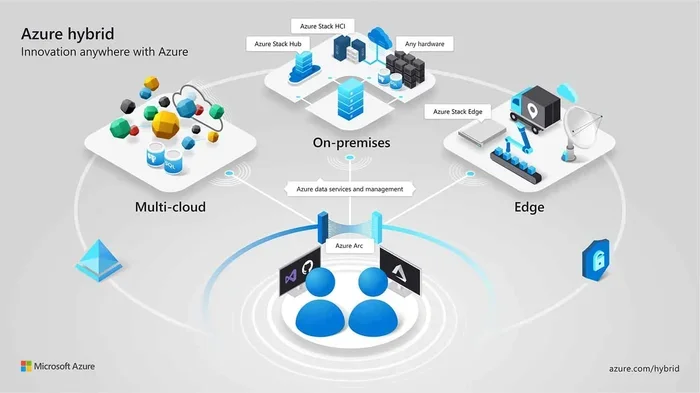
A hybrid cloud approach combines public and private cloud resources. This gives businesses more control and flexibility. Sensitive data can stay on private servers while less critical workloads run in the public cloud.
A multi-cloud strategy takes this further. It uses services from multiple cloud providers. This reduces vendor lock-in and improves redundancy. If one provider experiences an outage, traffic shifts to another seamlessly.
Edge Computing for Low Latency
Edge computing brings processing closer to the user. Instead of sending all data to a central data center, edge nodes handle requests locally. This dramatically reduces latency issues and improves user experience. It is especially valuable for applications that require real-time responses, such as gaming, streaming, and IoT devices.
| Solution | Best For | Key Benefit |
|---|---|---|
| Auto-Scaling | Traffic spikes | Cost-efficient resource management |
| Load Balancing | High-traffic applications | Even distribution of requests |
| Hybrid Cloud | Mixed workload environments | Flexibility and control |
| Multi-Cloud | Redundancy needs | Reduced vendor lock-in |
| Edge Computing | Real-time applications | Lower latency and faster response |
Cost Optimization Strategies for Data Centers
Cloud costs can quickly add up if you are not careful. The key is to be intentional about every dollar you spend. Here are proven strategies to keep your data center management costs under control.
Right-Sizing Resources
Many businesses pay for more than they actually use. Right-sizing means matching your resources to actual demand. Use monitoring tools to track utilization. Then adjust your provisioning accordingly. This alone can save a significant percentage of your cloud bill.
Reserved Instances and Savings Plans
Most cloud providers offer discounted rates for long-term commitments. Reserved instances can save up to 70% compared to on-demand pricing. If your workload is predictable, these plans are a no-brainer.
Cloud Cost Monitoring Tools
Use tools like AWS Cost Explorer, Azure Cost Management, or third-party platforms to track spending. Set up alerts for unusual spikes. Regular reviews help you catch waste and optimize spending over time.
Disaster Recovery and Business Continuity
No system is immune to failures. Hardware breaks. Natural disasters happen. Cyberattacks occur. A solid disaster recovery plan ensures your business keeps running no matter what.
Start by identifying your critical systems. Know which applications and data are absolutely essential. Then build backup and recovery processes around those priorities. Test your disaster recovery plan regularly. A plan that has never been tested is not a plan at all.
Cloud-based disaster recovery offers significant advantages. It eliminates the need for expensive physical backup sites. Data replicates across multiple geographic locations automatically. This means faster recovery times and lower costs.
Did You Know? Organizations with a tested disaster recovery plan recover 80% faster from outages than those without one. Testing is not optional — it is essential.
The Future of Data Centers in Cloud Computing
The data center landscape is evolving fast. New technologies are reshaping how facilities operate. Here are the trends to watch.
AI-Powered Management
Artificial intelligence is transforming data center management. AI tools can predict hardware failures before they happen. They optimize cooling systems in real time. They also help with capacity planning and anomaly detection. The result is smarter, more efficient operations.
Sustainability and Green Computing
Environmental concerns are driving major changes. Data centers are under pressure to reduce their carbon footprint. Innovations in energy efficiency — from advanced chip designs to free cooling — are making a difference. Many providers now publish sustainability reports to track their progress.
Serverless and Containerized Architectures
Virtualization has been a game-changer, but serverless computing takes it further. With serverless, developers do not manage servers at all. The cloud provider handles everything. This reduces operational overhead and allows teams to focus on building great products.
Containerization also simplifies deployment and scaling. Tools like Kubernetes make it easy to manage containers across multiple environments. Together, these technologies are making cloud computing more accessible and efficient.
Common Mistakes to Avoid
Even experienced teams make mistakes when managing data centers in the cloud. Here are some pitfalls to watch out for.
- Ignoring cost monitoring. Without regular reviews, cloud spending can spiral out of control.
- Overlooking security updates. Outdated systems are easy targets for attackers.
- Skipping disaster recovery tests. An untested plan will fail when you need it most.
- Choosing one provider for everything. This creates vendor lock-in and reduces flexibility.
- Neglecting performance monitoring. Without visibility, you cannot optimize or troubleshoot effectively.
Conclusion
The world of data center challenges and solutions in cloud computing is complex but manageable. From energy efficiency and security to scalability and cost control, each challenge has a practical solution. The key is to stay proactive and keep learning.
Businesses that invest in the right strategies — auto-scaling, edge computing, zero trust security, and disaster recovery — set themselves up for long-term success. Cloud computing offers incredible opportunities. But unlocking its full potential requires understanding and addressing the challenges head-on.
Start small. Pick one area to improve. Measure the results. Then expand your efforts. Over time, you will build a cloud infrastructure that is secure, efficient, and ready for whatever comes next.
Frequently Asked Questions
What are the biggest data center challenges in cloud computing?
The biggest challenges include scalability, energy consumption, security, latency, and cost management. Each of these areas requires careful planning and the right solutions to overcome effectively.
How can businesses reduce data center energy costs?
Businesses can reduce energy costs through liquid cooling, hot/cold aisle containment, and renewable energy integration. Right-sizing resources and using auto-scaling also help minimize waste.
What is edge computing and how does it help with latency?
Edge computing processes data closer to the user instead of sending it to a distant central server. This reduces travel time for data and significantly lowers latency, improving the user experience.
Why is disaster recovery important for cloud data centers?
Disaster recovery ensures that businesses can quickly restore operations after outages, cyberattacks, or natural disasters. Without a solid recovery plan, downtime can cause significant financial and reputational damage.
What is a multi-cloud strategy and when should you use it?
A multi-cloud strategy uses services from more than one cloud provider. It is ideal for businesses that need redundancy, want to avoid vendor lock-in, or have workloads that perform better on different platforms.
How does zero trust security work in a cloud environment?
Zero trust security verifies every access request as if it originates from an open network. It requires continuous authentication and limits access based on user identity, device health, and location.