Big Data vs Cloud Computing What is the Difference
Big data and cloud computing are not the same thing, even though people often confuse them. Big data focuses on storing, processing, and analyzing massive amounts of information, while cloud computing delivers computing resources over the internet. Understanding the difference between big data and cloud computing helps businesses choose the right tools for growth.
Every day, businesses generate enormous amounts of information. From customer transactions to social media posts, the volume keeps growing. Two terms that come up constantly in this landscape are big data and cloud computing. People often use them interchangeably, but they are fundamentally different technologies. In this guide, we will break down the difference between big data and cloud computing in simple, clear language. By the end, you will know exactly what each one does, how they compare, and why your business might need both.
Understanding these concepts is not just for tech experts. Whether you run a small startup or manage a large enterprise, knowing how big data analytics and cloud infrastructure work can save you time and money. Let us dive in and explore each technology step by step.
Key Takeaways
- Big data handles massive volumes of information that traditional systems cannot process efficiently.
- Cloud computing provides on-demand computing resources like servers, storage, and software over the internet.
- The two technologies work together but serve completely different primary purposes.
- Businesses often use cloud platforms to manage and analyze their big data workloads.
- Knowing the difference between big data and cloud computing helps you make smarter technology investments.
- Scalability is a shared benefit, but each technology approaches it differently.
- Always review the terms and conditions of your cloud provider to understand data ownership and usage rights.
📑 Table of Contents
What Is Big Data?
Big data refers to extremely large and complex data sets that traditional data processing tools cannot handle. It is not just about the size of the data. It also involves the speed at which data arrives, the variety of formats it comes in, and the challenges of making sense of it all.
The concept of big data is often described using the five V’s:
- Volume: The sheer amount of data generated every second. Think millions of transactions, sensor readings, and online interactions.
- Velocity: How fast new data is created and needs to be processed. Real-time streaming is a great example.
- Variety: The many different formats data can take. This includes text, images, videos, logs, and structured databases.
- Veracity: The uncertainty and quality of the data. Not all data is accurate or trustworthy.
- Value: The useful insights you can extract after processing the data properly.
Common Big Data Tools and Technologies
Several tools power the world of big data. Apache Hadoop allows distributed processing of large data sets across clusters of computers. Apache Spark offers fast in-memory processing for real-time analytics. NoSQL databases like MongoDB and Cassandra handle unstructured data with ease. Data lakes store raw data in its native format until it is needed for analysis.
These tools help organizations find patterns, predict trends, and make smarter decisions. For example, retailers use big data to understand customer behavior and personalize recommendations. Healthcare providers analyze patient records to improve treatment outcomes.
What Is Cloud Computing?
Cloud computing is the delivery of computing services over the internet. These services include servers, storage, databases, networking, software, and analytics. Instead of owning and maintaining physical data centers, businesses can rent these resources from cloud providers on a pay-as-you-go basis.
The main cloud computing models include:
- Infrastructure as a Service (IaaS): Provides virtualized computing resources like virtual machines and storage. Examples include Amazon Web Services (AWS) EC2 and Microsoft Azure Virtual Machines.
- Platform as a Service (PaaS): Offers a platform for developing, testing, and deploying applications without managing underlying infrastructure. Google App Engine and Heroku are popular choices.
- Software as a Service (SaaS): Delivers software applications over the internet on a subscription basis. Gmail, Salesforce, and Microsoft 365 are everyday examples.
Types of Cloud Deployment
Cloud environments come in different flavors based on who has access:
- Public Cloud: Resources are owned and operated by a third-party provider and shared across multiple customers. This is the most cost-effective option.
- Private Cloud: Dedicated resources for a single organization. This offers more control and security but at a higher cost.
- Hybrid Cloud: Combines public and private clouds, allowing data and applications to move between them. This gives businesses flexibility and optimization.
- Multi-Cloud: Uses services from multiple cloud providers to avoid vendor lock-in and improve reliability.
The Key Differences Between Big Data and Cloud Computing
The difference between big data and cloud computing becomes clear when you look at their core purposes. Big data is about managing and extracting value from massive data sets. Cloud computing is about delivering computing resources on demand. One focuses on information, while the other focuses on infrastructure.
Here is a side-by-side comparison to make it even clearer:
| Feature | Big Data | Cloud Computing |
|---|---|---|
| Primary Focus | Storing, processing, and analyzing large data sets | Delivering computing resources over the internet |
| Main Goal | Extract insights and value from data | Provide scalable, on-demand infrastructure |
| Key Technologies | Hadoop, Spark, NoSQL databases, data lakes | AWS, Azure, Google Cloud, IaaS/PaaS/SaaS |
| Data Volume | Petabytes and exabytes | Varies based on service type |
| Users | Data scientists, analysts, engineers | Developers, IT teams, end users |
| Scalability | Horizontal scaling of data processing | Elastic scaling of computing resources |
| Cost Model | Hardware, software, and talent costs | Pay-as-you-go subscription model |
As you can see, these two technologies are complementary but distinct. Many organizations use cloud platforms to power their big data operations because the cloud offers the scalable computing power needed to handle massive workloads.
How Big Data and Cloud Computing Work Together
While they are different, big data and cloud computing often work hand in hand. The cloud provides the infrastructure that big data tools need to function at scale. Without cloud data storage solutions, processing petabytes of information would require enormous upfront investment in physical hardware.
Here is how they complement each other in practice:
- Cloud data lakes store raw big data in a centralized, scalable repository.
- Cloud-based analytics engines like AWS EMR or Google BigQuery process large data sets efficiently.
- Machine learning services in the cloud allow teams to build predictive models using massive data sets without owning expensive GPU clusters.
- Real-time data pipelines leverage cloud distributed computing to process streaming data on the fly.
For instance, a streaming platform like Netflix collects enormous amounts of viewer data every day. They use cloud computing infrastructure to store this data and run big data analytics to understand viewing patterns. This helps them recommend content to each user and even decide which shows to produce next.
Why Businesses Choose This Combination
The real power comes from combining these technologies. Cloud-based big data solutions offer several advantages:
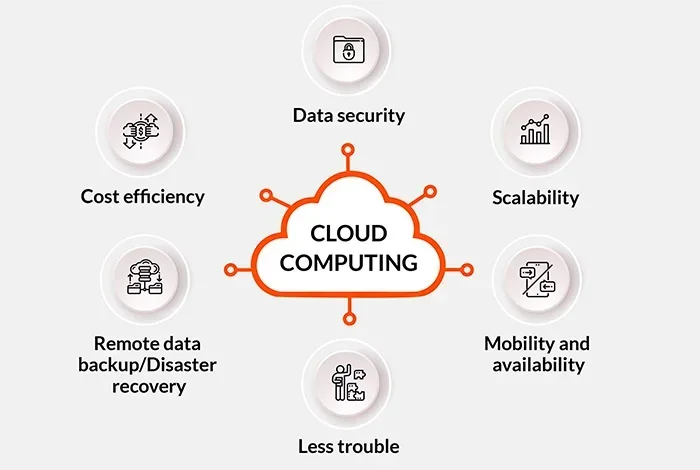
- Cost efficiency: You pay only for the resources you use, avoiding massive capital expenditures.
- Elastic scalability: Handle spikes in data volume without provisioning new hardware.
- Faster time to insight: Cloud platforms offer pre-built tools that speed up data processing and analysis.
- Global accessibility: Teams anywhere in the world can access data and tools through the internet.
- Built-in security: Major cloud providers invest heavily in data security and compliance certifications.
Common Use Cases for Each Technology
Big data shines in scenarios where organizations need to analyze enormous amounts of information. Here are some common use cases:
- Healthcare: Analyzing patient records, clinical trials, and medical images to improve diagnostics and treatment plans.
- Finance: Detecting fraudulent transactions by analyzing millions of payment records in real time.
- Retail: Personalizing shopping experiences using customer purchase history and browsing behavior.
- Manufacturing: Predicting equipment failures through sensor data analysis on the factory floor.
Cloud computing has its own wide range of use cases:
- Web hosting: Running websites and applications on scalable cloud servers without managing physical hardware.
- Disaster recovery: Backing up critical data and systems in the cloud for business continuity.
- Development and testing: Spinning up temporary environments for developers to build and test new applications quickly.
- Collaboration: Using cloud-based tools like Slack, Zoom, or Microsoft Teams to work seamlessly across locations.
Quick Tips for Getting Started
If you are new to either of these technologies, here are some practical tips to keep in mind:
- Start small. Do not try to process everything at once. Begin with a pilot project that addresses a specific business problem.
- Choose the right cloud provider. Compare pricing, services, and support before committing. Each provider has strengths in different areas.
- Invest in training. Your team needs to understand both big data tools and cloud platforms to get the most value.
- Review your provider’s terms and conditions carefully. Understanding your terms and conditions with the cloud provider ensures you know your rights regarding data ownership, usage limits, and liability.
- Monitor costs. Both big data processing and cloud resources can become expensive quickly without proper monitoring and optimization.
Common Mistakes People Make
Many organizations make avoidable mistakes when adopting these technologies. Here are a few to watch out for:
- Confusing the two technologies: Thinking that moving to the cloud automatically solves your big data challenges. The cloud provides the infrastructure, but you still need the right tools and strategies for data analysis.
- Ignoring data quality: Big data is only valuable if the data is accurate and clean. Poor data quality leads to unreliable insights.
- Underestimating costs: Cloud resources can add up fast, especially with data processing at scale. Always set budgets and monitor usage.
- Neglecting security: Storing sensitive data in the cloud requires proper encryption, access controls, and compliance measures.
- Overlooking vendor lock-in: Building everything on a single cloud provider can make it difficult and expensive to switch later.
Expert Insights on the Future
The difference between big data and cloud computing will continue to blur as these technologies evolve. Edge computing is bringing data processing closer to where data is generated, reducing latency and bandwidth usage. Artificial intelligence and machine learning are becoming deeply integrated with both cloud platforms and big data analytics, making it easier than ever to extract insights from massive data sets.
Industry experts predict that cloud-based big data services will become even more accessible to small and medium-sized businesses. The barriers to entry are dropping as cloud providers offer more managed services and competitive pricing. Organizations that understand both technologies and how they work together will have a significant advantage in the data-driven economy.
Final Thoughts
The difference between big data and cloud computing is simpler than it seems at first glance. Big data is all about managing and analyzing massive information sets to uncover valuable insights. Cloud computing provides the flexible, scalable infrastructure that powers modern computing. Together, they form a powerful combination that drives innovation across every industry.
Whether you are just starting to explore cloud services or diving into big data analytics, the key is to understand what each technology offers and how they can work together for your specific needs. Start with clear goals, choose the right tools, and always keep learning. The technology landscape changes fast, but the fundamentals remain the same. Invest in understanding these core concepts, and you will be well-positioned for success.
Remember, technology is a tool, not a solution on its own. The real value comes from how you apply these tools to solve real business problems and create meaningful outcomes for your customers and stakeholders.
Frequently Asked Questions
Can you use big data without cloud computing?
Yes, you can. Many organizations run big data operations on on-premises servers and dedicated clusters. However, this approach requires significant upfront investment in hardware and ongoing maintenance. The cloud has made big data processing more accessible and cost-effective for most businesses.
Is cloud computing only useful for big data?
No, cloud computing serves a much broader purpose. It powers everything from simple website hosting to complex application development. While big data analytics is a major use case, cloud platforms also support everyday business operations like email, file storage, and collaboration tools.
Which is more expensive: big data or cloud computing?
It depends on your setup. Big data infrastructure can be expensive due to hardware, software licenses, and specialized talent costs. Cloud computing uses a pay-as-you-go model that can be very cost-effective but may add up if resources are not managed carefully. Both can be expensive or affordable depending on how you use them.
Do I need both big data and cloud computing for my business?
Not necessarily. If your business deals with small to moderate data volumes, cloud computing alone might be enough. However, if you collect and analyze massive data sets, combining cloud platforms with big data tools will give you the best results and scalability.
What skills do I need for big data and cloud computing?
For big data, skills in programming (Python, Java), data modeling, and tools like Hadoop and Spark are essential. For cloud computing, knowledge of cloud platforms (AWS, Azure, GCP), networking, and security is key. Many professionals develop expertise in both areas since they overlap significantly.
How do I get started with big data and cloud computing?
Start by identifying a specific business problem you want to solve. Choose a cloud provider that offers free tiers or trial credits, and experiment with their big data services. Online courses from platforms like Coursera, Udemy, or AWS Training can help you build foundational skills quickly and affordably.
=== CONCLUSION ===
Understanding the difference between big data and cloud computing is essential for anyone making technology decisions today. Big data gives you the power to extract insights from enormous information sets, while cloud computing provides the flexible infrastructure to do it all without heavy upfront costs. They are different in focus but work beautifully together. By investing in both and understanding their unique strengths, you can position your business for long-term success in an increasingly data-driven world.