What Is the Average Cost of Cloud Computing in 2025
The average cost of cloud computing varies widely based on your needs, provider, and usage patterns. Most small businesses spend between 200 and 2,000 dollars per month, while enterprise setups can go well beyond 10,000 dollars monthly. This guide breaks down every factor that shapes cloud computing cost in 2025, so you can plan your budget with confidence.
Cloud computing has changed the way businesses of all sizes operate. Instead of buying expensive servers and hiring large IT teams, companies now rent computing power over the internet. But one question keeps coming up again and again: what is the average cost of cloud computing in 2025?
The truth is, there is no single number that fits everyone. Your cloud computing cost depends on many factors, including the type of services you use, how much data you store, and which provider you pick. In this article, we will walk through everything you need to know about cloud pricing models, average costs from major providers, and practical tips to keep your cloud hosting expenses under control.
Whether you are a startup weighing your first cloud migration or an IT leader planning a large-scale cloud infrastructure pricing strategy, this guide has you covered. Let us break it all down in plain language so you can make smart decisions for your budget.
Key Takeaways
- Cloud pricing is not one-size-fits-all: your cloud computing cost depends on storage, computing power, data transfer, and the provider you choose.
- Pay-as-you-go models dominate in 2025, letting you pay only for what you use and avoid wasted spending.
- AWS, Azure, and Google Cloud each have different pricing structures, and comparing them side by side helps you find the best deal.
- Hidden costs like data egress fees, support plans, and migration expenses can surprise you if you are not careful.
- Cloud cost optimization strategies such as reserved instances, auto-scaling, and right-sizing can cut your bills by 30 to 50 percent.
- Small businesses benefit most from cloud computing because it removes the need for expensive on-premises hardware and IT staff.
📑 Table of Contents
Understanding Cloud Computing Costs in 2025
When people talk about cloud computing pricing breakdown, they are usually referring to the total amount a business pays to run workloads in the cloud. This includes computing power, storage, networking, and any add-on services. In 2025, the average cost of cloud computing spans a wide range because every organization uses the cloud differently.
A small company running a simple website might pay as little as 50 dollars a month. A mid-sized business using multiple cloud services for data analytics and customer applications could spend anywhere from 500 to 3,000 dollars monthly. Large enterprises with complex cloud service models and global operations often spend tens of thousands of dollars each month.
The global cloud computing market is expected to surpass 675 billion dollars in 2025, and a big part of that growth comes from businesses moving their operations online. Understanding what drives the numbers is the first step toward managing your cloud computing expenses wisely.
Why Cloud Costs Are Hard to Pin Down
One reason the average cost of cloud computing is tricky to define is that no two businesses use the cloud the same way. A company that stores large files needs more storage, which raises the price. A company that processes heavy workloads needs more computing power, which also increases cost. Add in data transfer fees and support plans, and the numbers can vary dramatically.
Another factor is the cloud pricing models themselves. Most providers offer several options, and choosing the wrong one can lead to overspending. We will look at these models in detail next.
Cloud Pricing Models Explained
Cloud providers offer different ways to charge for their services. Each cloud pricing model has its own strengths, and picking the right one can make a big difference in your monthly bill. Here are the three main models you will encounter in 2025.
Pay-As-You-Go
Pay-as-you-go cloud pricing means you pay only for the resources you actually use. There are no long-term contracts or upfront commitments. This model is perfect for businesses with unpredictable workloads or those just starting out with cloud migration cost planning.
The upside is flexibility. You can scale up during busy periods and scale down when things slow down. The downside is that costs can spike unexpectedly if you are not monitoring usage closely.
Reserved Instances
Reserved instances require you to commit to using a certain amount of computing power for one or three years. In return, the provider gives you a steep discount, often between 30 and 70 percent off the pay-as-you-go rate.
This model works well for businesses with steady, predictable workloads. If you know your cloud infrastructure pricing needs will not change much, reserved instances can save you a significant amount of money over time.
Spot Instances
Spot instances let you bid on unused cloud capacity at heavily discounted rates. The catch is that the provider can interrupt your workload at any time if someone else is willing to pay more.
Spot instances are ideal for tasks that can handle interruptions, like batch processing, testing environments, or rendering jobs. They are a great way to keep cloud computing budget costs low without sacrificing performance for flexible workloads.
Average Cost by Cloud Provider
Not all cloud providers charge the same rates. The three biggest players in the market are Amazon Web Services (AWS), Microsoft Azure, and Google Cloud Platform (GCP). Each has its own cloud hosting expenses structure, and comparing them helps you find the best value for your needs.
AWS Pricing Overview
Amazon Web Services is the largest cloud provider in the world. Its AWS pricing is based on a pay-as-you-go model with options for reserved and spot instances. On average, small to medium businesses pay between 300 and 1,500 dollars per month for a mix of computing, storage, and networking services.
AWS tends to be competitively priced for compute-heavy workloads. However, data transfer fees, known as egress charges, can add up quickly if your application moves a lot of data in and out of the cloud.
Azure Pricing Overview
Microsoft Azure is a strong choice for businesses already using Microsoft products like Windows Server or Office 365. Azure cost for a similar workload to AWS is often comparable, though Azure sometimes offers better pricing for Windows-based applications.
Small to mid-sized businesses using Azure typically spend between 250 and 1,200 dollars per month. Azure also has strong hybrid cloud options, which can help companies save money by keeping some workloads on-premises.
Google Cloud Pricing Overview
Google Cloud Platform is known for its strong data analytics and machine learning tools. Google Cloud pricing is often slightly lower than AWS and Azure for comparable services, especially for storage and data processing.
Businesses using GCP usually spend between 200 and 1,000 dollars per month for standard workloads. Google also offers sustained use discounts, which automatically reduce your bill when you run workloads for a significant portion of the month.
Provider Cost Comparison
| Provider | Typical Monthly Cost (Small-Medium Business) | Best For |
|---|---|---|
| AWS | 300 – 1,500 dollars | Compute-heavy and scalable workloads |
| Azure | 250 – 1,200 dollars | Microsoft ecosystem and hybrid setups |
| Google Cloud | 200 – 1,000 dollars | Data analytics and machine learning |
Keep in mind that these numbers are averages. Your actual cloud computing pricing breakdown will depend on your specific usage, region, and any discounts you negotiate. Always request a customized quote before committing to a provider.
Factors That Affect Cloud Computing Costs
Many variables influence your cloud computing cost each month. Understanding these factors helps you avoid surprises and plan your cloud computing budget more accurately.
Compute and Processing Power
The most significant driver of cloud hosting expenses is compute power. Virtual machines, containers, and serverless functions all cost money based on how much processing power they use and how long they run. More powerful instances cost more per hour, so choosing the right size for your workload is essential.
Storage and Data Volume
Cloud storage pricing varies by provider and type. Object storage, block storage, and archival storage all have different rates. The more data you store, the higher your bill. Cloud storage pricing can range from a few cents per gigabyte per month for standard storage to fractions of a cent for cold archival storage.
Data Transfer and Bandwidth
Data transfer fees, also called egress charges, are one of the most overlooked cloud computing expenses. When data leaves the cloud provider’s network and travels to the internet or to another provider, you pay for that transfer. For businesses that move large amounts of data, these fees can become a major part of the monthly bill.
Support and Service Level Agreements
Most cloud providers offer multiple support tiers. Basic support is often free, but if you need faster response times or dedicated support engineers, you will pay extra. Enterprise support plans can add hundreds or even thousands of dollars to your monthly cloud operational cost.
Region and Location
Where your data centers are located matters. Cloud providers charge different rates depending on the region. Running workloads in North America or Europe is typically more expensive than running them in Asia or South America. Choosing the right region can help you manage your cloud infrastructure pricing more effectively.
How to Reduce Your Cloud Computing Expenses
Saving money in the cloud is absolutely possible with the right strategies. Here are proven ways to lower your cloud computing cost without sacrificing performance.
Right-Size Your Resources
Many businesses over-provision their cloud resources. They buy more computing power than they actually need “just to be safe.” Regularly reviewing your usage and right-sizing your instances can lead to immediate savings. Look for instances that are consistently underutilized and downgrade them to smaller, cheaper options.
Use Auto-Scaling
Auto-scaling automatically adjusts your computing resources based on demand. During peak hours, it adds more power. During quiet hours, it scales back down. This ensures you are not paying for idle resources, which is one of the simplest ways to optimize cloud cost optimization.
Leverage Reserved and Spot Instances
As we discussed earlier, reserved instances offer big discounts for long-term commitments, and spot instances provide deep savings for flexible workloads. Combining both strategies can reduce your cloud hosting expenses by 30 to 50 percent compared to running everything on pay-as-you-go rates.
Monitor and Set Budget Alerts
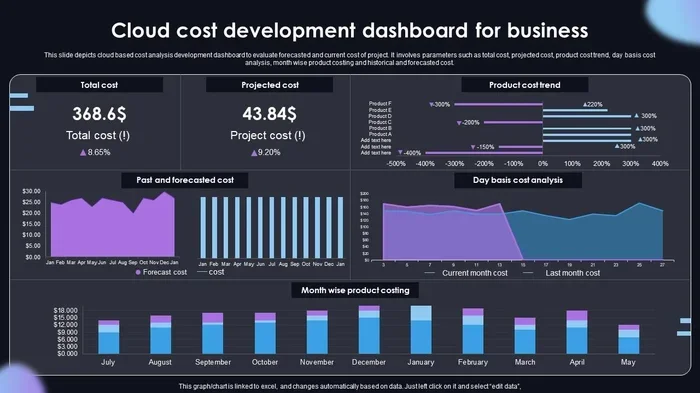
Most cloud providers offer built-in monitoring and budget alert tools. Set up alerts to notify you when your spending approaches a certain threshold. This simple step prevents cloud computing expenses from spiraling out of control and gives you visibility into where your money is going.
Review and Clean Up Unused Resources
It is easy to forget about old virtual machines, unattached storage volumes, or unused databases. Over time, these forgotten resources quietly add to your bill. Schedule a monthly review to identify and shut down anything that is no longer in use. This is one of the fastest ways to trim your cloud computing budget.
Is Cloud Computing Worth the Cost in 2025?
The short answer is yes, for most businesses. The average cost of cloud computing is often much lower than running your own data centers. You do not need to buy expensive hardware, pay for electricity, cool your servers, or hire a large in-house IT team.
Cloud computing also offers incredible flexibility. You can start small and scale up as your business grows. This makes it especially attractive for startups and small businesses that need cloud migration cost solutions without large upfront investments.
That said, cloud computing is not automatically cheaper for every situation. If your workloads are extremely predictable and run 24/7 at full capacity, on-premises infrastructure might eventually be more cost-effective. The key is to analyze your specific needs, compare providers, and use the strategies outlined in this guide to keep your spending in check.
In 2025, the companies that win are the ones that treat the cloud as a tool to optimize, not just a bill to pay. With the right approach, you can harness the power of the cloud while keeping your cloud computing cost well within your budget.
Start by evaluating your current usage, exploring different cloud pricing models, and setting up a monitoring system to track your spending. Small changes today can lead to big savings over time, and the average cost of cloud computing becomes far more manageable when you take control of it.
Frequently Asked Questions
What is the average cost of cloud computing for a small business in 2025?
Most small businesses spend between 50 and 500 dollars per month on cloud computing cost. This range covers basic hosting, storage, and a few cloud services. The exact amount depends on your workload, provider, and usage patterns.
Which cloud provider has the lowest average cost?
Google Cloud often has slightly lower base pricing than AWS and Azure, especially for storage and data processing. However, the average cost of cloud computing varies by workload, so it is always best to compare quotes from all three major providers before making a decision.
Are there hidden costs in cloud computing?
Yes, hidden costs are common. Data egress fees, premium support plans, and migration expenses can add up quickly. Always review the full cloud computing pricing breakdown before signing up, and monitor your usage regularly to avoid surprise bills.
How can I lower my cloud computing expenses?
You can reduce your cloud hosting expenses by right-sizing resources, using auto-scaling, leveraging reserved and spot instances, and regularly cleaning up unused services. These cloud cost optimization strategies can cut your bill by 30 to 50 percent.
Is pay-as-you-go the best pricing model for most businesses?
Pay-as-you-go is ideal for businesses with variable or unpredictable workloads. It offers flexibility and requires no long-term commitment. However, if your usage is steady and predictable, reserved instances can save you significantly more money over time.
What factors have the biggest impact on cloud computing cost?
The biggest factors are compute power, storage volume, data transfer fees, support tier, and geographic region. Understanding these elements helps you plan your cloud computing budget and avoid unexpected expenses in 2025.
=== CONCLUSION ===
The average cost of cloud computing in 2025 depends on many factors, but one thing is clear: cloud technology offers incredible value for businesses of all sizes. By understanding cloud pricing models, comparing providers, and using smart cost-saving strategies, you can enjoy the benefits of the cloud without breaking the bank.
Take the time to evaluate your needs, monitor your spending, and explore the options available to you. The more informed you are, the better decisions you will make. Start optimizing your cloud computing cost today, and you will see the results in your monthly budget and your bottom line.