Why Earning a Cloud Computing Bachelor Degree Pays Off
A cloud computing bachelor degree opens doors to high-paying, in-demand careers across every industry. You will learn real-world skills like cloud architecture, DevOps, and network security using platforms such as AWS, Microsoft Azure, and Google Cloud Platform. With job growth expected to surge over 25% in the next five years, now is the perfect time to invest in this degree. This guide covers everything from program selection to certifications that will make you stand out to employers.
So you are thinking about a cloud computing bachelor degree? That is a really smart move. The world of work is changing fast, and cloud skills are in huge demand right now. Companies of all sizes need people who can build, manage, and secure cloud systems. A cloud computing bachelor degree gives you the foundation you need to step into this exciting field.
Whether you are fresh out of high school or looking to switch careers, this degree can open doors. You will learn about cloud services, distributed computing, and virtualization. You will also get hands-on experience with platforms like AWS, Microsoft Azure, and Google Cloud Platform. By the time you graduate, you will have real skills that employers want.
In this article, we will walk you through everything you need to know. We will cover what the degree involves, what jobs you can get, and how much you can earn. We will also share tips on picking the right program and boosting your career with certifications. Let us dive in.
Key Takeaways
- A cloud computing bachelor degree leads to strong career outcomes: jobs like cloud engineer, cloud architect, and DevOps specialist are in high demand with salaries ranging from $70,000 to $160,000.
- The curriculum blends theory with hands-on practice: you will work with real cloud platforms like AWS, Azure, and Google Cloud throughout your studies.
- Certifications boost your earning power: adding AWS or Azure certifications to your degree makes you more competitive in the cloud computing job market.
- Choosing the right program matters: look for accreditation, hands-on labs, industry partnerships, and a curriculum that covers cloud infrastructure and security.
- Common mistakes can derail your progress: avoid skipping certifications, neglecting networking, and waiting until graduation to gain real-world experience.
- The field is growing fast: cloud computing careers are expanding well above average compared to most other IT roles, offering strong job security.
- Remote-friendly skills are built in: cloud computing degree programs teach you skills that support remote and hybrid work arrangements.
📑 Table of Contents
- What Is a Cloud Computing Bachelor Degree?
- Why Cloud Computing Is a Booming Career Field
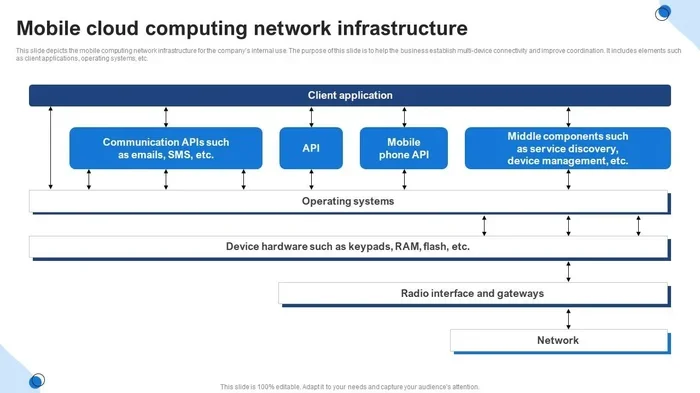
- What You Will Learn in a Cloud Computing Program
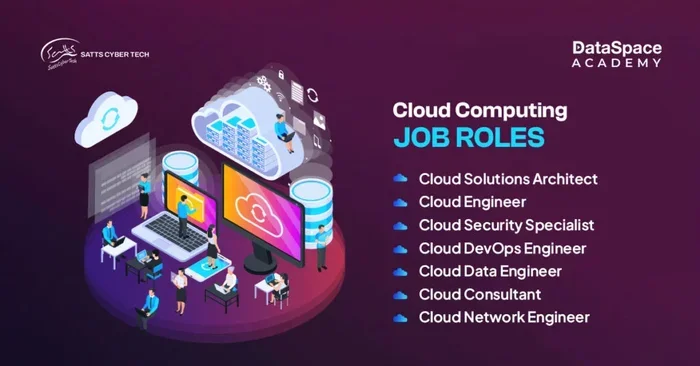
- Top Cloud Computing Jobs and What They Pay
- How to Choose the Right Cloud Computing Degree Program
- Common Mistakes to Avoid When Pursuing a Cloud Computing Degree
- Certifications That Supercharge Your Cloud Computing Career
- Conclusion
What Is a Cloud Computing Bachelor Degree?
A cloud computing bachelor degree is a four-year undergraduate program that teaches you how to design, build, and manage cloud-based systems. It blends software development, network security, and data center management into one focused curriculum. Most programs award a Bachelor of Science in Cloud Computing or a closely related field. The goal is to make you job-ready when you walk across the stage.
What Makes It Different from a Regular IT Degree?
A traditional IT degree covers a broad range of topics. You might study databases, programming, and hardware systems. A cloud computing degree zooms in on cloud infrastructure and cloud services. You spend more time working with real cloud platforms and less time on older, on-site server setups. This focus makes you more attractive to employers who are actively hiring for cloud computing jobs.
Core Subjects You Will Study
Here are some of the key subjects you will encounter during your program:
- Cloud Architecture – Learn how to design scalable and reliable cloud systems.
- Virtualization – Understand how to run multiple systems on one physical machine.
- Network Security – Protect cloud data and systems from threats and breaches.
- DevOps Practices – Bridge the gap between development and operations teams.
- Data Storage and Management – Work with large-scale databases hosted in the cloud.
- Distributed Computing – Study how computers work together across networks to solve problems.
Why Cloud Computing Is a Booming Career Field
The demand for cloud computing professionals is growing every single year. More businesses are moving their operations to the cloud. This shift means there are thousands of new cloud computing jobs opening up. A cloud computing bachelor degree positions you right at the heart of this trend.
Companies Are Moving to the Cloud Fast
Big companies like Netflix, Airbnb, and even local stores now rely on cloud services. They need cloud engineers, cloud architects, and DevOps specialists to keep things running smoothly. The cloud computing job market is expected to grow by over 25% in the next five years. That is much faster than most other fields. This means strong job security for graduates with a cloud computing degree.
Remote Work Made Cloud Skills Even More Valuable
Remote work has changed how companies operate. Teams now collaborate using cloud-based tools from anywhere in the world. This means cloud computing careers are not just growing in tech hubs. They are everywhere. A cloud computing bachelor degree gives you the flexibility to work from almost anywhere. You could land a remote role at a startup or a Fortune 500 company.
What You Will Learn in a Cloud Computing Program
A good cloud computing bachelor degree program balances theory with hands-on practice. You will not just read about clouds. You will build them, break them, and fix them. Here is what a typical program looks like across four years.
Year One and Two: Building the Foundation
In your first two years, you will focus on the basics. You will take courses in programming, math, and computer networks. You will learn languages like Python and Java. You will also study how computers communicate with each other. These skills form the backbone of cloud infrastructure and cloud services. Think of this phase as laying a strong foundation before you build the house.
Year Three and Four: Going Deep into Cloud
In your upper years, you will dive into advanced topics. You might take courses on AWS or Microsoft Azure. You will learn how to deploy applications in the cloud. You will also work on capstone projects that mimic real-world challenges. Many programs also include internships, which give you valuable cloud computing experience before you even graduate.
Hands-On Labs and Real Projects
One of the best parts of a cloud computing degree is the hands-on work. You will use real cloud platforms in lab sessions. For example, you might build a web app on Google Cloud Platform or set up a virtualization environment. These projects go on your resume and impress employers. They prove you can do the job, not just talk about it.
Top Cloud Computing Jobs and What They Pay
So what can you do with a cloud computing bachelor degree? The options are wide open. Let us look at some of the most popular cloud computing careers and their salaries. This will give you a clear picture of what to expect.
Cloud Computing Jobs and Salary Overview
| Job Title | Average Salary (USD) | Growth Outlook |
|---|---|---|
| Cloud Engineer | $95,000 – $130,000 | Very High |
| Cloud Architect | $120,000 – $160,000 | Very High |
| DevOps Engineer | $100,000 – $145,000 | High |
| Cloud Security Analyst | $90,000 – $125,000 | High |
| Cloud Administrator | $70,000 – $95,000 | Moderate |
| Solutions Architect | $115,000 – $155,000 | Very High |
Which Job Fits You Best?
If you love building things, consider becoming a cloud engineer. You will set up and maintain cloud systems for companies. If you prefer big-picture thinking, a cloud architect role might be your fit. You would design the overall cloud strategy for a business. For those who enjoy fixing and improving processes, DevOps roles are a great choice. You would help teams deploy code faster and more reliably.
No matter which path you choose, a cloud computing bachelor degree gives you a strong starting point. And remember, your first job is not your last job. Many professionals move between roles as they grow their skills and explore new areas of cloud infrastructure.
How to Choose the Right Cloud Computing Degree Program
Not all cloud computing degree programs are the same. Picking the right one can make a big difference in your career. Here is what to look for before you commit.
Accreditation Matters
Always choose a program that is properly accredited. Accreditation means the school meets quality standards set by recognized bodies. Employers respect degrees from accredited institutions. It also makes you eligible for financial aid and transfer credits if you decide to continue your education later.
Look for Hands-On Training
A cloud computing bachelor degree should include lots of practical work. Look for programs that give you access to real cloud platforms. Ask if they offer lab hours, internships, or industry partnerships. The more hands-on experience you gain, the better prepared you will be when you enter the cloud computing job market.
Check the Curriculum Carefully
Make sure the program covers key areas like cloud services, network security, and virtualization. A strong curriculum also includes DevOps and distributed computing. Read the course catalog carefully before you commit. You want a program that teaches what employers actually need.
Quick Tips for Choosing a Program
- Check if the program includes AWS or Azure training built into the coursework.
- Look for schools with strong industry partnerships and internship placements.
- Ask about graduate employment rates and where alumni are working now.
- Consider online options if you need flexibility while working or handling family duties.
- Read student reviews and reach out to alumni to hear about their experiences.
Common Mistakes to Avoid When Pursuing a Cloud Computing Degree
Even the best students can make missteps along the way. Here are some common mistakes to steer clear of during your studies.
Skipping Certifications
Many students focus only on their degree and ignore cloud computing certifications. Big mistake. Certifications like AWS Certified Solutions Architect or Microsoft Azure Administrator can set you apart from other graduates. They show employers you have real, verified skills that go beyond what a transcript can show.
Neglecting Networking
Your network matters a lot in tech. Attend job fairs, join cloud computing communities online, and connect with alumni. Many cloud computing jobs are filled through referrals and personal connections. Building relationships early pays off big time when you are ready to search for your first role.
Waiting Until Graduation to Gain Experience
Do not wait until you get your degree to start building experience. Take on freelance projects, volunteer for cloud tasks, or do internships while you study. Real-world cloud computing experience makes your resume stand out. Employers want to see that you can apply what you learned in a real setting.
Certifications That Supercharge Your Cloud Computing Career
A cloud computing bachelor degree gives you a strong foundation. But adding certifications can supercharge your career. Employers love candidates who go the extra mile. Here are the top certifications to consider adding to your cloud computing degree.
AWS Certifications
Amazon Web Services is the leading cloud services provider in the world. Their certifications are recognized by employers everywhere. Start with the AWS Cloud Practitioner exam if you are new to cloud. Then work your way up to AWS Solutions Architect or AWS Developer certifications as you gain confidence.
Microsoft Azure Certifications
Microsoft Azure is another major player in cloud infrastructure. Their Azure Administrator and Azure Solutions Architect certs are highly valued by employers. Many cloud computing degree programs include Azure training in their curriculum. This makes it easy to earn your cert while still in school.
Google Cloud Certifications
Google Cloud Platform offers certifications in areas like data engineering and cloud architecture. These are great if you want to work with Google Cloud services specifically. They complement your cloud computing bachelor degree nicely and show employers you have broad platform knowledge.
Expert Insight
Hiring managers say that candidates with both a cloud computing degree and at least one major certification get noticed faster. A degree shows you have the knowledge. A certification proves you can apply it. Together, they are a powerful combination that sets you apart in the cloud computing careers landscape.
Conclusion
Earning a cloud computing bachelor degree is one of the best investments you can make in your future. The field is growing fast, salaries are strong, and the skills you learn are in demand across every industry. Whether you want to be a cloud engineer, a cloud architect, or a DevOps specialist, this degree gives you the head start you need to succeed.
Pick the right program, gain hands-on experience, and add certifications along the way. Stay curious and keep learning new things. The world of cloud computing is always evolving, and there is always something new to discover. Start your journey today, and you will be glad you did.
Frequently Asked Questions
How long does it take to earn a cloud computing bachelor degree?
Most cloud computing bachelor degree programs take four years of full-time study. If you attend part-time or transfer credits from previous coursework, it may take less time. Some accelerated programs can be completed in about three years.
Is a cloud computing degree worth it in 2024 and beyond?
Absolutely. The cloud computing job market is expanding rapidly, and companies of all sizes need skilled professionals. A cloud computing degree gives you the foundational knowledge and hands-on skills that employers are actively looking for right now.
Can I work in cloud computing without a degree?
Yes, it is possible. Some people enter the field through cloud computing certifications and self-study. However, a cloud computing bachelor degree gives you a competitive edge and opens doors to higher-level roles like cloud architect and solutions architect.
What is the difference between cloud computing and traditional IT?
Traditional IT focuses on managing physical servers and on-site infrastructure. Cloud computing involves building and managing systems that run on remote servers accessed through the internet. A cloud computing degree teaches you the modern tools and platforms that companies use today.
Which cloud platform should I focus on during my degree?
It is smart to gain exposure to multiple platforms. AWS, Microsoft Azure, and Google Cloud Platform are the three major players. Most cloud computing degree programs include training in at least two of these, giving you a well-rounded skill set.
Do I need coding skills for a cloud computing career?
Yes, basic coding skills are very helpful. Most cloud computing degree programs teach languages like Python and Java. You do not need to be an expert coder, but understanding code helps you deploy, manage, and troubleshoot cloud services effectively.