Bachelor in Cloud Computing Opens Doors to Tech Careers
A bachelor in cloud computing is one of the fastest paths into the tech industry. This degree teaches you to build, manage, and secure cloud infrastructure that powers modern businesses. Graduates can pursue roles like cloud engineer, cloud architect, and DevOps specialist. With cloud computing jobs growing rapidly, now is the perfect time to earn this degree. Whether you are new to tech or looking to level up, this guide covers everything you need to know.
Key Takeaways
- High Demand: Cloud computing skills are in huge demand across every industry.
- Great Salary Potential: Cloud computing salary figures are well above average for tech roles.
- Flexible Learning: Many programs offer online cloud courses alongside traditional campus options.
- Industry Certifications: Earning AWS, Azure, or Google Cloud credentials boosts your resume significantly.
- Diverse Career Paths: Graduates can work as cloud engineers, architects, security analysts, and more.
- Future-Proof Skills: Cloud infrastructure knowledge keeps you relevant as technology evolves.
📑 Table of Contents
- Why a Bachelor in Cloud Computing Is Worth It
- What You Will Learn in a Cloud Computing Degree
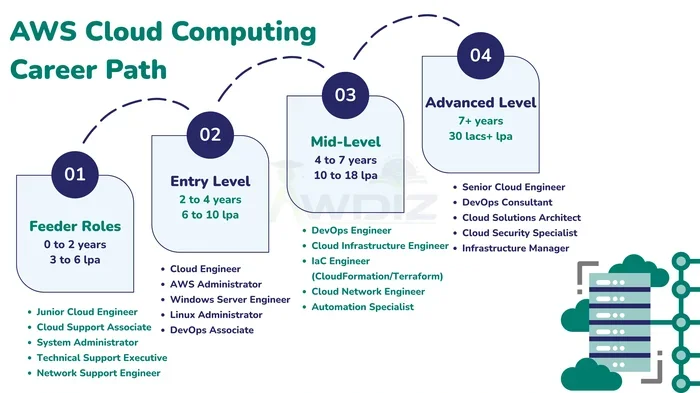
- Top Cloud Computing Career Paths After Graduation
- Cloud Computing Salary and Job Outlook
- How to Choose the Right Bachelor Program
- Quick Tips for Success in Cloud Computing Studies
- Common Mistakes to Avoid
- Expert Insights on the Future of Cloud Computing
- Conclusion
Why a Bachelor in Cloud Computing Is Worth It
The tech world is moving fast. Companies of all sizes now rely on cloud infrastructure to run their daily operations. From small startups to giant corporations, everyone needs skilled professionals who understand cloud computing. That is exactly why earning a bachelor in cloud computing makes so much sense today.
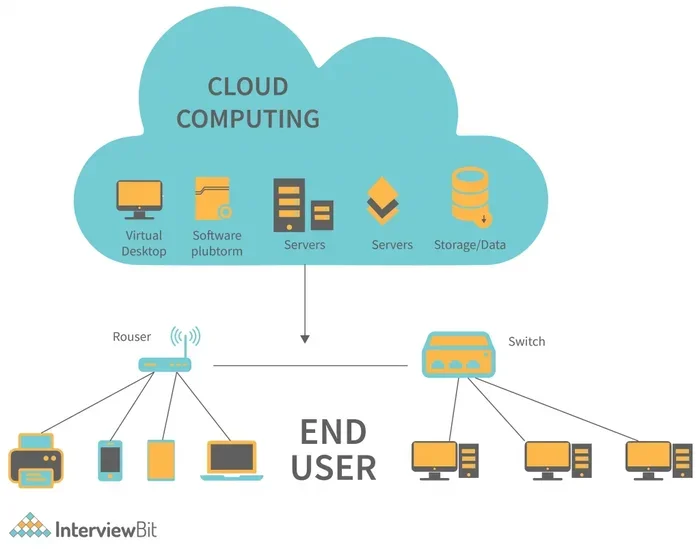
Think about how much you use the cloud every day. You store photos on Google Drive. You stream movies through Netflix. Your team collaborates on files using Microsoft 365. All of this runs on powerful cloud servers managed by trained experts. A bachelor in cloud computing teaches you how that whole system works behind the scenes.
What makes this degree special is its practicality. You do not just learn theory. You get hands-on experience with real platforms like Amazon Web Services, Microsoft Azure, and Google Cloud Platform. These are the same tools that top companies use every single day. By graduation, you already have practical skills employers want.
Another big advantage is flexibility. Many universities now offer online cloud courses alongside traditional classroom programs. This means you can study at your own pace. You can work part-time while earning your degree. The learning options are more accessible than ever before.
The job market for cloud computing jobs is exploding. Reports show that demand for cloud professionals is growing much faster than most other tech roles. Companies are actively hiring people who can design, deploy, and maintain cloud systems. A bachelor degree gives you the foundation to step into this exciting field with confidence.
What You Will Learn in a Cloud Computing Degree
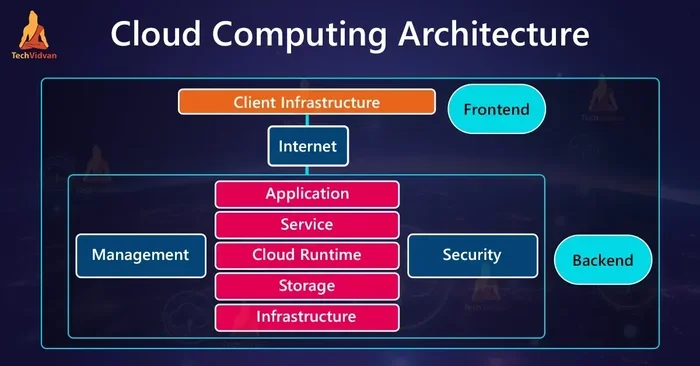
A bachelor in cloud computing covers a wide range of topics. The goal is to make you a well-rounded professional. You will understand not just the tools but also the principles behind them. Here is a closer look at what the curriculum typically includes.
Core Subjects and Courses
Most programs start with foundational courses in software development and computer science. You will learn programming languages like Python, Java, or JavaScript. These skills form the backbone of cloud application development.
You will also study network administration in depth. Understanding how networks function is essential for managing cloud environments. Courses often cover TCP/IP, routing, firewalls, and load balancing. These concepts help you troubleshoot real-world problems.
Virtualization is another key topic. This is the technology that makes cloud computing possible. You learn how to create virtual machines, manage virtual networks, and allocate resources efficiently. It is a core skill for any cloud professional.
Database management is also a major focus. Cloud-based databases like MySQL, PostgreSQL, and NoSQL solutions are widely used. You will learn how to store, retrieve, and secure data in the cloud. This is critical for building reliable applications.
Hands-On Labs and Projects
Good programs include plenty of hands-on practice. You will work on real projects using actual cloud platforms. For example, you might deploy a web application on AWS. Or you could build a virtual network on Microsoft Azure.
These projects give you a portfolio to show employers. They prove you can do the job, not just pass tests. Many students also participate in hackathons and team-based assignments. This builds collaboration skills that matter in the workplace.
Industry Certifications Built Into the Curriculum
Some degree programs integrate certification prep into their courses. You might study for the AWS Certified Cloud Practitioner exam during your coursework. Others prepare you for Microsoft Azure Fundamentals or Google Cloud Associate certifications.
Having these credentials before graduation is a huge advantage. Employers trust certified professionals. It shows you have verified skills and real commitment to the field. You can earn certifications while still working on your degree.
Top Cloud Computing Career Paths After Graduation
Earning a bachelor in cloud computing opens many doors. The skills you gain apply to a variety of roles. Let us explore the most popular career paths.
Cloud Engineer
Cloud engineers are the builders of cloud systems. They set up, configure, and maintain cloud environments. They make sure applications run smoothly and securely. This is one of the most in-demand cloud computing jobs right now.
Typical tasks include provisioning servers, managing storage, and monitoring performance. Cloud engineers also troubleshoot issues and optimize costs. They work closely with developers and operations teams to keep everything running.
Cloud Architect
A cloud architect takes a bigger-picture view. They design the overall cloud strategy for an organization. This includes choosing the right platforms and services. They also plan how different systems will connect and communicate.
Cloud architects need deep technical knowledge and strong problem-solving skills. They often lead teams and guide major technology decisions. This role typically requires a few years of experience after graduation. But starting with a solid degree puts you on the right track.
DevOps Engineer
DevOps is all about bringing development and operations together. A DevOps engineer automates the process of building, testing, and deploying software. Cloud platforms play a huge role in modern DevOps workflows.
You will use tools like Docker, Kubernetes, and CI/CD pipelines. These tools help teams release software faster and more reliably. A bachelor in cloud computing gives you the perfect foundation for this career.
Cloud Security Analyst
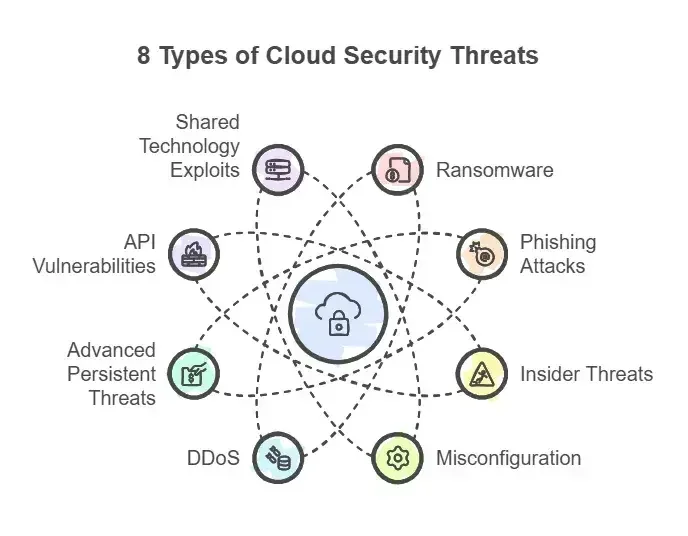
Security is a top priority for every company using the cloud. Cloud security analysts protect data and systems from threats. They monitor for breaches, set up firewalls, and enforce compliance rules.
This role is growing fast as cyber threats become more sophisticated. Companies need experts who understand both cloud platforms and security best practices. A degree in cloud computing with a security focus is ideal for this path.
Cloud Computing Salary and Job Outlook
One of the biggest reasons to pursue a bachelor in cloud computing is the financial reward. Cloud computing salary figures are impressive across all experience levels.
Entry-level cloud roles often start between $65,000 and $85,000 per year. With a few years of experience, that number climbs significantly. Senior cloud engineers and architects regularly earn over $120,000 annually. Top performers in major tech hubs can even exceed $150,000.
The job outlook is equally promising. The U.S. Bureau of Labor Statistics projects strong growth in IT occupations over the next decade. Cloud-specific roles are expected to grow even faster. As more companies move to the cloud, the need for skilled professionals only increases.
Location also plays a role in earning potential. Tech hubs like San Francisco, Seattle, and New York offer higher salaries. However, remote work has expanded opportunities significantly. Many cloud professionals now work from anywhere in the world.
How to Choose the Right Bachelor Program
Not all cloud computing degree programs are the same. Choosing the right one can make a big difference in your career. Here are some factors to consider carefully.
Accreditation Matters
Always check that the program is properly accredited. Accreditation ensures the degree meets quality standards. Employers respect degrees from accredited institutions. It also makes you eligible for federal financial aid if needed.
Curriculum Depth and Breadth
Look at the course catalog closely. Does the program cover cloud security? What about cloud migration and data center management? A well-rounded curriculum prepares you for real-world challenges.
Programs that include hands-on labs are especially valuable. Theory is important, but practice builds real skill. Try to find programs that partner with major cloud providers for training.
Faculty and Industry Connections
Check who teaches the courses. Instructors with industry experience bring real-world insights to the classroom. They can also connect you with networking opportunities and job leads.
Some programs have partnerships with companies like Amazon, Microsoft, or Google. These connections can lead to internships and job placements. That is a huge advantage when you are starting out.
Flexibility and Format
If you are working or have other commitments, look for flexible options. Many schools now offer online cloud courses or hybrid formats. You can complete coursework on your schedule while still getting a quality education.
Consider also the length of the program. Most bachelor degrees take four years of full-time study. Some accelerated programs can be completed in three years. Part-time options are available too, though they take longer.
Quick Tips for Success in Cloud Computing Studies
Here are some practical tips to help you thrive in your bachelor in cloud computing program:
- Start with free tiers: AWS, Azure, and Google Cloud all offer free tier accounts. Use them to practice at home without spending money.
- Build a home lab: Set up virtual machines on your own computer. This gives you real experience with virtualization tools.
- Pursue certifications early: Even before graduating, earning an AWS certification or Azure certification makes your resume stand out.
- Join communities: Online forums like Reddit and Stack Overflow are great for learning. You can also join local meetups and conferences.
- Work on projects: Build personal projects and host them in the cloud. This gives you portfolio pieces to show potential employers.
- Stay current: Cloud technology changes quickly. Follow blogs, watch tutorials, and keep learning even after you graduate.
Common Mistakes to Avoid
Even motivated students can make missteps along the way. Being aware of these common mistakes helps you stay on track.
Skipping fundamentals. It is tempting to jump straight into advanced cloud topics. But without a solid foundation in networking, operating systems, and programming, you will struggle. Take the time to learn the basics thoroughly.
Ignoring security. Many beginners focus only on building and deploying. They overlook cloud security entirely. Security should be part of your skill set from day one. Employers value professionals who can build secure systems.
Not getting certified. A degree is important, but certifications add real weight to your resume. They show employers you have verified, up-to-date skills. Try to earn at least one major certification before graduation.
Staying in your comfort zone. The cloud field is vast. Do not limit yourself to just one platform. Explore AWS, Azure, and Google Cloud. The more platforms you know, the more versatile and employable you become.
Neglecting soft skills. Technical ability matters, but communication and teamwork are equally important. Cloud professionals often work in cross-functional teams. Being able to explain complex concepts clearly is a major asset.
Expert Insights on the Future of Cloud Computing
Industry experts agree that cloud computing is not a passing trend. It is the backbone of modern technology. Cloud migration continues to accelerate across every sector, from healthcare to finance to entertainment.
Emerging technologies like artificial intelligence and the Internet of Things are driving even more demand. These technologies rely heavily on cloud infrastructure to process massive amounts of data. As they grow, so does the need for skilled cloud professionals.
Experts also point to the rise of multi-cloud strategies. Many companies now use services from multiple cloud providers. This approach reduces risk and increases flexibility. It also creates new opportunities for professionals who understand multiple platforms.
The role of cloud computing certification will continue to grow in importance. As the field matures, employers will look for verified skills more than ever. Staying certified and continuously learning will be key to long-term success.
According to leading industry analysts, the global cloud market is expected to double in size within the next five years. This growth translates directly into more jobs and higher salaries. Now is truly the best time to invest in a bachelor in cloud computing.
Conclusion
Earning a bachelor in cloud computing is one of the smartest moves you can make for your career. The degree gives you in-demand skills, strong earning potential, and access to a wide range of IT careers. From cloud engineering to security analysis, the options are diverse and exciting.
The tech industry is changing fast, and cloud computing sits at the heart of that change. Companies everywhere need professionals who can design, build, and manage cloud infrastructure. A solid degree prepares you to meet that demand with confidence.
If you are passionate about technology and looking for a career with real growth potential, this path is worth serious consideration. Start exploring programs today. Take the first step toward a rewarding future in cloud computing. Your journey into one of the most dynamic fields in tech begins with the right education.
Frequently Asked Questions
What is a bachelor in cloud computing?
A bachelor in cloud computing is an undergraduate degree that teaches you how to design, build, and manage cloud-based systems. You learn about platforms like AWS, Azure, and Google Cloud, along with networking, security, and software development fundamentals.
How long does it take to complete a cloud computing degree?
Most bachelor programs take four years of full-time study. Some accelerated programs can be completed in three years. Part-time and online options are also available, which may take longer depending on your schedule.
Can I get a cloud computing job with just a bachelor degree?
Yes, many entry-level cloud roles are accessible with a bachelor degree alone. Adding industry certifications like AWS or Azure can significantly boost your chances. Hands-on experience through projects and internships also makes a big difference.
What is the average cloud computing salary for bachelor graduates?
Entry-level cloud computing jobs typically pay between $65,000 and $85,000 per year. With a few years of experience, salaries can rise well above $100,000. The exact figure depends on your role, location, and certifications.
Do I need prior tech experience to study cloud computing?
No prior experience is usually required. Most programs start with foundational courses in programming and computer science. If you are willing to learn and practice, you can succeed in this field regardless of your background.
Which cloud platform should I focus on during my studies?
It is best to gain experience with multiple platforms. AWS, Microsoft Azure, and Google Cloud Platform are the three major providers. Learning more than one makes you more versatile and attractive to employers in the job market.
=== CONCLUSION ===
A bachelor in cloud computing is more than just a degree. It is a launchpad into one of the most exciting and fastest-growing fields in technology. The skills you gain are practical, relevant, and highly valued by employers worldwide. Whether you dream of becoming a cloud engineer, architect, or security specialist, this degree gives you the foundation to succeed. The demand for cloud professionals is not slowing down. Investing in your education now pays off for years to come. Take action today and open the door to a rewarding tech career.