The Risks Associated with Cloud Computing You Should Know
The risks associated with cloud computing include data breaches, downtime, and vendor lock-in. Businesses must understand these threats to keep their information safe. This guide breaks down the biggest dangers and offers simple ways to stay protected.
Moving to the cloud offers amazing benefits for any business of any size. You get fast speed, easy access, and big savings compared to old servers. But you must understand the risks associated with cloud computing. Many business owners jump right in without thinking about the dangers. They assume the cloud provider handles all the security for them. This is simply not true. You share the responsibility. When you ignore this, you invite trouble into your company. Small businesses suffer the most because they lack big IT teams. They trust the cloud to be perfectly safe all the time.
Every single day, companies store sensitive info online. They trust third-party servers with their most valuable data. This trust comes with serious security vulnerabilities. From data breaches to compliance issues, the threats are real and growing. Understanding these risks associated with cloud computing helps you stay safe. It stops you from losing valuable information or paying huge fines. Let us explore these dangers in detail so you can protect your business.
Key Takeaways
- Data Breaches are Common: Hackers target cloud systems, making strong encryption vital.
- Compliance is Crucial: Failing to meet regulatory standards leads to heavy fines.
- Vendor Lock-In is Real: Switching providers can be difficult and expensive.
- Downtime Hurts Revenue: Internet dependency means outages directly impact business operations.
- Insider Threats Exist: Not all risks come from outside your organization.
📑 Table of Contents
Understanding the Risks Associated with Cloud Computing
The digital world moves incredibly fast today. Cloud platforms give you scalability and amazing speed. Yet, they also open doors for bad actors. You cannot ignore the risks associated with cloud computing. Many experts call this the shared responsibility model. You must know what can go wrong. Only then can you build a strong defense against attacks.
Data Breaches and Unauthorized Access
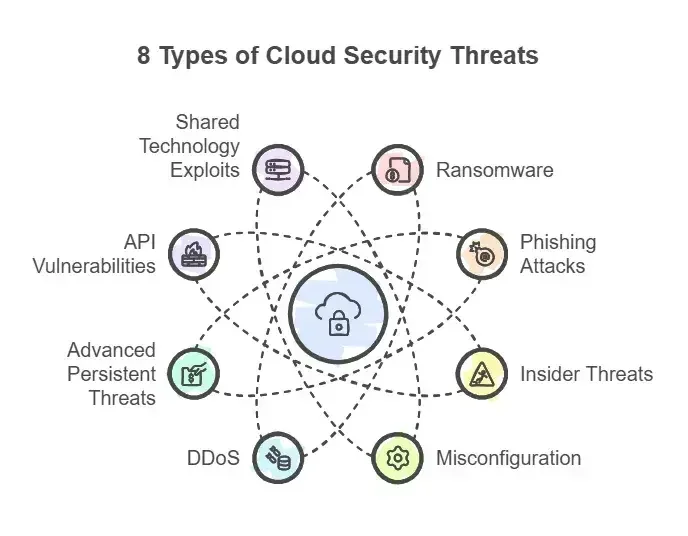
A data breach is the absolute worst nightmare for any company. Hackers love cloud environments because they hold so much valuable info. They constantly look for weak spots in your identity management. If they get in, they steal everything. Customer records, financial data, and trade secrets are all at risk. Unauthorized access happens when someone gets into your system without permission. This often occurs due to poor passwords or stolen credentials. It also happens when you skip proper encryption. A breach destroys trust instantly. Customers will leave your business if you cannot protect them. Always use multi-factor authentication to block these bad actors.
Downtime and Internet Dependency
Cloud systems need a strong internet connection to work. If your connection drops, you lose access to everything. This is called downtime. Even the biggest cloud providers face outages sometimes. When the cloud goes down, your business stops running. You cannot access your files or serve your customers. This internet dependency creates huge scalability risks. You might think you can handle anything the cloud throws at you. But a simple network outage ruins everything very quickly. Always have a backup plan ready so you can keep working.
Compliance and Data Sovereignty Challenges
Storing data in the cloud means it lives somewhere else. That somewhere has its own strict rules and laws. This leads to big compliance issues for many businesses. You must follow laws in your country and the provider’s country. Ignoring these rules brings heavy regulatory compliance fines. The government does not care about your excuses or your small size. You will still face the penalty. A single mistake can cost you thousands of dollars. It can also hurt your reputation badly. Customers do not trust companies that cannot protect their info.
Navigating Regulatory Compliance
Laws like GDPR and HIPAA are very strict about data handling. They govern how you store and share personal info. When you use cloud storage, your data can cross borders easily. Your data might sit on a server overseas without you knowing. This creates data sovereignty problems that are hard to solve. You must ensure the provider meets all local laws. Check their service level agreements carefully and read every word. If they fail to comply, you might still pay the heavy price.
The Multi-Tenancy Risks
Cloud providers use a model called multi-tenancy to save money. This means many customers share the same physical server. It works great for cost savings. But it also creates hidden risks. A flaw in the shared system can expose everyone using it. This is a serious shared technology risk that many ignore. If one tenant gets hacked, others might get affected too. Always ask your provider exactly how they isolate your data from others.
Vendor Lock-In and Migration Challenges
Switching cloud providers is much harder than you might think. This is known as vendor lock-in. You build your entire business system on one platform. Later, you decide you want to leave. But moving your data and apps is incredibly painful. The formats might not match the new provider. The costs can skyrocket very fast. Migration challenges keep many businesses trapped paying too much. You lose your bargaining power when you cannot leave.
Why Changing Providers is So Hard
Providers make it super easy to sign up for their service. But they make it very hard to leave. Your applications become tightly tied to their specific tools. Extracting your data takes a lot of time and money. This vendor lock-in limits your flexibility badly. You cannot threaten to leave if you physically cannot go. Always ask about data portability before you commit to a contract. Read the fine print very carefully to avoid getting stuck.
Insider Threats and Shadow IT
Not all threats come from hackers hiding in dark rooms. Some of the biggest dangers sit right inside your own office. Insider threats are dangerous because the bad actor already has access. A disgruntled employee can leak or delete data very easily. They know the passwords and exactly where the sensitive files are kept. This is a serious cyberattack vector that many companies overlook completely. Sometimes it is an angry worker. Other times it is just a careless mistake. Either way, the damage is done before you know it.
The Human Element in Cloud Security
Employees often use unauthorized apps to get their work done faster. This is called shadow IT. They do this because the official tools are too slow. But these unauthorized apps lack proper security controls. They create blind spots that hackers can easily exploit. You cannot protect what you do not even know exists. Training your team is absolutely essential to fix this. Teach them about unauthorized access dangers and safe browsing habits. Set clear rules for using company resources and devices.
Mitigating the Risks Associated with Cloud Computing
Knowing the dangers is only half the battle. You must take real action to reduce the risks associated with cloud computing. A strong strategy protects your business. It keeps your data safe and your customers very happy. Here is how you can build a solid defense.
Quick Tips for Cloud Safety
- Use Strong Encryption: Always encrypt data at rest and in transit. This stops hackers from reading your info even if they steal it.
- Enable Multi-Factor Authentication: Add a second step to all logins. It blocks unauthorized access even if passwords get leaked.
- Audit Regularly: Check your cloud settings often. Misconfigurations are a leading cause of data loss and breaches.
- Train Your Staff: Teach employees about shadow IT and safe browsing. Humans are often the weakest link in any security chain.
- Read the SLAs: Understand your service level agreements completely. Know exactly what the provider promises and what they do not.
Common Mistakes to Avoid
Many companies make avoidable errors that put them at risk. Here are the top mistakes you should skip at all costs:
- Ignoring Data Loss: Backups are not optional in the cloud. Assume the cloud can fail and prepare for it with regular backups.
- Trusting the Provider Blindly: The shared responsibility model means you still have work to do. Do not assume they handle everything.
- Skipping Security Audits: Regular checks find holes before hackers do. Do not wait for a breach to check your settings.
- Overlooking Data Sovereignty Rules: Know exactly where your data lives physically. Different countries have different laws about data storage.
Expert Insights on Cloud Risk Management
Security experts agree on one very important thing. You cannot eliminate all security vulnerabilities completely. But you can minimize them very effectively. Focus on building a culture of security within your team. Make it everyone’s job, not just the IT department’s job. Experts also stress the importance of a zero-trust architecture. Trust no one and verify everyone all the time. This approach stops insider threats and external cyberattacks alike. It keeps your cloud infrastructure safe from both inside and outside attacks.
Cloud Risk Comparison Table
| Risk Type | Impact Level | Best Defense |
|---|---|---|
| Data Breaches | Critical | Strong Encryption and IAM |
| Downtime | High | Multi-Cloud Strategy |
| Compliance Fines | Critical | Regular Audits |
| Vendor Lock-In | Medium | Portable Data Formats |
Conclusion
The risks associated with cloud computing are real and very serious. You face data breaches, compliance issues, and vendor lock-in every day. But you are not powerless against these threats. By understanding these dangers, you take control of your business. Use strong encryption and strict identity management to guard your data. Watch out for shadow IT and insider threats from your own team. Stay ahead of cyberattacks and regulatory compliance demands at all times. The cloud is a powerful tool for growth. Use it wisely, and your business will thrive for years to come.
Frequently Asked Questions
What are the biggest risks associated with cloud computing?
The biggest dangers include data breaches, downtime, and compliance issues. Hackers constantly target cloud systems for unauthorized access. You also face the risk of losing data if your provider has an outage. Understanding these risks helps you prepare better defenses.
How does multi-tenancy create risks associated with cloud computing?
Multi-tenancy means sharing physical servers with other companies. A flaw in the shared system can expose your data. This is a major security vulnerability. Always ask your provider how they isolate different tenants from each other.
What is vendor lock-in and why is it a risk?
Vendor lock-in happens when you depend too much on one provider. Switching to a new platform becomes very difficult and expensive. This limits your flexibility and bargaining power. Always ensure your data can move easily between systems.
How can shadow IT increase the risks associated with cloud computing?
Shadow IT refers to employees using unauthorized apps to get work done. These apps often lack proper security controls. They create blind spots that hackers can exploit easily. Training staff to use approved tools is essential to reduce this threat.
What role does regulatory compliance play in cloud security?
Regulatory compliance means following laws like GDPR or HIPAA. Storing data in the cloud can cross international borders. This creates data sovereignty challenges and potential fines. You must ensure your provider meets all local legal requirements.
How can businesses mitigate the risks associated with cloud computing?
Businesses can reduce risks by using strong encryption and multi-factor authentication. Regular security audits help find misconfigurations before hackers do. Reading your service level agreements carefully ensures you know the provider’s exact responsibilities.