The Benefits of Hybrid Cloud Computing for Business
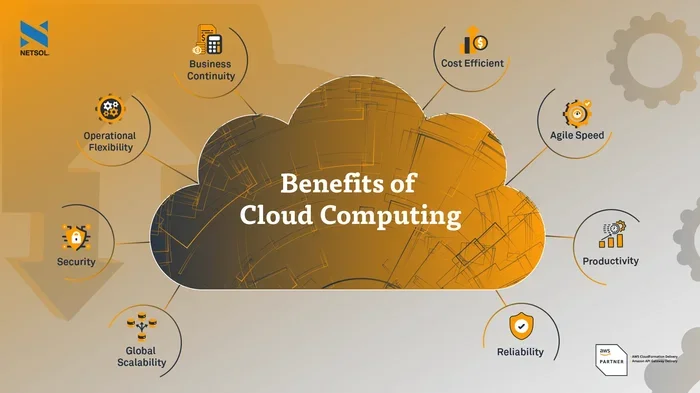
The benefits of hybrid cloud computing for business are vast and game-changing. Hybrid cloud gives companies the power to mix private and public cloud resources for maximum flexibility. You get better cost control, stronger security, and faster growth. This guide breaks down why so many businesses are switching to hybrid cloud setups. If you want to stay competitive, understanding hybrid cloud is essential.
Hybrid cloud computing has changed the way businesses handle their IT needs. It combines the best of both worlds — private and public cloud environments. This approach gives companies more control, flexibility, and value than ever before.
More and more organizations are turning to hybrid cloud solutions. Why? Because the benefits of hybrid cloud computing for business are simply too good to ignore. Whether you run a small startup or a large enterprise, hybrid cloud can transform how you work.
In this article, we will explore the real advantages of hybrid cloud computing. We will look at cost savings, security, scalability, and much more. By the end, you will have a clear picture of why hybrid cloud adoption makes sense for your business.
Key Takeaways
- Cost Efficiency: Hybrid cloud lets you pay only for what you use, cutting wasted spending.
- Stronger Security: You keep sensitive data on private servers while using public cloud for everyday tasks.
- Scalability on Demand: Scale up or down quickly based on real business needs.
- Better Compliance: Hybrid setups make it easier to meet strict regulatory requirements.
- Workload Flexibility: Move workloads between private and public clouds seamlessly.
- Faster Innovation: Hybrid cloud accelerates deployment and testing of new ideas.
- Business Continuity: Built-in backup and disaster recovery keep your operations running.
📑 Table of Contents
What Is Hybrid Cloud Computing?
Hybrid cloud computing blends private cloud infrastructure with public cloud services. Think of it as a custom IT setup that fits your exact needs. You keep sensitive data on your own servers. At the same time, you use public cloud resources for less critical tasks.
This setup is different from a fully public cloud or a fully private cloud. With hybrid IT, you get the control of a data center and the power of cloud computing. You also get the freedom to move workloads between both environments.
Many businesses use hybrid cloud deployment to handle different types of workloads. Some workloads need tight security. Others need fast scaling. Hybrid cloud lets you match each workload to the right environment.
Top Benefits of Hybrid Cloud Computing for Business
The advantages of hybrid cloud computing are wide-ranging. Let us dive into the most important ones.
1. Cost Savings and Better Budget Control
One of the biggest benefits of hybrid cloud computing for business is cost efficiency. Public cloud services let you pay only for what you use. You do not need to invest heavily in hardware upfront.
You can keep your private cloud for steady, predictable workloads. Then, use public cloud for bursts of activity. This model is called cloud bursting, and it saves a lot of money.
Here is a quick look at how costs compare:
- Private Cloud Only: High upfront costs, but predictable monthly spending.
- Public Cloud Only: Low upfront costs, but bills can spike during peak times.
- Hybrid Cloud: Balanced spending with the best of both models.
With hybrid cloud, you avoid wasting money on idle resources. You also avoid surprise public cloud bills. This kind of cloud strategy gives your finance team more predictability.
2. Scalability and Flexibility
Business needs change fast. Hybrid cloud gives you the scalability to keep up. When demand spikes, you can tap into public cloud resources instantly.
When things slow down, you scale back. You are not locked into a fixed infrastructure. This flexibility is a huge advantage for growing companies.
For example, an online retailer might need extra computing power during the holiday season. With hybrid cloud, they can add public cloud capacity just for that period. After the holidays, they scale back down. This is called workload flexibility, and it is a key reason businesses choose hybrid cloud.
3. Enhanced Data Security
Security is a top concern for every business. Hybrid cloud lets you keep sensitive data in your private environment. You control who has access and how it is protected.
At the same time, public cloud providers invest heavily in security tools. They offer advanced threat detection and encryption. By combining both, you get a layered security approach.
This is especially important for companies with strict compliance requirements. Industries like healthcare, finance, and government often need hybrid setups. They can store regulated data privately while using public cloud for less sensitive tasks.
4. Better Compliance and Regulatory Support
Many industries face strict rules about data storage and handling. Hybrid cloud makes compliance easier. You can keep regulated data on your private servers where you control it fully.
You still get the benefits of public cloud for non-regulated workloads. This separation helps you meet compliance requirements without sacrificing efficiency.
For instance, a hospital can store patient records in its private cloud. It can use public cloud for appointment scheduling and billing. This keeps sensitive health data secure while still improving operations.
5. Faster Innovation and Time to Market
Hybrid cloud speeds up development and testing. Teams can use public cloud resources to build and test new apps quickly. They do not need to wait for internal infrastructure.
Once an app is ready, it can move to the private cloud for production. This pipeline cuts down the time it takes to launch new products. Business agility improves dramatically.
Startups and large companies alike benefit from this. Hybrid cloud adoption removes bottlenecks. It lets teams experiment and innovate without heavy investments.
6. Improved Disaster Recovery and Business Continuity
Every business needs a backup plan. Hybrid cloud makes disaster recovery simpler and more reliable. You can back up data across both private and public environments.
If one system goes down, the other can take over. This means less downtime and fewer lost sales. Cloud migration of backup processes to a hybrid setup is straightforward.
Many companies find that hybrid cloud improves their overall IT infrastructure resilience. It is a smart investment in long-term stability.
How Hybrid Cloud Boosts Cost Savings
Let us take a closer look at the financial benefits. Cost savings are often the number one reason companies adopt hybrid cloud.
With a hybrid approach, you optimize your spending across both environments. You do not overspend on private infrastructure for tasks that do not need it. And you do not overpay for public cloud resources that sit idle.
Here are some practical tips to maximize savings:
- Audit your workloads: Identify which workloads belong in private vs. public cloud.
- Use auto-scaling: Let public cloud resources expand and shrink with demand.
- Monitor spending: Track cloud costs regularly to catch waste early.
- Leverage reserved instances: Save money by committing to public cloud usage long-term.
These steps help you build a cost-effective hybrid cloud strategy. Over time, the savings add up significantly.
Security and Compliance in a Hybrid Setup
Security is not one-size-fits-all. Hybrid cloud lets you tailor your approach to each workload.
You can apply the strongest protections to your most sensitive data. Public cloud handles the rest with solid but less restrictive security measures. This tiered approach is both practical and effective.
Compliance also becomes easier to manage. You can map data flows across your hybrid IT environment. This visibility helps you pass audits and meet regulatory standards with confidence.
Many businesses worry about the complexity of hybrid security. But with the right cloud strategy and tools, it is very manageable. Most public cloud providers offer compliance certifications that make your job easier.
Choosing the Right Hybrid Cloud Strategy
Not all hybrid cloud setups are the same. Your strategy should match your business goals and IT infrastructure.
Start by identifying your most critical workloads. Ask yourself what needs tight control and what needs flexibility. This assessment guides your hybrid cloud deployment decisions.
Next, choose your cloud providers carefully. Make sure they support seamless integration between private and public environments. Interoperability is key to a smooth hybrid IT setup.
Also consider your team’s skills. Hybrid cloud requires some expertise in cloud migration and management. Invest in training or partner with a managed service provider if needed.
A good hybrid cloud strategy also includes a clear governance model. You need policies for data placement, access control, and cost management. Without these, your hybrid setup can become messy fast.
Getting Started with Hybrid Cloud Adoption
Ready to make the move? Here is a simple roadmap to get started.
- Assess your current IT infrastructure: Know what you have before you change anything.
- Define your goals: What do you want from hybrid cloud? Cost savings? Better security? Faster innovation?
- Start small: Pick one or two workloads to migrate first. Learn as you go.
- Choose your tools: Select platforms that support hybrid cloud computing and workload flexibility.
- Train your team: Make sure your IT staff understands hybrid deployment and management.
- Monitor and optimize: Keep tracking performance and costs after the move.
The journey to hybrid cloud does not happen overnight. But each step brings you closer to a more agile, efficient, and secure IT environment.
The benefits of hybrid cloud computing for business are clear. From cost savings to better security, hybrid cloud delivers real value. It is not just a trend — it is a smart business move.
Companies that embrace hybrid cloud gain a competitive edge. They can adapt to change faster, protect their data better, and grow without limits. The flexibility of hybrid IT is exactly what modern businesses need.
If you have been wondering whether hybrid cloud is right for you, the answer is likely yes. Start with a clear plan, pick the right tools, and take it one step at a time. Your business will thank you.
Hybrid cloud computing is the future of IT infrastructure. And the sooner you start, the sooner you will see the results. Make the move to hybrid cloud today and unlock the full potential of your business.
Frequently Asked Questions
What are the main benefits of hybrid cloud computing for business?
The main benefits include cost savings, better scalability, stronger security, and improved compliance. Hybrid cloud also offers workload flexibility and faster innovation. It gives businesses the control of private cloud and the power of public cloud.
Is hybrid cloud more expensive than public cloud alone?
Not necessarily. Hybrid cloud often leads to lower overall costs. You use public cloud for burst workloads and private cloud for steady ones. This balance helps you avoid overspending in either direction.
What industries benefit most from hybrid cloud adoption?
Healthcare, finance, government, and retail see big benefits. These industries often have strict compliance requirements alongside variable workloads. Hybrid cloud lets them meet regulations while staying agile.
How does hybrid cloud improve data security?
Hybrid cloud lets you keep sensitive data in your private environment. You control access and encryption on your terms. Public cloud handles less sensitive tasks with strong but lighter security measures.
What is the difference between hybrid cloud and multi-cloud?
Hybrid cloud combines private and public cloud within one environment. Multi-cloud uses multiple public cloud providers. Many businesses use both together for maximum flexibility and cloud strategy power.
How long does it take to migrate to a hybrid cloud setup?
The timeline varies based on your IT infrastructure and workloads. Small migrations can take a few weeks. Larger enterprise transitions may take several months. A phased approach helps keep things manageable and smooth.
=== CONCLUSION ===
The benefits of hybrid cloud computing for business are real and impactful. From cost savings and scalability to better security and compliance, hybrid cloud delivers on every front. It is a smart investment for any company looking to grow and stay competitive.
Hybrid cloud gives you the flexibility to adapt. You control what stays private and what goes public. This level of control is powerful and rare in today’s fast-moving digital world.
Start exploring hybrid cloud options today. Assess your needs, build a clear strategy, and take the first step. The advantages of hybrid cloud computing will follow. Your business is ready for the hybrid future.