Public Cloud Computing Offers 3 Key Benefits to Organizations
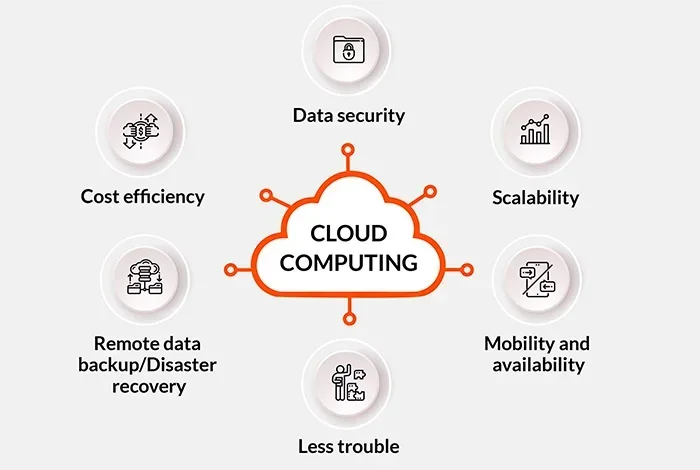
Public cloud computing offers three key benefits to organizations: significant cost savings, effortless scalability, and robust security. By leveraging cloud services, businesses of all sizes can reduce IT expenses, scale resources on demand, and access enterprise-grade protection without heavy upfront investment. These advantages make public cloud computing a smart choice for modern organizations.
Every organization today needs reliable technology to stay competitive. But building and maintaining your own IT infrastructure is expensive, complex, and time-consuming. That is exactly where public cloud computing changes the game.
Public cloud computing offers three key benefits to organizations that make it a no-brainer for modern businesses. Whether you are a startup with ten employees or a global enterprise, the public cloud delivers cost savings, scalability, and security in ways that traditional IT simply cannot match. In this article, we will break down each benefit in detail and show you why migrating to the public cloud might be the best decision your company ever makes.
Key Takeaways
- Cost Efficiency: Public cloud computing eliminates the need for expensive hardware and upfront capital spending, letting organizations pay only for what they use.
- Effortless Scalability: Organizations can scale resources up or down in seconds, matching demand without overprovisioning or wasting money.
- Enterprise-Grade Security: Leading public cloud providers invest billions in security, giving smaller companies access to protection they could never build alone.
- Faster Innovation: Cloud platforms offer ready-to-use tools like AI, analytics, and databases that speed up development and deployment.
- Global Reach: Public cloud infrastructure spans the world, helping organizations serve customers in multiple regions with low latency.
- Disaster Recovery Made Simple: Cloud-based backup and recovery options are built into most public cloud platforms at a fraction of traditional costs.
📑 Table of Contents
- What Is Public Cloud Computing?
- Benefit 1: Significant Cost Savings
- Benefit 2: Scalability and Flexibility
- Benefit 3: Robust Security and Reliability
- Comparing the Three Benefits at a Glance
- Getting Started with Public Cloud Computing
- Overcoming Common Concerns About Public Cloud
- The Future of Public Cloud Computing
What Is Public Cloud Computing?
Before diving into the benefits, let us quickly clarify what public cloud computing actually means. In simple terms, it is a model where a third-party provider delivers computing resources — like servers, storage, and software — over the internet. These resources are shared across multiple customers, which is why they are called “public.”
Think of it like renting an apartment instead of building a house. You get a comfortable place to live without the huge upfront cost or maintenance headaches. The cloud provider handles all the infrastructure, and you just pay for what you use. Popular public cloud platforms include Amazon Web Services, Microsoft Azure, and Google Cloud Platform.
Now, let us look at why so many organizations are making the shift to cloud services every single day.
Benefit 1: Significant Cost Savings
The first and most obvious advantage of public cloud computing is the money it saves organizations. Traditional IT requires purchasing servers, renting data center space, hiring specialized staff, and replacing outdated hardware. All of that adds up fast.
With the public cloud, you shift from a capital expense model to an operational expense model. Instead of spending millions upfront, you pay a predictable monthly bill based on actual usage. This pay-as-you-go model is a game changer for businesses trying to manage their budgets wisely.
How Cost Savings Actually Work
Here is a quick look at where organizations save money with public cloud services:
- No hardware purchases: You do not need to buy expensive servers or networking equipment.
- Lower energy costs: The cloud provider handles power and cooling for the data centers.
- Reduced IT staffing: Many maintenance tasks are managed by the provider, so you need fewer in-house technicians.
- No overprovisioning: You only pay for the resources you actually consume, not the ones sitting idle.
- Free software updates: Most cloud platforms include automatic updates, saving you time and money.
A small business that used to spend $50,000 per year on on-premises servers might pay $15,000 for the same workloads on a public cloud. Those savings can be redirected toward growth, marketing, or hiring.
Real-World Cost Example
Consider a growing e-commerce company. During the holiday season, traffic spikes dramatically. In the old model, they would have needed to buy extra servers months in advance “just in case.” Those servers would sit idle for most of the year. With cloud computing, they simply scale up during November and December, then scale back down in January. They pay for peak capacity only when they need it.
Quick Tip: Always monitor your cloud usage with built-in billing dashboards. Setting up alerts helps you avoid surprise charges and keeps your cloud costs under control.
Benefit 2: Scalability and Flexibility
The second major benefit of public cloud computing is the ability to scale resources instantly. Business needs change constantly — sometimes by the hour. The public cloud gives organizations the flexibility to respond quickly without any physical constraints.
Scalability in the cloud comes in two forms: vertical and horizontal. Vertical scaling means upgrading a single server with more power (CPU, RAM). Horizontal scaling means adding more servers to handle increased load. Both are possible with just a few clicks in a cloud console.
Why Scalability Matters for Business Growth
Here are the main reasons why cloud scalability is so valuable:
- Handling traffic spikes: Your website or app stays fast even during sudden surges in visitors.
- Supporting seasonal demand: Retailers, tax firms, and event-based businesses can flex resources up and down with the calendar.
- Experimenting with new ideas: You can test new applications on a small scale before committing to full deployment.
- Expanding to new markets: Deploy resources in different regions around the world without building local data centers.
- Avoiding wasted capacity: Scale down when demand drops, so you are never paying for unused resources.
Imagine you run a food delivery app. On a rainy Tuesday evening, orders might spike 300%. Without the cloud, your servers would crash and customers would leave. With public cloud infrastructure, the system automatically adds more computing power to handle the surge. When the evening ends, it scales back down. Your customers never notice, and your wallet stays happy.
Flexibility Beyond Scaling
Flexibility in the public cloud goes beyond just adding or removing servers. Organizations can choose from thousands of cloud services — databases, machine learning tools, content delivery networks, and more. This means you can build and deploy applications faster than ever before. The cloud adoption trend continues to grow because businesses realize they no longer need to build everything from scratch.
Expert Insight: Companies that embrace cloud scalability report faster time-to-market for new products. They can launch a new feature in days instead of months, giving them a real edge over competitors still tied to traditional infrastructure.
Benefit 3: Robust Security and Reliability
The third key benefit of public cloud computing is the level of security and reliability it provides. Many people assume that keeping data on-premises is safer. But the truth is, the largest cloud providers spend billions of dollars on cybersecurity and infrastructure resilience every year.
Leading public cloud providers employ teams of security experts, use advanced encryption, and maintain strict compliance certifications. Most individual organizations simply cannot afford to match that level of protection on their own.
How Cloud Providers Keep Your Data Safe
Here is what top cloud platforms do to protect your information:
- Encryption at rest and in transit: Your data is encrypted everywhere — stored and moving between systems.
- Multi-factor authentication: Extra layers of identity verification prevent unauthorized access.
- Regular security audits: Independent third parties continuously test the provider’s defenses.
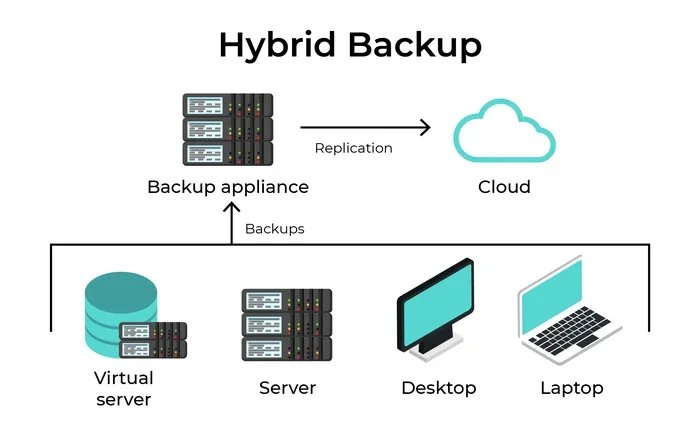
- Automatic backups: Data is regularly backed up across multiple geographic locations.
- Compliance certifications: Providers meet standards like SOC 2, HIPAA, GDPR, and ISO 27001.
Another critical advantage is disaster recovery. If a natural disaster, power outage, or hardware failure hits your local office, your data and applications remain safe in the cloud. Most public cloud platforms offer built-in backup and recovery tools that make restoring operations fast and painless.
Reliability You Can Count On
Public cloud providers guarantee extremely high uptime — often 99.99% or higher. They achieve this through redundant systems spread across multiple data centers worldwide. If one server fails, another takes over seamlessly. This level of reliability is nearly impossible to replicate with on-premises infrastructure unless you invest enormous sums.
For organizations that depend on always-available systems — like hospitals, banks, and online retailers — this reliability is not just nice to have. It is absolutely essential.
Common Mistake: Many organizations assume that moving to the public cloud automatically makes them secure. In reality, security is a shared responsibility. While the provider secures the infrastructure, you are still responsible for configuring access controls, managing passwords, and protecting your applications. Always review your cloud security settings carefully.
Comparing the Three Benefits at a Glance
To help you see the full picture, here is a simple comparison of how each benefit impacts your organization:
| Benefit | What It Solves | Who It Helps Most |
|---|---|---|
| Cost Savings | High IT expenses and unpredictable spending | Startups, small businesses, and cost-conscious teams |
| Scalability | Rigid infrastructure that cannot adapt to change | Growing companies and seasonal businesses |
| Security and Reliability | Data loss, downtime, and cyber threats | All organizations, especially regulated industries |
As you can see, each benefit addresses a real and pressing challenge. Together, they make a powerful case for public cloud adoption.
Getting Started with Public Cloud Computing
Ready to explore the public cloud for your organization? Here are some practical steps to get started without feeling overwhelmed.
Step 1: Assess Your Current Needs
Start by taking inventory of your existing IT setup. What applications are you running? How much storage do you use? What are your peak usage times? Understanding your current state helps you choose the right cloud services and avoid paying for things you do not need.
Step 2: Choose a Cloud Provider
Not all cloud providers are the same. AWS, Azure, and Google Cloud each have their strengths. AWS offers the broadest range of services. Azure integrates beautifully with Microsoft products. Google Cloud excels in data analytics and machine learning. Evaluate based on your specific needs and budget.
Step 3: Start Small
Do not try to migrate everything at once. Begin with a single application or workload. Test it thoroughly. Learn how the cloud environment works for your team. Once you feel confident, expand to additional workloads gradually.
Step 4: Train Your Team
Your staff will need to learn new tools and processes. Most cloud providers offer free training courses and certification programs. Investing in cloud skills training pays off quickly in efficiency and confidence.
Quick Tip: Set a monthly budget and use cost management tools from day one. This simple habit prevents cloud cost creep and keeps your spending predictable.
Overcoming Common Concerns About Public Cloud
Despite the clear benefits, some organizations hesitate to move to the public cloud. Let us address the most common concerns honestly.
Is My Data Safe in the Public Cloud?
Yes — when configured correctly. The major providers offer security that most organizations could never afford to build themselves. The key is to follow best practices like enabling encryption, setting strict access controls, and regularly auditing your configurations.
Will I Lose Control Over My Systems?
You retain full control over your applications and data. The difference is that the underlying hardware is managed by the provider. Think of it like driving a car — you control where it goes, but you do not need to understand how the engine works under the hood.
What About Vendor Lock-In?
This is a valid concern. To avoid it, use open standards and containerized applications where possible. Many organizations adopt a multi-cloud strategy, using services from more than one provider. This approach gives you flexibility and bargaining power.
The Future of Public Cloud Computing
The public cloud is evolving rapidly. New technologies like artificial intelligence, edge computing, and serverless architectures are making cloud platforms even more powerful. Organizations that embrace public cloud computing today are positioning themselves to take advantage of these innovations tomorrow.
More and more companies are adopting cloud-native development practices, building applications specifically designed to run in the cloud. This approach unlocks even greater speed, reliability, and efficiency. The trend is clear: the public cloud is not a passing fad. It is the foundation of modern IT.
Expert Insight: Industry analysts predict that global spending on public cloud services will exceed $1 trillion by 2026. Organizations that get started now will have a significant advantage as the technology continues to mature and evolve.
Whether your goal is to cut costs, scale faster, or strengthen your security posture, public cloud computing delivers on all three fronts. The benefits are real, proven, and available to organizations of every size.
Frequently Asked Questions
What are the three main benefits of public cloud computing for organizations?
The three key benefits are cost savings, scalability, and security. Organizations save money by avoiding expensive hardware, scale resources up or down instantly, and benefit from enterprise-grade protection built into the cloud infrastructure.
How does public cloud computing reduce costs for businesses?
Public cloud computing uses a pay-as-you-go model, meaning you only pay for the resources you actually consume. This eliminates the need for expensive upfront hardware purchases, reduces energy costs, and lowers the need for large IT support teams.
Is public cloud computing safe for sensitive business data?
Yes. Leading public cloud providers invest heavily in encryption, multi-factor authentication, and regular security audits. They maintain strict compliance certifications and offer built-in disaster recovery tools that protect sensitive data far better than most on-premises setups.
Can small businesses benefit from public cloud computing?
Absolutely. Small businesses often benefit the most because they gain access to the same powerful infrastructure as large corporations without the massive upfront costs. The public cloud levels the playing field and allows small teams to compete with bigger players.
What is the difference between public cloud and private cloud?
Public cloud resources are shared across multiple customers and managed by a third-party provider, making it more affordable and scalable. Private cloud infrastructure is dedicated to a single organization, offering more control but at a significantly higher cost and complexity.
How long does it take to migrate to the public cloud?
Migration time varies depending on the size and complexity of your existing IT setup. Small organizations can often complete a migration in a few weeks, while larger enterprises might take several months. Starting with a single workload and expanding gradually is the recommended approach.
=== CONCLUSION ===
Public cloud computing offers three key benefits to organizations that transform how businesses operate: significant cost savings, effortless scalability, and enterprise-grade security. These advantages are not theoretical — they are proven by millions of organizations worldwide who have already made the leap to the public cloud.
Whether you are a small startup looking to minimize upfront costs or a large enterprise seeking to innovate faster, the public cloud delivers real, measurable value. The technology is mature, the providers are trusted, and the benefits are too compelling to ignore.
The best time to explore public cloud computing was yesterday. The second-best time is today. Start small, learn as you grow, and watch your organization unlock new levels of efficiency, agility, and success.