Security Benefits of Cloud Computing for Modern Businesses
The security benefits of cloud computing are transforming how modern businesses protect their data. Cloud providers invest heavily in cloud security tools like data encryption, threat detection, and access control that most companies cannot afford on their own. Switching to the cloud gives you disaster recovery, regulatory compliance, and cybersecurity defenses built by experts. This guide breaks down every major security benefit so you can make a confident decision.
Let’s face it. Keeping business data safe is harder than ever. Hackers get smarter every day. Regulations keep changing. And small teams simply cannot hire enough experts to stay ahead of every threat.
That is where cloud computing comes in. More and more companies are discovering that moving to the cloud does not just save money. It actually makes their data safer. The security benefits of cloud computing go far beyond what most businesses realize.
In this guide, we will walk through every major cloud security advantage. You will learn how data encryption, threat detection, and access control work together to protect your business. By the end, you will understand exactly why so many companies are making the cloud migration for safety reasons alone.
Key Takeaways
- Enterprise-Grade Protection: Cloud providers offer data encryption and threat detection tools that rival or exceed what most businesses can build themselves.
- Built-In Compliance: Leading platforms help you meet regulatory compliance standards like GDPR, HIPAA, and SOC 2 without extra effort.
- Disaster Recovery Made Easy: Automatic data backup and redundancy mean your business stays online even during a crisis.
- Shared Responsibility Model: Security is a partnership between you and your cloud provider, splitting the workload fairly.
- Scalable Security: Cloud access control and identity management grow with your business, keeping every user safe.
- Cost Savings: You avoid the massive expense of building and maintaining an on-premises security operations center.
📑 Table of Contents
- What Makes Cloud Security Different from Traditional Security
- Enterprise-Grade Data Encryption
- Advanced Threat Detection and Response
- Disaster Recovery and Data Backup
- Regulatory Compliance Made Simpler
- Stronger Access Control and Identity Management
- Cost-Effective Security Without Compromise
- Key Takeaways
- Conclusion
What Makes Cloud Security Different from Traditional Security
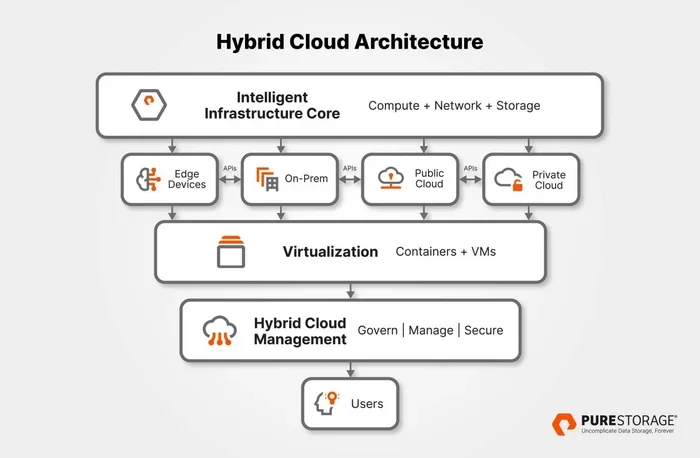
Before we dive into the benefits, it helps to understand the big picture. Traditional on-premises security means you own and manage every piece of your defense system. You buy the servers. You install the software. You hire the team. You handle network security updates yourself.
Cloud computing flips this model. Your cloud provider owns the infrastructure. They maintain the hardware. Their security teams monitor threats around the clock. This does not mean you have no responsibility. It simply means the work is shared.
The Shared Responsibility Model
The shared responsibility model is the foundation of cloud security benefits. Your provider secures the infrastructure. They manage physical servers, data centers, and core network defenses. You secure what lives inside the cloud. That includes your user permissions, data configurations, and application settings.
Think of it like renting an apartment. The landlord handles the building’s locks and structural repairs. You handle what goes on inside your unit. When both sides do their job, everyone stays safe.
Enterprise-Grade Data Encryption
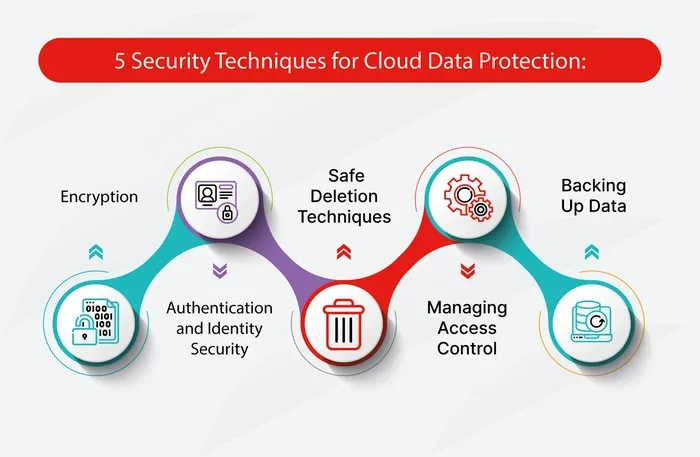
One of the biggest security benefits of cloud computing is data encryption. Encryption scrambles your information so that only authorized people can read it. Without the right encryption keys, stolen data is useless to hackers.
Most cloud platforms encrypt your data in two ways. First, they protect data at rest. This means files stored on their servers are always scrambled. Second, they protect data in transit. This means information moving between your device and the cloud stays encrypted the entire journey.
Small businesses often cannot afford enterprise-level encryption tools. But when you use the cloud, these protections come built in. You get the same level of security that Fortune 500 companies pay millions for.
How Encryption Works in Practice
Let us say you store customer records in the cloud. A hacker breaks into the storage system. All they find is scrambled text. They cannot read a single name or credit card number. Your encryption keys stay safely managed by the provider or by your own team.
Many cloud platforms also offer customer-managed keys. This gives you full control over who can unlock and access your data. It is an extra layer of trust that makes cloud security even stronger.
Advanced Threat Detection and Response
Cloud providers spend billions on threat detection technology. They employ entire security operations centers filled with experts watching for suspicious activity 24 hours a day. This level of monitoring is something almost no individual business can replicate.
When a new cybersecurity threat emerges, cloud companies respond fast. They push security updates across their entire network within hours. Your systems get protected automatically without you lifting a finger.
Traditional on-premises setups often rely on outdated threat databases. Cloud platforms use machine learning and artificial intelligence to spot unusual behavior in real time. If someone tries to access your files from an unknown device, the system flags it immediately.
Real-Time Monitoring and Alerts
Most cloud dashboards give you instant alerts when something looks suspicious. You can set up notifications for access control violations, unusual login attempts, or unexpected data transfers. This means you catch potential problems before they become full-blown crises.
For example, imagine an employee’s account gets compromised. A hacker tries to log in from another country. The cloud system blocks the attempt and sends you an alert within seconds. You can reset the password and secure the account before any damage happens.
Disaster Recovery and Data Backup
Hardware fails. Fires happen. Floods destroy offices. These events are rare, but when they strike, businesses without proper data backup plans can go under. One of the most valuable security benefits of cloud computing is built-in disaster recovery.
Cloud providers store your data across multiple geographic locations. This means your files exist in more than one data center. If one location goes down, your data stays safe in another. You barely notice the disruption.
On-premises setups often rely on a single backup location. If that backup is in the same building, a single disaster can destroy everything. The cloud eliminates this risk entirely.
Automatic Backups Save the Day
Cloud platforms handle data backup automatically. You do not need to remember to run backup software every night. The system does it for you on a schedule you set. Your data gets copied to secure locations regularly.
Recovery times also improve dramatically. With traditional setups, restoring data after a crash can take days. In the cloud, you can often recover critical files within minutes. This keeps your business running and your customers happy.
Regulatory Compliance Made Simpler
Staying compliant with regulations is a headache for many businesses. Laws like GDPR, HIPAA, and SOC 2 require strict data protection standards. Violating them means huge fines and damaged reputations. The security benefits of cloud computing make compliance much more manageable.
Leading cloud providers build their platforms to meet major compliance standards from the ground up. They undergo regular audits and certifications. When you use their services, you inherit much of that compliance groundwork.
Of course, you still need to configure your own setup correctly. But the foundation is already there. You save months of work and thousands of dollars in compliance consulting fees.
Built-In Compliance Tools
Most cloud platforms offer compliance dashboards and reports. These tools help you track who accessed what data and when. They generate the documentation auditors need to verify your regulatory compliance.
Some providers also offer specialized compliance packages. For example, healthcare companies can choose HIPAA-compliant storage plans. Financial firms can use platforms certified for PCI DSS. These tailored solutions remove the guesswork from compliance.
Stronger Access Control and Identity Management
Controlling who sees your data is at the heart of cloud security. Cloud platforms offer powerful access control and identity management tools that keep unauthorized users out.
You can set detailed permissions for every user in your organization. Some employees see everything. Others see only specific files. You decide exactly who gets access to what. This level of control is much harder to achieve with on-premises systems.
Multi-Factor Authentication
Most cloud services support multi-factor authentication. This means users must prove their identity in more than one way. They enter a password. Then they confirm their identity through a phone code or biometric scan.
Multi-factor authentication dramatically reduces the risk of unauthorized access. Even if a hacker steals a password, they still cannot get in without the second factor. It is one of the simplest and most effective cybersecurity defenses available.
Cloud platforms also support single sign-on solutions. Employees use one secure login to access multiple applications. This reduces password fatigue while keeping identity management centralized and controlled.
Cost-Effective Security Without Compromise
Running a strong security operations center in-house is expensive. You need skilled staff, advanced software, and constant training. For many small and mid-sized businesses, these costs are simply impossible to justify.
The security benefits of cloud computing level the playing field. When you move to the cloud, you tap into the security investments of companies like Amazon, Microsoft, and Google. Their annual security budgets dwarf what most businesses could ever spend on their own.
You get enterprise-grade protection at a fraction of the cost. Your cloud migration not only saves money on infrastructure but also eliminates the need for large in-house security teams.
Scaling Security as You Grow
Cloud security grows with your business. If you add 50 new employees, you simply update user licenses and permissions. The underlying security infrastructure handles the increase automatically. You do not need to buy new hardware or hire more security staff.
This scalability is a massive advantage. Traditional security systems often break down when businesses grow quickly. Cloud platforms handle the growth seamlessly, keeping your network security strong at every stage.
Key Takeaways
- Enterprise-Grade Protection: Cloud providers offer data encryption and threat detection tools that rival or exceed what most businesses can build themselves.
- Built-In Compliance: Leading platforms help you meet regulatory compliance standards like GDPR, HIPAA, and SOC 2 without extra effort.
- Disaster Recovery Made Easy: Automatic data backup and redundancy mean your business stays online even during a crisis.
- Shared Responsibility Model: Security is a partnership between you and your cloud provider, splitting the workload fairly.
- Scalable Security: Cloud access control and identity management grow with your business, keeping every user safe.
- Cost Savings: You avoid the massive expense of building and maintaining an on-premises security operations center.
Conclusion
The security benefits of cloud computing are clear and compelling. From data encryption and threat detection to disaster recovery and regulatory compliance, the cloud gives businesses protection that was once only available to large corporations. You get expert-level cloud security without the expert-level price tag.
Of course, cloud security is not automatic. You still need to configure your settings correctly and follow best practices. The shared responsibility model means both you and your provider play a role. But with the right approach, the cloud makes your business safer, smarter, and more resilient.
If you have been hesitant about moving to the cloud, security should no longer hold you back. The security benefits of cloud computing are real, proven, and ready for your business today.
Frequently Asked Questions
Is cloud computing actually safer than on-premises systems?
In most cases, yes. Cloud providers invest billions in cloud security infrastructure and expert teams. They offer data encryption, threat detection, and disaster recovery that most businesses cannot afford on their own. However, your safety also depends on how well you configure your own settings.
What is the shared responsibility model in cloud security?
The shared responsibility model means your cloud provider secures the infrastructure while you secure your data and access settings. They handle physical security and network defenses. You handle user permissions and configuration. Both sides must do their part for full protection.
Does moving to the cloud increase the risk of a data breach?
No, it typically reduces the risk. Major cloud platforms use advanced cybersecurity measures including multi-factor authentication, real-time monitoring, and automatic data backup. These protections are far stronger than what most individual businesses can implement themselves.
How does cloud computing help with regulatory compliance?
Leading cloud providers build their platforms to meet standards like GDPR, HIPAA, and SOC 2. They provide compliance tools, audit reports, and certified storage options. This makes it much easier for businesses to prove they are meeting regulatory compliance requirements.
Can small businesses benefit from cloud security features?
Absolutely. Cloud security levels the playing field. Small businesses get the same encryption, access control, and threat detection tools that large enterprises use. You pay a small monthly fee instead of millions in infrastructure and staff costs.
What should I look for in a secure cloud provider?
Look for providers with strong data encryption, compliance certifications, and a clear shared responsibility model. Check if they offer multi-factor authentication, automatic data backup, and real-time threat detection. Read reviews and ask about their security operations center capabilities.