Explore the Relationship Between Cloud Computing and Big Data
Cloud computing and big data share a powerful symbiotic relationship that drives modern digital transformation. Cloud platforms provide the scalable infrastructure needed to store and process massive datasets, while big data delivers the insights that make cloud investments worthwhile. Understanding this connection helps businesses make smarter, data-driven decisions that fuel growth.
Key Takeaways
- Cloud computing and big data are inseparable partners: one provides the infrastructure, the other delivers the value.
- Scalability is the biggest benefit: cloud platforms let you handle growing data volumes without heavy upfront costs.
- Real-time analytics become possible: combining cloud tools with big data pipelines speeds up decision-making.
- Cost efficiency improves dramatically: pay-as-you-go models mean you only spend on what you use.
- Security and compliance matter: both cloud and big data require strong governance to protect sensitive information.
- Hybrid and multi-cloud setups are rising: businesses mix strategies to get the best performance and flexibility.
- Start small and scale up: you don’t need a massive budget to begin leveraging this powerful combination.
📑 Table of Contents
- How Cloud Computing and Big Data Work Together
- The Foundation: What Cloud Computing Brings to Big Data
- How Big Data Drives the Need for Cloud Computing
- Key Benefits of Combining Cloud Computing with Big Data
- Real-World Examples of Cloud and Big Data in Action
- Common Mistakes to Avoid
- Expert Insights and Future Trends
- Quick Tips to Get Started
- Conclusion
How Cloud Computing and Big Data Work Together
Let’s talk about something that shapes nearly every modern business today. The relationship between cloud computing and big data is one of the most important partnerships in the tech world. Without cloud infrastructure, handling big data would be painfully slow and expensive. Without big data, cloud platforms would have a much harder time justifying their value.
Think of it this way. Cloud computing is the engine. Big data is the fuel. Together, they power the data-driven decisions that help companies grow, compete, and innovate. Whether you run a small startup or a global enterprise, understanding how these two forces connect will give you a real edge.
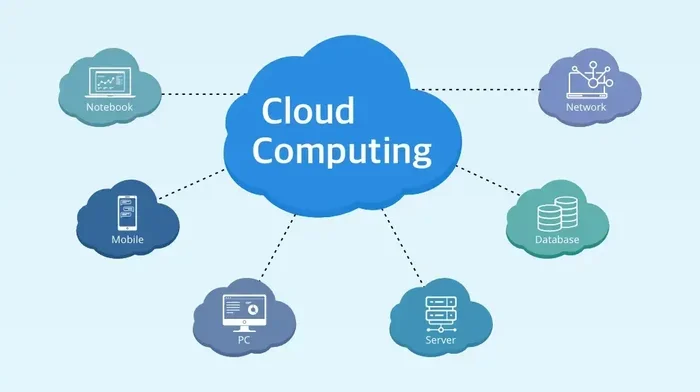
Before we dive deeper, let’s quickly set the stage. Cloud computing means using remote servers hosted on the internet to store, manage, and process data. Instead of relying on your own hard drives or local servers, you tap into powerful cloud infrastructure provided by companies like Amazon Web Services, Microsoft Azure, or Google Cloud. Big data refers to enormous sets of information that grow so fast and so large that traditional tools can’t handle them. When these two concepts come together, amazing things happen.
In this guide, we’ll explore every angle of this relationship. You’ll learn how they support each other, what practical benefits they offer, and how you can start using them in your own projects. We’ll also look at real-world examples, common mistakes to avoid, and expert tips that make the concepts easy to grasp.
Why This Relationship Matters Now More Than Ever
The digital world is exploding. Every day, people generate around 2.5 quintillion bytes of data. That’s from social media posts and online purchases to sensor readings and medical records. Traditional computers and storage systems simply can’t keep up. This is exactly where cloud platforms shine. They offer virtually unlimited space and processing power on demand.
Businesses that ignore this connection risk falling behind. Those that embrace it unlock new opportunities for real-time analytics, faster product development, and deeper customer understanding. The relationship between cloud computing and big data isn’t just a technical curiosity. It’s a competitive advantage that separates industry leaders from the rest.
The Foundation: What Cloud Computing Brings to Big Data
Cloud computing provides the backbone that big data needs to thrive. Let’s break down exactly what the cloud brings to the table.
Scalability Without Limits
One of the greatest gifts of cloud computing is scalability. When your data volumes grow, you don’t need to buy new hardware. You simply upgrade your plan or add more resources with a few clicks. This elastic model means you can handle sudden spikes in traffic or data intake without breaking a sweat.
For example, imagine an e-commerce site during the holiday shopping season. Traffic and transaction data surge dramatically. A cloud-based infrastructure scales up automatically to handle the load and scales back down afterward. You save money and keep everything running smoothly.
Cost-Effective Storage and Processing
Running your own data center is expensive. You need to buy servers, hire IT staff, pay for electricity, and manage maintenance. Cloud computing flips this model on its head. You pay only for what you use. This pay-as-you-go approach makes it affordable for small businesses to access the same powerful tools that large corporations use.
Here are some key cost benefits:
- No upfront hardware investment: you skip the massive capital expenditure.
- Pay only for active usage: idle resources don’t drain your budget.
- Reduced IT overhead: the cloud provider handles maintenance and updates.
- Flexible pricing tiers: you can choose plans that match your budget and needs.
Global Accessibility and Collaboration
Cloud platforms let teams access data and tools from anywhere in the world. A data scientist in Tokyo can work alongside an engineer in London, both pulling from the same cloud-based data lakes. This level of collaboration speeds up projects and improves the quality of data analytics outcomes.
Before the cloud era, sharing large datasets was a nightmare. You had to transfer files physically or send them over slow connections. Today, cloud storage makes it instant. Teams can iterate faster, test hypotheses sooner, and arrive at insights more quickly.
How Big Data Drives the Need for Cloud Computing
The connection goes both ways. Big data doesn’t just benefit from the cloud. It actually creates the demand that pushes cloud computing forward. Let’s look at why.
The Data Deluge Demands Better Infrastructure
Every click, swipe, and transaction generates data. IoT devices, social media platforms, and mobile apps all contribute to this flood. Traditional databases and on-premise servers simply cannot process this volume efficiently. Big data technologies like Hadoop and Spark need the distributed processing power that only cloud environments can provide.
When organizations collect massive datasets, they quickly realize they need a robust cloud architecture to manage it all. This is a key reason why cloud adoption has grown so rapidly over the past decade. The demand for big data processing has been a major driver of cloud expansion.
Advanced Analytics Requires Serious Compute Power
Analyzing big data isn’t just about storing it. You need to run complex algorithms, machine learning models, and statistical computations. These tasks require enormous processing power. Cloud services offer GPU clusters and distributed computing frameworks that make advanced analytics feasible for organizations of all sizes.
Consider a healthcare company analyzing patient records to predict disease outbreaks. They might process millions of records using machine learning pipelines hosted in the cloud. Without this infrastructure, the analysis could take weeks. With it, they get results in hours.
Data Lakes and Warehouses Thrive in the Cloud
A data lake is a vast repository where you store raw data in its native format. A data warehouse organizes that data for querying and reporting. Both of these concepts depend heavily on cloud computing. Services like Amazon S3, Google BigQuery, and Azure Synapse Analytics make it easy to build and manage these repositories.
The beauty of cloud-based data lakes is that you can ingest data from dozens of sources. Structured data from databases, unstructured data from social media, and semi-structured data from APIs all come together in one place. Cloud data pipelines then transform and load this information for analysis.
Key Benefits of Combining Cloud Computing with Big Data
When you bring these two technologies together, the results are impressive. Let’s walk through the main advantages.
Faster Time to Insight
Speed matters in business. The faster you can analyze data, the quicker you can act. Cloud computing accelerates data processing by distributing workloads across multiple servers. This means queries that used to take days now finish in minutes.
Real-time analytics is a game-changer. Companies can monitor live data streams, detect anomalies instantly, and respond to trends as they emerge. This capability is especially valuable in finance, cybersecurity, and supply chain management.
Improved Flexibility and Innovation
Cloud environments give teams the freedom to experiment. You can spin up a new data processing cluster in minutes, test a hypothesis, and tear it down when you’re done. This agility encourages innovation because the risk and cost of trying something new are so low.
Startups especially benefit from this flexibility. A small team can build a big data application on the cloud without hiring an entire IT department. They focus on creating value instead of managing infrastructure.
Enhanced Security and Compliance
Some people worry that storing data in the cloud is risky. In reality, major cloud providers invest billions in security. They offer encryption, identity management, and threat detection tools that most organizations couldn’t afford to build on their own.
Of course, you still need strong governance. Before adopting any cloud solution, make sure to review your provider’s terms and conditions carefully. Understanding your responsibilities and the provider’s obligations is essential for maintaining data security and regulatory compliance.
Disaster Recovery and Business Continuity
Data loss can be catastrophic. Cloud computing offers built-in disaster recovery features. Data gets replicated across multiple geographic regions, so even if one server goes down, your information stays safe and accessible.
For big data applications, this resilience is critical. Imagine a retail company during Black Friday. If their primary data center fails, cloud-based failover systems kick in automatically. Customers never experience a disruption, and the company avoids costly downtime.
Real-World Examples of Cloud and Big Data in Action
Theory is great, but real examples make the concepts click. Let’s look at how different industries use this powerful combination.
Retail and E-Commerce
Online retailers track everything from browsing behavior to purchase history. They feed this data into cloud-based analytics platforms that recommend products, optimize pricing, and predict demand. Companies like Amazon and Walmart rely heavily on the relationship between cloud computing and big data to stay ahead of competitors.
Healthcare and Life Sciences
Hospitals and research institutions collect enormous amounts of patient data. Genomic sequencing alone generates terabytes of information per study. Cloud platforms store and process this data, enabling researchers to identify patterns, develop treatments, and improve patient outcomes faster than ever before.
Finance and Banking
Banks use big data analytics to detect fraud in real time. Cloud infrastructure processes millions of transactions per second, flagging suspicious activity before it causes damage. This combination of speed and scale would be impossible with traditional on-premise systems.
Entertainment and Media
Streaming services like Netflix and Spotify analyze viewing and listening habits to personalize recommendations. They process petabytes of user data on cloud platforms to deliver a tailored experience to every subscriber. This keeps users engaged and drives subscription revenue.
Common Mistakes to Avoid
Even with the best intentions, organizations sometimes stumble when combining cloud computing and big data. Here are some pitfalls to watch out for.
- Ignoring data governance: Without clear rules about who owns the data and how it’s used, you risk compliance violations and security breaches.
- Underestimating costs: Cloud services are pay-as-you-go, but costs can spiral if you don’t monitor usage. Set budgets and alerts to stay in control.
- Choosing the wrong cloud model: Not every workload fits every model. Evaluate whether public, private, or hybrid cloud makes the most sense for your data needs.
- Neglecting data quality: Big data is only valuable if it’s accurate. Garbage in, garbage out applies even in the cloud.
- Skipping the exit strategy: Before committing to a provider, understand the costs and challenges of moving your data elsewhere later.
Before signing any agreement, always read through your provider’s policies. You can review our own terms and conditions as an example of what to look for in a service agreement. Clear terms protect both parties and set expectations upfront.
Expert Insights and Future Trends
Industry leaders predict that the relationship between cloud computing and big data will only grow stronger. Here are some trends to watch.
Edge Computing Meets Big Data
Edge computing processes data closer to where it’s generated, reducing latency. As IoT devices multiply, edge computing will handle preliminary data processing before sending insights to the cloud. This hybrid approach boosts performance and reduces bandwidth costs.
AI and Machine Learning Integration
Artificial intelligence is becoming a core part of cloud-based big data platforms. AI-powered tools can automatically identify patterns, clean messy datasets, and generate predictions. This makes advanced analytics accessible to users without deep technical expertise.
Serverless Architecture for Data Processing
Serverless computing is gaining traction in the big data space. With serverless models, you don’t manage any servers at all. The cloud provider handles everything. You simply write your code and pay for the compute time you actually consume. This model is perfect for event-driven data processing tasks.
Sustainability and Green Cloud
Cloud providers are investing heavily in renewable energy and energy-efficient data centers. As organizations become more environmentally conscious, choosing a green cloud provider for your big data workloads is becoming a priority. Sustainable cloud computing reduces your carbon footprint while still delivering top performance.
Quick Tips to Get Started
Ready to explore the relationship between cloud computing and big data for your own projects? Here are some practical tips to help you begin.
- Start with a clear goal: Define what insights you want to extract from your data before choosing any platform.
- Pick the right cloud provider: Compare offerings from AWS, Azure, and Google Cloud. Look at pricing, features, and support.
- Begin small: Don’t try to migrate everything at once. Start with a pilot project and learn as you go.
- Invest in training: Your team needs to understand both cloud tools and big data technologies. Budget time for learning.
- Monitor costs regularly: Set up billing alerts and review your usage weekly during the first few months.
- Focus on data quality: Clean, well-organized data produces better results than massive but messy datasets.
Conclusion
The relationship between cloud computing and big data is one of the most powerful synergies in modern technology. Cloud computing provides the flexible, scalable infrastructure that big data demands. Big data, in turn, gives cloud platforms a compelling reason to exist and evolve. Together, they enable businesses to store vast amounts of information, process it at incredible speeds, and extract actionable insights that drive real results.
Whether you’re a startup exploring your first cloud migration or an enterprise managing petabytes of information, understanding this connection is essential. The companies that master this relationship will be the ones that lead their industries in the years ahead. Start small, think big, and let the cloud and your data work together to create something extraordinary.
Remember, you don’t need to have everything figured out from day one. The beauty of cloud computing is that it grows with you. As your big data needs expand, your infrastructure can expand right alongside them. The journey starts with a single step. Take it today.
Frequently Asked Questions
What is the main connection between cloud computing and big data?
Cloud computing provides the scalable infrastructure, storage, and processing power that big data technologies need to function effectively. Without the cloud, storing and analyzing massive datasets would be prohibitively expensive and slow for most organizations.
Can big data exist without cloud computing?
Yes, big data can exist on-premise, but it requires significant hardware investment and maintenance. The cloud makes big data far more accessible, affordable, and scalable for organizations of all sizes.
Which cloud services are best for big data projects?
Amazon Web Services, Microsoft Azure, and Google Cloud Platform all offer robust big data tools. Services like Amazon EMR, Azure Synapse Analytics, and Google BigQuery are specifically designed for large-scale data processing and analytics.
Is the relationship between cloud computing and big data only for large enterprises?
Not at all. Small and medium businesses benefit just as much. Cloud computing lowers the barrier to entry, allowing smaller organizations to access powerful big data tools without massive upfront investment.
How does cloud computing reduce the cost of big data analytics?
Cloud platforms use a pay-as-you-go model, so you only pay for the storage and computing resources you actually use. This eliminates the need for expensive hardware purchases and reduces ongoing maintenance costs significantly.
What role does data security play in this relationship?
Data security is critical because both cloud environments and big data systems handle sensitive information. Strong encryption, access controls, and compliance certifications from cloud providers help protect data throughout its lifecycle.