Green Cloud Computing Architecture For A Sustainable Future
Green cloud computing architecture is the practice of designing and managing cloud infrastructure in ways that minimize environmental impact while maximizing efficiency. This approach combines renewable energy, energy-efficient data centers, and smart resource management to create a sustainable IT infrastructure that benefits both the planet and your bottom line. Whether you are a business leader or a tech enthusiast, this guide covers everything you need to know about building and adopting eco-friendly cloud services.
Green cloud computing architecture is changing the way we think about technology and the environment. For years, data centers have guzzled electricity and generated massive amounts of heat. That model is no longer acceptable in a world that faces real climate challenges.
Today, businesses and governments are turning to green cloud computing as a smarter path forward. This approach focuses on building cloud infrastructure that uses less energy, relies on renewable sources, and waste nothing. The result is a sustainable IT infrastructure that serves both people and the planet.
In this article, we will explore everything you need to know about green cloud computing architecture. We will cover how it works, why it matters, and what steps you can take to adopt it. Whether you are an IT professional, a business owner, or simply curious about digital sustainability, you will find practical insights here.
Key Takeaways
- Lower Energy Bills: Green cloud computing architecture reduces power consumption through efficient design and renewable energy sources.
- Smaller Carbon Footprint: Sustainable cloud solutions help organizations meet environmental goals and regulatory requirements.
- Better Performance: Energy-efficient data centers often deliver faster speeds and improved reliability.
- Cost Savings Over Time: Optimizing cloud resources cuts waste and lowers operational expenses significantly.
- Scalable and Future-Proof: Green cloud strategies grow with your business while staying environmentally responsible.
- Compliance Ready: Adopting sustainable IT infrastructure helps you meet evolving green regulations worldwide.
📑 Table of Contents
- What Is Green Cloud Computing Architecture?
- Why Green Cloud Computing Matters
- How Green Cloud Computing Architecture Works
- Benefits of Adopting Green Cloud Architecture
- Common Mistakes to Avoid in Green Cloud Adoption
- Quick Tips for Implementing Green Cloud Architecture
- Expert Insights on the Future of Green Cloud Computing
- Conclusion
What Is Green Cloud Computing Architecture?
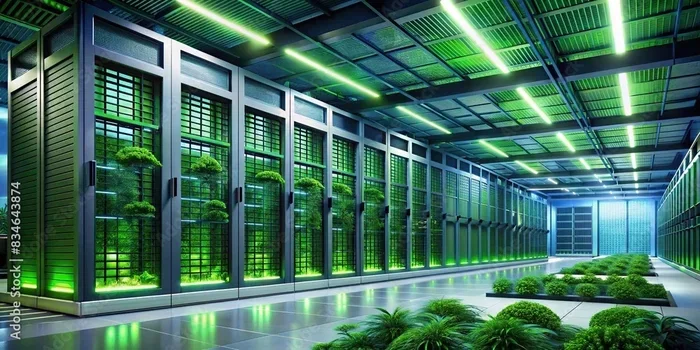
At its core, green cloud computing architecture means designing cloud systems that are kind to the environment. Traditional cloud infrastructure runs on enormous data centers filled with servers. These servers need constant power and cooling. That uses a lot of electricity.
A green approach rethinks every layer of that system. It starts with the hardware and extends to the software, the network design, and the energy sources that power it all. The goal is simple: deliver excellent cloud performance while using as little energy as possible.
The Three Pillars of Green Cloud Design
Most experts agree on three main pillars for sustainable cloud architecture:
- Energy Efficiency: Servers, cooling systems, and networking gear must use the least power possible. This means better hardware, smarter layouts, and optimized software.
- Renewable Energy: Powering data centers with solar, wind, or hydroelectric energy drastically cuts emissions. Many hyperscale data centers now commit to 100% renewable power.
- Resource Optimization: Using virtual machines, containers, and smart workload distribution ensures no computing power sits idle and wastes energy.
When all three pillars work together, you get a cloud system that is fast, reliable, and carbon-neutral cloud ready.
Why Green Cloud Computing Matters
The environmental impact of traditional data centers is staggering. According to industry reports, data centers worldwide consume about 1% of global electricity. That number keeps growing as cloud adoption expands. Without change, the cloud computing environmental impact will only get worse.
Switching to green cloud computing architecture addresses this problem directly. Here are the key reasons this shift matters so much.
Reducing Carbon Emissions
Every kilowatt-hour of electricity saved means fewer greenhouse gases released into the atmosphere. Companies that adopt eco-friendly cloud services can significantly shrink their carbon footprint reduction goals. Some tech giants have already pledged to become carbon neutral or even carbon negative through their cloud operations.
Meeting Regulatory Demands
Governments around the world are introducing stricter environmental regulations. The European Union, for example, has pushed hard for green IT strategy adoption across all industries. Businesses that fail to comply risk fines and reputational damage. Early adoption of sustainable cloud infrastructure puts you ahead of these rules.
Saving Money
It might surprise you, but going green often saves money. Energy-efficient computing means lower electricity bills. Better resource utilization means fewer wasted servers. Over time, these savings add up to substantial cost reductions. This makes cloud optimization both an environmental and financial win.
How Green Cloud Computing Architecture Works
Understanding the mechanics of green cloud computing architecture helps you see why it is so effective. The design spans multiple layers, from physical hardware all the way up to software management tools.
Energy-Efficient Hardware
The foundation of any green cloud system is efficient hardware. Modern servers are designed to do more work while consuming less power. Green data center operators also use advanced cooling techniques like liquid cooling and free-air cooling. These methods slash the energy needed to keep servers at safe temperatures.
Renewable Energy Integration
Many cloud providers now build data centers near wind farms or solar installations. Amazon Web Services, Microsoft Azure, and Google Cloud have all made major investments in renewable energy cloud infrastructure. Some providers even let customers choose which energy source powers their workloads.
Smart Workload Management
Software plays a huge role in green cloud computing architecture. Load balancers distribute tasks across servers so no single machine runs at full capacity all the time. Auto-scaling features spin up resources when demand spikes and shut them down when they are not needed. This dynamic approach is at the heart of cloud computing sustainability.
Power Usage Effectiveness (PUE)
Industry experts use a metric called Power Usage Effectiveness, or PUE, to measure data center efficiency. PUE compares total facility energy to the energy used by IT equipment. A perfect score is 1.0. Most modern green data centers achieve PUE ratings between 1.1 and 1.3. Traditional data centers often score 1.6 or higher. The lower the PUE, the greener the facility.
| Data Center Type | Typical PUE | Energy Efficiency |
|---|---|---|
| Traditional | 1.6 – 2.0 | Low |
| Improved Traditional | 1.4 – 1.6 | Moderate |
| Green / Modern | 1.1 – 1.3 | High |
| Best-in-Class | 1.05 – 1.1 | Excellent |
As you can see, the gap between traditional and green data centers is significant. Choosing a provider with a low PUE is one of the simplest ways to support sustainable IT infrastructure.
Benefits of Adopting Green Cloud Architecture
The advantages of green cloud computing architecture go far beyond environmental goodwill. Organizations that make this shift enjoy real, measurable benefits.
1. Significant Cost Reduction
Energy is one of the largest operating costs for any cloud provider. By using efficient hardware and renewable power, green data centers pass those savings on to customers. Over time, businesses see lower cloud bills without sacrificing performance.
2. Improved Brand Reputation
Consumers and business partners increasingly care about environmental responsibility. Companies that use eco-friendly cloud services can highlight this commitment in their marketing and reporting. This builds trust and strengthens brand loyalty.
3. Enhanced System Reliability
Green data centers often invest in the latest cooling and power technologies. These systems tend to be more reliable than older setups. Fewer outages mean better uptime for your applications and services.
4. Future-Proofing Your Business
Environmental regulations will only tighten in the coming years. Businesses that already use green IT strategy will be better prepared. They avoid costly retrofits and stay competitive as markets shift toward sustainability.
5. Attracting Top Talent
Many professionals today prefer to work for companies that align with their values. A strong commitment to digital sustainability can help you attract and retain the best engineers, developers, and IT leaders.
Common Mistakes to Avoid in Green Cloud Adoption
Even well-intentioned organizations can stumble when adopting green cloud computing architecture. Here are the most common mistakes and how to avoid them.
Mistake 1: Focusing Only on Energy Source
Switching to renewable energy is great, but it is not the whole picture. If your cloud workloads run inefficiently, you still waste energy. True cloud computing sustainability requires both clean power and efficient design.
Mistake 2: Ignoring Idle Resources
Many organizations leave virtual machines and containers running even when they are not in use. Idle resources still consume power. Regular audits and auto-shutdown policies can eliminate this waste.
Mistake 3: Choosing the Wrong Provider
Not all cloud providers are equally green. Some still rely heavily on fossil fuels. Before committing, research your provider’s energy mix, PUE ratings, and environmental certifications. Look for labels like LEED certification or carbon-neutral pledges.
Mistake 4: Skipping the Monitoring Phase
Going green is not a one-time effort. You need continuous monitoring to track energy usage, identify inefficiencies, and measure progress. Without proper cloud optimization tools, you will not know if your efforts are working.
Quick Tips for Implementing Green Cloud Architecture
Ready to make your cloud infrastructure more sustainable? Here are practical tips you can start using today.
- Choose a carbon-aware cloud provider. Look for providers that publish their energy sources and PUE scores. Transparency matters.
- Right-size your workloads. Match your computing resources to actual demand. Avoid over-provisioning.
- Use serverless computing where possible. Serverless platforms run functions only when triggered, eliminating idle waste.
- Enable auto-scaling. Let your cloud platform adjust resources dynamically based on real-time demand.
- Consolidate virtual machines. Fewer, more utilized VMs use less energy than many partially filled ones.
- Monitor your carbon footprint. Use tools like AWS Customer Carbon Footprint Tool or Microsoft Sustainability Manager to track your impact.
- Set internal green goals. Define clear targets for energy reduction and renewable energy usage. Track them quarterly.
Expert Insights on the Future of Green Cloud Computing
Industry leaders see green cloud computing architecture as the inevitable future of cloud computing. Major providers are investing billions in renewable energy and efficiency research. Experts predict that within the next decade, most cloud infrastructure will run on clean energy.
One trend gaining traction is the use of AI to optimize data center operations. Machine learning algorithms can predict cooling needs, balance workloads in real time, and identify energy waste automatically. This takes energy-efficient computing to a whole new level.
Another exciting development is edge computing. By processing data closer to users, edge networks reduce the need for massive centralized data centers. This means shorter data travel distances and less energy consumed overall. Combined with green cloud computing, edge computing could reshape the industry.
Experts also emphasize the importance of net-zero cloud commitments. Companies like Google and Microsoft have set ambitious timelines for achieving net-zero emissions across their cloud operations. These goals push innovation and set industry standards that everyone follows.
The message from the field is clear: green cloud architecture is not a passing trend. It is a fundamental shift in how we build and operate cloud infrastructure. Organizations that embrace it early will gain a lasting competitive advantage.
Conclusion
Green cloud computing architecture represents one of the most important shifts in modern technology. It addresses the urgent need for cloud computing sustainability while delivering real benefits to businesses of all sizes. From lower energy costs to stronger brand reputation, the advantages are clear and compelling.
The path to a sustainable IT infrastructure starts with understanding how green cloud systems work. It continues with smart decisions about providers, workloads, and monitoring. Every step you take toward eco-friendly cloud services makes a difference.
You do not have to overhaul everything at once. Start small. Pick one area, make a change, and measure the results. Over time, those small steps add up to a powerful transformation. Green cloud computing architecture is not just good for the planet. It is good for your business, your customers, and your future.
The time to act is now. The technology is ready. The benefits are real. Make the shift to green cloud computing and be part of the solution for a more sustainable world.
Frequently Asked Questions
What exactly is green cloud computing architecture?
Green cloud computing architecture refers to the design and management of cloud infrastructure in ways that minimize environmental impact. It focuses on energy efficiency, renewable energy use, and smart resource management to create a sustainable IT infrastructure that reduces waste and emissions.
How does green cloud computing help reduce carbon emissions?
Green cloud computing reduces emissions by using energy-efficient data centers powered by renewable sources like wind and solar. It also optimizes workload distribution so that computing resources are never idle and wasting energy. Together, these practices significantly lower the carbon footprint reduction of cloud operations.
Is green cloud computing more expensive than traditional cloud?
Not necessarily. In many cases, green cloud computing actually saves money over time. Energy-efficient hardware and renewable power sources reduce electricity costs. Better resource utilization means fewer wasted servers. While initial setup costs may be similar, the long-term savings on cloud optimization are substantial.
How can I tell if my cloud provider is truly green?
Look for transparency from your provider. Check their published Power Usage Effectiveness (PUE) scores, their renewable energy commitments, and third-party certifications like LEED or ISO 14001. Providers who genuinely invest in eco-friendly cloud services will share this information openly on their websites and sustainability reports.
What role does AI play in green cloud computing?
AI and machine learning are becoming essential tools for green cloud computing architecture. They can predict cooling needs, balance workloads in real time, and detect energy waste automatically. This level of smart management pushes energy-efficient computing far beyond what manual processes can achieve alone.
Can small businesses benefit from green cloud architecture?
Absolutely. Small businesses can adopt green cloud computing simply by choosing a provider that uses renewable energy and efficient infrastructure. They can also right-size their workloads and enable auto-scaling to avoid waste. The cost savings and digital sustainability benefits apply to organizations of every size.