The Strategic Importance of Cloud Computing for Business
The strategic importance of cloud computing for business cannot be overstated. Cloud computing transforms how companies store data, run applications, and serve customers. It delivers cost savings, scalability, and remote work support that traditional IT systems simply cannot match. This article covers the key benefits, challenges, and future trends that make cloud adoption essential for modern organizations.
Cloud computing has reshaped the way businesses operate across every industry. From small startups to global enterprises, organizations are moving their workloads to the cloud at an unprecedented pace. But why exactly is cloud computing so important for modern business? The answer lies in the strategic advantages it offers.
When companies adopt cloud computing solutions, they gain access to powerful tools without the burden of managing physical servers. This shift frees up resources, reduces costs, and opens doors to innovation. In this article, we will explore the strategic importance of cloud computing for business organizations in depth. You will learn about the real-world benefits, the challenges to watch out for, and where cloud technology is heading next.
Key Takeaways
- Cost Efficiency: Cloud computing eliminates the need for expensive on-premise hardware and reduces IT maintenance costs significantly.
- Scalability On Demand: Businesses can scale resources up or down instantly based on real-time needs without major capital investment.
- Remote Work Enablement: Cloud services empower teams to collaborate from anywhere, making remote and hybrid work models practical and productive.
- Enhanced Data Security: Leading cloud providers invest heavily in security measures, often exceeding what most businesses can afford on their own.
- Competitive Advantage: Adopting cloud computing solutions helps organizations innovate faster and respond to market changes more effectively.
- Disaster Recovery Made Easy: Cloud-based backup and recovery systems ensure business continuity even during unexpected outages or disasters.
- Future-Proof Growth: Cloud infrastructure positions businesses for long-term success as technology continues to evolve rapidly.
📑 Table of Contents
Understanding the Strategic Importance of Cloud Computing
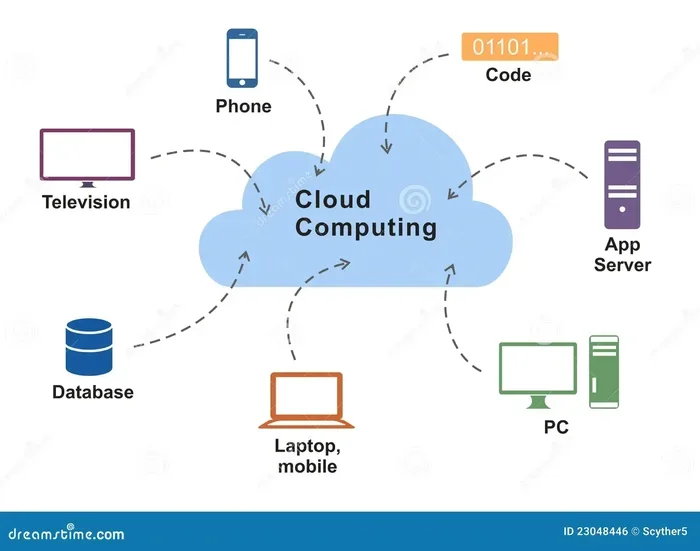
The term cloud computing refers to delivering computing services over the internet. These services include storage, databases, software, and analytics. Instead of owning and maintaining physical data centers, businesses rent access to these resources from cloud providers.
The strategic importance of cloud computing for business goes far beyond just technology. It affects how companies compete, grow, and serve their customers. Let us break this down further.
Why Cloud Adoption Matters Now More Than Ever
Digital transformation has become a top priority for businesses worldwide. The events of recent years accelerated this shift dramatically. Companies that did not have cloud infrastructure in place struggled to adapt to remote work and changing customer expectations.
Cloud adoption is no longer optional. It is a core part of business strategy. Organizations that embrace cloud services position themselves to respond quickly to market shifts. They can launch new products faster, serve customers better, and stay ahead of competitors.
How Cloud Computing Drives Business Growth
One of the most compelling reasons to invest in cloud computing is its direct impact on business growth. Let us look at the specific ways cloud technology fuels expansion.
Scaling Resources Without Large Capital Investments
Traditional IT infrastructure requires significant upfront spending. Businesses must purchase servers, lease data center space, and hire specialized staff. This model works for large, stable enterprises but creates major barriers for growing companies.
Cloud computing changes this equation entirely. With cloud services, businesses pay only for what they use. Need more storage during a busy season? You can scale up instantly. Traffic drops after the holidays? Scale back down. This pay-as-you-go model makes business agility a reality for organizations of all sizes.
Enabling Innovation and Faster Time to Market
Speed matters in today’s competitive landscape. Cloud-based software and development tools let teams build, test, and deploy applications much faster than traditional methods. This means businesses can experiment with new ideas, gather feedback, and bring products to market quickly.
For example, a small e-commerce company can use cloud computing solutions to launch a new feature over a weekend. Without the cloud, that same project might take weeks or months. This speed advantage can make a real difference in capturing market opportunities.
Key Benefits Every Organization Should Know
The benefits of cloud computing touch nearly every part of a business. Here are the most important advantages that drive real value.
Cost Savings and Operational Efficiency
Running an on-premise data center is expensive. Costs add up quickly for electricity, cooling, hardware maintenance, and IT staffing. Cloud migration eliminates many of these expenses.
With cloud services, businesses shift from capital expenditure to operational expenditure. This frees up budget for other strategic priorities. Studies consistently show that companies save 20 to 40 percent on IT costs after moving to the cloud.
Enhanced Collaboration and Remote Work Support
The modern workforce is more distributed than ever. Cloud computing enables seamless collaboration across teams, departments, and even continents. Employees can access files, applications, and data from any device with an internet connection.
This capability proved its value during the remote work boom. Companies with strong cloud infrastructure transitioned to remote operations smoothly. Those without it faced significant disruptions. The lesson is clear: cloud adoption is essential for building a resilient workforce.
Robust Data Security and Compliance
Many business owners worry about data security in the cloud. The truth is that major cloud providers invest billions in security measures. They employ dedicated security teams, use advanced encryption, and maintain strict compliance certifications.
For most businesses, the security level offered by top cloud providers exceeds what they could achieve on their own. Cloud computing also makes it easier to meet regulatory requirements. Providers offer built-in compliance tools for standards like GDPR, HIPAA, and SOC 2.
Disaster Recovery and Business Continuity
Unexpected outages, cyberattacks, and natural disasters can shut down business operations. Cloud-based disaster recovery solutions ensure that critical data and applications remain accessible even during emergencies.
Traditional disaster recovery requires duplicate hardware and complex planning. Cloud services simplify this process dramatically. Businesses can set up automated backups and failover systems with minimal effort. This means less downtime and faster recovery when problems occur.
Cloud Computing and Digital Transformation
Digital transformation is more than a buzzword. It represents a fundamental shift in how businesses operate and deliver value. Cloud computing sits at the heart of this transformation.
Breaking Down Silos and Connecting Systems
Many organizations struggle with disconnected systems and data silos. Different departments use different tools that do not communicate well. This fragmentation slows down decision-making and creates inefficiencies.
Cloud computing solutions provide a unified platform where data flows freely across the organization. When everyone accesses the same real-time information, teams make better decisions. Departments collaborate more effectively. The entire organization becomes more responsive and informed.
Leveraging Advanced Technologies Like AI and Analytics
The cloud is not just about storage and hosting. Modern cloud infrastructure includes powerful tools for artificial intelligence, machine learning, and big data analytics. These technologies help businesses uncover insights that were previously impossible to access.
For example, a retail company can use cloud computing to analyze customer behavior patterns and personalize marketing campaigns. A healthcare provider can leverage cloud-based AI to assist with diagnostics. These capabilities give businesses a powerful competitive advantage in their respective markets.
Overcoming Common Challenges in Cloud Adoption
Despite its many benefits, moving to the cloud is not always smooth. Understanding common challenges helps businesses prepare and succeed.
Addressing Security and Privacy Concerns
Security remains the top concern for businesses considering cloud migration. While cloud providers offer strong security, the shared responsibility model means businesses must also take steps to protect their data.
Best practices include implementing strong access controls, encrypting sensitive data, and conducting regular security audits. Employee training on cloud security is equally important. Most security breaches happen due to human error, not technology failures.
Managing Costs and Avoiding Cloud Sprawl
One risk of cloud services is uncontrolled spending. Without proper oversight, businesses can end up paying for resources they no longer need. This phenomenon is known as cloud sprawl.
To avoid this, organizations should set clear budgets, monitor usage regularly, and take advantage of cost management tools offered by cloud providers. Cloud cost optimization is an ongoing process that requires attention and discipline.
Ensuring Seamless Integration with Existing Systems
Many businesses worry about how cloud computing will work alongside their existing on-premise systems. The good news is that most modern cloud solutions offer robust integration capabilities.
Working with experienced IT infrastructure teams or cloud consultants can make this transition much smoother. A phased migration approach, rather than a big-bang move, reduces risk and allows teams to learn and adjust along the way.
Choosing the Right Cloud Model for Your Business
Not all cloud setups are the same. Businesses can choose from several models depending on their needs. Public cloud offers shared resources from providers like AWS, Microsoft Azure, and Google Cloud. Private cloud dedicates resources to a single organization. Hybrid cloud combines both approaches for maximum flexibility.
Choosing the right model depends on factors like budget, regulatory requirements, and existing infrastructure. Many organizations start with a public cloud model and gradually adopt a hybrid cloud strategy as their needs evolve.
Quick Tips for Successful Cloud Migration:
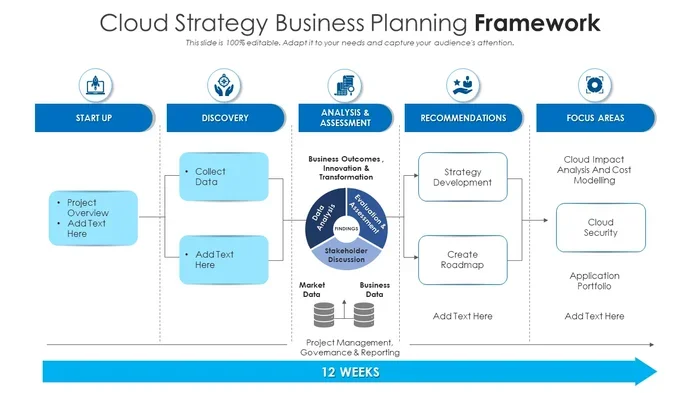
- Start with a clear assessment of your current IT infrastructure and workloads.
- Define specific business goals before selecting cloud services.
- Choose a reputable cloud provider with strong support and security credentials.
- Train your team thoroughly before and after migration.
- Monitor performance and costs continuously after the move.
- Plan for scalability from day one.
The Future of Cloud Computing for Business
The strategic importance of cloud computing will only grow in the coming years. Several trends are shaping the future of cloud technology for business organizations.
Multi-Cloud and Hybrid Strategies
More businesses are adopting multi-cloud strategies, using services from multiple providers simultaneously. This approach reduces dependence on a single vendor and increases flexibility. Hybrid cloud models allow businesses to keep sensitive data on-premise while leveraging the public cloud for less critical workloads.
Edge Computing and Real-Time Processing
Edge computing brings processing power closer to where data is generated. This reduces latency and enables real-time decision-making. For industries like manufacturing, logistics, and healthcare, edge computing combined with cloud computing creates powerful new possibilities.
Sustainability and Green Cloud Computing
Environmental concerns are driving demand for sustainable technology solutions. Cloud providers are investing heavily in renewable energy and energy-efficient data centers. By moving to the cloud, businesses can reduce their carbon footprint significantly. This aligns cloud computing with broader corporate social responsibility goals.
AI-Powered Cloud Services
Artificial intelligence is becoming deeply integrated into cloud services. AI-powered tools help businesses automate routine tasks, gain deeper insights from data, and improve customer experiences. As these capabilities mature, the competitive advantage of cloud adoption will become even more pronounced.
Conclusion
The strategic importance of cloud computing for business is clear and compelling. From cost savings and scalability to enhanced security and innovation, cloud computing delivers value at every level of an organization. It enables digital transformation, supports remote work, and positions businesses for long-term growth.
Challenges exist, but they are manageable with the right planning and expertise. Organizations that invest in cloud migration today are building a stronger foundation for tomorrow. The question is no longer whether to adopt cloud services, but how quickly you can make the transition.
If your business has not yet embraced the cloud, now is the time to start. The strategic importance of cloud computing will only increase as technology continues to evolve. Take the first step today and position your organization for success in the digital age.
Frequently Asked Questions
What is the strategic importance of cloud computing for business organizations?
Cloud computing gives businesses the flexibility, scalability, and cost efficiency they need to compete in a fast-changing market. It enables digital transformation, supports remote work, and provides access to advanced tools without massive upfront investment.
How does cloud computing reduce business costs?
Cloud services eliminate the need for expensive on-premise hardware and dedicated data center space. Businesses pay only for the resources they use, shifting from capital expenses to operational expenses. This model significantly reduces IT maintenance and staffing costs.
Is cloud computing secure for sensitive business data?
Leading cloud providers invest heavily in security measures, including encryption, access controls, and compliance certifications. For most businesses, the security level offered by top providers exceeds what they could achieve independently. However, organizations must also follow best practices like strong access management and regular audits.
What are the main types of cloud computing models?
The three main models are public cloud, private cloud, and hybrid cloud. Public cloud shares resources across multiple organizations. Private cloud dedicates resources to a single organization. Hybrid cloud combines both approaches for maximum flexibility and control.
How long does cloud migration take for a business?
The timeline varies depending on the size and complexity of the organization. Small businesses can often migrate within a few weeks. Larger enterprises with complex IT infrastructure may need several months. A phased approach helps minimize disruption and risk during the transition.
What industries benefit most from cloud computing?
Nearly every industry benefits from cloud computing solutions. Healthcare, finance, retail, education, and manufacturing all use cloud technology to improve operations, enhance customer service, and drive innovation. Any business that relies on data and digital tools can gain value from the cloud.