Why Cloud Computing Is Important for Business Success
Cloud computing has become the backbone of modern business, enabling companies of all sizes to scale, save money, and stay competitive. By moving to the cloud, businesses gain access to powerful tools without heavy upfront costs. This guide covers the real reasons why cloud computing matters for business success, from cost savings to team collaboration. You’ll learn how cloud adoption can transform your operations and position your company for long-term growth.
Cloud computing has completely changed the way businesses operate. From startups to global corporations, organizations are shifting their workloads to the cloud at a remarkable pace. But what makes cloud computing so important for business success? The answer lies in flexibility, savings, and the ability to compete in a fast-moving digital world.
For years, companies had to invest in expensive servers, hire large IT teams, and maintain complex IT infrastructure just to run basic operations. That model is fading fast. Today, cloud services give businesses the tools they need without the heavy lifting. Whether you are a small business or a Fortune 500 company, understanding cloud computing is no longer optional. It is essential.
In this article, we will explore the real reasons why cloud computing matters for business. We will break down the benefits, address common concerns, and give you practical advice you can use right away. Let us dive in.
Key Takeaways
- Cost Efficiency: Cloud computing eliminates the need for expensive on-premise IT infrastructure, reducing IT costs significantly.
- Scalability on Demand: Businesses can scale resources up or down instantly, supporting growth without overprovisioning.
- Business Continuity: Cloud-based disaster recovery ensures data safety and minimizes downtime during outages.
- Remote Work Enablement: The cloud powers team collaboration and remote work, making flexibility a reality for modern teams.
- Competitive Advantage: Adopting cloud services gives small and mid-sized businesses access to the same technology as large enterprises.
- Faster Digital Transformation: Cloud computing accelerates digital transformation, helping businesses adapt to market changes quickly.
📑 Table of Contents
- What Cloud Computing Means for Modern Business
- How Cloud Computing Drives Cost Savings
- Scalability and Flexibility for Growing Companies
- Cloud Computing and Business Continuity
- How the Cloud Enables Remote Work and Team Collaboration
- Gaining a Competitive Advantage Through the Cloud
- Data Security in the Cloud
- Making the Move: Cloud Migration Tips
- Conclusion
What Cloud Computing Means for Modern Business
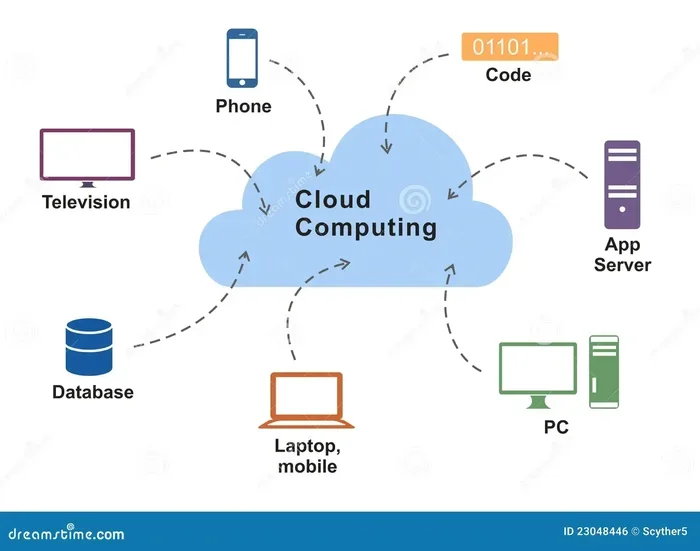
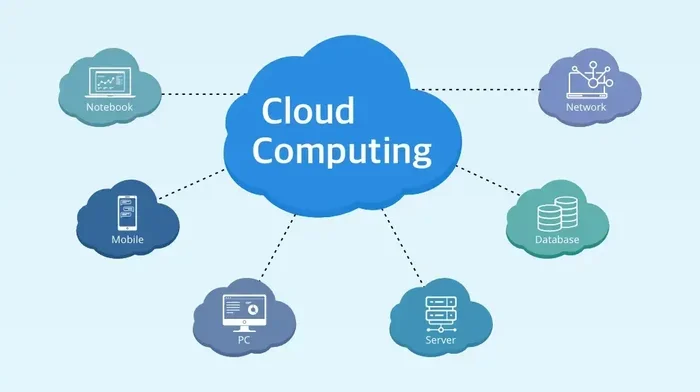
At its core, cloud computing means delivering computing services over the internet. These services include storage, databases, software, and networking. Instead of hosting everything on your own computers or servers, you access these resources through a provider like AWS, Microsoft Azure, or Google Cloud.
The shift toward cloud adoption has been rapid. In fact, over 90% of businesses now use some form of cloud services. This is not just a trend. It is a fundamental change in how companies manage their technology.
Why This Shift Matters
Traditional IT infrastructure requires significant upfront investment. You buy servers, set up cooling systems, and hire specialists to maintain them. With cloud computing, you pay for what you use. This model, known as pay-as-you-go, levels the playing field for businesses of all sizes.
Cloud services also mean faster deployment. Need a new application? You can launch it in hours instead of weeks. This speed gives companies a real business agility advantage. When markets shift, cloud-ready businesses respond faster.
How Cloud Computing Drives Cost Savings
One of the biggest reasons businesses move to the cloud is cost savings. Running an on-premise data center is expensive. You pay for hardware, electricity, cooling, physical space, and a dedicated team to manage it all.
Cloud computing removes most of these costs. Instead of buying expensive equipment, you rent computing power from a provider. This shifts your IT costs from a large capital expense to a predictable monthly bill.
Breaking Down the Savings
Here is how cloud computing helps reduce expenses:
- No hardware purchases: You avoid the cost of buying and replacing servers and networking equipment.
- Lower energy bills: Cloud providers handle power and cooling, which are major costs for on-premise setups.
- Reduced IT staffing needs: Your team can focus on strategic tasks instead of managing hardware.
- Pay-as-you-go pricing: You only pay for the resources you actually use, avoiding waste.
- Free software updates: Most cloud services include automatic updates, saving maintenance time and money.
A small business that switches to cloud storage and cloud-based applications can save thousands of dollars per year. These savings can be redirected into growth, marketing, or product development.
Quick Tip: Track Your Cloud Spending
While cloud computing saves money, costs can grow if you are not careful. Set up billing alerts and review your usage monthly. Most cloud platforms offer cost management tools that help you identify waste and optimize spending.
Scalability and Flexibility for Growing Companies
Business growth is exciting, but it brings challenges. When demand spikes, can your systems handle it? With traditional IT infrastructure, scaling up means buying more hardware, which takes time and money. Cloud computing solves this problem entirely.
Scalability is one of the top reasons businesses choose the cloud. You can increase or decrease resources in minutes, based on real-time demand. This is called business agility, and it is a game-changer.
Real-World Scalability Examples
Think about an online retailer during the holiday season. Traffic might spike ten times compared to a normal day. With cloud computing, the website can automatically add more server capacity to handle the rush. After the holidays, it scales back down. No wasted resources, no downtime.
Similarly, a startup launching a new app can start small and grow seamlessly. Cloud services grow with you, so you never have to outgrow your platform. This flexibility is a major reason cloud adoption continues to rise.
Common Mistakes with Scaling
Many businesses over-provision their cloud resources “just in case.” This leads to higher bills without real benefits. Start small, monitor usage closely, and scale up only when needed. Cloud computing gives you the tools to do this intelligently.
Cloud Computing and Business Continuity
Every business faces risks. Natural disasters, cyberattacks, power outages, and hardware failures can shut down operations in minutes. Business continuity planning is critical, and cloud computing makes it far more effective.
With cloud storage and cloud services, your data is backed up in multiple locations. If one data center goes down, your systems keep running. This built-in redundancy is something most businesses cannot afford to build on their own.
Disaster Recovery Made Simple
Disaster recovery used to be complex and expensive. Companies needed a secondary physical site with duplicate equipment. Today, cloud computing handles this with ease. Cloud-based disaster recovery solutions replicate your data and applications automatically.
Here is what cloud computing brings to your continuity plan:
- Automatic backups: Your data is saved continuously, so nothing is lost.
- Fast recovery: Systems can be restored in minutes, not days.
- Geographic redundancy: Data is stored across multiple regions for safety.
- Lower costs: Cloud disaster recovery is far cheaper than maintaining a backup site.
- Regular testing: Many cloud services let you test your recovery plan without disrupting operations.
For any business, knowing your data is safe and your systems can recover quickly provides peace of mind. This is one of the most overlooked benefits of cloud computing.
How the Cloud Enables Remote Work and Team Collaboration
The way people work has changed dramatically. Remote work is now a permanent part of business for most companies. Cloud computing is the foundation that makes this possible.
When your tools and data live in the cloud, your team can access them from anywhere. All they need is an internet connection. This has transformed team collaboration and opened up new ways of working.
Tools That Power Remote Work
Many of the tools teams use every day are built on cloud services. Platforms like Google Workspace, Microsoft 365, Slack, and Zoom all run in the cloud. These tools let teams:
- Share files and edit documents together in real time.
- Communicate instantly through chat and video calls.
- Manage projects and track progress from a single dashboard.
- Access company systems securely from any device.
- Onboard new employees quickly, regardless of location.
Cloud computing makes operational efficiency a reality for distributed teams. Instead of waiting for email attachments or dealing with version conflicts, everyone works on the same files simultaneously.
Expert Insight: The Hybrid Model
Many companies now use a hybrid cloud approach. They keep sensitive data on private servers while running day-to-day operations in the cloud. This model gives businesses the best of both worlds: security and flexibility. Cloud migration to a hybrid setup is one of the fastest-growing trends in digital transformation.
Gaining a Competitive Advantage Through the Cloud
In today’s market, staying competitive requires speed and innovation. Cloud computing gives businesses of all sizes a serious competitive advantage. Small companies can now access the same powerful technology that was once only available to large corporations.
With cloud services, you can experiment, launch new products faster, and respond to customer needs in real time. This speed of innovation is what sets successful companies apart.
How Cloud Computing Levels the Playing Field
Here is the truth: you do not need a massive budget to compete. Cloud computing gives small businesses access to enterprise-grade tools at a fraction of the cost. A startup with a great idea can deploy a world-class application using cloud storage and cloud-based databases.
Digital transformation is not just for big companies anymore. Cloud adoption empowers businesses to modernize their operations without massive upfront investments. This is why cloud computing is often called the great equalizer in business technology.
Quick Tip: Start Small and Expand
You do not need to move everything to the cloud at once. Start with one or two cloud services, such as email or cloud storage. Measure the results, then expand gradually. This cloud migration approach reduces risk and helps your team adapt smoothly.
Data Security in the Cloud
One of the biggest concerns businesses have about cloud computing is data security. It is a valid concern. After all, your data is stored outside your physical office. However, the reality is that most cloud providers invest far more in security than any individual business could.
Leading cloud services use advanced encryption, multi-factor authentication, and 24/7 monitoring. They also comply with strict industry standards like SOC 2, HIPAA, and GDPR. For many companies, the cloud is actually safer than on-premise solutions.
Tips to Keep Your Data Safe
- Choose a reputable cloud provider with strong security certifications.
- Enable multi-factor authentication for all user accounts.
- Encrypt sensitive data before uploading it to the cloud.
- Set clear access controls so only authorized users can view or edit data.
- Regularly review your security settings and update them as needed.
When handled properly, cloud computing provides a secure environment for your business data. The key is choosing the right provider and following best practices.
Making the Move: Cloud Migration Tips
Deciding to move to the cloud is a big step. But the cloud migration process does not have to be overwhelming. With the right approach, you can transition smoothly and start reaping the benefits quickly.
Steps for a Successful Migration
- Assess your current setup: Identify which applications and data are good candidates for the cloud.
- Choose the right model: Decide between public cloud, private cloud, or a hybrid cloud approach.
- Pick a provider: Compare cloud services from AWS, Azure, Google Cloud, and others based on your needs and budget.
- Plan for training: Help your team learn how to use new cloud tools effectively.
- Migrate in phases: Move one department or application at a time instead of everything at once.
- Monitor and optimize: After migration, keep an eye on performance and costs to ensure you are getting the best value.
Cloud computing offers so much value that the migration effort is almost always worth it. Businesses that embrace cloud adoption early often find themselves ahead of the competition.
Common Mistakes to Avoid
Many businesses rush their cloud migration without proper planning. This leads to unexpected costs, security gaps, and team frustration. Take the time to map out your strategy. Involve your IT team early. And remember, cloud computing is a journey, not a one-time event.
Conclusion
Cloud computing is no longer just a technology trend. It is a business necessity. From cost savings and scalability to business continuity and team collaboration, the benefits are clear and compelling. Companies that embrace cloud services position themselves for long-term success in a digital-first world.
The beauty of cloud computing is that it works for businesses of every size. Whether you are a solo entrepreneur or a global enterprise, the cloud gives you the tools to grow, innovate, and compete. The time to act is now. Start with one cloud service, see the results, and build from there. Your business future depends on it.
Frequently Asked Questions
What is cloud computing in simple terms?
Cloud computing means using servers, storage, and software over the internet instead of on your own computers. You access these resources through a provider, and you pay only for what you use. It is like renting technology instead of buying it.
How does cloud computing save money for businesses?
Cloud computing eliminates the need for expensive hardware, physical space, and large IT teams. You pay a predictable monthly fee for cloud services, which turns a big capital expense into a manageable operating cost. Most businesses see significant IT cost reductions after moving to the cloud.
Is cloud computing safe for sensitive business data?
Yes, when done correctly. Leading cloud providers invest heavily in data security, including encryption, access controls, and compliance certifications. In many cases, cloud computing is safer than storing data on local servers that lack professional security measures.
What is the difference between public cloud and hybrid cloud?
A public cloud shares resources across many customers and is managed by a provider. A hybrid cloud combines public cloud services with private servers for sensitive data. Many businesses choose a hybrid cloud model to balance cost, security, and flexibility.
How long does cloud migration take?
The timeline depends on the size and complexity of your business. Small companies can migrate basic operations in a few weeks. Larger organizations with complex IT infrastructure may take several months. The key is to plan carefully and migrate in phases for a smooth cloud migration.
Which businesses benefit most from cloud computing?
Virtually every business benefits, but cloud computing is especially valuable for startups, small businesses, and companies with remote teams. It gives them access to powerful tools without large upfront investments, creating a real competitive advantage against larger competitors.