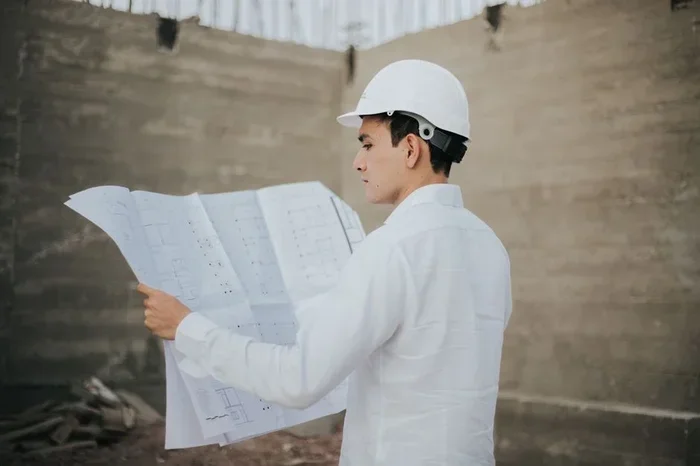
Project Manager Job Description in a Construction Company
The project manager job description in a construction company covers planning, budgeting, scheduling, and leading teams on building sites. A construction project manager must coordinate contractors, manage resources, and ensure safety compliance throughout every project phase. This guide breaks down all core responsibilities, required skills, and career tips to help you succeed in this rewarding field.
Running a construction project is no small feat. It takes careful planning, sharp decision-making, and strong leadership to bring a building project from蓝图 to reality. At the center of it all stands the project manager. If you have ever wondered what a project manager job description in a construction company really looks like, you are in the right place.
This role is much more than just showing up to a building site. A construction project manager handles everything from budgeting and scheduling to coordinating subcontractors and ensuring safety on every job. Whether you are exploring this career path or hiring for the role, understanding the full scope of the job is essential. Let us break it all down in a way that is easy to follow and full of practical value.
Key Takeaways
- Core Duties: A project manager in construction handles planning, budgeting, scheduling, and daily site oversight from start to finish.
- Essential Skills: Strong leadership, communication, and problem-solving skills are non-negotiable for construction project managers.
- Education Path: Most employers prefer a degree in construction management, engineering, or a related field combined with hands-on experience.
- Certifications Matter: Certifications like PMP or CCM boost your credibility and earning potential significantly.
- Technology Tools: Modern construction PMs rely on cloud-based platforms for asset management in cloud computing and team collaboration.
- Salary Range: Construction project managers earn competitive wages, with growth potential as they gain experience and specializations.
📑 Table of Contents
- What Does a Project Manager Do in a Construction Company?
- Skills and Qualifications Needed
- Tools and Technologies Used by Construction Project Managers
- The Project Lifecycle: What a Construction Project Manager Handles at Each Stage
- Common Challenges Faced by Construction Project Managers
- Salary and Career Outlook
- How to Write a Winning Project Manager Job Description for Construction
- Quick Tips for Aspiring Construction Project Managers
- Common Mistakes to Avoid
- Expert Insights: What Seasoned Project Managers Wish They Knew Earlier
- Conclusion
What Does a Project Manager Do in a Construction Company?
A construction project manager serves as the main point of contact for everyone involved in a building project. This person bridges the gap between clients, contractors, engineers, and on-site workers. The goal is simple: deliver the project on time, within budget, and to the required quality standards.
Every construction project follows a lifecycle, and the project manager guides that journey. They start during the planning phase and stay involved through design, procurement, construction, and final handover. Along the way, they tackle challenges, manage risks, and keep all stakeholders informed.
Key Responsibilities on a Daily Basis
The day-to-day tasks of a construction project manager can vary widely. Here are the most common responsibilities you will find in any project manager job description in a construction company:
- Project Planning: Creating detailed project plans that outline scope, timelines, milestones, and deliverables.
- Budget Management: Estimating costs, tracking expenses, and ensuring the project stays within the approved budget.
- Scheduling: Developing and maintaining construction schedules that keep every team on track.
- Resource Allocation: Assigning labor, equipment, and materials to the right tasks at the right time.
- Subcontractor Coordination: Managing relationships with subcontractors and ensuring their work meets quality standards.
- Safety Oversight: Enforcing safety protocols and ensuring compliance with local building codes and regulations.
- Client Communication: Providing regular updates to clients and addressing their concerns promptly.
- Risk Management: Identifying potential risks early and developing mitigation strategies.
- Quality Control: Inspecting work progress and making sure everything meets the required specifications.
As you can see, the role is dynamic and demanding. No two days look exactly the same, which is part of what makes this career so exciting.
Skills and Qualifications Needed
Not just anyone can step into a construction project management role. Employers look for a specific blend of education, experience, and soft skills. Let us explore what it takes to stand out.
Educational Requirements
Most construction companies prefer candidates with a bachelor’s degree in construction management, civil engineering, architecture, or a related field. Some employers accept equivalent experience in place of a degree, especially for seasoned professionals who have spent years working on job sites.
A degree program in construction management covers topics like project scheduling, cost estimation, contract law, and building codes. These foundational skills give graduates a head start in understanding the complexities of large-scale building projects.
Certifications That Boost Your Career
Certifications are not always mandatory, but they can set you apart from other candidates. Here are the most valued certifications in the construction industry:
- PMP (Project Management Professional): Offered by the Project Management Institute, this is a globally recognized credential that validates your project management expertise.
- CCM (Certified Construction Manager): Granted by the Construction Management Association of America, this certification focuses specifically on construction project leadership.
- CPCM (Certified Professional in Contracting Management): This credential demonstrates expertise in contract administration and procurement.
- OSHA Safety Certifications: Since safety is a top priority on construction sites, OSHA credentials add significant value to any resume.
Soft Skills That Matter
Technical knowledge gets you in the door, but soft skills keep you there. The best construction project managers excel in the following areas:
- Leadership: You must inspire and guide diverse teams, from engineers to laborers.
- Communication: Clear and frequent communication prevents misunderstandings and keeps projects on track.
- Problem-Solving: Construction sites are full of surprises. Quick thinking and creative solutions are essential.
- Negotiation: You will regularly negotiate contracts, timelines, and costs with clients and subcontractors.
- Time Management: Juggling multiple tasks and deadlines requires excellent organizational skills.
Tools and Technologies Used by Construction Project Managers
Modern construction project management relies heavily on technology. Gone are the days of paper blueprints and manual spreadsheets. Today’s project managers use digital tools to streamline workflows, improve collaboration, and track progress in real time.
Project Management Software
Platforms like Procore, PlanGrid, and Buildertrend have become industry standards. These tools help project managers manage schedules, track budgets, and share documents with the entire team. They also support construction workflow automation, which saves hours of manual work each week.
Many of these platforms now integrate with cloud-based systems. This shift toward SaaS architecture in cloud computing has transformed how construction teams collaborate across different locations and time zones.
Cloud-Based Asset Management
Construction companies handle a massive amount of equipment, materials, and resources. Keeping track of all these assets manually is nearly impossible. That is why many firms now use cloud-based solutions for asset management in cloud computing. These platforms provide real-time visibility into inventory, equipment location, and maintenance schedules.
For a project manager, this means fewer delays caused by missing materials and better control over resource costs. It is a win-win for both the team and the client.
Communication and Collaboration Tools
Tools like Slack, Microsoft Teams, and construction-specific apps like Fieldwire keep everyone connected. A project manager can share updates, flag issues, and approve documents from anywhere in the world. This is especially important for companies that manage multiple projects simultaneously.
Security and Data Protection
With so much sensitive project data moving through digital platforms, security is a top concern. Construction companies must protect financial records, contract details, and client information from cyber threats. That is why understanding application security in cloud computing is increasingly important for project managers. They need to ensure the tools and platforms they use meet industry security standards.
The Project Lifecycle: What a Construction Project Manager Handles at Each Stage
Every construction project moves through a series of stages. The project manager plays a critical role at each one. Let us walk through the lifecycle to see how the job looks in practice.
Stage 1: Initiation and Planning
This is where the project takes shape. The project manager works with the client to define the project scope, objectives, and budget. They identify key stakeholders and assemble the project team. During this phase, they also conduct feasibility studies and risk assessments.
A solid plan at this stage sets the foundation for everything that follows. Rushing through planning is one of the most common mistakes in construction project management.
Stage 2: Design and Pre-Construction
Once the plan is approved, the design phase begins. Architects and engineers create detailed blueprints and specifications. The project manager reviews these documents for accuracy and ensures they align with the client’s vision and budget.
During pre-construction, the project manager also handles procurement. They source materials, hire subcontractors, and secure necessary permits and licenses. This stage requires strong negotiation skills and careful attention to detail.
Stage 3: Construction
This is the heart of the project. The project manager oversees daily operations on the construction site. They coordinate trades, monitor progress against the schedule, and manage any changes or issues that arise.
Regular site meetings, progress reports, and safety inspections are all part of the routine. The project manager acts as the central hub for information flow, making sure everyone stays aligned.
Stage 4: Closeout and Handover
When construction is complete, the project manager leads the final inspection and quality check. They ensure all punch list items are resolved and that the project meets the agreed-upon standards. The final step is handing over the completed project to the client, along with all documentation and warranty information.
Many project managers also conduct a post-project review. This retrospective helps identify lessons learned and improve processes for future projects.
Common Challenges Faced by Construction Project Managers
The role comes with its fair share of challenges. Understanding these obstacles can help you prepare and develop strategies to overcome them.
- Budget Overruns: Unexpected costs are a reality in construction. A skilled project manager anticipates these risks and builds contingency plans into the budget.
- Schedule Delays: Weather, supply chain issues, and labor shortages can all push timelines back. Effective scheduling and buffer time help mitigate these delays.
- Communication Breakdowns: With so many parties involved, miscommunication can lead to costly errors. Clear communication protocols are essential.
- Regulatory Compliance: Building codes, zoning laws, and environmental regulations vary by location. Staying informed and compliant is a constant responsibility.
- Safety Incidents: Construction sites are inherently dangerous. A project manager must enforce safety standards and respond quickly to any incidents.
Experienced project managers develop the ability to anticipate these challenges and address them before they escalate. This proactive approach is what separates good managers from great ones.
Salary and Career Outlook
Construction project management is a financially rewarding career path. Salaries vary based on experience, location, and the size of the company. According to industry data, the median annual salary for construction project managers in the United States ranges from $80,000 to $120,000. Senior managers and those with specialized expertise can earn even more.
The demand for skilled construction project managers continues to grow. As infrastructure projects expand and new developments emerge, companies need qualified professionals to lead their teams. This trend is expected to continue over the next decade, making it a stable and promising career choice.
Many professionals start in related roles like site supervisor or assistant project manager. Over time, they gain the experience and credentials needed to step into full project management positions. The path to advancement is clear and achievable for those who are committed to continuous learning.
How to Write a Winning Project Manager Job Description for Construction
If you are hiring for this role, writing a compelling job description is the first step. Here are some tips to attract top talent:
- Be Specific About the Role: Clearly define whether the position focuses on residential, commercial, or infrastructure projects.
- Highlight Key Responsibilities: Use bullet points to make the duties easy to scan and understand.
- List Required Qualifications: Include education, certifications, and years of experience expected.
- Describe Your Company Culture: Top candidates want to know what makes your company a great place to work.
- Include Growth Opportunities: Mention career advancement paths and professional development support.
A well-written job description not only attracts qualified candidates but also sets clear expectations from day one. It saves time during the hiring process and reduces turnover in the long run.
Quick Tips for Aspiring Construction Project Managers
If you are just starting your journey toward becoming a construction project manager, here are some quick tips to keep in mind:
- Gain Hands-On Experience: Spend time on job sites to understand the practical aspects of construction work.
- Build Your Network: Connect with industry professionals through associations and events.
- Pursue Relevant Certifications: Even one certification can significantly boost your resume and confidence.
- Stay Current with Technology: Familiarize yourself with the latest project management and construction software tools.
- Develop Your Communication Skills: Practice writing clear reports and delivering effective presentations.
- Learn from Experienced Managers: Seek mentorship from seasoned professionals who can share real-world insights.
Common Mistakes to Avoid
Even the best project managers can fall into bad habits. Here are some common mistakes to watch out for:
- Skipping the Planning Phase: Rushing into construction without a solid plan leads to chaos and cost overruns.
- Poor Communication: Assuming everyone is on the same page without confirming it is a recipe for disaster.
- Ignoring Risk Management: Failing to plan for potential problems leaves you unprepared when issues arise.
- Micromanaging Instead of Delegating: Trying to control every detail yourself leads to burnout and slows down the team.
- Neglecting Documentation: Poor record-keeping creates confusion during inspections and disputes.
Avoiding these pitfalls will help you build a reputation as a reliable and effective construction project manager.
Expert Insights: What Seasoned Project Managers Wish They Knew Earlier
We spoke with several experienced construction project managers to gather their top advice. Here is what they shared:
“The best project managers are not the ones who know everything. They are the ones who know how to ask the right questions and listen to their team.” This insight highlights the importance of humility and active listening in construction leadership.
Another seasoned manager emphasized the value of technology adoption. “Embracing digital tools early in your career gives you a huge advantage. The industry is moving fast, and staying current with platforms for approaches for cloud migration and digital project management is no longer optional.”
These insights reinforce a key truth: success in construction project management comes from a combination of technical knowledge, people skills, and a willingness to adapt.
Conclusion
The project manager job description in a construction company covers a wide range of duties that require both technical expertise and strong interpersonal skills. From planning and budgeting to safety oversight and client communication, this role demands versatility and resilience. But for those who thrive in fast-paced, dynamic environments, it offers incredible rewards both personally and professionally.
Whether you are reading this as someone exploring a new career or as a hiring manager looking for the right candidate, understanding the full scope of the role is the first step toward success. Construction project management is a field where your impact is visible and tangible. Every building you help bring to life stands as a testament to your leadership and expertise.
Take the time to develop your skills, pursue relevant certifications, and stay current with industry trends. The demand for talented construction project managers is only growing, and the opportunities ahead are bright.
Frequently Asked Questions
What is the primary role of a project manager in a construction company?
A construction project manager oversees the planning, execution, and completion of building projects. They manage budgets, schedules, subcontractors, and ensure safety compliance throughout the entire project lifecycle.
What qualifications do I need for a project manager job in construction?
Most employers prefer a bachelor’s degree in construction management, civil engineering, or a related field. Relevant certifications like PMP or CCM and several years of hands-on experience in the construction industry are highly valued.
How much does a construction project manager earn?
Salaries typically range from $80,000 to $120,000 per year in the United States, depending on experience, location, and project size. Senior managers and specialists can earn significantly more.
What skills are most important for a construction project manager?
Leadership, communication, problem-solving, and time management are the most critical skills. Technical knowledge of construction methods, budgeting, and scheduling software is also essential for success in this role.
What tools do construction project managers use daily?
Construction project managers use platforms like Procore, PlanGrid, and Buildertrend for scheduling and budgeting. They also rely on communication tools like Slack or Microsoft Teams and cloud-based systems for asset management and document sharing.
How long does it take to become a construction project manager?
The timeline varies, but most professionals spend 4-6 years gaining education and hands-on experience before stepping into a full project management role. Certifications and mentorship can accelerate this path significantly.