Cloud Computing Services for Small Business Explained
Cloud computing services for small business are transforming how companies store data, run apps, and collaborate remotely. These cloud solutions offer cost savings, scalability, and business continuity without the need for expensive IT infrastructure. Whether you are just starting out or growing fast, cloud-based software can give your business a serious edge. This guide covers everything you need to know to make the right choice.
Running a small business is no small task. You juggle customers, finances, employees, and a hundred other things every single day. On top of all that, you need reliable technology to keep everything running smoothly. That is where cloud computing services for small business come in.
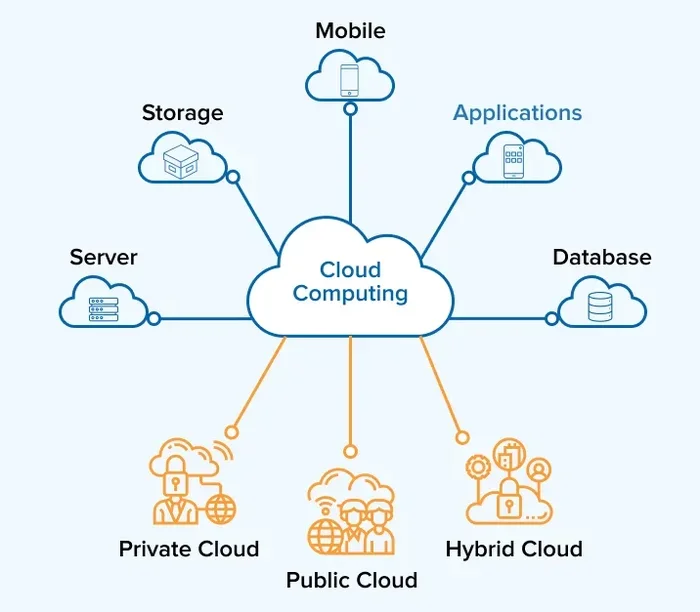
Think of the cloud as a giant digital storage locker and workspace that lives on the internet. Instead of keeping all your files and programs on one computer or a bulky office server, you access them online from anywhere. Cloud hosting has become the go-to choice for small businesses that want to save money, stay flexible, and work smarter.
In this guide, we will walk you through everything you need to know about cloud solutions for small businesses. We will cover the different types of cloud services, the real benefits, how to pick the right provider, and common mistakes to avoid. By the end, you will have a clear picture of what cloud-based software can do for your business.
Key Takeaways
- Lower Costs: Cloud computing services for small business eliminate the need for pricey hardware and in-house IT teams.
- Easy Scalability: You can grow or shrink your cloud storage and features based on your current needs.
- Better Security: Top cloud providers invest heavily in data security and disaster recovery measures.
- Remote Work Ready: Cloud-based software enables remote work and online collaboration tools for any team.
- Simple Migration: Cloud migration has become easier, and many providers offer hands-on support.
- Subscription Model: Pay only for what you use, making cloud hosting budget-friendly for small businesses.
📑 Table of Contents
- What Are Cloud Computing Services for Small Business?
- Why Small Businesses Need Cloud Computing Services
- Benefits of Cloud Computing Services for Small Business
- How to Choose the Right Cloud Provider
- Common Mistakes Small Businesses Make with Cloud Services
- Quick Tips for Getting the Most Out of Cloud Computing Services
- Cloud Computing Services for Small Business: A Comparison of Top Providers
- The Future of Cloud Computing for Small Business
- Conclusion
What Are Cloud Computing Services for Small Business?
Cloud computing services for small business refer to technology tools and resources delivered over the internet. Instead of installing software on your own computers or storing files on a physical server, you access everything through the web. This model is often called Software as a Service, or SaaS, and it has changed the way small businesses operate.
There are three main types of cloud services you should know about:
Software as a Service (SaaS)
SaaS is the most popular type of cloud-based software for small businesses. You use the application through your web browser, and the provider handles all the technical details. Examples include Google Workspace, Microsoft 365, and QuickBooks Online. You simply log in and start working.
Infrastructure as a Service (IaaS)
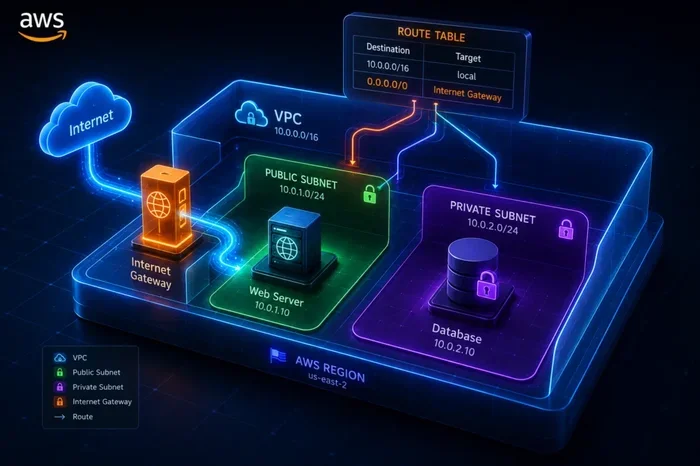
IaaS gives you virtual computing resources over the internet. Think of it as renting IT infrastructure instead of buying it. Amazon Web Services (AWS) and Microsoft Azure are popular cloud providers that offer IaaS. This option works well for businesses that need more control over their systems.
Platform as a Service (PaaS)
PaaS provides a platform for developers to build and deploy custom applications. It is less common for everyday small businesses but useful for companies with in-house tech teams. PaaS saves time and effort in building software from scratch.
Why Small Businesses Need Cloud Computing Services
You might wonder why cloud computing services for small business are so popular. The answer is simple. They solve real problems that small business owners face every day.
Cost Savings
One of the biggest advantages of cloud solutions is the cost savings. Traditional IT setups require expensive servers, software licenses, and a dedicated team to manage them. With cloud hosting, you pay a monthly or yearly subscription fee. There are no huge upfront costs, and you only pay for what you use.
Scalability
Every small business owner knows that growth can be unpredictable. Cloud services let you scale up or down quickly. Need more cloud storage during the holiday season? No problem. Slow down in the off-season? You can reduce your plan. This scalability means you never waste money on resources you do not need.
Remote Work and Collaboration
The way we work has changed a lot in recent years. Remote work is now a normal part of doing business. Cloud-based software makes it easy for your team to collaborate from anywhere. Tools like Slack, Zoom, and Google Drive are all online collaboration tools that run in the cloud. Your employees can work from home, a coffee shop, or a different country and still stay connected.
Business Continuity and Disaster Recovery
What happens if your office computer crashes or your building faces a natural disaster? Without proper backup, you could lose everything. Cloud computing services store your data in multiple secure locations. This means disaster recovery is built in. Even if something goes wrong at your office, your data stays safe and accessible.
Benefits of Cloud Computing Services for Small Business
Let us take a closer look at the specific benefits that make cloud computing services for small business such a smart investment.
Automatic Updates and Maintenance
When you use cloud-based software, the provider handles all updates and maintenance. You do not need to hire a tech expert to keep your systems running. The cloud provider pushes updates automatically, so you always have the latest features and security patches.
Improved Data Security
Many small business owners worry about data security in the cloud. The truth is, reputable cloud providers spend millions on security measures. They use encryption, multi-factor authentication, and regular security audits. For most small businesses, the cloud is actually safer than storing data on a local server.
Better Team Collaboration
Cloud solutions make it easy for teams to work together. Multiple people can edit the same document at the same time. You can share files instantly, track changes, and communicate in real time. This level of collaboration was nearly impossible before the cloud era.
Competitive Advantage
Using cloud computing services levels the playing field. Small businesses can access the same powerful tools that large corporations use. This gives you a real competitive advantage in your market. You can serve customers better, respond faster, and innovate more easily.
How to Choose the Right Cloud Provider
Not all cloud providers are created equal. Choosing the right one for your business takes some thought. Here are the key factors to consider.
Assess Your Business Needs
Start by asking yourself what you actually need. Do you need cloud storage for files? Do you need a full email and productivity suite? Do you need specialized tools like customer relationship management (CRM) or project management? Write down your must-haves before you start shopping.
Check the Pricing
Cloud hosting is generally affordable, but prices can vary widely. Look for providers that offer transparent pricing with no hidden fees. Compare the subscription model options and make sure the plan fits your budget. Some providers offer free tiers or trials, which is a great way to test the waters.
Evaluate Security and Compliance
Data security should be a top priority. Check whether the provider meets industry standards and regulations. If you handle sensitive customer data, look for providers with strong encryption and compliance certifications like SOC 2 or GDPR readiness.
Consider Customer Support
When something goes wrong, you want help fast. Look for cloud providers that offer 24/7 customer support through multiple channels like phone, chat, and email. Read reviews to see what other small business owners say about their support experience.
Think About Integration
Your cloud solutions should work well with the tools you already use. Check whether the provider integrates with your existing software. For example, if you use QuickBooks for accounting, make sure the cloud service connects smoothly with it.
Common Mistakes Small Businesses Make with Cloud Services
Even though cloud computing services for small business are user-friendly, mistakes can still happen. Here are some common pitfalls to avoid.
Skipping the Research
Many business owners pick the first cloud provider they find. This is a mistake. Take the time to compare options, read reviews, and understand the terms of service. A little research upfront can save you headaches later.
Ignoring Data Backup
Just because your data is in the cloud does not mean it is automatically backed up. Some cloud services require you to set up backup routines yourself. Make sure you understand the provider’s backup and recovery policies before signing up.
Overlooking User Training
Cloud-based software is designed to be intuitive, but your team still needs to learn how to use it. Skipping training leads to confusion, mistakes, and wasted time. Invest in a quick onboarding session for your employees.
Choosing the Wrong Plan
It is easy to sign up for a plan that is too big or too small for your needs. Review your usage regularly and adjust your plan as your business changes. The beauty of cloud hosting is that you can always switch plans.
Quick Tips for Getting the Most Out of Cloud Computing Services
Ready to make the switch? Here are some practical tips to help you get started with cloud computing services for small business.
- Start small. Begin with one or two cloud solutions and expand as you get comfortable.
- Train your team. Make sure everyone knows how to use the new tools effectively.
- Set up strong passwords. Use unique, complex passwords and enable multi-factor authentication for all accounts.
- Monitor your usage. Keep an eye on your spending and storage usage to avoid surprises.
- Back up your data. Even with cloud storage, maintain a separate backup for extra safety.
- Review your plan regularly. Adjust your subscription as your business needs change.
Cloud Computing Services for Small Business: A Comparison of Top Providers
Not sure which cloud provider to choose? Here is a quick comparison of some popular options for small businesses.
| Provider | Best For | Pricing Model | Key Feature |
|---|---|---|---|
| Google Workspace | Online collaboration tools and email | Subscription per user | Seamless integration with Google apps |
| Microsoft 365 | Cloud-based software and productivity | Subscription per user | Familiar Office apps in the cloud |
| Dropbox Business | Cloud storage and file sharing | Subscription per user | Easy file sync and sharing |
| AWS | IaaS and custom infrastructure | Pay-as-you-go | Highly scalable and flexible |
| QuickBooks Online | Accounting and finance | Subscription per month | Built-in invoicing and reporting |
Each provider has its strengths. The best choice depends on your specific business needs, budget, and goals. Many small businesses use a combination of these services to cover all their cloud solutions needs.
The Future of Cloud Computing for Small Business
Cloud computing services for small business are only going to get better. Cloud providers are constantly adding new features and improving their platforms. Here are some trends to watch.
Artificial Intelligence Integration: Many cloud-based software tools now include AI features like smart suggestions, automated workflows, and chatbots. These tools save time and boost productivity.
Hybrid Cloud Solutions: Some businesses are choosing a mix of cloud and on-premises systems. This hybrid cloud approach gives you the flexibility of the cloud with the control of local servers.
Enhanced Data Security Measures: As cyber threats evolve, cloud providers are investing even more in advanced security. Expect to see even stronger encryption and better protection in the coming years.
Greater Focus on Business Continuity: Cloud migration will continue to grow as businesses recognize the importance of staying operational during disruptions. Disaster recovery features will become standard in most plans.
Conclusion
Cloud computing services for small business are no longer a luxury. They are a necessity. From cost savings and scalability to remote work support and business continuity, the benefits are clear and compelling. Whether you are a solo entrepreneur or a growing team, cloud-based software can help you work smarter, not harder.
The key is to take your time, do your research, and choose cloud solutions that fit your unique needs. Start with a plan that works for your budget, train your team properly, and review your setup regularly. With the right approach, cloud hosting can transform the way you do business.
So go ahead. Take that first step into the cloud. Your future self and your business will thank you.
Frequently Asked Questions
What are cloud computing services for small business?
Cloud computing services for small business are technology tools and resources delivered over the internet. They include cloud storage, cloud-based software, and online collaboration tools that help small businesses operate more efficiently without needing expensive local hardware or IT teams.
How much do cloud computing services cost for small businesses?
The cost varies depending on the provider and plan. Most cloud providers offer subscription models that range from free tiers for basic use to a few hundred dollars per month for advanced plans. The cost savings compared to traditional IT setups are usually significant.
Is my data safe in the cloud?
Yes, when you choose a reputable cloud provider, your data is generally very safe. Top providers use encryption, multi-factor authentication, and regular security audits. In many cases, cloud-based software offers better data security than storing files on a local server.
Can I migrate my existing business to the cloud?
Absolutely. Cloud migration has become much easier in recent years. Many providers offer migration tools and support to help you move your data and applications smoothly. It is a good idea to plan your migration carefully and involve your team in the process.
What is the difference between SaaS, IaaS, and PaaS?
SaaS (Software as a Service) gives you ready-to-use applications like Google Workspace or QuickBooks. IaaS (Infrastructure as a Service) provides virtual computing resources like servers and storage. PaaS (Platform as a Service) offers a development platform for building custom apps. SaaS is the most common choice for small businesses.
Do I need technical skills to use cloud computing services?
No, most cloud solutions are designed to be user-friendly and require no technical background. You just need a basic understanding of how to use a web browser and common software. Many providers also offer tutorials and customer support to help you get started.
=== CONCLUSION ===
Cloud computing services for small business offer a powerful, affordable, and flexible way to grow and succeed in today’s digital world. By understanding the types of cloud services available, the real benefits they bring, and how to choose the right provider, you can make a confident decision that works for your business. Start small, stay consistent, and let the cloud do the heavy lifting.