Small Business Cloud Server Hosting for Your Growth
Small business cloud server hosting gives entrepreneurs the power to run their websites and applications on flexible, remote servers without expensive hardware. It offers cloud scalability, affordable cloud hosting, and strong data security in cloud environments that traditional hosting simply cannot match. This guide covers everything you need to know to choose the right provider and grow your business with confidence.
Running a small business means wearing many hats every single day. You handle customer service, manage finances, lead your team, and often figure out the technology side on your own. One decision that can genuinely transform how your company operates is your choice in hosting. Small business cloud server hosting has quickly become the favorite option for entrepreneurs who want reliable, flexible, and affordable technology without the headache.
Traditional hosting often locks you into rigid plans and expensive hardware sitting in your office. Cloud server hosting works differently. It gives you on-demand resources that you can adjust as your needs change. Whether you are launching a new website, running an online store, or managing a team of remote workers, the right hosting setup matters more than most business owners realize.
In this guide, we will walk you through everything you need to know about small business cloud server hosting. You will discover what it is, why it matters for your growth, and how to choose the best provider for your specific situation. We will also share practical tips to help you make the switch smoothly and with confidence.
Let us dive in and explore how cloud hosting can take your business to the next level.
Key Takeaways
- Cloud hosting replaces expensive hardware: You rent resources instead of buying and maintaining physical servers, saving money and time.
- Scalability is a major advantage: You can adjust resources up or down instantly to match your business needs and traffic spikes.
- Security and reliability are built in: Reputable providers offer strong data security in cloud protections and business uptime guarantees near 99.99%.
- Cost savings add up quickly: No equipment, no maintenance crew, and pay-as-you-go pricing make affordable cloud hosting accessible for any budget.
- Remote work becomes seamless: Cloud hosting enables remote server access and real-time collaboration for distributed teams.
- Disaster recovery is built into the cloud: Automatic backups and redundant storage protect your data and ensure business continuity cloud readiness.
- Choosing the right provider matters: Compare features, support quality, and cloud hosting cost before committing to a plan.
📑 Table of Contents
What Is Small Business Cloud Server Hosting?
Small business cloud server hosting is a service that lets you store your data, run applications, and manage your website on remote servers accessed through the internet. Instead of keeping everything on a physical computer or server in your office, you rent space and computing power from a hosting provider. This approach is often called cloud computing for small business because it uses a network of connected servers to deliver resources on demand.
Understanding the Basics
Think of cloud hosting like renting electricity instead of building your own power plant. You pay for what you use, and the provider handles all the maintenance. With cloud server solutions, you get access to virtual servers that behave just like physical ones but with far more flexibility.
You do not need to be a tech expert to benefit from this. Most providers offer simple control panels where you can manage your server hosting plans, track usage, and scale resources up or down with just a few clicks.
How Cloud Servers Work
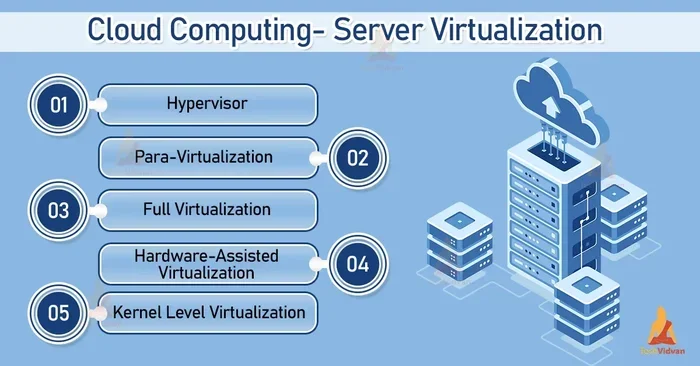
A cloud infrastructure consists of many physical servers housed in data centers around the world. When you sign up for a plan, you get a slice of these resources. Your data is stored across multiple machines, which means if one server goes down, your site keeps running on another.
This setup gives you what is called cloud scalability. If your website suddenly gets a surge in traffic, the cloud can allocate more resources automatically. Once the traffic dies down, the resources scale back. You only pay for what you need at any given moment.
This is very different from a dedicated cloud server or a virtual private server, where you get a fixed amount of resources. Cloud hosting spreads your workload across a pool of shared resources, making it more resilient and cost-effective for most small businesses.
Why Cloud Servers Are Perfect for Growing Businesses
More and more small businesses are making the switch to cloud hosting for business. There is a good reason for this trend. Traditional hosting can hold your growth back, while cloud hosting opens doors that were once only available to large corporations with big IT budgets.
Flexibility and Cloud Scalability
One of the biggest advantages of small business cloud server hosting is the ability to scale. When you are just starting out, you might only need basic resources. But as your customer base grows, your hosting needs change too.
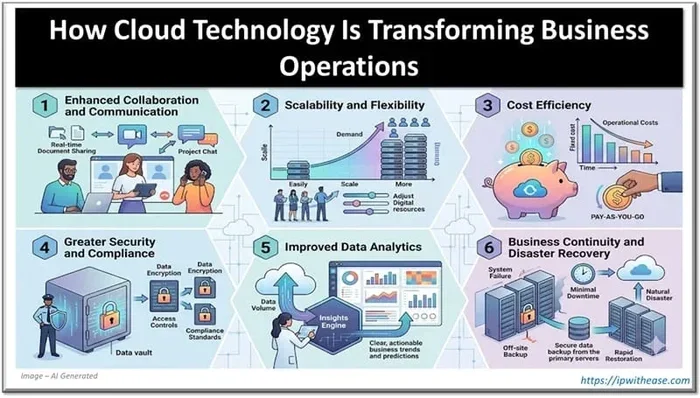
With cloud hosting, you can upgrade your plan in minutes. Need more storage space for the holiday shopping season? Just add it. Expecting a surge in website visitors after a marketing campaign? Scale up your bandwidth temporarily. This kind of cloud scalability means you never pay for resources you are not using.
For businesses that experience seasonal spikes, this flexibility is a game changer. You can handle peak demand without overpaying during slow months. Your business cloud services grow with you, not the other way around.
Cost Savings Over Traditional Hosting
Affordable cloud hosting is one of the main reasons small businesses make the switch. Traditional hosting often requires you to buy expensive hardware, pay for a dedicated space, and hire someone to maintain it. All of that adds up fast and eats into your profits.
Cloud hosting eliminates most of these costs. There is no equipment to buy. No physical server room to maintain. No IT specialist you need to hire full time. Most cloud hosting plans work on a monthly subscription basis, so you know exactly what you will pay each month.
You also save on electricity and cooling, since the data centers handle all of that behind the scenes. Over time, these savings can be significant, especially for businesses just getting off the ground or trying to keep overhead low.
Key Features to Look For in Cloud Hosting
Not all cloud server hosting providers are created equal. When you are comparing options, there are specific features you should look for to make sure you are getting the best value for your money.
Uptime and Reliability
Your website being offline costs you customers and revenue. Look for a provider that offers at least a 99.9% business uptime guarantee. This means your site stays online almost all the time, even during unexpected issues or server failures.
Good providers use redundant systems, which means backup servers kick in automatically if something goes wrong. This level of reliability is hard to achieve with traditional hosting, especially on a tight budget. Always check the provider’s track record and customer reviews before signing up.
Security and Data Protection
Data security in cloud environments is a top priority for any business handling customer information. Your hosting provider should offer features like SSL certificates, regular backups, firewalls, and intrusion detection systems. Some providers also offer compliance certifications, which matter if you process payments or store sensitive data.
Make sure your provider has clear policies about how your data is stored and protected. Ask about encryption, both in transit and at rest. A strong security setup gives you peace of mind and builds trust with your customers. Your business server hosting choice should never compromise your data.
Support and Ease of Use
As a small business owner, you probably do not have a dedicated IT team. That is why managed cloud hosting with excellent support is so important. Look for providers that offer 24/7 support through multiple channels, including live chat, phone, and email.
The control panel should be intuitive and easy to navigate. You should be able to set up a new server, manage your cloud storage solutions, and monitor performance without needing a degree in computer science. Many providers also offer one-click installations for popular platforms like WordPress, which makes getting started a breeze.
Top Benefits of Cloud Server Hosting
Beyond the basics, there are several powerful benefits that make small business cloud server hosting a smart investment for long-term growth and success.
Improved Performance and Speed
Website speed directly affects your sales and customer experience. Studies show that even a one-second delay in page load time can reduce conversions significantly. Cloud hosting delivers fast load times because your content is served from servers close to your visitors.
Many providers also include content delivery networks, which cache your content across multiple locations worldwide. This means a customer in California and a customer in New York both experience fast load times. Cloud server hosting gives your website the speed it needs to compete in today’s fast-paced digital marketplace.
Better Collaboration for Remote Teams
Remote work is here to stay. Cloud computing for small business makes it easy for your team to access files, applications, and tools from anywhere with an internet connection. Your employees can work from home, a coffee shop, or a different city without any disruption to their workflow.
Cloud hosting also supports real-time collaboration. Multiple team members can work on documents, manage projects, and communicate through cloud-based tools. This boosts productivity and keeps your team connected no matter where they are located. Remote server access has never been easier or more reliable.
Disaster Recovery and Business Continuity
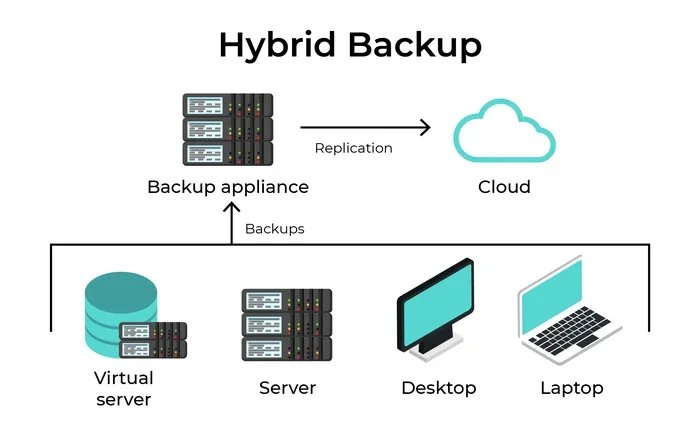
What happens if your office loses power or your computer crashes? With traditional hosting, you could lose everything. Cloud hosting solves this problem through automatic backups and redundant storage across multiple locations.
Your data is stored across multiple servers and data centers, so even if one server fails, your information stays safe and accessible. This level of business continuity cloud protection means you can recover quickly from any unexpected event. You do not need to worry about losing hours of work or important customer data ever again.
How to Choose the Right Cloud Hosting Provider
Choosing the right provider is one of the most important decisions you will make for your business. Not all providers offer the same value, and picking the wrong one can cost you time, money, and peace of mind.
Comparing Popular Providers
Here is a quick comparison of some well-known providers that cater well to small businesses and their unique needs:
| Provider | Starting Price | Uptime Guarantee | Best For |
|---|---|---|---|
| Provider A | $5/month | 99.9% | Budget-friendly starter sites |
| Provider B | $10/month | 99.95% | Growing businesses with more traffic |
| Provider C | $15/month | 99.99% | High-performance and enterprise needs |
| Provider D | $8/month | 99.9% | Managed hosting with full support |
These prices and features are approximate and can vary based on the specific plan you choose. Always review the full details, including any hidden fees, before committing to a long-term contract. Read recent customer reviews to get a real sense of each provider’s strengths and weaknesses.
Questions to Ask Before You Buy
Before you sign up with any provider, ask yourself these important questions to make a confident decision:
- What is the cloud hosting cost at scale? Will the price stay affordable as your business grows and your resource needs increase?
- Do they offer remote server access? Can you manage everything from anywhere, on any device?
- What does the migration process look like? Is there dedicated support to help you move from your current setup smoothly?
- Are backups included and how often? How easy is it to restore your data if something goes wrong unexpectedly?
- What security features are included? Look for SSL certificates, firewalls, DDoS protection, and regular security scans.
- Does the provider offer managed cloud hosting? Can they handle technical tasks so you can focus on running your business?
Taking the time to ask these questions can save you from costly mistakes down the road. Choose a provider that aligns with your current needs and your future goals. Your hosted servers for small business should empower you, not create extra work.
Getting Started with Cloud Server Hosting
Making the switch to cloud hosting for small business does not have to be overwhelming. With the right approach, you can migrate smoothly and start enjoying the benefits right away.
Migrating to the Cloud
Cloud migration is the process of moving your data, applications, and website from your current setup to the cloud. The good news is that most providers offer migration assistance, so you do not have to figure it all out by yourself.
Start by taking stock of what you currently have. List all your files, databases, and applications that you need to move. Then choose a provider that supports the platforms and tools you already use. Many providers offer free migration tools or guided support to make the process as simple and stress-free as possible.
Plan your migration for a slow period, like a weekend or a holiday, so you minimize any disruption to your customers. Test everything thoroughly before pointing your domain to the new server. A careful approach to cloud migration prevents problems and ensures a smooth transition for everyone involved.
Tips for a Smooth Transition
Here are some practical tips to make your move to the cloud as seamless as possible:
- Start small. Begin with a basic plan and upgrade as you become more comfortable with the cloud environment and its capabilities.
- Back up everything first. Even with the best provider, having your own backup gives you an extra layer of safety and peace of mind.
- Train your team. Make sure your employees know how to access and use the new cloud tools effectively from day one.
- Monitor your usage. Keep an eye on your resource consumption, especially in the first few months, to avoid surprises on your bill.
- Take advantage of free trials. Many providers offer free trials or money-back guarantees. Use these to test the service before committing long term.
Following these steps helps you avoid common pitfalls and ensures that your business server hosting experience is a positive one from day one. The goal is to make the transition feel natural, not disruptive, so your team can keep focusing on what matters most: growing your business.
Conclusion
Small business cloud server hosting is more than just a technology trend. It is a practical, powerful tool that can help your business grow faster, operate more efficiently, and serve your customers better. From affordable cloud hosting and cloud scalability to improved security and remote collaboration, the benefits are real and measurable for businesses of every size.
You do not need to be a tech expert to make the switch. With the right provider and a clear plan, you can migrate smoothly and start enjoying the advantages of the cloud right away. Take the time to compare your options, ask the right questions, and choose a solution that fits your budget and your goals.
Your business deserves technology that works as hard as you do. Small business cloud server hosting can be the foundation that supports your growth for years to come. Start exploring your options today and take the first step toward a stronger, more flexible future for your business.
Frequently Asked Questions
What is the difference between cloud hosting and traditional hosting?
Traditional hosting relies on a single physical server, while cloud server hosting uses a network of virtual servers spread across multiple data centers. This means cloud hosting offers better reliability, easier scaling, and no single point of failure. For small businesses, the cloud is almost always the smarter long-term choice.
Is cloud hosting secure for small businesses?
Yes, reputable providers invest heavily in data security in cloud with features like encryption, firewalls, and regular audits. You should also enable SSL certificates and strong passwords on your end. When both you and your provider follow best practices, cloud hosting is very secure for small business operations.
How much does small business cloud server hosting cost?
Prices vary widely depending on your needs, but most small businesses pay between $5 and $30 per month for solid cloud hosting plans. The pay-as-you-go model means you only pay for what you use, which makes affordable cloud hosting accessible even for businesses with tight budgets.
Can I migrate my existing website to the cloud?
Absolutely. Most providers offer migration tools and support to help you move your website from traditional hosting to the cloud. The process typically involves backing up your files, transferring your database, and updating your domain settings. Plan the migration during a low-traffic period for the smoothest experience.
What happens if my cloud server goes down?
Because cloud infrastructure spreads your data across multiple servers, a single server failure does not take your site offline. Backup servers automatically take over, ensuring high business uptime guarantees. This redundancy is one of the biggest advantages of small business cloud server hosting over traditional solutions.
Do I need technical skills to manage cloud hosting?
No, most modern cloud hosting providers offer user-friendly control panels and managed support that make it easy for non-technical users. Managed cloud hosting options handle the technical details for you. If you can navigate a website dashboard, you can manage your cloud server with confidence.