How Capital One Cloud Computing Is Transforming Finance
Capital One cloud computing is revolutionizing the way banks serve customers. The company uses cloud-based banking solutions to deliver faster, safer, and smarter financial services. By moving core systems to the cloud, Capital One has become a leader in digital transformation finance. This shift helps them scale quickly, reduce costs, and offer better products. Read on to learn how this tech giant is changing banking forever.
Key Takeaways
- Cloud-First Strategy: Capital One built its entire banking model around cloud infrastructure, making it a pioneer in the industry.
- Faster Innovation: Cloud computing allows Capital One to launch new features and products in weeks, not months.
- Enhanced Security: The bank uses advanced cloud security finance tools to protect customer data around the clock.
- Cost Savings: Moving to the cloud helped Capital One reduce IT spending significantly while improving performance.
- Data-Driven Decisions: Real-time analytics through cloud platforms power smarter credit decisions and personalized customer experiences.
- Scalable Growth: Cloud-native applications let Capital One handle millions of transactions without slowing down.
- Future-Ready Banking: Capital One’s cloud strategy positions it for continued growth in fintech and digital banking.
📑 Table of Contents
- What Is Capital One Cloud Computing?
- How Capital One Cloud Computing Is Changing Banking
- The Technology Behind Capital One’s Cloud Strategy
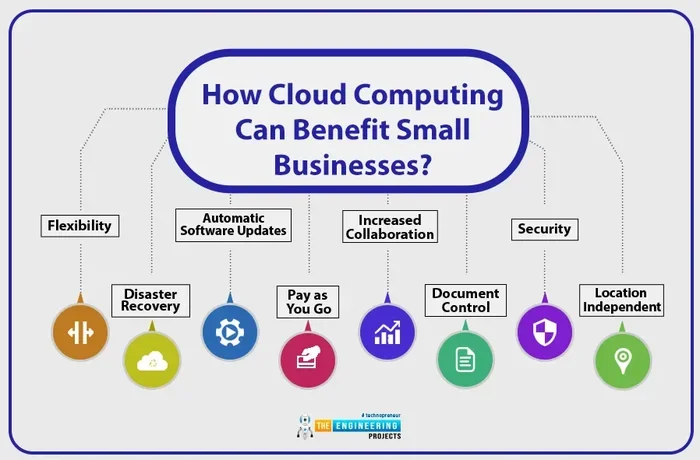
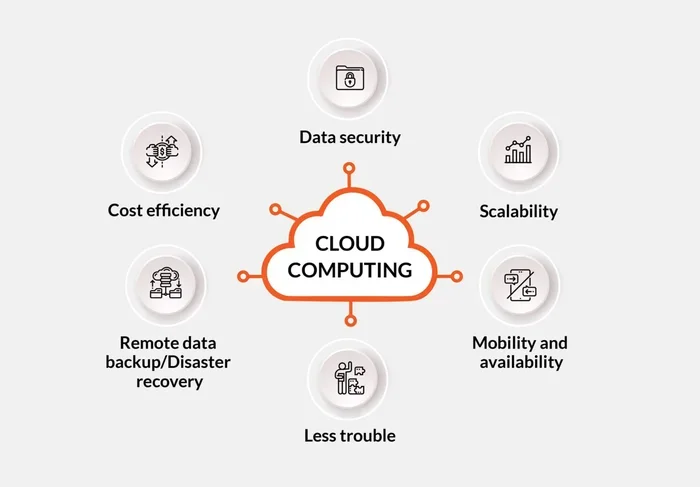
- Benefits of Capital One’s Cloud Approach
- Challenges Capital One Faces with Cloud Computing
- Comparison: Capital One vs. Traditional Banks in Cloud Adoption
- The Future of Capital One Cloud Computing
- Conclusion
What Is Capital One Cloud Computing?
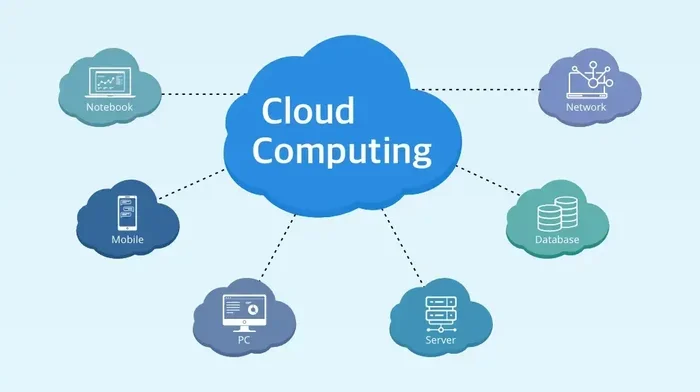
Capital One cloud computing refers to the bank’s use of remote servers and digital platforms to run its core services. Instead of relying on old-school data centers, Capital One stores data and runs applications on powerful cloud servers. This approach lets the bank offer banking services faster and more reliably than ever before.
The company started its cloud journey years ago. Today, it is one of the most well-known examples of cloud technology in banking. Capital One moved almost all of its operations to the cloud. This includes credit card processing, customer support, fraud detection, and even loan approvals.
What makes Capital One stand out is its commitment to cloud-native applications. These are tools built specifically for the cloud, not just old systems moved online. This difference matters because cloud-native apps work faster and scale better. They also cost less to run over time.
The bank partners with major cloud providers like Amazon Web Services (AWS). This partnership gives Capital One access to massive computing power. It also gives them the tools to serve over 100 million customers smoothly.
Why Does This Matter?
Cloud computing in finance is not just a trend. It is a fundamental shift in how banks operate. Traditional banks often struggle with slow systems and outdated tech. Capital One chose a different path. They bet big on cloud infrastructure and it paid off.
This move let Capital One compete with both banks and tech companies. Customers now expect fast, seamless digital experiences. Capital One’s cloud setup helps them meet those expectations every day.
How Capital One Cloud Computing Is Changing Banking
The impact of capital one cloud computing on the finance world is huge. Let us look at the key ways this technology is reshaping banking.
Speed and Agility
One of the biggest benefits is speed. In the old days, banks took months to roll out new features. Capital One can now deploy updates in days or even hours. This speed comes from cloud-based banking solutions that allow developers to test and launch code quickly.
For customers, this means new features show up fast. Whether it is a new credit card offer or a better mobile app experience, the cloud makes it possible.
Better Customer Experiences
Cloud computing lets Capital One personalize services for each customer. The bank uses data analytics cloud tools to understand spending habits and preferences. This data helps them offer tailored recommendations and rewards.
Customers can also access their accounts from anywhere. The cloud ensures the banking app works smoothly whether you are at home or traveling abroad. This level of reliability builds trust and loyalty.
Smarter Fraud Detection
Fraud detection is one of the most important areas for any bank. Capital One uses cloud-powered machine learning models to spot suspicious activity in real time. These models analyze millions of transactions every second.
If something looks off, the system flags it immediately. This quick response helps protect customers from financial loss. It also reduces false alarms, so legitimate transactions go through without a hitch.
Real-Time Financial Data Processing
Traditional banks often process data in batches overnight. Capital One processes data in real time thanks to its cloud setup. This means account balances update instantly, and credit decisions happen in seconds.
Real-time processing also helps with risk management. The bank can spot potential risks early and take action fast. This is a huge advantage in the fast-moving world of financial technology.
The Technology Behind Capital One’s Cloud Strategy
Capital One did not just move to the cloud. They built their entire technology stack around it. Let us explore the key pieces of their cloud computing strategy.
Cloud Infrastructure and Platforms
Capital One runs on a mix of public and private cloud environments. This is known as a hybrid cloud banking approach. Public clouds like AWS handle customer-facing apps. Private clouds manage sensitive data and regulatory workloads.
The bank also uses containerization and microservices. These are technical methods that break big applications into smaller, independent pieces. Each piece runs on its own, which makes the whole system more flexible and resilient.
Microservices Architecture
Microservices are a big part of Capital One’s success. Instead of one giant application, they run hundreds of small services. Each service handles a specific task, like processing a payment or checking a credit score.
This approach has many benefits:
- Easier updates: Teams can update one service without affecting others.
- Better reliability: If one service fails, the rest keep working.
- Faster development: Small teams can build and deploy services independently.
- Scalability: Services can grow or shrink based on demand.
Data Analytics and Machine Learning
Capital One collects vast amounts of data every day. Cloud platforms give them the tools to store, process, and analyze this data efficiently. Their data science teams build machine learning models that power everything from credit decisions to customer recommendations.
The bank is known for hiring data scientists and engineers in large numbers. These teams work closely with cloud tools to find patterns and insights. This data-driven approach gives Capital One a strong edge over competitors.
Cloud Security Finance Tools
Security is a top priority for any bank. Capital One invests heavily in cloud security finance measures. The cloud provider offers built-in security features, and Capital One adds its own layers on top.
These security measures include encryption, identity monitoring, and threat detection. The bank also follows strict regulatory standards set by financial authorities. Regular audits and testing help ensure that customer data stays safe.
Benefits of Capital One’s Cloud Approach
Moving to the cloud has brought many advantages to Capital One. Here are the most significant ones.
Cost Efficiency
Running traditional data centers is expensive. Capital One had to buy, maintain, and upgrade hardware constantly. The cloud eliminates much of this cost. Instead of owning servers, they pay for only what they use.
This model, known as pay-as-you-go, saves millions of dollars each year. Capital One can also scale resources up or down based on demand. During busy periods like holidays, they add more computing power. During quiet times, they scale back and save money.
Scalability
Scalability is one of the biggest cloud computing benefits. Capital One serves tens of millions of customers. During peak times, the volume of transactions can spike dramatically.
Cloud platforms handle these spikes with ease. The system automatically adjusts to handle more requests. Customers never experience slowdowns or outages, even on the busiest days.
Innovation Speed
Cloud computing lets Capital One experiment and innovate faster. Developers can create new tools and test them in the cloud. If an idea works, it goes live quickly. If it does not, they learn from it and move on.
This fast cycle of experimentation is key to staying ahead in digital banking innovation. Capital One has launched many successful products this way, from mobile check deposits to AI-powered spending insights.
Disaster Recovery
Cloud platforms offer strong disaster recovery options. Data is backed up across multiple locations. If one server goes down, another takes over automatically.
This means customers rarely face downtime. Even during major outages at other banks, Capital One’s cloud-based systems keep running. This reliability is a huge selling point for customers.
Challenges Capital One Faces with Cloud Computing
Cloud computing is not without its challenges. Capital One has faced some hurdles along the way. Understanding these challenges gives a fuller picture of their journey.
Regulatory Compliance
Banks operate under strict rules. Moving data to the cloud raises questions about where that data lives and who can access it. Capital One works closely with regulators to ensure full compliance.
The bank uses advanced tools to track data location and access. They also maintain detailed records for audits. This level of diligence helps them stay on the right side of the law.
Cloud Migration Complexity
Migrating from old systems to the cloud is a massive undertaking. Capital One had to move years of accumulated data and applications. Some systems were too complex to move all at once.
The bank took a phased approach. They moved one service at a time, testing each step carefully. This methodical process reduced risk and ensured a smooth transition.
Vendor Dependency
Relying on a single cloud provider can be risky. If that provider has an outage, it can affect Capital One’s services. To reduce this risk, the bank uses multiple cloud providers and maintains some on-premises systems.
This multi-cloud strategy adds resilience. It also gives Capital One more negotiating power and flexibility. They are not locked into one provider’s pricing or roadmap.
Talent and Training
Building a cloud-first culture requires skilled people. Capital One invested heavily in training its workforce. They hired cloud experts and sent existing staff to cloud certification programs.
This investment in talent has paid off. The bank now has one of the largest teams of cloud engineers in the financial sector. These experts drive continuous improvement and innovation.
Comparison: Capital One vs. Traditional Banks in Cloud Adoption
Capital One’s cloud approach sets it apart from traditional banks. Here is a quick comparison.
| Feature | Capital One | Traditional Banks |
|---|---|---|
| Cloud Adoption | Cloud-first, nearly all services on cloud | Mixed, many still use on-premises systems |
| Speed of Innovation | Weeks to deploy new features | Months to years for major updates |
| Scalability | Automatic scaling based on demand | Manual scaling, often leads to over-provisioning |
| Cost Model | Pay-as-you-go, lower upfront costs | High upfront hardware and maintenance costs |
| Data Processing | Real-time analytics and decision-making | Batch processing, often delayed |
| Customer Experience | Highly personalized, mobile-first | Standardized, slower digital adoption |
| Disaster Recovery | Automated multi-region backups | Limited, often relies on single data centers |
This comparison shows why Capital One has a clear edge in the digital age. Their cloud-first approach drives speed, savings, and better service for customers.
Quick Tips: Lessons from Capital One’s Cloud Journey
If you are interested in cloud computing for your own business, here are some tips inspired by Capital One’s success:
- Start small and scale up. Do not try to move everything at once. Begin with one service and expand gradually.
- Invest in your team. Cloud technology is only as good as the people using it. Provide training and hire experts.
- Focus on security from day one. Build security into every layer of your cloud setup. Do not treat it as an afterthought.
- Use data to drive decisions. Cloud platforms offer powerful analytics. Use them to understand your customers and improve your services.
- Stay flexible. The cloud landscape changes fast. Keep learning and adapt your strategy as new tools emerge.
Common Mistakes to Avoid
Many companies make mistakes when adopting cloud computing. Here are a few to watch out for:
- Ignoring security: Cloud platforms are secure, but you still need to configure them properly. Skipping security steps can lead to data breaches.
- Underestimating costs: Pay-as-you-go does not mean pay-as-little-as-you-want. Without proper monitoring, cloud costs can spiral out of control.
- Moving everything at once: A big-bang migration is risky. Take a phased approach and test thoroughly at each step.
- Neglecting compliance: Different industries have different rules. Make sure your cloud setup meets all regulatory requirements.
- Forgetting about training: Your team needs to know how to use cloud tools effectively. Without training, you will not get the full value.
Expert Insights on Capital One’s Cloud Strategy
Capital One’s cloud journey is a masterclass in digital transformation, says industry analyst Sarah Mitchell. “They did not just move to the cloud. They built their entire identity around it. That kind of commitment is rare and it shows in their results.”
Another expert, tech consultant David Chen, adds: “What sets Capital One apart is their focus on cloud-native development. They did not just lift and shift old systems. They rebuilt them for the cloud from the ground up. This is the right approach, and it gives them a real competitive advantage.”
These insights highlight that Capital One’s success is not just about technology. It is about culture, strategy, and long-term commitment to innovation.
The Future of Capital One Cloud Computing
Capital One is not slowing down. The bank continues to invest in cloud computing trends that will shape the future of finance.
Artificial Intelligence and Cloud
AI and cloud computing go hand in hand. Capital One is already using AI for credit scoring, fraud detection, and customer service. As cloud platforms add more AI tools, the bank will be able to do even more.
Imagine a future where your bank predicts your needs before you do. Cloud-powered AI could make that a reality. Capital One is working toward that vision right now.
Expanded Cloud Cost Optimization
As cloud usage grows, cost management becomes more important. Capital One is always looking for ways to optimize cloud cost without sacrificing performance. They use tools to monitor usage and find savings opportunities.
This focus on efficiency will only grow in the future. Banks that master cloud cost optimization will have a significant advantage over their peers.
More Open Banking Integration
Open banking allows customers to share their financial data with third-party apps. Capital One is embracing this trend through its cloud platform. This opens up new possibilities for customers and partners alike.
In the future, you may see Capital One data powering a wide range of financial tools and services. The cloud makes this kind of integration seamless and secure.
Sustainability and Green Cloud
Cloud computing can also support sustainability goals. By moving to the cloud, Capital One reduced its physical data center footprint. Cloud data centers are often more energy-efficient than traditional ones.
As more banks follow Capital One’s lead, the entire financial industry could become greener. This is a welcome side effect of the cloud revolution.
Conclusion
Capital One cloud computing has transformed the bank into a tech-forward financial leader. From faster innovation to better customer experiences, the benefits are clear. The bank’s commitment to cloud infrastructure and cloud-native applications sets it apart from traditional competitors.
The journey has not been without challenges. Regulatory compliance, migration complexity, and vendor dependency all required careful planning. But Capital One tackled each one with a smart, phased approach. The results speak for themselves.
As cloud computing in finance continues to evolve, Capital One is well-positioned to lead the way. Their cloud strategy is not just a technology choice. It is a business strategy that drives growth, efficiency, and customer satisfaction.
If you are in banking or finance, there are clear lessons to learn from Capital One’s example. Embrace the cloud, invest in your people, and never stop innovating. The future of finance is digital, and it runs on the cloud.
Frequently Asked Questions
What is Capital One cloud computing?
Capital One cloud computing refers to the bank’s use of remote servers and cloud platforms to run its banking services. Instead of traditional data centers, Capital One stores data and runs applications on cloud infrastructure. This allows them to offer faster, more reliable, and more scalable financial services to customers.
How does Capital One use cloud technology in banking?
Capital One uses cloud technology for nearly all its operations. This includes credit card processing, fraud detection, customer support, and loan approvals. The bank runs cloud-native applications built specifically for the cloud, which makes them faster and more efficient than traditional systems.
Why is Capital One’s cloud approach different from traditional banks?
Traditional banks often rely on old on-premises systems and slow batch processing. Capital One took a cloud-first approach from the start. They rebuilt their entire technology stack for the cloud, which gives them faster innovation, better scalability, and lower costs compared to legacy banks.
Is Capital One’s cloud banking secure?
Yes, Capital One takes cloud security very seriously. The bank uses advanced encryption, identity monitoring, and threat detection tools. They also follow strict regulatory standards and undergo regular audits. Their hybrid cloud approach keeps sensitive data on private cloud environments for added protection.
What cloud provider does Capital One use?
Capital One primarily uses Amazon Web Services (AWS) as its main cloud provider. They also employ a multi-cloud strategy, using additional providers for redundancy and flexibility. This approach helps them avoid vendor lock-in and ensures high availability of services.
How has cloud computing helped Capital One save money?
Cloud computing eliminated the need for Capital One to maintain large physical data centers. The pay-as-you-go model means they only pay for the resources they use. This has led to significant cost savings in hardware, maintenance, and IT staffing, while also improving performance and reliability.
=== META TITLE ===
Capital One Cloud Computing: How Finance Is Evolving
=== URL SLUG ===
capital-one-cloud-computing
=== SEO TITLE ===
How Capital One Cloud Computing Is Transforming Finance