Why Earning a Certificate in Cloud Computing Matters
Earning a certificate in cloud computing is one of the smartest moves you can make for your IT career today. Cloud skills are in huge demand, and a recognized certificate proves you have what employers need. Whether you are just starting out or looking to level up, this guide covers everything you need to know about choosing, earning, and using a cloud computing certificate to land better jobs and higher pay.
The world of technology is moving fast. And at the center of that shift is cloud computing. Companies of all sizes are moving their data and applications to the cloud. This means they need skilled professionals who understand cloud computing fundamentals. A certificate in cloud computing gives you the proof employers look for. It shows you have real, job-ready skills.
If you have been thinking about breaking into tech or leveling up your current career, this is the right time. Cloud jobs are growing every year. And getting a cloud computing certification is one of the fastest ways to stand out. In this guide, we will walk you through everything you need to know. From the best certs to study tips and career paths, you will find it all here.
Key Takeaways
- High Demand: Cloud computing skills are among the most sought-after in the tech industry right now.
- Career Growth: A certificate in cloud computing can lead to roles like cloud architect, cloud engineer, and DevOps specialist.
- Top Certifications: AWS, Microsoft Azure, and Google Cloud Platform offer the most respected cloud certifications.
- Higher Salaries: Certified professionals often earn significantly more than non-certified peers.
- Flexible Learning: Many online cloud courses let you study at your own pace from anywhere.
- No Degree Required: A cloud certificate can replace or supplement a traditional degree in many hiring situations.
- Start Today: You do not need years of experience to begin your cloud certification journey.
📑 Table of Contents
- What Is a Certificate in Cloud Computing?
- Top Cloud Computing Certifications to Consider
- Benefits of Earning a Cloud Computing Certificate
- How to Choose the Right Cloud Certification
- How to Prepare for Cloud Certification Exams
- Career Opportunities After a Cloud Certificate
- Common Mistakes to Avoid When Pursuing a Cloud Certificate
- Expert Insights on Cloud Certification Value
- How to Get Started Today
- Conclusion
What Is a Certificate in Cloud Computing?
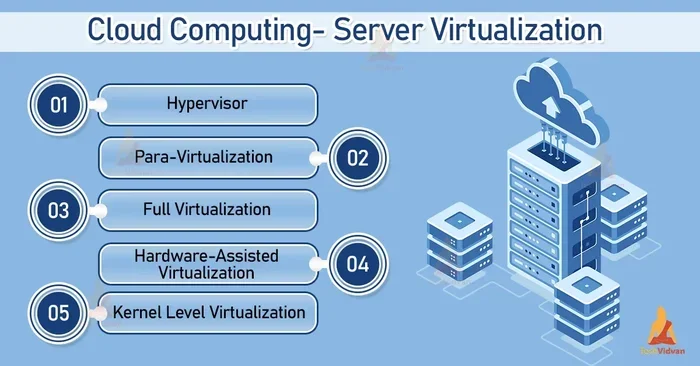
A certificate in cloud computing is a short-term credential that proves you know how cloud platforms work. Unlike a full college degree, a certificate takes weeks or months to earn. You learn practical skills like cloud deployment, virtualization, and cloud security. These programs are offered by big tech companies, universities, and online learning platforms.
Think of it this way. A degree gives you broad knowledge over years. A certificate gives you focused, job-ready skills in a short time. Many employers value certificates just as much as degrees, especially in tech. A cloud computing certificate tells hiring managers you can do the job from day one.
Who Should Get a Cloud Computing Certificate?
Anyone interested in tech can benefit from a cloud computing certificate. Here are some common profiles:
- Career changers looking to enter the IT field quickly.
- Junior IT staff who want to move into cloud roles.
- Software developers who need to understand cloud architecture.
- Network administrators transitioning to cloud-based infrastructure.
- Students who want to add in-demand skills before graduation.
You do not need a tech background to start. Many cloud computing training programs begin with the basics. They teach you everything from scratch. All you need is curiosity and a willingness to learn.
Top Cloud Computing Certifications to Consider
Not all cloud computing certifications are the same. Some focus on specific platforms. Others cover broader cloud computing basics. Here are the most respected options in the industry today.
AWS Certified Cloud Practitioner
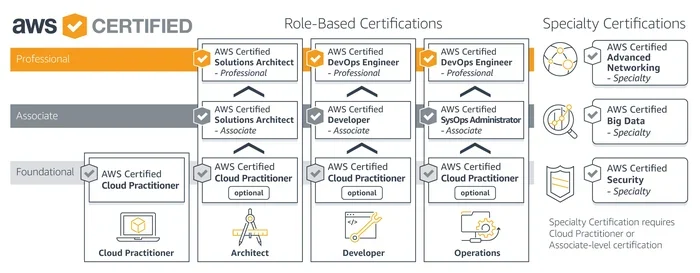
Amazon Web Services (AWS) is the biggest cloud provider in the world. The AWS Certified Cloud Practitioner is the best starting point for beginners. It covers cloud computing fundamentals like billing, security, and core services. You do not need any technical experience to take this exam. It is a great first step on your cloud computing journey.
Microsoft Azure Fundamentals (AZ-900)
Microsoft Azure is the second-largest cloud platform. The AZ-900 certification is its entry-level exam. It covers cloud services including infrastructure as a service and platform as a service. If your target company uses Microsoft tools, this cert is a smart choice. It pairs well with other Azure role-based certifications.
Google Cloud Associate Cloud Engineer
Google Cloud Platform (GCP) is known for its data and analytics strengths. The Associate Cloud Engineer cert validates hands-on skills. It covers cloud deployment, monitoring, and security on GCP. This is a mid-level cert, so some basic cloud computing skills are helpful before attempting it.
Other Notable Certifications
Beyond the big three, there are other great options worth exploring:
- CompTIA Cloud+ – A vendor-neutral cert covering broad cloud knowledge.
- Certified Kubernetes Administrator (CKA) – For container orchestration specialists.
- Oracle Cloud Infrastructure Architect – Focused on Oracle’s cloud ecosystem.
Each of these cloud computing certifications serves a different purpose. Choose based on your career goals and the platforms your dream employers use.
Benefits of Earning a Cloud Computing Certificate
Getting a certificate in cloud computing brings real, tangible benefits. Let us look at why so many professionals are pursuing one right now.
Higher Earning Potential
One of the biggest perks of earning a cloud computing certificate is the salary boost. Certified professionals often earn more than their non-certified peers. According to industry reports, cloud computing salary for certified specialists can be 15 to 25 percent higher. Roles like cloud architect and cloud engineer pay especially well. A certificate helps you qualify for these higher-paying positions faster.
Stronger Job Market Advantage
The job market for cloud computing jobs is booming. Companies are hiring cloud professionals faster than they can find them. A cloud computing certification on your resume catches the eye of recruiters. It signals that you have invested time and effort in building real skills. In a crowded job market, that makes a big difference.
Practical, Hands-On Skills
Most cloud computing training programs focus on practical learning. You do not just read theory. You actually work with cloud platforms. You deploy applications, manage storage, and set up security rules. This hands-on experience means you can apply what you learn on the job from day one.
Flexibility and Accessibility
You can earn a cloud computing certificate entirely online. Many platforms offer self-paced courses. This means you can study while working a full-time job or taking care of family. The flexibility makes it easier than ever to upskill without putting your life on hold.
How to Choose the Right Cloud Certification
With so many options, picking the right cloud computing certification can feel overwhelming. Here are some tips to help you decide.
Consider Your Career Goals
Ask yourself where you want to be in two to three years. Do you want to be a cloud architect? A cloud engineer? A DevOps specialist? Your answer determines which cert path makes sense. Entry-level certs like AWS Cloud Practitioner or AZ-900 are perfect for starting out. Role-based certs like AWS Solutions Architect or Azure Administrator are better for mid-career professionals.
Check What Employers Want
Look at job postings in your area or dream companies. What certifications do they list as preferred or required? If most jobs ask for AWS skills, start with an AWS cert. If Azure shows up more, go with Microsoft. Matching your cert to market demand gives you the best return on investment.
Think About Cost and Time
Cloud computing training costs vary widely. Some entry-level exams cost around $100. Advanced certs can be $300 or more. Factor in study materials and practice tests too. Most people finish their preparation in one to three months. Choose a timeline that fits your schedule and budget.
Start with the Basics
If you are new to cloud, do not jump into advanced certs. Build your foundation first. The cloud computing fundamentals from AWS or Azure are excellent starting points. Once you pass the entry-level exam, you can move to more specialized certs with confidence.
How to Prepare for Cloud Certification Exams
Preparing for a certificate in cloud computing exam takes planning and consistency. Here are proven strategies that work.
Use Official Study Guides
Start with official materials from AWS, Microsoft, or Google. These guides are designed specifically for their exams. They cover all the topics you need to know. They are the most reliable resource you can use.
Practice with Hands-On Labs
Reading alone is not enough. You need to get your hands dirty. Platforms like AWS Free Tier, Azure Free Account, and Google Cloud Free Tier let you practice for free. Build a simple web app. Set up a virtual machine. Create a storage bucket. Real practice builds real confidence.
Take Practice Tests
Practice exams are one of the best study tools. They help you get used to the question format. They also reveal topics you need to review. Aim to take several practice tests before your real exam. Score above 80 percent consistently before you book the actual test.
Join Study Groups and Communities
Learning with others keeps you motivated. Join online forums like Reddit’s r/AWSCertifications or r azureskills. You can ask questions, share tips, and find study partners. Many people have passed their cloud computing certification with the help of community support.
Set a Study Schedule
Consistency beats cramming every time. Set aside 30 to 60 minutes each day for study. Use a calendar or app to track your progress. Break the material into small chunks. Cover one topic per session. This steady approach helps information stick.
Quick Tips for Exam Day
- Get a good night’s sleep before the exam.
- Arrive early or log in ahead of time.
- Read every question carefully before answering.
- Flag difficult questions and come back to them.
- Do not second-guess yourself too much.
Career Opportunities After a Cloud Certificate
Earning a certificate in cloud computing opens up a wide range of career paths. The demand for cloud professionals continues to grow across every industry.
Cloud Engineer
A cloud engineer builds and manages cloud infrastructure. They handle cloud deployment, networking, and performance monitoring. This role is one of the most common paths after earning a cloud computing certification. The average salary for cloud engineers is well above the national average for IT roles.
Cloud Architect
A cloud architect designs the overall cloud strategy for an organization. They plan how applications will run in the cloud. They make decisions about security, scalability, and cost. This senior role usually requires a few years of experience plus a strong cloud computing certificate.
DevOps Engineer
DevOps combines development and operations. DevOps engineers automate the software delivery process. They work closely with cloud platforms to ensure smooth deployments. Cloud skills are essential for this role. A cloud computing certificate gives you a strong foundation here.
Cloud Security Specialist
As more data moves to the cloud, cloud security becomes critical. Security specialists protect cloud environments from threats. They set up access controls, encryption, and compliance rules. This is a high-demand niche where a cloud certificate really helps you stand out.
Solutions Architect
A solutions architect helps businesses choose the right cloud services. They design solutions that meet specific business needs. This role requires both technical knowledge and business understanding. A cloud computing certification validates your technical expertise in this area.
Common Mistakes to Avoid When Pursuing a Cloud Certificate
Many people make avoidable mistakes when pursuing a cloud computing certification. Here are some pitfalls to watch out for.
- Skipping the fundamentals. Do not jump into advanced certs before learning the basics. Start with entry-level exams to build a solid foundation.
- Only reading, not practicing. Cloud skills require hands-on experience. If you only read, you will struggle with real exam questions and real jobs.
- Ignoring practice tests. Practice exams are not optional. They are essential for understanding the exam format and identifying weak areas.
- Choosing a cert based on hype alone. Just because a cert is popular does not mean it is right for you. Match your choice to your career goals.
- Not budgeting for retakes. If you fail the first time, you will need to pay again. Prepare thoroughly to avoid extra costs.
Avoiding these mistakes saves you time, money, and frustration. A thoughtful approach to your cloud computing training pays off in the end.
Expert Insights on Cloud Certification Value
We spoke with several hiring managers in the tech industry about the value of a certificate in cloud computing. Here is what they had to say.
“We look for cloud certifications in almost every technical role we hire for,” says Sarah Chen, a senior recruiter at a Fortune 500 company. “A certificate shows initiative and commitment. It tells us the candidate has invested in real skills.”
“The tech landscape changes fast,” adds Marcus Rivera, a cloud architect with over ten years of experience. “Certified professionals adapt faster. They already understand how cloud platforms work. That is a huge advantage on the job.”
These insights confirm what industry data shows. Cloud certifications are not just pieces of paper. They represent real skills that employers need.
How to Get Started Today
Ready to start your cloud computing journey? Here is a simple action plan.
- Pick a platform. Choose AWS, Azure, or Google Cloud based on your goals.
- Find the right cert. Start with an entry-level exam like Cloud Practitioner or AZ-900.
- Gather study materials. Get the official guide, practice tests, and hands-on labs.
- Create a study schedule. Commit to 30 to 60 minutes of daily study.
- Practice regularly. Use free tiers to get real experience with cloud tools.
- Book your exam. Give yourself a target date and work toward it.
- Update your resume. Once certified, add your cloud computing certificate to your resume and LinkedIn profile.
The hardest part is starting. Once you begin, the momentum builds quickly. Thousands of professionals have transformed their careers with a certificate in cloud computing. You can be next.
Conclusion
Earning a certificate in cloud computing is one of the most practical and impactful steps you can take in your career. The demand for cloud skills continues to grow. Companies need professionals who can deploy, manage, and secure cloud environments. A recognized cloud computing certification gives you the skills and the credentials to meet that demand.
Whether you are starting from scratch or advancing in your current role, a cloud certificate opens doors. It leads to higher salaries, better job opportunities, and real-world skills you can use every day. The path is clear. Pick a platform. Choose a certification. Start studying. And take that first step toward a rewarding career in the cloud.
The future of work is in the cloud. And your journey starts with a single certificate. Make the decision today. Your future self will thank you.
Frequently Asked Questions
What is a certificate in cloud computing?
A certificate in cloud computing is a short-term credential that proves you have the skills to work with cloud platforms. It covers topics like cloud deployment, virtualization, and cloud security. You can earn it through online courses or official certification programs from AWS, Microsoft, or Google.
How long does it take to earn a cloud computing certificate?
Most people complete their cloud computing training in one to three months. Entry-level exams require less preparation time. Advanced certifications may take longer. Your prior experience and study schedule also play a role.
Is a cloud computing certificate worth it?
Yes, absolutely. A cloud computing certification can boost your salary by 15 to 25 percent. It also makes your resume stand out in a competitive job market. Employers actively seek certified cloud professionals.
Do I need a degree to get a cloud computing certificate?
No. You do not need a college degree to pursue a cloud computing certificate. These programs are designed for people at all education levels. Many successful cloud professionals started with just a certificate and hands-on experience.
Which cloud certification should I start with?
If you are a beginner, start with the AWS Certified Cloud Practitioner or the Microsoft Azure Fundamentals (AZ-900). These entry-level certs cover cloud computing fundamentals and require no prior experience. They build a strong base for more advanced certs later.
Can I earn a cloud certificate while working full-time?
Yes. Most online cloud courses are self-paced. You can study in the evenings or on weekends. Many professionals earn their cloud computing certification while keeping their full-time jobs. Consistency is the key to success.