Cloud Computing Benefits and Risks You Should Understand
Cloud computing benefits and risks shape how businesses and individuals store, manage, and access data today. Understanding cloud computing advantages like cost savings, scalability, and remote flexibility helps you make smarter tech decisions. At the same time, being aware of cloud computing risks such as security threats, downtime, and compliance challenges keeps your data safe and your operations running smoothly.
Cloud computing has transformed the way we store, access, and manage data. Whether you are a small business owner or an IT decision-maker at a large corporation, understanding the cloud computing benefits and risks is essential. The shift to cloud services offers incredible advantages, but it also comes with real challenges that can catch you off guard.
In this guide, we break down everything you need to know. We cover the top benefits that make cloud adoption so appealing, and we do not shy away from the risks that demand your attention. By the end, you will have a clear picture of whether cloud migration is the right move for you.
Key Takeaways
- Cost Efficiency: Cloud computing eliminates the need for expensive hardware and upfront infrastructure investments.
- Scalability on Demand: You can scale resources up or down instantly based on your real-time needs.
- Security Concerns Exist: Data breaches, compliance issues, and shared responsibility models pose real risks.
- Internet Dependency: Without a reliable connection, cloud services become inaccessible, causing operational disruptions.
- Vendor Lock-In: Switching providers later can be complex, costly, and time-consuming.
- Disaster Recovery Made Easy: Cloud-based backup and recovery solutions protect your data from unexpected events.
- Read the Fine Print: Always review service agreements and terms carefully before committing to any provider.
📑 Table of Contents
What Is Cloud Computing?
At its core, cloud computing means storing and accessing data and programs over the internet instead of your computer’s hard drive. Think of it like renting space on someone else’s powerful servers rather than buying and maintaining your own.
These servers are managed by cloud providers like Amazon Web Services, Microsoft Azure, and Google Cloud Platform. You access your files, applications, and tools through the internet from virtually anywhere. This model has replaced the old way of running everything on local machines and physical data centers.
The beauty of cloud infrastructure is that you do not need to be a tech expert to use it. The provider handles the heavy lifting — server maintenance, software updates, and hardware replacements. All you need is a device and an internet connection.
Top Benefits of Cloud Computing
The reasons businesses and individuals flock to the cloud are compelling. Let us explore the biggest cloud computing advantages that drive cloud adoption worldwide.
Cost Savings and Lower IT Expenses
One of the most attractive cloud computing benefits is the dramatic reduction in costs. Traditional IT setup requires buying servers, cooling systems, and hiring a team to manage them. Cloud services flip this model. You pay only for what you use, much like a utility bill.
Small businesses especially benefit from this pay-as-you-go approach. You get access to enterprise-grade technology without the enterprise-grade price tag. There is no need for large upfront capital investments. This frees up cash for other important areas of your business.
Here are the key cost-related advantages:
- No need to purchase expensive hardware
- Reduced energy costs for powering and cooling servers
- Lower IT staffing requirements
- Pay only for the resources you actually consume
- Predictable monthly expenses instead of surprise repair bills
Scalability and Flexibility
Scalability is where cloud computing truly shines. Imagine your website suddenly gets a massive traffic spike during a holiday sale. With traditional servers, this could crash your site. With cloud services, you scale up instantly to handle the load and scale back down when things calm out.
This flexibility works in both directions. Need more storage space next month? Just upgrade your plan. Fewer users this quarter? Scale down and save money. Cloud providers make this process seamless and almost instant.
Startups and growing companies love this aspect. You do not have to predict your future needs perfectly. The cloud adjusts with you as your business evolves.
Remote Work and Collaboration
The rise of remote work has made cloud services more important than ever. Team members can access files, applications, and tools from any location in the world. This has transformed how companies operate and how teams collaborate.
Real-time collaboration is another game-changer. Multiple people can work on the same document simultaneously. Changes update instantly. This eliminates the endless email chains and version confusion that plagued office work for years.
Companies that embrace cloud-based collaboration often see improved productivity and employee satisfaction. Workers appreciate the flexibility, and businesses benefit from a wider talent pool that is not limited by geography.
Disaster Recovery and Data Backup
Data loss can be catastrophic for any business. Hard drives fail, fires happen, and accidents occur. Cloud-based backup solutions ensure your critical data is safe and recoverable.
Cloud providers typically store your data across multiple geographic locations. This means if one data center goes down, your information is still safe in another. Recovery times that used to take days now happen in minutes.
For businesses with strict compliance requirements, cloud disaster recovery offers peace of mind. You meet regulatory standards for data protection without building and maintaining your own backup infrastructure.
Automatic Updates and Maintenance
Software updates and security patches can be a headache. They take time, disrupt workflows, and sometimes cause compatibility issues. With cloud computing, the provider handles all of this for you.
Updates happen automatically in the background. You always have access to the latest features and security improvements without lifting a finger. This frees your IT team to focus on strategic projects instead of routine maintenance.
Understanding the Risks of Cloud Computing
Now let us talk about the side of the coin that does not get enough attention. Cloud computing risks are real, and ignoring them can lead to serious problems. Awareness is your first line of defense.
Security and Data Privacy Concerns
When you move your data to the cloud, you are placing your trust in a third party. This raises valid security concerns. Data breaches, unauthorized access, and cyberattacks are constant threats in the digital landscape.
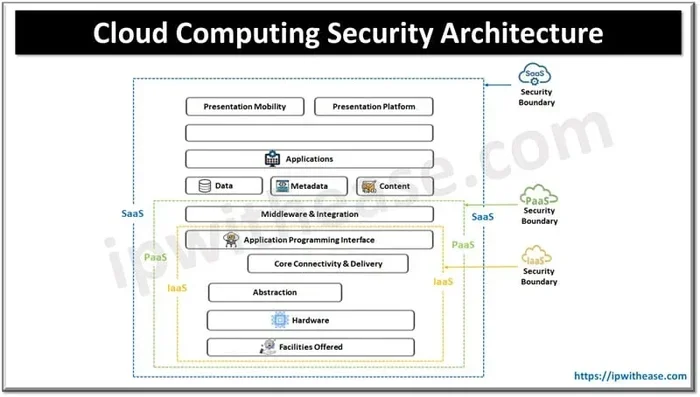
Most cloud providers invest heavily in security measures. They use encryption, firewalls, and multi-factor authentication. However, no system is completely immune to attacks. The shared responsibility model means the provider secures the infrastructure, but you are responsible for securing your data and access controls.
Data privacy is another major concern. Where is your data physically stored? Different countries have different laws about data handling and government access. Understanding these regulations is critical before migrating sensitive information.
Internet Dependency and Downtime
Cloud computing requires a stable internet connection. If your internet goes down, you lose access to your files, applications, and tools. For businesses that rely on constant connectivity, even a brief outage can mean lost revenue and frustrated customers.
Cloud downtime is not just a theoretical risk. Major outages have affected companies like AWS, Google, and Microsoft over the years. While providers work hard to maintain uptime, no system guarantees 100% availability.
Here are some practical steps to manage this risk:
- Maintain a reliable backup internet connection
- Implement offline capabilities for critical applications
- Choose providers with strong uptime guarantees in their service level agreements
- Monitor your connection quality regularly
Vendor Lock-In Challenges
Switching cloud providers is not as simple as moving a file from one folder to another. Each provider uses different formats, APIs, and management tools. Over time, your systems become tightly integrated with your current provider’s ecosystem.
This vendor lock-in can make it extremely difficult and expensive to change providers later. You may face data transfer costs, compatibility issues, and significant downtime during the migration process.
To avoid getting trapped, consider these strategies:
- Use open standards and portable formats whenever possible
- Keep detailed documentation of your cloud architecture
- Review exit clauses in your service agreements
- Consider multi-cloud strategies that spread your workload across providers
Compliance and Regulatory Risks
Different industries face different regulatory requirements. Healthcare, finance, and government organizations must adhere to strict rules about how data is stored and accessed. Cloud migration can complicate compliance efforts if not handled carefully.
You need to verify that your cloud provider meets all relevant compliance standards for your industry. This includes certifications like HIPAA for healthcare or PCI DSS for payment processing. Failure to comply can result in hefty fines and reputational damage.
Before signing any contract, review the provider’s compliance documentation thoroughly. Ask specific questions about data residency, encryption standards, and audit capabilities. Do not assume that every provider meets every requirement.
Performance and Latency Issues
While cloud services offer incredible power, they are not immune to performance issues. Latency, or the delay between sending a request and receiving a response, can affect user experience.
Applications that require real-time processing, such as video conferencing or online gaming, are particularly sensitive to latency. The physical distance between your users and the data center can impact performance significantly.
Some cloud providers offer edge computing solutions to reduce latency. These place processing closer to end users. However, these solutions add complexity and cost to your setup.
Weighing the Benefits Against the Risks
The decision to move to the cloud is not one-size-fits-all. Every organization has unique needs, resources, and risk tolerances. The key is to weigh the cloud computing benefits and risks carefully and make an informed choice.
For most businesses, the advantages of cloud computing far outweigh the risks — but only when proper precautions are in place. Start with a thorough assessment of your current infrastructure, security requirements, and budget constraints.
Consider running a pilot project before committing to a full cloud migration. This lets you test the waters, identify potential issues, and build confidence in the new system. Many cloud providers offer free trials or tiered plans that make this testing phase low-risk.
Also, remember that cloud adoption is a journey, not a destination. Your needs will evolve over time, and your cloud strategy should evolve with them. Regular reviews and adjustments keep your setup optimized and secure.
Best Practices for Safe Cloud Adoption
Want to maximize the cloud computing advantages while minimizing the risks? Follow these proven best practices:
- Choose reputable providers with strong security track records and transparent policies.
- Encrypt sensitive data both in transit and at rest. This adds a critical layer of protection.
- Implement strong access controls including multi-factor authentication and role-based permissions.
- Regularly audit your cloud environment for vulnerabilities and misconfigurations.
- Train your team on cloud security best practices and safe data handling procedures.
- Read the terms and conditions carefully before signing up. Understand your rights and responsibilities.
- Maintain local backups of your most critical data as an additional safety net.
Following these steps dramatically reduces your exposure to the common cloud computing risks. They also help you get the most value from your cloud services investment.
Remember that every provider has different strengths and weaknesses. Take the time to compare options and read reviews from other users in your industry. The right fit depends on your specific needs, budget, and technical requirements.
Final Thoughts on Cloud Computing Benefits and Risks
The world of cloud computing offers tremendous opportunities for growth, efficiency, and innovation. The cloud computing benefits and risks we have covered in this guide give you a solid foundation for making smart decisions. Cost savings, scalability, remote work support, and disaster recovery are powerful motivators to embrace the cloud.
At the same time, security threats, internet dependency, vendor lock-in, and compliance challenges demand your attention and proactive management. The key is to approach cloud adoption with open eyes and a clear plan.
Do not let the risks scare you away from the cloud. Instead, let them guide you toward smarter, more secure implementation strategies. The cloud is not going anywhere, and organizations that learn to navigate its benefits and risks will be best positioned for long-term success.
Take the time to research providers, understand your obligations, and build a strategy that works for your unique situation. The right approach to cloud computing can transform your operations and set you up for sustainable growth in the digital age.
Frequently Asked Questions
What are the biggest benefits of cloud computing?
The top benefits include significant cost savings, on-demand scalability, support for remote work and collaboration, reliable disaster recovery, and automatic software updates. These advantages make cloud services appealing to businesses of all sizes.
What are the main risks associated with cloud computing?
The primary risks involve security and data privacy concerns, internet dependency and potential downtime, vendor lock-in challenges, compliance and regulatory issues, and performance or latency problems. Understanding these risks helps you prepare and mitigate them effectively.
Is cloud computing safe for sensitive business data?
Yes, when implemented correctly. Leading cloud providers invest heavily in security measures including encryption, access controls, and compliance certifications. However, you must also follow best practices on your end, such as using strong passwords and multi-factor authentication.
How do I choose the right cloud provider?
Consider factors like security features, compliance certifications, pricing models, uptime guarantees, customer support quality, and scalability options. Reading reviews and comparing providers side by side helps you find the best fit for your needs.
Can small businesses benefit from cloud computing?
Absolutely. Small businesses often benefit the most because they gain access to enterprise-grade technology without the high upfront costs. The pay-as-you-go model and scalability make it easy for small companies to grow without heavy IT investments.
What should I do before migrating to the cloud?
Start by assessing your current infrastructure and identifying which workloads are good candidates for migration. Review your security requirements, budget, and compliance needs. It is also wise to run a pilot project and carefully review your provider’s service agreements and terms before committing.