Top Cloud Computing Companies List You Should Explore Now
This guide reveals the best cloud computing companies list ranked by market share, features, and reliability. You will learn about AWS, Microsoft Azure, Google Cloud, and other leading providers. Whether you need IaaS, PaaS, or SaaS solutions, this article helps you find the right fit.
The cloud computing landscape has changed dramatically over the past decade. Today, businesses of every size rely on cloud computing companies to store data, run applications, and power their digital operations. From startups to Fortune 500 corporations, the shift to cloud infrastructure has become unavoidable.
If you are searching for a cloud computing companies list to guide your decision, you are in the right place. This article covers the top providers, their unique strengths, and how they stack up against each other. By the end, you will have a clear picture of which cloud service provider fits your needs best.
Cloud computing has evolved far beyond simple storage. Modern cloud computing services include everything from artificial intelligence tools to serverless computing platforms. The providers on this list have invested billions in building robust cloud infrastructure that supports millions of users worldwide. Let us dive in and explore them.
Key Takeaways
- AWS dominates the cloud market with the largest share and broadest service portfolio.
- Microsoft Azure leads enterprise adoption thanks to its seamless integration with Microsoft tools.
- Google Cloud Platform excels in data analytics and AI-powered cloud solutions. IBM Cloud and Oracle Cloud offer strong enterprise-grade and database-focused services.
- Choosing the right provider depends on your budget, scalability needs, and cloud migration goals.
- Multi-cloud strategies are growing as businesses seek flexibility and vendor independence.
- Cloud security and compliance remain top priorities for all major providers.
📑 Table of Contents
- What Are the Top Cloud Computing Companies?
- AWS: The Industry Leader in Cloud Computing
- Microsoft Azure: A Powerhouse for Enterprise Cloud
- Google Cloud Platform: Innovation at Scale
- IBM Cloud and Oracle Cloud: Enterprise-Grade Solutions
- Smaller but Mighty: Emerging Cloud Computing Companies
- How to Choose the Right Cloud Provider for Your Needs
- The Future of Cloud Computing Companies
- Conclusion
What Are the Top Cloud Computing Companies?
The cloud computing market leaders are easy to identify. They have massive revenue, global data centers, and thousands of enterprise clients. The big three — Amazon Web Services, Microsoft Azure, and Google Cloud Platform — control the majority of the market. But several other providers deserve attention too.
When building a cloud computing companies list, we consider several factors. These include market share, service breadth, pricing, reliability, and innovation. Each provider has its own strengths. Some excel at cloud hosting for websites, while others shine in data analytics or machine learning.
Below is a quick look at the major players we will cover:
- Amazon Web Services (AWS) — the market leader with the widest range of services.
- Microsoft Azure — a top choice for enterprise cloud solutions.
- Google Cloud Platform (GCP) — known for data analytics and open-source innovation.
- IBM Cloud — strong in hybrid cloud and AI-driven services.
- Oracle Cloud — excels in database and ERP solutions.
- Alibaba Cloud — a major player in the Asia-Pacific region.
Each of these providers offers IaaS providers, PaaS platforms, and SaaS companies services. Understanding what each one does best will help you make a smarter choice.
AWS: The Industry Leader in Cloud Computing
Amazon Web Services has been the dominant cloud hosting provider since its launch in 2006. AWS offers over 200 services, ranging from basic storage to advanced machine learning tools. Its cloud infrastructure spans 33 geographic regions worldwide, ensuring low latency and high availability.
One reason AWS leads the cloud computing companies list is its sheer scale. It powers Netflix, Airbnb, and the NFL, among many others. The platform supports cloud migration projects of all sizes, from small websites to massive enterprise workloads.
Key Strengths of AWS
- Broadest service portfolio of any provider on the market.
- Global reach with data centers in dozens of countries.
- Pay-as-you-go pricing that scales with your usage.
- Strong community and documentation for developers.
- Serverless computing options through AWS Lambda.
- Excellent cloud security with compliance certifications.
Who Should Choose AWS?
AWS is ideal for startups, mid-sized businesses, and large enterprises that need flexibility. If your cloud migration plan involves moving a complex application stack, AWS provides the tools to do it smoothly. Its cloud computing trends tracking and constant innovation also make it a safe long-term bet.
However, AWS can be complex for beginners. The sheer number of services can feel overwhelming. Pricing also requires careful monitoring to avoid unexpected bills. That said, the platform rewards those who invest time in learning it.
Microsoft Azure: A Powerhouse for Enterprise Cloud
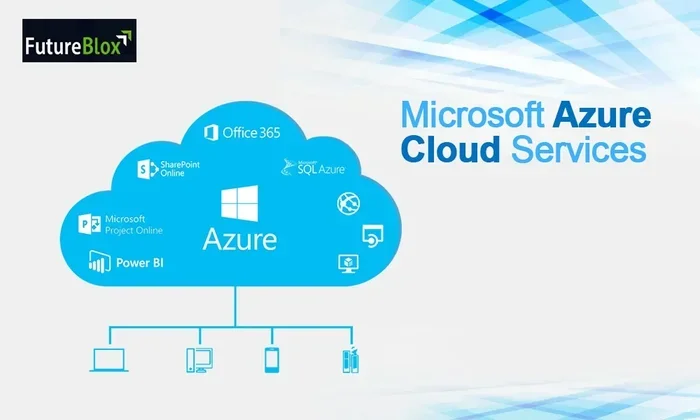
Microsoft Azure has grown rapidly to become the second-largest cloud service provider in the world. Its biggest advantage is its deep integration with the Microsoft ecosystem. If your business uses Windows Server, Office 365, or Active Directory, Azure fits naturally into your workflow.
Azure also offers strong enterprise cloud solutions. It supports hybrid cloud setups, letting you run workloads on both private and public infrastructure. This flexibility has made it a favorite among large organizations with strict compliance requirements.
Key Strengths of Microsoft Azure
- Seamless integration with Microsoft products and tools.
- Hybrid cloud support for on-premises and cloud workloads.
- Strong compliance certifications for regulated industries.
- AI and machine learning tools through Azure Cognitive Services.
- Growing global data center network with 60+ regions.
- Enterprise-grade support and SLAs.
Who Should Choose Microsoft Azure?
Azure is a natural fit for enterprises already using Microsoft software. It also works well for organizations that need hybrid cloud capabilities. Government agencies, banks, and healthcare companies often choose Azure because of its strong security and compliance features.
If you are building a multi-cloud strategy, Azure pairs well with AWS and GCP. Microsoft has invested heavily in interoperability, making it easier to move workloads between platforms. This is a smart approach for businesses that want to avoid vendor lock-in.
Google Cloud Platform: Innovation at Scale
Google Cloud Platform, or GCP, stands out for its data analytics and artificial intelligence capabilities. Google built its cloud infrastructure on the same systems that power YouTube, Search, and Maps. This gives GCP a unique edge in handling massive data workloads.
GCP has made significant strides in recent years. It now competes directly with AWS and Azure in most categories. Its cloud computing services include BigQuery for analytics, TensorFlow for machine learning, and Kubernetes for container orchestration.
Key Strengths of Google Cloud Platform
- Best-in-class data analytics with BigQuery and Dataflow.
- Open-source leadership through Kubernetes and TensorFlow.
- Strong AI and machine learning tools for developers.
- Sustained use discounts that lower costs automatically.
- Network backbone powered by Google’s global fiber optic network.
- Developer-friendly tools like Cloud Shell and Cloud Build.
Who Should Choose Google Cloud Platform?
GCP is an excellent choice for data-heavy businesses and AI-focused startups. If your work involves large-scale data processing or serverless computing, GCP offers powerful tools at competitive prices. Companies in the media, gaming, and research sectors also benefit from its global network.
One area where GCP has historically lagged is enterprise sales support. However, Google has been investing heavily in this area, and the gap is closing. For tech-savvy teams that value innovation over hand-holding, GCP is a strong contender on any cloud computing companies list.
IBM Cloud and Oracle Cloud: Enterprise-Grade Solutions
Not every business needs the biggest provider. Some need specialized capabilities that only IBM Cloud or Oracle Cloud can deliver. Both companies focus on specific niches within the cloud computing services market.
IBM Cloud is known for its hybrid cloud approach. It offers Red Hat OpenShift, which makes it easier to manage containers across different environments. IBM also invests heavily in AI through its Watson platform, targeting industries like healthcare, finance, and logistics.
Oracle Cloud shines in database management and enterprise resource planning. Its Autonomous Database uses machine learning to automate tuning, backups, and security patches. For businesses that rely heavily on Oracle software, the cloud version offers significant cost and performance benefits.
Comparing IBM Cloud and Oracle Cloud
| Feature | IBM Cloud | Oracle Cloud |
|---|---|---|
| Primary Focus | Hybrid cloud and AI | Database and ERP |
| Best For | Enterprise hybrid setups | Database-heavy workloads |
| Key Technology | Red Hat OpenShift, Watson | Autonomous Database, ERP Cloud |
| Cloud Migration Support | Strong | Moderate to strong |
| Pricing Model | Pay-as-you-go and reserved | Bring Your Own License and pay-as-you-go |
Both providers offer solid cloud security and compliance features. They are particularly attractive to organizations in regulated industries. If you already use IBM or Oracle products on-premises, moving to their cloud platforms reduces complexity.
Smaller but Mighty: Emerging Cloud Computing Companies
The big three and enterprise players get most of the attention. But several smaller cloud service providers are making waves. These companies often focus on specific use cases or regions where the giants are less present.
Alibaba Cloud is the leading provider in China and growing fast in Southeast Asia. It offers competitive pricing and strong support for e-commerce workloads. DigitalOcean is popular among developers and small businesses for its simplicity and affordable cloud hosting plans.
Cloudflare has built its reputation on edge computing and content delivery. Its network spans over 300 cities, making it a top choice for website performance and cloud security. Vultr and Linode (now part of Akamai) offer simple virtual private servers at very competitive prices.
These providers may not appear on every cloud computing companies list, but they serve important roles. They often provide better developer experiences, simpler pricing, and faster deployment for smaller projects.
How to Choose the Right Cloud Provider for Your Needs
Selecting a cloud service provider is a big decision. The right choice depends on your specific requirements. Here are the key factors to consider when evaluating providers from your cloud computing companies list.
1. Assess Your Workload Needs
Start by understanding what you need from the cloud. Are you running a simple website, or do you need advanced AI tools? Do you need cloud storage for backups, or full-scale application hosting? Write down your requirements before comparing providers.
2. Consider Your Budget
Pricing models vary across providers. AWS and Azure offer granular pricing that can be complex. GCP offers automatic discounts for long-running workloads. Smaller providers like DigitalOcean often have simpler, predictable pricing. Always calculate your expected monthly costs before committing.
3. Evaluate Cloud Migration Support
If you are moving from on-premises infrastructure, migration support matters. AWS and Azure both offer dedicated migration tools and consulting services. Google Cloud provides strong data transfer tools. Check whether your provider offers professional services to assist with your cloud migration journey.
4. Think About Scalability
Your cloud provider should grow with your business. Look for providers that offer auto-scaling, load balancing, and flexible pricing. All major providers on this cloud computing companies list offer these features, but ease of use varies.
5. Prioritize Cloud Security
Cloud security is non-negotiable. Check each provider’s compliance certifications, encryption standards, and identity management tools. AWS, Azure, and GCP all maintain extensive security frameworks. Smaller providers may also be secure but may lack certain compliance certifications.
Quick Tips for Choosing the Right Provider
- Start with a free trial or free tier to test the platform.
- Compare pricing calculators before making a commitment.
- Check the provider’s data center locations relative to your users.
- Read reviews from businesses similar to yours.
- Consider a multi-cloud strategy to avoid dependency on one vendor.
- Evaluate the quality of documentation and community support.
Choosing the right provider is not about picking the biggest name. It is about finding the best fit for your specific situation. A small business might thrive on DigitalOcean, while a large enterprise might need the full power of AWS or Azure.
The Future of Cloud Computing Companies
The cloud industry continues to evolve at a rapid pace. Several cloud computing trends are shaping the future of this space. Understanding these trends can help you make better decisions today.
Edge computing is gaining traction as businesses need faster processing closer to users. Providers like Cloudflare and AWS are investing heavily in edge infrastructure. AI-as-a-Service is another growing trend. AWS, Azure, and GCP all offer AI tools that let businesses build intelligent applications without deep machine learning expertise.
Sustainability is also becoming a priority. Cloud providers are racing to power their data centers with renewable energy. Google Cloud has been carbon-neutral since 2007, and both AWS and Microsoft have made ambitious carbon-neutral pledges. For environmentally conscious businesses, these efforts matter.
The multi-cloud strategy is becoming the norm rather than the exception. Businesses are using multiple providers to avoid lock-in, improve resilience, and take advantage of the best features each platform offers. This trend means that the cloud computing companies list will continue to grow and diversify.
As cloud computing services become more accessible, even small businesses and solo developers can leverage enterprise-grade infrastructure. The barriers to entry are lower than ever, and innovation shows no signs of slowing down.
Conclusion
The cloud computing companies list we have explored covers the major players and rising challengers in the industry. AWS remains the overall leader, but Microsoft Azure and Google Cloud Platform offer compelling alternatives for different use cases. IBM Cloud and Oracle Cloud serve enterprise needs with specialized strengths, while smaller providers like DigitalOcean and Cloudflare fill important niches.
Choosing the right cloud service provider depends on your specific needs, budget, and long-term goals. Whether you need cloud hosting for a small website or enterprise cloud solutions for a global organization, there is a provider that fits. Take your time, test the platforms, and make an informed decision.
The cloud will only become more important in the years ahead. By choosing the right provider today, you set your business up for success in an increasingly digital world.
Frequently Asked Questions
What is the largest cloud computing company in the world?
Amazon Web Services (AWS) is the largest cloud computing company by market share. It has been the industry leader since its launch and offers over 200 services to customers worldwide. Its cloud infrastructure is unmatched in scale and reliability.
How do I choose between AWS, Azure, and Google Cloud?
Your choice depends on your specific needs. AWS offers the broadest service range. Azure integrates best with Microsoft tools. Google Cloud excels in data analytics and AI. Consider your current tech stack, budget, and long-term goals when deciding.
What are IaaS, PaaS, and SaaS in cloud computing?
IaaS (Infrastructure as a Service) provides virtual machines and storage. PaaS (Platform as a Service) offers development environments and tools. SaaS (Software as a Service) delivers ready-to-use applications. All three are part of cloud computing services offered by major providers.
Is cloud computing safe for sensitive business data?
Yes, when implemented correctly. Major providers invest heavily in cloud security with encryption, access controls, and compliance certifications. However, you must also follow best practices like strong passwords and proper access management to keep your data safe.
What is a multi-cloud strategy and why use it?
A multi-cloud strategy means using services from multiple cloud providers simultaneously. This approach reduces vendor lock-in, improves disaster recovery, and lets you leverage the best features from each platform. Many enterprises adopt this strategy for greater flexibility.
Can small businesses benefit from cloud computing companies?
Absolutely. Cloud computing levels the playing field for small businesses. Providers like DigitalOcean, Vultr, and even AWS offer affordable plans that give startups access to enterprise-grade cloud infrastructure without large upfront investments.
=== CONCLUSION ===
The cloud computing companies list covered in this guide gives you a solid foundation for making the right choice. Whether you prioritize scale, innovation, enterprise support, or affordability, there is a provider on this list that matches your needs. Start exploring these platforms today and take the first step toward a more flexible, scalable future.