The Major Cloud Computing Companies Everyone Should Know
The major cloud computing companies are transforming how businesses store, process, and manage data. Amazon Web Services, Microsoft Azure, and Google Cloud Platform lead the market, but several other cloud providers offer unique strengths. This guide breaks down the top players, their key offerings, and how to pick the right cloud computing platform for your goals.
Key Takeaways
- AWS, Azure, and Google Cloud dominate the cloud computing market and offer the broadest range of services.
- Each major provider has unique strengths in areas like pricing, AI tools, hybrid cloud support, and enterprise features.
- Choosing the right cloud provider depends on your business size, budget, and specific needs.
- Multi-cloud strategies are growing as companies use more than one provider for different workloads.
- Cloud security and compliance remain top priorities for enterprises adopting cloud infrastructure.
- The cloud computing market is expanding fast, with new trends like edge computing and serverless architecture gaining traction.
📑 Table of Contents
What Are Major Cloud Computing Companies?
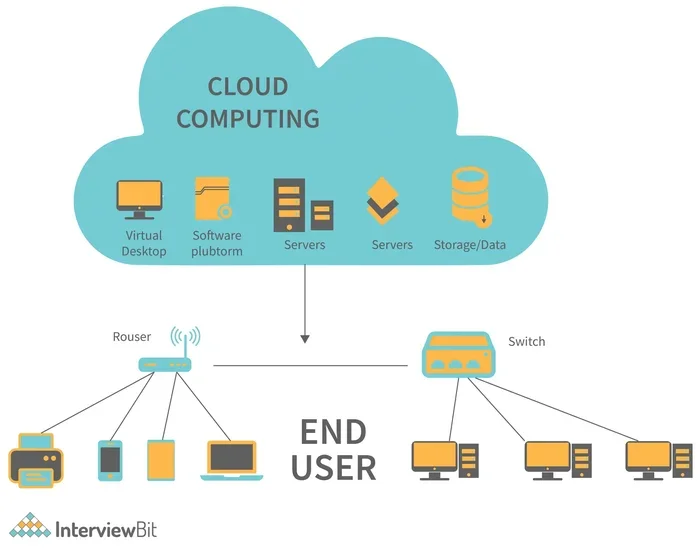
Cloud computing has changed the way we build, run, and scale software. Instead of buying expensive servers, businesses rent computing power over the internet. This shift has created a massive industry filled with major cloud computing companies that compete to offer the best tools.
These cloud providers deliver a wide range of cloud services. These include storage, databases, artificial intelligence, and networking. Some focus on small startups, while others serve giant enterprises. Understanding who the leaders are helps you make smart technology decisions.
The cloud computing market share is controlled by just a few big players. However, smaller companies are growing fast and offering specialized tools. In this article, we will explore the top providers and what makes each one stand out.
Cloud computing adoption continues to rise across every industry. Healthcare, finance, retail, and education all rely heavily on cloud infrastructure today. If you are new to this space, knowing the major players is the first step.
Top Cloud Computing Companies Ranked
The cloud computing leaders can be grouped into three tiers. The top tier includes the biggest and most powerful players. The second tier includes strong competitors with unique advantages. Let us look at the top cloud computing companies in detail.
Amazon Web Services (AWS)
AWS is the largest cloud provider in the world by a wide margin. Amazon launched it in 2006, and it has never looked back. Today, AWS offers over 200 services that cover everything from basic storage to advanced machine learning.
Many enterprise cloud solutions run on AWS. Companies of all sizes trust its cloud hosting platform because of its reliability and global reach. AWS has data centers in over 30 regions around the world.
Key strengths of AWS include:
- Massive global network of data centers
- Deepest catalog of services and tools
- Strong pay-as-you-go pricing model
- Excellent support for startups and large enterprises
- Mature ecosystem of third-party integrations
However, AWS can feel complex for beginners. The sheer number of services can be overwhelming. The pricing also changes frequently, which sometimes confuses users.
Microsoft Azure
Microsoft Azure is the second-largest cloud provider by market share. It has grown incredibly fast since its launch in 2010. Azure is especially strong for companies already using Microsoft products like Windows Server and Office 365.
One of the biggest advantages of Azure is hybrid cloud support. Many businesses run a mix of on-premises servers and cloud resources. Azure makes it easy to connect both worlds smoothly. This is a huge selling point for traditional enterprises.
Key strengths of Microsoft Azure include:
- Seamless integration with Microsoft products
- Strong hybrid cloud and multi-cloud capabilities
- Enterprise-grade security and compliance tools
- Growing AI and machine learning services
- Excellent support for Windows and Linux workloads
Azure also offers cloud computing services that are well-suited for government and regulated industries. Its compliance certifications are among the best in the business.
Google Cloud Platform (GCP)
Google Cloud Platform is the third-largest cloud provider. It is known for its cutting-edge technology and data analytics tools. Google has built its cloud on the same infrastructure that powers YouTube, Search, and other popular products.
GCP shines in areas like data analysis, machine learning, and open-source support. It offers powerful tools like BigQuery for data warehousing and TensorFlow for AI development. Many tech-forward companies prefer GCP for these capabilities.
Key strengths of Google Cloud include:
- Best-in-class data analytics and AI tools
- Strong support for open-source technologies
- Competitive pricing for data processing
- Excellent Kubernetes support through Google Kubernetes Engine
- Global network with strong performance
GCP is not as broad as AWS or Azure in terms of service variety. It also has a smaller enterprise customer base. But for companies focused on data and AI, it is a top choice.
Other Notable Cloud Computing Companies
While AWS, Azure, and GCP dominate the headlines, several other cloud computing companies deserve attention. These providers offer specialized services or compete on price and niche markets.
IBM Cloud is a major player in enterprise and hybrid cloud environments. IBM brings decades of experience in business computing and security. It is especially strong in industries like banking, healthcare, and telecommunications.
Oracle Cloud has made big strides in recent years. Oracle is known for its database expertise, and its cloud platform leverages that strength. Companies that already use Oracle databases often choose Oracle Cloud for seamless integration.
Alibaba Cloud is the leading cloud provider in Asia. It is growing rapidly and expanding into global markets. Alibaba Cloud offers competitive pricing and strong support for e-commerce businesses.
DigitalOcean is popular among developers and small businesses. It offers a simple, straightforward cloud hosting experience. Its pricing is transparent, and its interface is easy to use. This makes it a great choice for startups and independent developers.
How to Choose the Right Cloud Provider
Selecting a cloud provider is one of the most important technology decisions you will make. The right choice depends on your specific needs, budget, and long-term goals. Let us look at the key factors to consider.
Key Factors to Consider
Start by asking yourself a few important questions. What kind of workloads will you run? Do you need advanced AI tools? How important is compliance and security? Answering these questions narrows down your options.
Pricing is another critical factor. Each provider has a different pricing structure. Some charge by the hour, while others offer flat monthly rates. Watch out for hidden costs like data transfer fees and storage charges.
Performance and reliability matter too. Look at uptime guarantees and service level agreements. A provider with a strong track record of availability will save you headaches down the road.
Scalability is essential if you expect your business to grow. The best cloud computing platforms let you scale up or down easily. This ensures you only pay for what you use.
Quick Tips for Evaluating Cloud Providers
Here are some practical tips to help you evaluate cloud providers quickly:
- Start with a free trial or low-cost plan to test the platform
- Compare pricing calculators on each provider’s website
- Check if the provider has data centers in your region
- Read reviews from businesses similar to yours
- Ask about support options and response times
- Consider future needs, not just current ones
Comparison of Top Cloud Providers
| Provider | Best For | Key Strength | Starting Price |
|---|---|---|---|
| AWS | All-around use | Largest service catalog | Pay-as-you-go |
| Microsoft Azure | Enterprise and hybrid cloud | Microsoft integration | Pay-as-you-go |
| Google Cloud | Data and AI workloads | Analytics and ML tools | Pay-as-you-go |
| IBM Cloud | Enterprise and regulated industries | Security and compliance | Custom pricing |
| DigitalOcean | Startups and developers | Simplicity and low cost | $4/month |
Common Mistakes When Choosing a Cloud Provider
Many businesses make avoidable mistakes when selecting a cloud computing provider. Being aware of these pitfalls can save you time, money, and frustration.
Pitfalls to Avoid
One of the most common mistakes is focusing only on price. The cheapest option is not always the best. Hidden costs like egress fees and support charges can add up quickly.
Another mistake is vendor lock-in. If you build your entire infrastructure on one provider, switching later becomes very difficult. Consider using open standards and portable tools to keep your options open.
Ignoring security is a serious error too. Not all providers offer the same level of protection. Check their security certifications and compliance standards before committing.
Underestimating data transfer costs is also common. Moving large amounts of data in and out of the cloud can be expensive. Make sure you understand the provider’s data transfer pricing model.
Skipping the contract review is a mistake many businesses make. Read the fine print carefully. Understand what happens if you need to scale down or cancel your service.
Expert Insights on the Future of Cloud Computing
The cloud computing market is evolving rapidly. Industry experts predict several exciting trends that will shape the future of cloud computing services.
Multi-cloud strategies are becoming the norm. Many companies now use two or more providers to avoid dependency on a single vendor. This approach also helps optimize costs and performance across different workloads.
Edge computing is another major trend. Instead of sending all data to a central data center, edge computing processes data closer to where it is generated. This reduces latency and improves performance for real-time applications.
Artificial intelligence is deeply integrated into cloud platforms now. Providers are offering AI tools that make it easier for businesses to build smart applications. This trend will only accelerate as AI becomes more accessible.
Serverless computing is also gaining popularity. With serverless, developers do not need to manage servers at all. The provider handles everything behind the scenes. This allows teams to focus on building features instead of managing infrastructure.
Cloud security will continue to evolve as well. Providers are investing heavily in new tools to protect data and meet compliance requirements. Zero-trust security models are becoming standard across the industry.
Sustainability is a growing concern too. Major cloud computing companies are working to reduce their carbon footprint. They are building more energy-efficient data centers and investing in renewable energy sources.
According to industry analysts, the global cloud computing adoption rate will continue to climb. More small businesses and even individuals are discovering the benefits of cloud infrastructure. This democratization of technology is creating new opportunities for innovation.
Expert tip: Stay informed about new services and pricing changes from your provider. The cloud landscape shifts fast, and keeping up gives you a competitive edge.
Final Thoughts
The major cloud computing companies we have covered today are all industry leaders for good reason. Each one brings unique strengths to the table. AWS leads in scale and service variety. Azure excels in enterprise and hybrid cloud. Google Cloud dominates in data analytics and AI. And smaller providers like DigitalOcean and IBM Cloud fill important niches.
Choosing the right provider is not about picking the biggest name. It is about matching your needs to the right tools. Consider your budget, your technical skills, and your future growth plans. Take advantage of free trials to test platforms before committing.
Cloud computing is not just a trend. It is the foundation of modern technology. The right cloud provider can help you innovate faster, scale smarter, and compete more effectively. Start exploring your options today and take the first step toward a more flexible and powerful infrastructure.
Frequently Asked Questions
What are the top three major cloud computing companies?
The top three are Amazon Web Services (AWS), Microsoft Azure, and Google Cloud Platform (GCP). AWS leads in overall market share, while Azure is the fastest-growing enterprise provider. Google Cloud is known for its data analytics and AI capabilities.
Which cloud provider is best for small businesses?
DigitalOcean and AWS both offer great options for small businesses. DigitalOcean is known for its simplicity and low starting price. AWS provides a free tier that lets you experiment with many services at no cost.
What is the difference between IaaS, PaaS, and SaaS?
IaaS (Infrastructure as a Service) provides virtual machines and storage. PaaS (Platform as a Service) offers development tools and environments. SaaS (Software as a Service) delivers ready-to-use applications over the internet. All three are core cloud computing services offered by major providers.
Is cloud computing secure?
Yes, major cloud computing companies invest heavily in security. They offer encryption, identity management, and compliance certifications. However, security is a shared responsibility. You must also follow best practices on your end to keep your data safe.
Can I use more than one cloud provider?
Absolutely. Many businesses use a multi-cloud strategy. This means using different providers for different workloads. It helps avoid vendor lock-in and can optimize costs and performance across your infrastructure.
How much does cloud hosting cost?
Costs vary widely depending on the provider and your usage. AWS, Azure, and GCP all use pay-as-you-go models. Small projects can cost just a few dollars a month, while large enterprise workloads can cost thousands. Always use pricing calculators before committing.
=== CONCLUSION ===
The world of cloud computing companies is vast and exciting. The major players like AWS, Azure, and Google Cloud continue to push the boundaries of what is possible. They offer powerful tools that help businesses of every size innovate and grow.
Choosing the right cloud provider is a journey, not a one-time decision. Take your time, test the platforms, and think about where your business is headed. The best cloud computing platform is the one that fits your unique needs and helps you achieve your goals.
Start small, learn as you go, and do not be afraid to explore new options. The cloud is here to stay, and the right provider can be a game-changer for your business. Make the move to the cloud today and unlock new possibilities for growth and success.