Companies That Provide Cloud Computing Services Guide
Companies that provide cloud computing services offer flexible, scalable solutions for businesses of all sizes. Whether you need cloud hosting, cloud storage, or full cloud computing solutions, the right provider can transform how you work. This guide covers the best providers, service types, and tips to help you choose wisely.
Cloud computing has changed the way businesses operate. Gone are the days when companies had to build and maintain their own data centers. Today, companies that provide cloud computing services handle the heavy lifting. They offer virtual servers, cloud storage, and powerful computing tools over the internet. This shift has made technology more accessible, affordable, and flexible for everyone.
If you are exploring cloud-based services for the first time, the options can feel overwhelming. There are dozens of cloud computing companies out there, each promising the best cloud computing solutions. But not all providers are the same. Some specialize in enterprise cloud services, while others cater to small teams and startups. Understanding what each provider offers is the first step toward making the right choice.
This guide breaks everything down for you. You will learn about the top providers, the types of services available, and how to pick the best fit for your needs. Let us dive in.
Key Takeaways
- Major players dominate the market: AWS, Microsoft Azure, and Google Cloud Platform lead the industry with powerful tools and global reach.
- Three main service models exist: IaaS, PaaS, and SaaS each serve different business needs and technical requirements.
- Choosing the right provider matters: Factors like cost, security, scalability, and support should guide your decision.
- Cloud migration is straightforward: With proper planning, moving to the cloud can be smooth and rewarding for any organization.
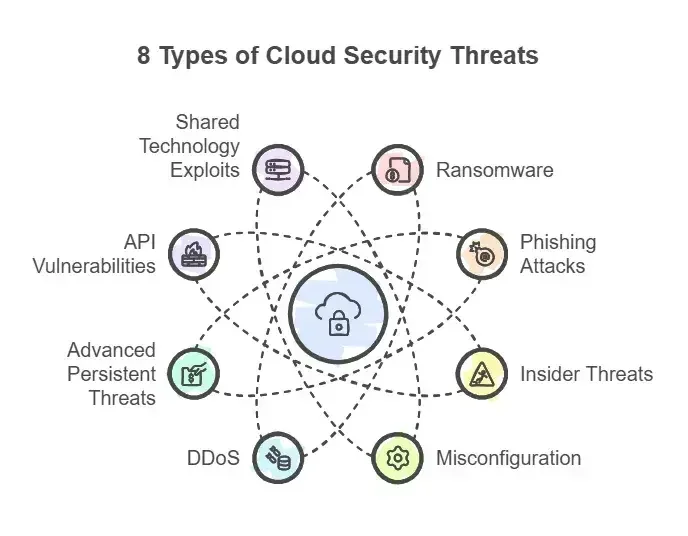
- Security remains a top priority: Leading providers invest heavily in cloud security to protect your data and applications.
- Small businesses benefit too: Cloud services level the playing field, giving startups access to enterprise-grade technology.
📑 Table of Contents
- What Are Companies That Provide Cloud Computing Services?
- Top Cloud Computing Companies to Know
- Types of Cloud Computing Services
- How to Choose the Right Cloud Service Provider
- Benefits of Using Cloud Computing Services
- Common Mistakes When Choosing a Cloud Provider
- Expert Insights on Cloud Computing
- Conclusion
What Are Companies That Provide Cloud Computing Services?
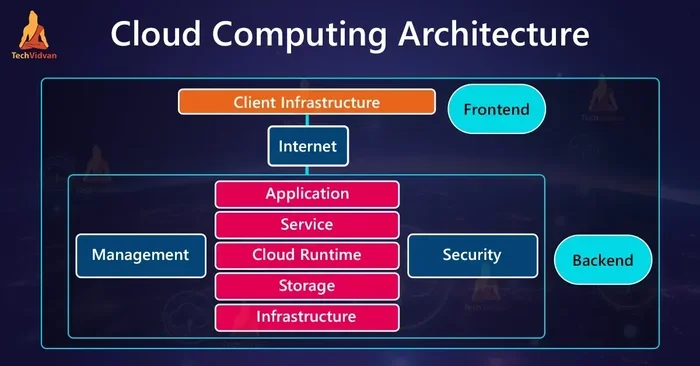
Companies that provide cloud computing services are organizations that deliver computing resources over the internet. Instead of buying physical hardware, businesses rent virtual servers, storage, and software from these providers. This model is known as cloud hosting, and it has become the backbone of modern IT infrastructure.
These providers operate massive data centers around the world. They manage the hardware, security, and maintenance so you do not have to. Whether you need a simple cloud storage solution or a full cloud infrastructure setup, there is a provider ready to help.
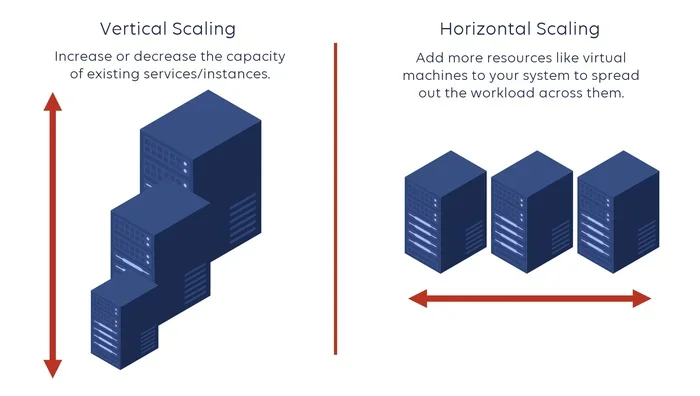
The beauty of working with cloud service providers is scalability. You can start small and grow as your business grows. You pay only for what you use, which makes cloud computing services incredibly cost-effective. This pay-as-you-go model has attracted millions of businesses worldwide.
Why Cloud Computing Matters Today
Almost every modern business relies on cloud-based services in some way. From email and file sharing to complex data analytics, the cloud powers it all. During the pandemic, cloud migration became essential for companies that needed to shift to remote work overnight.
Today, cloud computing companies continue to innovate. They offer tools for artificial intelligence, machine learning, and serverless computing. These technologies were once only available to large corporations. Now, even small businesses can access them through cloud computing providers.
Top Cloud Computing Companies to Know
The market for companies that provide cloud computing services is dominated by a few major players. Each of these cloud computing companies brings unique strengths to the table. Let us look at the top providers you should know.
Amazon Web Services (AWS)
AWS is the largest cloud service provider in the world. It holds the biggest market share and offers over 200 services. From cloud hosting to cloud storage and machine learning, AWS covers nearly every need. Many enterprise cloud services run on AWS because of its reliability and global reach.
AWS operates in dozens of regions worldwide. This means your data stays close to your users, which improves performance. The platform also offers strong cloud security tools and compliance certifications. For businesses of all sizes, AWS is a top contender among cloud computing providers.
Microsoft Azure
Microsoft Azure is the second-largest cloud computing platform. It integrates seamlessly with Microsoft products like Office 365 and Windows Server. This makes it a natural choice for businesses already using the Microsoft ecosystem.
Azure offers a wide range of cloud computing solutions, including virtual servers, databases, and AI tools. Its hybrid cloud capabilities are especially strong. Companies that want to run some workloads on-premises and others in the cloud love Azure’s flexibility. It is also a leader in enterprise cloud services.
Google Cloud Platform (GCP)
Google Cloud Platform stands out for its data analytics and machine learning tools. GCP leverages Google’s vast expertise in handling massive data sets. If your business relies heavily on data analysis or AI, GCP is a strong choice among cloud computing companies.
GCP offers competitive pricing and a user-friendly interface. Its global network of data centers ensures fast performance. The platform also supports multi-cloud strategies, allowing businesses to work across different cloud service providers simultaneously.
IBM Cloud
IBM Cloud focuses heavily on enterprise cloud services and hybrid solutions. It is a strong choice for businesses in regulated industries like finance and healthcare. IBM’s cloud security features are robust, and the company has deep expertise in AI through its Watson platform.
While IBM Cloud may not have the same market share as AWS or Azure, it holds a solid position in the cloud computing provider landscape. Its strength lies in serving large organizations with complex needs.
Oracle Cloud
Oracle Cloud is another major player in the cloud computing services market. It excels in database management and enterprise applications. Oracle’s cloud infrastructure is designed for businesses that already use Oracle software.
The platform offers strong cloud hosting and cloud storage options. Oracle has been investing heavily in expanding its global network of data centers. For businesses deep in the Oracle ecosystem, this provider is a natural fit.
Types of Cloud Computing Services
Not all cloud computing services are the same. Providers offer different models based on what you need. Understanding these models helps you choose the right cloud-based services for your situation.
IaaS, PaaS, and SaaS Explained
Infrastructure as a Service (IaaS) gives you the building blocks. You get virtual servers, storage, and networking. You manage the software and applications yourself. IaaS is ideal for businesses that want full control over their cloud infrastructure.
Platform as a Service (PaaS) goes a step further. It provides a platform where you can build, test, and deploy applications without worrying about the underlying hardware. PaaS is great for developers who want to focus on coding, not infrastructure management.
Software as a Service (SaaS) delivers ready-to-use applications over the internet. You do not need to install or maintain anything. Examples include email platforms, CRM tools, and project management apps. SaaS is the most popular model for everyday business users.
Public Cloud vs. Private Cloud
Public cloud services are shared across multiple customers. They are cost-effective and highly scalable. Most businesses use public cloud for their day-to-day operations.
Private cloud is dedicated to a single organization. It offers greater control and security. Companies with strict compliance requirements often prefer private cloud hosting. Some providers also offer hybrid cloud options that combine both approaches.
Serverless Computing
Serverless computing is a newer model that is gaining popularity. With serverless, you do not manage any servers at all. The cloud service provider handles everything behind the scenes. You simply write code and pay only when it runs. This model is perfect for event-driven applications and microservices.
How to Choose the Right Cloud Service Provider
Selecting the right cloud computing provider is a big decision. The wrong choice can lead to wasted money, poor performance, or security risks. Here is how to make a smart pick.
Key Factors to Consider
Cost and pricing: Compare pricing models across different cloud computing companies. Some charge by the hour, others by the gigabyte. Make sure you understand the total cost of ownership, including hidden fees.
Scalability: Your provider should grow with your business. Look for cloud computing solutions that can handle increased traffic and data without breaking the bank.
Security and compliance: Check the provider’s cloud security certifications and compliance standards. If you handle sensitive data, this is non-negotiable. Look for providers with strong encryption and access controls.
Global reach: If your business operates internationally, choose a provider with data centers in the regions you serve. This reduces latency and improves user experience.
Support and documentation: Good support matters, especially when things go wrong. Look for providers that offer 24/7 support, detailed documentation, and active community forums.
Quick Tips for Evaluating Providers
- Start with a free trial or low-tier plan to test the platform.
- Read reviews from businesses similar to yours.
- Check for cloud migration tools that simplify the move.
- Consider multi-cloud strategies to avoid vendor lock-in.
- Ask about uptime guarantees and service-level agreements (SLAs).
Benefits of Using Cloud Computing Services
Switching to cloud-based services offers many advantages. Here is why so many businesses are making the move.
Cost Savings
You do not need to buy expensive hardware or maintain data centers. Companies that provide cloud computing services handle all of that. You pay only for what you use, which keeps costs low. This is especially helpful for startups and small businesses with tight budgets.
Scalability and Flexibility
Need more cloud storage or computing power? You can scale up in minutes. Need less? Scale down just as easily. This flexibility is one of the biggest advantages of working with cloud computing companies. You are never stuck with resources you do not need.
Disaster Recovery
Data loss can be devastating. Cloud computing providers offer built-in backup and recovery solutions. Your data is stored across multiple data centers, so it stays safe even if one location goes down. This level of cloud security is hard to match with on-premises setups.
Collaboration and Remote Work
Cloud cloud-based services make it easy for teams to collaborate from anywhere. Employees can access files, apps, and tools from any device with an internet connection. This has become essential in today’s hybrid and remote work environments.
Common Mistakes When Choosing a Cloud Provider
Many businesses make avoidable mistakes when selecting companies that provide cloud computing services. Here are the pitfalls to watch out for.
Ignoring Long-Term Costs
Low introductory prices can be tempting. But hidden costs like data transfer fees, API calls, and premium support can add up fast. Always calculate the total cost before committing to a cloud service provider.
Overlooking Security
Not all cloud computing solutions offer the same level of protection. Some businesses choose providers based on price alone and skip the security evaluation. This can lead to data breaches and compliance violations. Always prioritize cloud security features.
Falling Into Vendor Lock-In
Some cloud computing companies make it hard to move your data and applications to another platform. This is called vendor lock-in. To avoid it, consider multi-cloud strategies and choose providers that support open standards.
Underestimating Migration Complexity
Cloud migration is not always as simple as it sounds. Moving legacy systems to the cloud can be complex and time-consuming. Plan thoroughly, test extensively, and consider working with a migration specialist if needed.
Expert Insights on Cloud Computing
Industry experts agree that cloud computing services are here to stay. According to recent studies, global spending on cloud infrastructure continues to grow every year. Businesses that embrace cloud hosting and cloud storage gain a competitive edge.
Experts also highlight the importance of cloud migration planning. Rushing into a new cloud computing platform without a clear strategy often leads to problems. Take your time, assess your needs, and choose the right cloud computing providers for your unique situation.
One key trend to watch is the rise of AI-powered cloud services. Providers are integrating artificial intelligence into their platforms, making cloud-based services smarter and more efficient. This will open up even more possibilities for businesses of all sizes.
Conclusion
Companies that provide cloud computing services have transformed the business landscape. From cloud hosting and cloud storage to advanced AI tools, these providers offer everything you need to thrive in a digital world. Whether you are a startup or a Fortune 500 company, the right cloud computing solutions can save you money, boost productivity, and keep you competitive.
Take the time to evaluate your options. Consider factors like cost, security, scalability, and support. Start small if you need to, and grow as your confidence builds. The cloud is not just a trend, it is the future of business technology. Embrace it, and you will be glad you did.
Frequently Asked Questions
What are the biggest companies that provide cloud computing services?
The three largest cloud computing companies are Amazon Web Services (AWS), Microsoft Azure, and Google Cloud Platform. Other notable providers include IBM Cloud, Oracle Cloud, and Alibaba Cloud. Each of these cloud service providers offers a unique set of tools and strengths for different business needs.
How much does it cost to use cloud computing services?
Costs vary widely depending on the provider and the services you use. Most cloud computing providers offer pay-as-you-go pricing, so you only pay for what you consume. Small businesses can often get started for just a few dollars a month, while enterprise workloads may cost significantly more.
Is cloud computing secure?
Leading cloud computing companies invest heavily in cloud security. They use advanced encryption, access controls, and compliance certifications to protect your data. However, security is a shared responsibility. You should also follow best practices like using strong passwords and enabling multi-factor authentication.
What is the difference between public and private cloud?
A public cloud is shared among multiple customers and offers cost-effective scalability. A private cloud is dedicated to a single organization and provides greater control and security. Some businesses use a hybrid cloud approach that combines both models for the best of both worlds.
Can small businesses benefit from cloud computing services?
Absolutely. Cloud computing solutions level the playing field, giving small businesses access to the same powerful technology that large corporations use. With affordable cloud hosting and cloud storage options, startups and small teams can scale quickly without huge upfront investments.
What is cloud migration, and is it difficult?
Cloud migration is the process of moving your data, applications, and workloads from on-premises systems to the cloud. The complexity depends on your current setup and the provider you choose. With proper planning and the right cloud computing provider, most migrations go smoothly and bring significant benefits.