Top Construction Project Manager Job Duties Explained
Construction project manager job duties cover everything from planning and budgeting to team leadership and safety compliance. A construction project manager is the backbone of any building project, keeping schedules on track and costs under control. This guide breaks down every key responsibility in simple, practical terms so you know exactly what the role demands.
Running a construction project is no small feat. It takes careful planning, sharp communication skills, and the ability to juggle a hundred moving parts at once. That is where construction project manager job duties come into play. A construction project manager serves as the central point of contact for every aspect of a building project. From the first sketch on paper to the final walkthrough, they keep things organized, on time, and on budget.
If you are curious about what a construction project manager actually does day to day, you are in the right place. This article breaks down every major responsibility in plain language. Whether you are considering this career path, hiring a manager, or just curious about how buildings get built, you will find practical insights here. Let us dive into the world of construction project management and explore what makes this role so essential.
Key Takeaways
- Planning and Scheduling: A construction project manager creates detailed project timelines and milestones to keep work moving forward.
- Budget and Cost Control: Managing construction costs, estimates, and expenses is a core part of the job.
- Team Leadership: Leading contractors, subcontractors, and on-site workers ensures smooth daily operations.
- Safety and Compliance: Enforcing safety standards and securing permits keeps projects legal and accident-free.
- Stakeholder Communication: Regular updates with clients, investors, and team members prevent misunderstandings and delays.
- Risk Management: Identifying problems early and creating backup plans saves time and money.
- Quality Control: Inspecting work and ensuring standards are met delivers a final product everyone is proud of.
📑 Table of Contents
Project Planning and Scheduling
The foundation of any successful build starts with solid planning. Construction project manager job duties begin long before the first shovel hits the ground. A project manager works with architects, engineers, and clients to define the scope of the project. This means answering big questions like: What are we building? How big is it? What is the timeline?
Creating a Realistic Project Timeline
A construction project manager builds a detailed schedule that maps out every phase of the project. This includes ordering materials, scheduling inspections, and setting milestone dates. For example, a residential build might have phases like foundation, framing, plumbing, electrical, and finishing. Each phase needs a clear start and end date. Without this, projects quickly fall behind.
Schedule planning is not just about dates. It also involves accounting for weather delays, supply chain issues, and labor availability. A good project manager builds buffer time into the plan. They also use tools like Gantt charts and project management software to track progress visually.
Defining Project Scope
Scope creep is one of the biggest enemies of any construction project. It happens when new requirements get added without adjusting the timeline or budget. A skilled construction project manager sets clear boundaries early. They document exactly what is included and what is not. This protects everyone involved and keeps expectations aligned.
Budget Management and Cost Control
Money is at the heart of every construction project. One of the most critical construction project manager job duties is managing the budget. A project manager is responsible for estimating costs, tracking expenses, and making sure the project stays financially viable.
Cost Estimation and Bidding
Before work begins, the project manager helps create a detailed cost estimate. This covers labor, materials, permits, equipment, and overhead. They may also review bids from subcontractors and contractors. Choosing the right team at the right price is a balancing act. You want quality work without blowing the budget.
For instance, imagine a commercial building project with a $5 million budget. The project manager breaks this down into categories: $1.5 million for materials, $2 million for labor, $500,000 for permits and inspections, and the rest for contingencies. Every dollar gets tracked throughout the build.
Tracking Expenses in Real Time
Once construction starts, costs can shift quickly. A price hike in steel or a delay in concrete delivery can throw off the numbers. A good project manager monitors spending daily. They use cost estimation tools and spreadsheets to compare actual spending against the plan. When issues arise, they act fast to find solutions.
Budget management also involves approving purchase orders and change orders. Every extra expense needs documentation and justification. This level of oversight prevents waste and keeps the project on solid financial ground.
Team Leadership and Coordination
A construction project is a team effort. The project manager is the person who brings everyone together. This means working with general contractors, subcontractors, architects, engineers, and on-site laborers. Strong team leadership is essential for keeping people productive and motivated.
Managing Contractors and Subcontractors
Construction projects involve many different trades. Electricians, plumbers, carpenters, and HVAC specialists all play a role. The project manager coordinates their schedules so they do not step on each other’s toes. They also set expectations for quality and deadlines.
For example, the electrical team needs to finish rough-in work before the walls close up. The project manager ensures this handoff happens smoothly. Clear communication between trades prevents costly rework and delays.
Daily Site Supervision
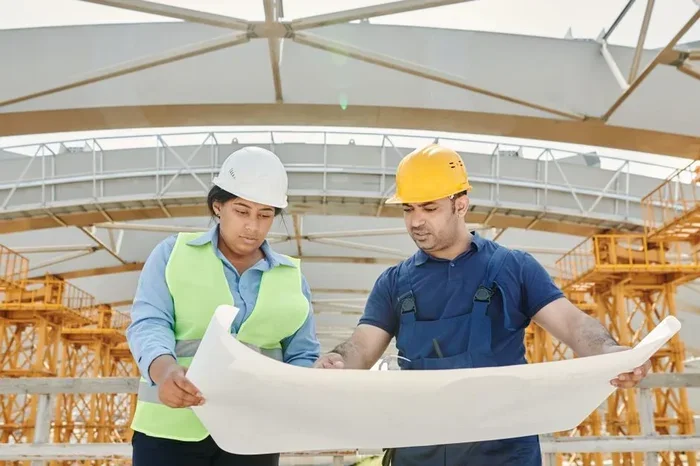
On any given day, a construction project manager visits the job site to check progress. They look for safety hazards, verify that work matches the plans, and answer questions from the crew. This hands-on approach keeps everyone accountable and helps catch small problems before they become big ones.
Site supervision also involves resolving conflicts. When two teams disagree on a workflow or a material choice, the project manager steps in as the decision-maker. Their ability to stay calm under pressure makes a huge difference on the job site.
Safety Compliance and Risk Management
Construction sites are inherently dangerous. Falls, equipment accidents, and electrical hazards are real risks. That is why safety compliance is a top priority among construction project manager job duties. A project manager is responsible for creating and enforcing safety protocols that protect every worker on site.
Developing Safety Plans
Before work begins, the project manager develops a comprehensive safety plan. This includes identifying potential hazards, setting safety rules, and training the crew. Regular safety meetings keep everyone informed about risks and procedures.
For example, a high-rise project might require fall protection systems, hard hat zones, and restricted access areas. The project manager ensures all of this is in place before anyone steps onto the site.
Identifying and Mitigating Risks
Every construction project carries risk. Weather events, supply shortages, design changes, and regulatory issues can all cause problems. A project manager conducts regular risk assessments to identify potential threats. They then create contingency plans to address them.
Think of it like a chess game. You always need a backup move. If a key supplier goes out of business, the project manager has an alternate source ready. If a permit gets delayed, they adjust the schedule accordingly. This proactive approach is what separates great project managers from average ones.
Stakeholder Communication and Client Relations
Construction projects involve many stakeholders. Clients, investors, city officials, and community members all have a stake in the outcome. One of the most important construction project manager job duties is keeping everyone in the loop. Clear, consistent communication builds trust and prevents costly misunderstandings.
Regular Progress Updates
A good project manager provides regular updates to clients and stakeholders. This might be a weekly email, a monthly meeting, or a shared dashboard showing progress photos and milestones. Transparency is key. When stakeholders know what is happening, they feel confident in the process.
For example, if a plumbing inspection reveals a code violation, the project manager informs the client right away. They explain the issue, the fix, and any impact on the timeline or budget. No surprises is the golden rule of stakeholder communication.
Managing Client Expectations
Clients often have high expectations for their projects. A project manager helps set realistic goals from the start. They explain trade-offs between cost, quality, and speed. When changes are requested, they clearly outline the impact on the overall project. This honest approach builds long-term client relationships and leads to repeat business and referrals.
Quality Control and Inspections
Building something that looks good is only half the battle. It also needs to be built right. Quality control is a vital part of construction project manager job duties. The project manager is responsible for making sure every aspect of the build meets the required standards.
Conducting Site Inspections
Throughout the construction process, the project manager performs regular inspections. They check that materials match the specifications, that workmanship is up to standard, and that all work complies with building codes. If something does not meet the mark, they address it immediately.
For instance, if the concrete foundation has a flaw, the project manager orders a fix before framing begins. Catching problems early saves enormous time and money down the road.
Coordinating Inspections and Permits
Construction projects must pass various inspections during and after the build. The project manager handles the logistics of scheduling these inspections with local authorities. They also ensure all permit acquisition is completed before work begins. Missing a permit can result in fines, work stoppages, or even demolition orders.
Progress tracking goes hand in hand with quality control. The project manager documents every stage of the build with photos, reports, and checklists. This creates a clear record that is useful for final inspections and warranty purposes.
Contract Management and Documentation
Behind every successful construction project is a mountain of paperwork. Contracts, change orders, invoices, and compliance documents all need careful attention. Contract management is one of those construction project manager job duties that does not get enough credit but makes a massive difference.
The project manager reviews and negotiates contracts with contractors, suppliers, and clients. They make sure every agreement is clear and legally sound. When changes occur during the project, they document them through formal change orders. This protects all parties and prevents disputes later on.
Resource allocation also falls under this umbrella. The project manager ensures that materials, equipment, and labor are available when needed. They coordinate deliveries, manage inventory, and avoid waste. Good documentation and resource management keep the project running like a well-oiled machine.
Wrap-Up and Final Thoughts
Construction project manager job duties are wide-ranging, challenging, and deeply rewarding. From planning and budgeting to leading teams and ensuring safety, this role touches every part of a construction project. A construction project manager is the glue that holds everything together. Without them, projects would fall apart before they even get started.
If you are thinking about a career in construction management, now is a great time to explore this path. The skills you build, from construction planning to client relations, are valuable and transferable. And if you are currently working with a project manager, understanding their role helps you appreciate the work they do behind the scenes.
The bottom line is simple. Great project managers deliver great projects. They keep things on time, on budget, and up to standard. Whether it is a small home renovation or a massive commercial build, their job duties make it all possible.
Frequently Asked Questions
What are the main construction project manager job duties?
The main duties include project planning, budgeting, team leadership, safety compliance, stakeholder communication, quality control, and contract management. A construction project manager oversees every phase of a build from start to finish.
Do construction project managers work on-site or in offices?
They do both. A construction project manager splits time between the office for planning and documentation, and the job site for supervision and inspections. On-site presence is essential for daily coordination and problem-solving.
What skills are most important for a construction project manager?
Strong communication, leadership, budgeting, and problem-solving skills are essential. Knowledge of construction methods, building codes, and project management software also plays a big role in day-to-day success.
How does a construction project manager handle budget overruns?
They track expenses closely, approve change orders carefully, and look for cost-saving alternatives. A good project manager builds contingency funds into the budget and communicates any financial changes to stakeholders early.
Is certification required to become a construction project manager?
Certification is not always required, but it helps. Credentials like the Certified Construction Manager (CCM) or Project Management Professional (PMP) boost credibility and open up better job opportunities. Many employers prefer or require relevant certification.
What is the difference between a construction manager and a project manager?
A construction manager focuses more on the physical building process and site operations. A project manager oversees the entire project, including planning, budgeting, and stakeholder relations. In smaller projects, one person often handles both roles.