What Is CSP in Cloud Computing and Why It Is Important
A CSP in cloud computing stands for Cloud Service Provider — the companies that deliver computing resources over the internet. Understanding what a cloud service provider does is essential for businesses and individuals looking to leverage cloud technology effectively. This guide breaks down everything you need to know about CSPs, their types, benefits, and how to choose the right one.
Have you ever wondered what happens when you save a photo to the cloud or stream a movie online? Behind that seamless experience is a cloud service provider — a company that makes it all possible. The term CSP in cloud computing refers to these providers, and they are the backbone of the digital world we live in today.
Whether you are a small business owner, a developer, or just someone who uses email and social media, CSPs play a huge role in your daily life. They power everything from streaming platforms to banking apps. In this article, we will dive deep into what a cloud service provider is, how it works, the different types of cloud services, and why choosing the right one matters so much.
The cloud computing industry is growing fast. Billions of dollars flow into cloud infrastructure every year. Companies of all sizes rely on cloud hosting to run their operations without building expensive data centers. If you have ever thought about moving your business to the cloud, understanding CSPs is the first step you need to take.
Key Takeaways
- CSP stands for Cloud Service Provider: These are companies that offer computing resources like storage, servers, and software over the internet.
- There are three main cloud service models: IaaS, PaaS, and SaaS — each serving different business needs.
- Major CSPs include AWS, Microsoft Azure, and Google Cloud: They dominate the market with robust infrastructure and global reach.
- Using a CSP offers scalability, cost savings, and flexibility: Businesses pay only for what they use.
- Choosing the right CSP requires careful evaluation: Consider factors like security, pricing, support, and compliance.
- Cloud migration is a growing trend: More companies are moving to the cloud every year for better efficiency.
- Security remains a top concern: Reputable CSPs invest heavily in protecting your data and workloads.
📑 Table of Contents
What Is CSP in Cloud Computing?
A cloud service provider is a company that offers computing resources over the internet. These resources can include virtual machines, storage, databases, networking, and software applications. Instead of buying and maintaining physical servers, businesses can rent these resources from a CSP on a pay-as-you-go basis.
Think of it like renting an apartment instead of building a house. You get a place to live without the hassle of construction and maintenance. Similarly, cloud service providers give you access to powerful computing resources without the need for expensive hardware.
How Does a Cloud Service Provider Work?
A CSP operates massive data centers around the world. These centers house thousands of servers that store and process data. When you use a cloud service, your request travels over the internet to one of these data centers. The cloud platform processes your request and sends the result back to you.
Here is a simple breakdown of how it works:
- You send a request through an app or website.
- The request reaches the CSP’s data center.
- The cloud infrastructure processes the request using servers and storage.
- The result is sent back to you in real time.
This whole process happens in milliseconds. That is the power of modern cloud computing services. You get fast, reliable access to computing power without ever seeing the physical hardware.
Types of Cloud Service Providers
Not all CSPs are the same. They offer different levels of service depending on what you need. The industry generally classifies cloud service providers into three main categories. Each one serves a different purpose and audience.
IaaS — Infrastructure as a Service
IaaS provides the most basic level of cloud computing. It gives you virtual machines, storage, and networking resources. You control the operating system, applications, and data. The CSP manages the physical hardware and data center.
Examples of IaaS providers include Amazon Web Services (AWS), Microsoft Azure, and Google Cloud Platform. IaaS is ideal for businesses that want full control over their cloud deployment without investing in physical servers.
PaaS — Platform as a Service
PaaS goes a step further. It provides a platform where developers can build, test, and deploy applications. The cloud service provider manages the underlying infrastructure, operating system, and middleware. Developers only focus on writing code and building apps.
PaaS is great for development teams that want to streamline their workflow. It removes the burden of managing servers and lets developers focus on what they do best — creating software.
SaaS — Software as a Service
SaaS delivers fully functional software applications over the internet. You do not need to install anything. You simply log in through a browser and start using the tool. The CSP handles everything — hosting, maintenance, updates, and security.
Popular SaaS examples include Google Workspace, Microsoft 365, Salesforce, and Dropbox. Millions of people use SaaS products every day without even realizing they are using a cloud service provider.
Benefits of Using a Cloud Service Provider
There are many reasons why businesses and individuals choose to work with a CSP. The benefits go far beyond just saving money. Let us look at the key advantages of partnering with a cloud service provider.
Cost Savings
One of the biggest advantages of using a cloud service provider is cost savings. You do not need to buy expensive servers or rent office space for data centers. With cloud hosting, you pay only for the resources you use. This pay-as-you-go model helps businesses control their budgets more effectively.
Scalability and Flexibility
Scalability is one of the strongest selling points of CSPs. As your business grows, your computing needs change. A good cloud service provider lets you scale up or scale down quickly. You can add more storage, increase computing power, or reduce resources during slow periods.
This flexibility is especially valuable for startups and seasonal businesses. You do not have to over-provision resources and waste money.
Reliability and Uptime
Top CSPs invest heavily in cloud infrastructure to ensure high uptime. They use redundant systems, backup power, and disaster recovery plans. Most cloud platforms offer service level agreements (SLAs) that guarantee 99.9% uptime or higher.
This means your applications and data stay accessible even during hardware failures. You get peace of mind knowing that your cloud deployment is in reliable hands.
Security and Compliance
Reputable cloud service providers take cloud security very seriously. They employ teams of security experts and use advanced encryption techniques. Many CSPs also comply with industry standards like GDPR, HIPAA, and SOC 2.
Of course, security is a shared responsibility. While the CSP protects the infrastructure, you are responsible for securing your data and access controls. Understanding this shared model is key to keeping your cloud migration safe.
Choosing the Right Cloud Service Provider
Not every CSP is the right fit for every business. Choosing the right cloud service provider requires careful evaluation of your needs, budget, and goals. Here are some factors to consider when making your decision.
Assess Your Business Needs
Start by identifying what you need from a cloud service provider. Do you need raw computing power? Are you building applications? Do you need ready-to-use software tools? Understanding your requirements helps you narrow down your options.
For example, if you are a developer, you might prefer a PaaS provider. If you need storage and collaboration tools, a SaaS provider might be a better choice.
Compare Pricing Models
Pricing varies widely among CSPs. Some charge based on usage, while others offer fixed monthly plans. Look for hidden costs like data transfer fees and support charges. Always read the fine print before signing up with a cloud service provider.
Here is a quick comparison of popular CSPs and their strengths:
- AWS: Largest market share, extensive services, strong IaaS and PaaS offerings.
- Microsoft Azure: Excellent for businesses already using Microsoft products, strong hybrid cloud support.
- Google Cloud: Great for data analytics and machine learning, competitive pricing.
- IBM Cloud: Strong in enterprise solutions and multi-cloud strategy support.
- Oracle Cloud: Good for database-heavy workloads and legacy application migration.
Evaluate Security and Compliance
Security should be a top priority when choosing a CSP. Check whether the provider meets your industry’s compliance requirements. Ask about their cloud security features, including encryption, identity management, and threat detection.
A trustworthy cloud service provider will be transparent about their security practices. They will also provide clear documentation and support for compliance needs.
Consider Support and SLAs
When something goes wrong, you want help fast. Look for a CSP that offers strong customer support with multiple channels — phone, chat, and email. Review their service level agreement carefully. Make sure it covers uptime guarantees, response times, and escalation procedures.
Common Mistakes When Selecting a Cloud Service Provider
Many businesses make avoidable mistakes when choosing a cloud service provider. Learning from these mistakes can save you time, money, and headaches down the road.
Ignoring Long-Term Costs
It is easy to get attracted by low introductory prices. But cloud costs can add up quickly as your usage grows. Always project your long-term costs before committing to a CSP. Factor in data transfer fees, storage costs, and premium support charges.
Overlooking Vendor Lock-In
Vendor lock-in happens when you become too dependent on one cloud service provider. Moving to another provider later becomes difficult and expensive. To avoid this, use open standards and portable cloud deployment strategies whenever possible.
Neglecting Security Responsibilities
Some businesses assume that their CSP handles all security. This is a dangerous misconception. While the provider secures the infrastructure, you are responsible for securing your data, applications, and user access. Always follow best practices for cloud security.
Skipping the SLA Review
Never sign a contract without reading the service level agreement. The SLA defines what you can expect from the CSP in terms of uptime, performance, and support. A weak SLA can leave you vulnerable during outages.
Not Planning for Cloud Migration
Moving your workloads to the cloud requires careful planning. A rushed cloud migration can lead to data loss, downtime, and unexpected costs. Take your time, test thoroughly, and have a clear migration strategy before you switch providers.
Expert Insights on Cloud Service Providers
Industry experts agree that CSPs are transforming the way businesses operate. According to recent reports, global spending on cloud infrastructure continues to grow year after year. More companies are adopting multi-cloud strategies to avoid dependency on a single provider.
One expert shared, “The key to a successful cloud migration is understanding your needs and choosing a cloud service provider that aligns with your goals.” Another added, “Do not rush the decision. Take time to evaluate cloud computing services from multiple providers before committing.”
The rise of AI and machine learning is also changing the cloud platforms landscape. CSPs are adding more AI-powered tools to their offerings. This makes it easier for businesses to leverage advanced technology without deep technical expertise.
Quick Tips for Working with a CSP
- Start small and scale gradually as you learn the cloud platform.
- Use free tier offerings to test services before committing.
- Monitor your usage regularly to avoid unexpected bills.
- Set up automated backups and disaster recovery plans.
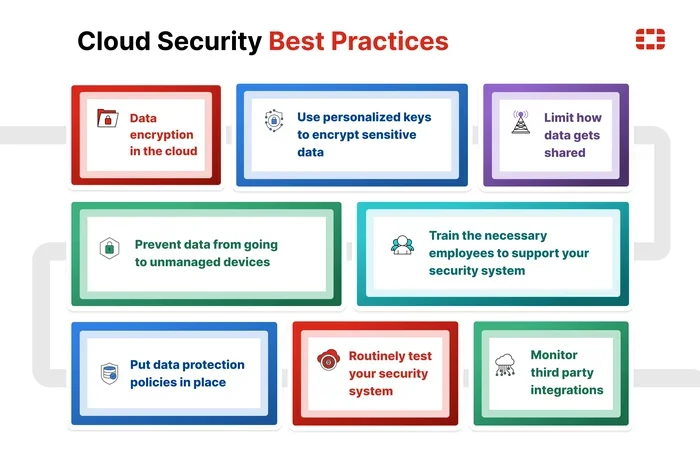
- Train your team on cloud security best practices.
- Review your service level agreement annually to ensure it still meets your needs.
Conclusion
CSP in cloud computing refers to the companies that power the internet and modern business operations. From IaaS to SaaS, cloud service providers offer a wide range of services that meet different needs. They provide cost savings, scalability, reliability, and strong security — all of which make them essential for modern businesses.
Choosing the right CSP is a big decision. It affects your budget, your operations, and your growth potential. Take the time to evaluate your options, compare pricing, and understand your responsibilities. A well-chosen cloud service provider can accelerate your business and open doors to new opportunities.
The world of cloud computing is evolving fast. New cloud platforms and services emerge every year. Staying informed and making smart decisions will help you stay ahead. Start exploring your options today and see how a CSP can transform the way you work.
Frequently Asked Questions
What does CSP stand for in cloud computing?
CSP stands for Cloud Service Provider. It refers to companies that offer computing resources like storage, servers, and software over the internet. Examples include AWS, Microsoft Azure, and Google Cloud.
How is a cloud service provider different from traditional hosting?
Traditional hosting typically involves renting a single server. A CSP provides a full range of scalable resources including virtual machines, databases, and software. Cloud hosting also uses a pay-as-you-go model, making it more flexible and cost-effective.
Is cloud data safe with a CSP?
Reputable cloud service providers invest heavily in cloud security. They use encryption, firewalls, and compliance certifications. However, security is a shared responsibility. You must also protect your data and access controls properly.
Can I use multiple cloud service providers at once?
Yes. Many businesses use a multi-cloud strategy to avoid vendor lock-in and increase redundancy. This approach lets you leverage the strengths of different cloud platforms for different workloads.
What is the difference between IaaS, PaaS, and SaaS?
IaaS provides raw infrastructure like virtual machines and storage. PaaS offers a platform for building and deploying applications. SaaS delivers ready-to-use software applications over the internet. Each serves a different level of the cloud computing services stack.
How do I know if I need a cloud service provider?
If your business needs scalable computing resources, cost-effective storage, or access to modern software tools, a CSP is a great fit. Even small businesses and individuals benefit from cloud deployment for everyday tasks like email, file storage, and collaboration.