The Power of Data Virtualization in Cloud Computing
Data virtualization in cloud computing lets businesses access and manage data from multiple sources without moving or copying it. It creates a virtual data layer that unifies scattered information into one real-time view. This approach saves time, cuts costs, and makes data integration faster and simpler. Whether you run a small startup or a large enterprise, data virtualization can transform how you handle your data.
Imagine you need to pull customer data from three different systems. One lives in a local database. Another sits in a cloud app. The third is buried in a spreadsheet on someone’s desktop. In the old days, you would spend days or even weeks copying that data into one place. You would build complex pipelines. You would maintain them forever.
Data virtualization in cloud computing changes all of that. It gives you a single window into all your data, no matter where it lives. You query it. You see results. You make decisions. All without moving a single byte.
This technology is not just a nice-to-have anymore. It is becoming essential for companies that want to stay competitive. Cloud data management is evolving fast, and businesses that understand data virtualization will have a huge advantage. Let us walk through everything you need to know.
Key Takeaways
- Unified Access: Data virtualization lets you query data from multiple sources in one place without moving it.
- Cost Savings: You avoid expensive data replication and storage costs by using a virtual layer.
- Real-Time Insights: Get up-to-the-minute data access for better business intelligence and faster decisions.
- Breaks Down Silos: It connects fragmented data across departments, clouds, and systems seamlessly.
- Scales Easily: Works well in hybrid cloud and multi-cloud environments as your needs grow.
- Faster Time to Value: Set up virtual data views in hours, not weeks or months.
- Improved Governance: Centralize security and compliance controls across all your data sources.
📑 Table of Contents
- What Is Data Virtualization in Cloud Computing?
- How Data Virtualization Works
- Key Benefits of Data Virtualization
- Data Virtualization vs. Traditional Data Integration
- Common Use Cases for Data Virtualization
- Common Mistakes to Avoid
- How to Get Started with Data Virtualization
- The Future of Data Virtualization
- Conclusion
What Is Data Virtualization in Cloud Computing?
Data virtualization is a method that lets you access data from many different sources through one unified interface. It does not copy or move the data. Instead, it creates a virtual data layer that sits on top of all your existing systems. Think of it as a smart lens that brings everything into focus.
In cloud computing, this layer lives in the cloud or connects to cloud resources. You can pull data from on-premise databases, cloud apps, APIs, flat files, and more. The user sees one consistent view. The underlying complexity stays hidden.
This approach is part of data federation, which means combining data from multiple sources logically. But data virtualization goes further. It adds real-time access, abstraction, and intelligent query routing. The result is data agility like never before.
How It Differs from Traditional Methods
Traditional data integration usually involves extracting data, transforming it, and loading it into a data warehouse. This is known as ETL. It works. But it is slow. It is expensive. And it creates delays between when data is created and when you can use it.
Data virtualization skips the middle steps. You access the source data directly, virtually. There is no need for a separate copy. This means fresher data. Lower storage costs. And much faster setup times.
How Data Virtualization Works
Understanding the mechanics helps you see why data virtualization is so powerful. The process involves several key components working together behind the scenes.
The Virtual Data Layer
The virtual data layer is the heart of the system. It acts as an abstraction shield between the user and the actual data sources. When you run a query, the layer translates it into the right format for each source. It pulls the data on the fly and returns a unified result.
This layer handles things like:
- Query translation across different data formats
- Security enforcement so users only see what they should
- Performance optimization through smart caching and routing
- Metadata management that keeps track of where everything lives
Real-Time Data Access
One of the biggest strengths of data virtualization is real-time access. Because the system queries the live sources each time, you always get the latest data. There is no stale copy sitting around. For business intelligence teams, this is a game changer.
Imagine a sales dashboard that shows today’s numbers, not yesterday’s. Or a support team that sees the current status of every order. Real-time data access makes these scenarios possible without heavy infrastructure.
Data Abstraction and APIs
Data abstraction means hiding the technical details from the user. You do not need to know which database holds the customer records or what format the shipping data uses. The virtual data layer handles all of that.
Many data virtualization tools also expose APIs. This lets other applications connect to the virtual layer easily. It becomes a building block for your entire data pipeline and data catalog strategy.
Key Benefits of Data Virtualization
Why are so many companies adopting data virtualization in their cloud computing strategies? The benefits are clear and compelling.
1. Faster Time to Value
Setting up a traditional data warehouse can take months. With data virtualization, you can create a virtual view in hours or days. You connect to sources. You define the virtual tables. You start querying. The speed to value is incredible.
2. Lower Costs
Copying data everywhere is expensive. You pay for storage. You pay for compute. You pay for maintenance. Data virtualization eliminates most of that. You use what you already have. No extra copies needed. The cost savings add up fast.
3. Breaking Down Data Silos
Data silos are one of the biggest headaches in modern business. Marketing has its numbers. Finance has its own. Operations keeps theirs separate. Data virtualization bridges all of these gaps. It creates a single source of truth without forcing everyone into one system.
4. Improved Data Governance
With a centralized virtual layer, you can apply data governance rules in one place. You control who sees what. You track data lineage. You enforce compliance standards across all sources. This makes audits and security reviews much simpler.
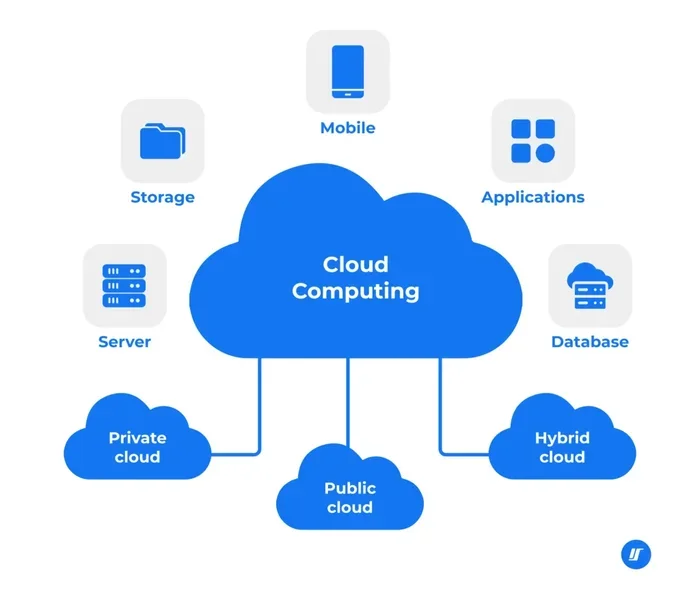
5. Support for Hybrid and Multi-Cloud
Most businesses today use a hybrid cloud setup. Some data is on-premise. Some is in AWS. Some is in Azure or Google Cloud. Data virtualization works across all of these environments. It does not care where the data physically lives. It just brings it together.
6. Enhanced Business Intelligence
When your analysts can access all the data they need in one place, they work faster. They find insights sooner. Business intelligence becomes more powerful when you remove the barriers that data virtualization was designed to eliminate.
Data Virtualization vs. Traditional Data Integration
It is easy to confuse data virtualization with traditional data integration. They share some goals. But they take very different paths to get there. Let us compare them directly.
| Feature | Data Virtualization | Traditional Data Integration |
|---|---|---|
| Data Movement | No copying needed | Extract, transform, and load (ETL) |
| Speed of Setup | Hours to days | Weeks to months |
| Data Freshness | Real-time or near real-time | Depends on refresh schedule |
| Storage Costs | Minimal | High (duplicate data) |
| Complexity | Lower ongoing maintenance | Higher maintenance burden |
| Best For | Agile access and analytics | Historical reporting and warehousing |
| Scalability | Highly scalable in cloud | Requires scaling the warehouse |
Neither approach is better overall. They serve different needs. Many successful companies use both. They use data virtualization for fast, flexible access. They use traditional ETL for deep historical analysis. The key is knowing when to use each one.
Common Use Cases for Data Virtualization
Data virtualization is not just theoretical. It solves real problems across many industries. Here are some of the most common use cases.
Unifying Customer Data
A company might store customer profiles in a CRM, transaction history in a database, and support tickets in a cloud app. Data virtualization brings all of this together. You can see the complete customer picture in one query. This drives better personalization and faster service.
Merging Systems After Acquisitions
When companies merge, they often end up with duplicate and incompatible systems. Building new data pipelines to unify everything takes too long. A virtual data layer can bridge the gap immediately. Teams can start working with combined data right away.
Enabling Self-Service Analytics
Many businesses want their teams to explore data on their own. But giving direct access to source systems is risky. Data virtualization provides a safe, governed layer. Business users can run their own queries without touching the underlying systems.
Supporting Real-Time Operations
Operations teams need current data to make quick decisions. Data virtualization delivers this by querying live sources. Whether it is inventory tracking, supply chain monitoring, or fraud detection, the real-time capability is essential.
Building a Enterprise Data Catalog
A data catalog helps organizations find and understand their data. Data virtualization tools often include cataloging features. They automatically discover data sources and document their structure. This makes it much easier for anyone to find what they need.
Quick Tips for Implementing Data Virtualization
Here are some practical tips to keep in mind as you explore data virtualization for your organization:
- Start small. Pick one use case and prove the value before expanding.
- Map your data sources carefully before you build virtual views.
- Involve your IT team early, especially for security and access control.
- Monitor performance closely, especially for queries that span many sources.
- Use caching wisely to speed up frequent queries without sacrificing freshness.
- Train your users on how to query the virtual layer effectively.
Common Mistakes to Avoid
Even with the best intentions, teams can stumble when adopting data virtualization. Here are mistakes to watch out for.
Skipping Data Source Mapping
One of the most common errors is jumping in without fully understanding your data sources. You need to know what each source contains, how it is structured, and what quality issues it has. Skipping this step leads to confusing results and frustrated users.
Ignoring Performance Considerations
Data virtualization queries hit live sources every time. If those sources are slow or overloaded, your queries will be too. Some teams forget to plan for data latency and performance bottlenecks. Always test with realistic data volumes before going live.
Overlooking Security and Access Control
Just because the data stays in place does not mean security is automatic. You still need to enforce row-level security, column-level masking, and proper authentication. Many data virtualization platforms support these features. But you must configure them correctly.
Treating It as a Replacement for Everything
Data virtualization is not always the right tool for every job. It is great for real-time access and agile analytics. But for heavy batch processing or massive historical analysis, a traditional data warehouse might still be better. Use the right tool for each task.
Expert Insight: The Role of Data Virtualization in Modern Architecture
“Data virtualization has evolved from a niche technique to a cornerstone of modern data architecture,” says many cloud architects today. It plays a critical role in cloud data management strategies. The best implementations combine data virtualization with other tools like data pipelines, data catalogs, and API integration platforms. This creates a complete and flexible data ecosystem.
The goal is not to replace your existing systems. The goal is to make them work better together. Data virtualization is the glue that connects everything in a hybrid cloud or multi-cloud world.
How to Get Started with Data Virtualization
Ready to explore data virtualization for your own setup? Here is a simple roadmap to follow.
- Assess your current data landscape. List all your data sources, formats, and locations.
- Identify pain points. Where do you spend the most time on data access and integration?
- Choose a platform. Look for tools that support your sources and fit your budget.
- Pilot a small project. Pick one business question and solve it with data virtualization.
- Measure the results. Track time saved, costs reduced, and insights gained.
- Expand gradually. Add more data sources and use cases as you build confidence.
The most important step is simply to start. Data virtualization in cloud computing is accessible to teams of all sizes. You do not need a massive budget or a team of experts to begin seeing value.
The Future of Data Virtualization
The data virtualization landscape is evolving quickly. Several trends are shaping where this technology is headed.
First, AI-powered query optimization is becoming more common. Smart engines can predict which data sources to query and in what order. This reduces data latency and improves performance automatically.
Second, tighter integration with data governance tools is emerging. Organizations want to ensure that their enterprise data is secure and compliant. The next generation of data virtualization platforms will bake governance right into the virtual layer.
Third, data virtualization is becoming a standard feature in cloud platforms. Major providers are building native support for virtual data access. This makes adoption even easier for businesses already in the cloud.
As data volumes grow and cloud environments become more complex, the need for smart, efficient data access will only increase. Data virtualization is positioned to be at the center of that evolution.
Conclusion
Data virtualization in cloud computing is one of the most practical and powerful tools available today. It gives you fast, flexible, and cost-effective access to all your data. It breaks down data silos. It supports real-time data access. And it works beautifully across hybrid cloud environments.
Whether you are a small team looking to speed up data integration or a large enterprise building a modern cloud data management strategy, data virtualization delivers real value. It is not a replacement for your existing systems. It is a smart layer that makes them work better together.
The best time to explore data virtualization is now. Start small. Prove the value. And watch as it transforms the way your organization handles enterprise data. The power is in your hands.
Frequently Asked Questions
What is data virtualization in simple terms?
Data virtualization is a technology that lets you access data from many different sources through one single interface. It creates a virtual layer that brings everything together without copying or moving the actual data. Think of it as a universal window into all your information.
How does data virtualization differ from a data warehouse?
A data warehouse copies and stores data in one central place. Data virtualization does not move or store data. It queries the original sources in real time. This means fresher data and lower storage costs, but it also means the sources need to be available when you query them.
Is data virtualization secure?
Yes, when set up correctly. Most data virtualization platforms include security features like access controls, data masking, and encryption. You still need to configure these properly. But because data stays in its original location, you have more control over where sensitive information lives.
Can data virtualization work with on-premise and cloud data together?
Absolutely. This is one of its biggest strengths. Data virtualization works across hybrid cloud and multi-cloud environments. It connects on-premise databases, cloud applications, APIs, and flat files seamlessly. The physical location of the data does not matter.
What industries benefit most from data virtualization?
Many industries use data virtualization including finance, healthcare, retail, and manufacturing. Any organization that has data spread across multiple systems benefits from it. It is especially useful for companies undergoing digital transformation or dealing with complex data integration challenges.
Do I need a large IT team to implement data virtualization?
Not necessarily. One of the advantages of data virtualization is that it can be set up quickly with a small team. Many platforms offer user-friendly interfaces and guided setup. You do need some technical knowledge, but it is much simpler than building traditional data pipelines or data warehouses.