Does Cloud Computing Require Coding Discover the Truth
Does cloud computing require coding? The answer might surprise you. While coding skills help, many cloud roles need little to no programming. You can manage, deploy, and scale cloud solutions using visual tools, no-code platforms, and simple commands. This guide reveals what cloud computing really demands and how anyone can start a cloud career today.
Does cloud computing require coding? This is one of the most common questions people ask when they first explore the cloud world. The short answer is no, not always. But the full answer is more interesting than a simple yes or no.
Cloud computing has changed the way businesses run. Companies store data, run apps, and serve millions of users through cloud platforms. And here is the best part. You do not need to be a software developer to work in this field. Many cloud jobs focus on setup, management, and strategy rather than writing lines of code all day.
In this article, we will break down everything you need to know. We will look at what cloud computing really involves, which roles need coding, and which ones do not. By the end, you will have a clear picture of where you fit in the cloud world.
Key Takeaways
- Coding is not always required: Many cloud roles focus on management, configuration, and deployment rather than writing code.
- No-code and low-code tools make cloud accessible: Platforms like AWS, Azure, and GCP offer visual interfaces for non-programmers.
- Basic scripting is often enough: Simple commands and templates go a long way in most cloud environments.
- Cloud careers span many roles: From cloud administrator to solutions architect, there is a path for every skill level.
- Certifications boost your profile: Credentials like AWS Certified Cloud Practitioner prove your knowledge without needing deep coding expertise.
- Start small and grow: You can begin with free-tier services and build your cloud skills step by step.
📑 Table of Contents
- What Is Cloud Computing and Why Does It Matter?
- Does Cloud Computing Require Coding? Let Us Break It Down
- Cloud Platforms and Their Coding Demands
- What Skills Do You Actually Need for Cloud Computing?
- How to Start a Cloud Computing Career Without Heavy Coding
- Common Mistakes People Make When Starting in Cloud Computing
- Expert Insights on Coding in the Cloud Era
- Key Takeaways
- Conclusion
What Is Cloud Computing and Why Does It Matter?
Cloud computing means using remote servers hosted on the internet to store, manage, and process data. Instead of using your own hard drive or local server, you tap into powerful resources through cloud platforms. Think of it like renting electricity instead of building your own power plant.
Cloud technology powers almost everything we use online. Streaming services, email apps, online games, and business tools all run on cloud infrastructure. Giants like Amazon Web Services, Microsoft Azure, and Google Cloud Platform dominate the market. But smaller businesses use cloud solutions too.
The cloud offers flexibility, scalability, and cost savings. A small startup can access the same powerful tools as a Fortune 500 company. This is why cloud computing skills are in high demand across industries.
How Cloud Computing Works in Simple Terms
When you upload a photo to iCloud or Google Drive, you are using the cloud. When a company runs its website on AWS, that is cloud computing at work. The data lives on servers in data centers around the world. You access it through the internet, not through a physical machine in your office.
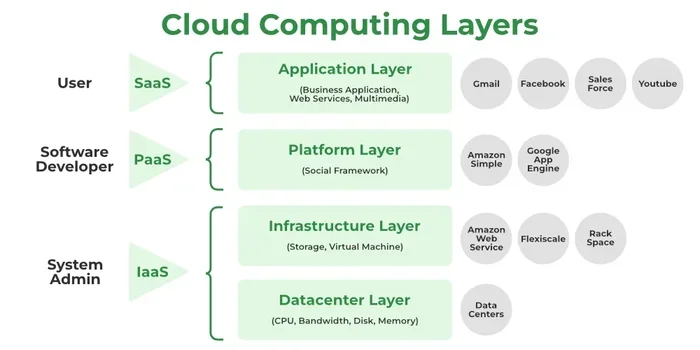
Cloud services fall into three main categories:
- Infrastructure as a Service (IaaS): You rent virtual machines and storage. Think of this as renting the raw building blocks.
- Platform as a Service (PaaS): You get a ready-made environment to build and deploy apps. This is like renting a fully equipped kitchen.
- Software as a Service (SaaS): You use software hosted in the cloud. Examples include Gmail, Salesforce, and Dropbox.
Each of these service models requires different skill levels. And not all of them demand heavy coding. This is a key point that many beginners miss.
Does Cloud Computing Require Coding? Let Us Break It Down
Now let us tackle the big question. Does cloud computing require coding? The honest answer depends on the role you want and the platform you choose. Cloud computing is a broad field. It includes many different jobs, and each one has different coding demands.
Some cloud positions require advanced programming skills. Others need only basic command-line knowledge. And a growing number of roles use no-code or visual tools entirely. The cloud ecosystem is diverse, and it welcomes people from many backgrounds.
Roles That Require Little to No Coding
Many cloud careers do not involve writing code at all. Here are some examples:
- Cloud Administrator: You manage user accounts, permissions, and storage. Most tasks use web-based dashboards and simple commands.
- Cloud Support Specialist: You help customers troubleshoot issues. Problem-solving and communication matter more than programming here.
- Cloud Sales Engineer: You explain cloud solutions to clients. Technical knowledge helps, but you do not write code daily.
- Cloud Project Manager: You coordinate cloud projects and teams. Leadership and organization are your main skills.
These roles prove that cloud computing does not always mean coding. If you are strong in communication, organization, or customer service, you can thrive in the cloud industry.
Roles That Do Require Coding
On the other side of the spectrum, some cloud jobs demand solid coding skills:
- Cloud Developer: You build applications that run on cloud platforms. Languages like Python, Java, and JavaScript are common.
- DevOps Engineer: You automate deployment and infrastructure. Scripting with Bash, PowerShell, or YAML is essential.
- Cloud Solutions Architect: You design complex cloud systems. While not always coding-heavy, understanding code helps you make better design decisions.
If you aim for these positions, learning to code is a smart move. But even here, you do not need to be a master programmer. Basic scripting and understanding code concepts often get the job done.
Cloud Platforms and Their Coding Demands
Different cloud platforms have different learning curves. Some are more code-friendly than others. Let us look at the big three and see what they expect from users.
| Platform | Primary Users | Coding Needed? | Best For |
|---|---|---|---|
| AWS | Developers, admins, architects | Basic to moderate | Scalable apps and infrastructure |
| Microsoft Azure | Enterprise teams, developers | Basic to moderate | Business and hybrid cloud setups |
| Google Cloud Platform | Data teams, developers | Moderate | Data analytics and machine learning |
All three platforms offer web consoles where you can manage resources without writing a single line of code. You can click, drag, and configure things visually. But to unlock the full power of cloud computing, some basic scripting knowledge helps a lot.
No-Code and Low-Code Cloud Tools
The rise of no-code and low-code platforms has made cloud computing even more accessible. These tools let you build and deploy cloud solutions without traditional programming. You use visual interfaces, drag-and-drop builders, and pre-built templates instead.
Tools like AWS CloudFormation, Terraform, and Azure Resource Manager use templates. You define what you want, and the platform handles the setup. This approach is sometimes called Infrastructure as Code. But do not let the name scare you. These templates use simple, human-readable syntax, not complex programming languages.
For example, you can deploy a full web server setup using a YAML file with just a few lines. No need to write hundreds of lines of code. This is a game-changer for people who want to work in cloud computing without being professional programmers.
What Skills Do You Actually Need for Cloud Computing?
So if coding is not always required, what skills should you focus on? The cloud industry values a mix of technical and soft skills. Let us explore what really matters.
Technical Skills That Help in Cloud Roles
You do not need to master every programming language. But having a solid foundation in these areas will serve you well:
- Basic command-line usage: Knowing how to navigate terminal or command prompt is helpful in most cloud environments.
- Understanding of networking: Concepts like IP addresses, DNS, and firewalls matter in cloud setup.
- Familiarity with Linux: Many cloud servers run on Linux. Basic Linux commands go a long way.
- Scripting basics: Simple Bash or PowerShell scripts can automate repetitive tasks.
- Security awareness: Understanding cloud security best practices is crucial for any role.
These skills are practical and learnable. You do not need a computer science degree to pick them up. Many free and affordable courses cover these topics in detail.
Soft Skills That Set You Apart
Cloud computing is not just about technology. Employers value people who can think strategically and communicate well. Here are soft skills that matter:
- Problem-solving: You will face challenges daily. A calm, analytical approach wins.
- Teamwork: Cloud projects involve multiple teams working together.
- Adaptability: Cloud technology changes fast. You must stay curious and keep learning.
- Attention to detail: Small configuration errors can cause big problems in the cloud.
These skills apply to virtually every cloud role. Whether you are a cloud administrator or a solutions architect, soft skills make you effective on the job.
How to Start a Cloud Computing Career Without Heavy Coding
If you want to enter the cloud field but worry about coding, good news. There is a clear path forward. You can start small, build confidence, and grow your skills over time.
Step 1: Learn Cloud Basics
Start with free introductory courses from AWS, Microsoft Learn, or Google Cloud. These platforms offer beginner-friendly content that explains core concepts without diving into complex code. The AWS Cloud Practitioner exam is a great first certification for non-technical learners.
Step 2: Get Hands-On with Free Tiers
All major cloud providers offer free tiers. You can create a free account and experiment with real cloud services. Set up a simple website, create a storage bucket, or launch a virtual machine. Hands-on practice builds confidence faster than any textbook.
Step 3: Explore No-Code Tools
Try platforms that emphasize visual workflows. AWS Amplify, Azure Logic Apps, and Google AppSheet let you build cloud-powered solutions with minimal coding. These tools give you a taste of what cloud computing can do without requiring deep programming knowledge.
Step 4: Earn a Certification
Certifications prove your knowledge to employers. The AWS Certified Cloud Practitioner and Microsoft Azure Fundamentals (AZ-900) exams are perfect starting points. They test your understanding of cloud concepts, not your coding ability. These credentials open doors to entry-level cloud jobs.
Step 5: Build a Portfolio
Document your cloud projects. Even simple setups like a basic website or a data backup solution count. A portfolio shows employers what you can do in real-world scenarios. It speaks louder than any resume line about coding experience.
Common Mistakes People Make When Starting in Cloud Computing
Many beginners make avoidable mistakes when entering the cloud field. Here are a few pitfalls to watch out for.
- Thinking you must learn to code first: This is the biggest myth. You can start with cloud fundamentals and learn scripting later if needed.
- Skipping hands-on practice: Reading alone will not prepare you. You must practice on real platforms.
- Trying to learn everything at once: Cloud computing is vast. Focus on one platform and one role at a time.
- Ignoring security basics: Even simple cloud setups need proper security. Start with security best practices from day one.
- Underestimating the value of certifications: Certifications give you credibility. They show employers you are serious about your career.
Avoiding these mistakes saves you time and frustration. Take a steady, focused approach to building your cloud skills.
Expert Insights on Coding in the Cloud Era
Industry experts agree that the role of coding in cloud computing is evolving. As platforms become more user-friendly, the barrier to entry drops. Visual tools, AI-assisted setup, and automated workflows mean more people can work in the cloud without writing complex code.
However, experts also stress that understanding code concepts gives you a competitive edge. Even if your daily tasks do not involve programming, knowing how code works helps you communicate with developers and make smarter technical decisions.
The future of cloud computing leans toward automation and abstraction. Platforms handle more of the heavy lifting. This means professionals who understand cloud concepts, architecture, and strategy will be in high demand. Coding is a bonus, not a barrier.
Key Takeaways
- Coding is not always required: Many cloud roles focus on management, configuration, and deployment rather than writing code.
- No-code and low-code tools make cloud accessible: Platforms like AWS, Azure, and GCP offer visual interfaces for non-programmers.
- Basic scripting is often enough: Simple commands and templates go a long way in most cloud environments.
- Cloud careers span many roles: From cloud administrator to solutions architect, there is a path for every skill level.
- Certifications boost your profile: Credentials like AWS Certified Cloud Practitioner prove your knowledge without needing deep coding expertise.
- Start small and grow: You can begin with free-tier services and build your cloud skills step by step.
Conclusion
So, does cloud computing require coding? The truth is, it depends on your goals and the role you pursue. Cloud computing is a broad and welcoming field. It offers opportunities for people who love technology but prefer not to write code every day. Whether you want to manage cloud infrastructure, support users, or design solutions, there is a place for you.
Start with the basics. Explore free platforms. Earn a certification. Build real projects. The cloud industry is growing fast, and the demand for skilled professionals is only increasing. You do not need to be a programmer to succeed. You need curiosity, persistence, and a willingness to learn.
The cloud is waiting for you. Take that first step today and discover what you can achieve.
Frequently Asked Questions
Can I work in cloud computing if I have no coding experience at all?
Absolutely. Many cloud roles like cloud administrator, support specialist, and project manager do not require coding. You can start with basic cloud concepts and grow from there. Entry-level certifications like AWS Cloud Practitioner are designed for non-technical learners.
Which cloud platform is easiest to learn for beginners?
AWS and Microsoft Azure both offer beginner-friendly interfaces and free learning paths. AWS is often recommended for beginners because of its vast documentation and free-tier services. Start with one platform, master the basics, and you can expand to others later.
Do I need a degree in computer science to work in the cloud?
No. Many successful cloud professionals come from non-technical backgrounds. Certifications, hands-on practice, and real-world projects matter more than a formal degree in most cloud job postings. Employers value skills and demonstrated knowledge.
Is scripting the same as coding?
Scripting is a lighter form of coding. It involves writing simple commands to automate tasks, not building complex software. Most cloud roles that involve scripting require basic knowledge of Bash, PowerShell, or YAML templates. It is much easier to learn than full programming.
How long does it take to learn cloud computing without coding?
You can learn cloud basics in a few weeks with consistent study. Most beginner certifications take one to three months of preparation. Hands-on practice speeds up the learning process significantly. The key is to start and stay consistent.
Will AI and automation make coding less important in cloud computing?
Yes, to a large extent. AI-powered tools, no-code platforms, and automated workflows are reducing the need for manual coding in many cloud tasks. Understanding cloud concepts, architecture, and strategy is becoming even more valuable than writing code. The field is shifting toward higher-level thinking and problem-solving.