How Cloud Computing Changed Modern Computing Forever
Cloud computing has completely transformed how we store, access, and manage data. How cloud computing changed modern computing is one of the biggest shifts in technology history, moving us from bulky hardware to flexible, on-demand services. This article explores the massive impact of cloud technology on businesses, remote work, and everyday digital life.
Think back ten or fifteen years ago. Most companies had rooms full of loud servers. IT teams spent hours fixing hardware, updating software, and worrying about storage space. Everything changed when cloud computing arrived. Today, you can stream a movie, edit a document, or run a global business all from the cloud. The question is not whether cloud technology matters. It is how deeply it has reshaped our digital world.
How cloud computing changed modern computing is a story of flexibility, speed, and access. It removed the barriers that once kept small companies from competing with big ones. It gave people the freedom to work from anywhere on the planet. And it opened doors to innovations that seemed impossible just a decade ago. In this article, we will walk through the major ways the cloud transformed everything we do with computers.
Whether you are a business owner, a student, or just someone who uses a smartphone, the cloud touches your life every day. Let us break down exactly how this technology rewrote the rules of modern computing.
Key Takeaways
- On-Demand Access: Cloud computing lets users access data and apps from anywhere with an internet connection.
- Massive Cost Savings: Businesses save money by paying only for what they use instead of buying expensive hardware.
- Scalability Made Easy: Cloud infrastructure allows companies to grow or shrink resources instantly based on demand.
- Remote Work Revolution: Cloud tools powered the shift to remote and hybrid work models worldwide.
- Digital Transformation: Cloud technology drives innovation in AI, machine learning, and edge computing.
- Security Evolved: While concerns exist, cloud providers now offer robust security measures for data protection.
📑 Table of Contents
- What Cloud Computing Is and Why It Matters
- The Evolution of Computing Before and After the Cloud
- How Cloud Computing Changed Modern Computing for Businesses
- Key Benefits That Transformed the Industry
- Cloud Computing and the Rise of Remote Work
- Challenges and Security in the Cloud Era
- The Future of Cloud Computing and Modern Technology
- Conclusion
What Cloud Computing Is and Why It Matters
At its core, cloud computing means using remote servers hosted on the internet to store, manage, and process data. Instead of relying on a local hard drive or a physical server in your office, you tap into powerful computers located in data centers around the world. This model is often called on-demand computing because you access resources whenever you need them.
The cloud operates on a simple idea: why buy and maintain expensive equipment when you can rent computing power online? This shift from owning hardware to renting services is at the heart of how cloud computing changed modern computing. It turned technology from a capital expense into an operational one, making it far more accessible.
Today, the cloud covers a wide range of services. These include storage solutions, software applications, databases, and even entire virtual desktops. Major providers like Amazon Web Services, Microsoft Azure, and Google Cloud Platform offer these tools to millions of users globally.
Key Types of Cloud Services
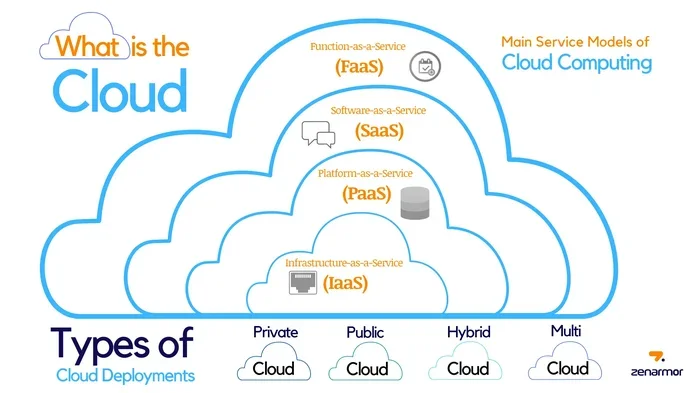
Cloud services generally fall into three main categories. Each one serves a different purpose but all rely on cloud infrastructure.
- Infrastructure as a Service (IaaS): This gives you virtual machines, storage, and networking. You build your own environment on top of it.
- Platform as a Service (PaaS): This provides a framework for developers to build apps without worrying about underlying hardware.
- Software as a Service (SaaS): This delivers ready-to-use applications over the internet, like email, CRM tools, or project management software.
These service models are the backbone of modern computing. They power everything from streaming platforms to enterprise software used by Fortune 500 companies.
The Evolution of Computing Before and After the Cloud
To truly appreciate how cloud computing changed modern computing, you need to understand where we started. Computing has come a long way in just a few decades.
The Early Days of Computing
In the 1980s and 1990s, computers were large, expensive, and isolated. A single machine could cost thousands of dollars. Software came on floppy disks or CDs. Data lived on local hard drives, and sharing files meant copying them onto USB sticks or burning CDs. Distributed computing existed in theory, but it was complex and limited to large research institutions.
Then the internet arrived in the late 1990s and early 2000s. Suddenly, computers could talk to each other. Email became mainstream. Websites grew in popularity. But the actual computing power still lived inside each individual machine.
The Birth of Cloud Technology
The term “cloud computing” started gaining traction around 2006 when Amazon launched its Elastic Compute Cloud. This was a game-changer. For the first time, businesses could rent computing power by the hour. No need to buy servers. No need to cool them or hire a full-time team to maintain them.
From there, cloud adoption exploded. Companies realized that virtualization made it possible to run multiple operating systems on a single physical machine. This boosted efficiency and reduced waste. By the mid-2010s, the cloud was no longer a novelty. It had become the default way many organizations handled their technology needs.
Today, cloud migration is a standard strategy for companies looking to modernize. Even government agencies and hospitals have moved sensitive workloads to the cloud, proving that cloud technology is trusted across every industry.
How Cloud Computing Changed Modern Computing for Businesses
The business world was one of the first major beneficiaries of the cloud revolution. How cloud computing changed modern computing for businesses goes far beyond just saving money on servers. It reshaped entire business models and opened up new opportunities.
From Capital Expenses to Operational Savings
Before the cloud, companies had to invest heavily in IT hardware. They bought servers, leased data center space, and hired specialists to keep everything running. These were huge upfront costs, known as capital expenditures. Small businesses often could not afford them.
The cloud flipped this model on its head. With cloud services, businesses pay a monthly or usage-based fee. This is called an operational expense. It is much easier to budget for and scales with your actual needs. A startup can start with a small cloud plan and grow without ever buying a single physical server.
This shift is one of the biggest reasons cloud computing has driven so much business agility. Companies can pivot quickly, experiment with new ideas, and respond to market changes without being locked into expensive infrastructure.
Scaling Without Limits
Imagine your website suddenly gets 100 times more traffic because of a viral post. Without the cloud, you would scramble to buy and install new servers. With the cloud, you simply increase your allocated resources with a few clicks. This is the power of scalability.
Cloud infrastructure allows businesses to scale up during peak times and scale down when demand drops. You only pay for what you use. This elasticity is something traditional computing could never offer. It has helped companies of all sizes handle unpredictable traffic spikes without downtime or lost revenue.
Faster Time to Market
In the past, launching a new product or service required months of setup. Companies had to provision hardware, install software, test everything, and then go live. With cloud technology, a new app can be deployed in hours or even minutes.
This speed has become a competitive advantage. Companies that move fast win customers. The cloud gives them that edge. Serverless computing, a newer cloud model, takes this even further by letting developers focus purely on code without managing any servers at all.
Key Benefits That Transformed the Industry
The benefits of cloud computing go well beyond business convenience. They have fundamentally changed how we think about technology and what it can do.
Cost Savings and Efficiency
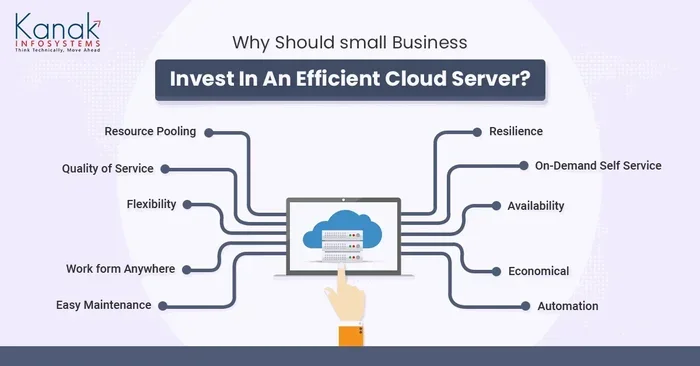
One of the most compelling reasons companies adopt cloud services is cost reduction. Studies show that businesses save an average of 20 to 40 percent on IT costs after moving to the cloud. These savings come from several sources:
- No need to buy expensive hardware upfront.
- Lower energy costs for powering and cooling servers.
- Reduced IT staffing needs for hardware maintenance.
- Predictable monthly billing instead of surprise repair costs.
For small and medium-sized businesses, these savings can be the difference between surviving and thriving. The cloud levels the playing field, giving smaller companies access to the same powerful tools that large enterprises enjoy.
Speed and Agility
Speed matters in business. The cloud makes it possible to test new ideas quickly. Developers can spin up test environments, run experiments, and tear them down in minutes. This rapid iteration drives digital transformation across industries.
Companies can respond to customer feedback faster. They can launch new features overnight instead of waiting for quarters. This agility is a direct result of how cloud computing changed modern computing and continues to push industries forward.
Innovation at Scale
The cloud is not just about saving money or moving faster. It is also a launchpad for innovation. Artificial intelligence and machine learning services are now built directly into cloud platforms. Companies can use these tools without hiring a team of data scientists.
Tools for data analytics, natural language processing, and computer vision are all available through cloud services. This democratization of advanced technology means that a small startup can build an AI-powered product just as effectively as a tech giant. That is a remarkable shift.
Cloud Computing and the Rise of Remote Work
Perhaps no area shows the power of the cloud more clearly than remote work. The COVID-19 pandemic forced millions of people to work from home almost overnight. Cloud technology made that possible.
Collaboration Tools Built on the Cloud
Platforms like Zoom, Slack, Google Workspace, and Microsoft Teams all run on cloud infrastructure. These tools let teams communicate, share files, and collaborate in real time from different locations. Without the cloud, remote work as we know it would not exist.
Before the cloud, working from home meant emailing files back and forth. Version control was a nightmare. Collaboration was slow and frustrating. Cloud-based tools solved all of these problems. They created a shared digital workspace where everyone could contribute from anywhere.
How Teams Stay Connected From Anywhere
Today, remote work and hybrid work models are the norm for many companies. Teams span multiple cities, countries, and even continents. Cloud computing keeps them connected through shared documents, video calls, project management boards, and instant messaging.
This shift has also changed hiring. Companies are no longer limited to recruiting talent within commuting distance. They can hire the best person for the job, regardless of location. This is a direct benefit of how cloud computing changed modern computing.
Challenges and Security in the Cloud Era
The cloud has brought enormous benefits, but it is not without challenges. Understanding these issues helps businesses make smarter decisions about their cloud infrastructure.
Common Cloud Security Concerns
One of the biggest worries people have about the cloud is security. When your data lives on someone else’s servers, you naturally want to know it is protected. Cloud providers take this very seriously. Major platforms invest billions in security measures including encryption, firewalls, and regular audits.
However, security is a shared responsibility. The provider secures the infrastructure, but users must also protect their own data and access controls. Common mistakes include weak passwords, unpatched software, and overly permissive access settings.
Companies should also consider compliance requirements. Industries like healthcare and finance have strict rules about where data can be stored and who can access it. Choosing a cloud service that meets these standards is essential.
Overcoming Adoption Barriers
Not every company has jumped on the cloud bandwagon. Some worry about losing control of their data. Others face technical challenges with cloud migration. Legacy systems built on older technology can be difficult to move to the cloud.
The good news is that these challenges are solvable. Many providers offer migration support and hybrid cloud options. A hybrid cloud strategy lets companies keep sensitive data on-premises while using the cloud for less critical workloads. A multi-cloud strategy uses services from multiple providers to avoid vendor lock-in and increase redundancy.
Education and training also play a big role. Teams need to understand how to use cloud tools effectively and securely. Investing in cloud training pays off quickly in the form of better performance and fewer mistakes.
The Future of Cloud Computing and Modern Technology
How cloud computing changed modern computing is still unfolding. New trends are emerging that will shape the next chapter of this story.
Edge Computing and AI Integration
Edge computing is one of the most exciting developments in the cloud space. Instead of sending all data to a central data center, edge computing processes information closer to where it is generated. This reduces latency and improves performance for applications like self-driving cars, smart factories, and IoT devices.
At the same time, artificial intelligence is becoming deeply integrated with cloud platforms. AI-powered tools help businesses analyze data, automate tasks, and make smarter decisions. The combination of cloud computing and AI is creating possibilities that were unimaginable just a few years ago.
What Comes Next?
The future of cloud technology will likely focus on even greater customization and efficiency. Quantum computing, while still in its early stages, may eventually run on cloud platforms, giving businesses access to unprecedented processing power. Sustainable cloud computing is also gaining attention, with providers working to reduce the energy consumption of their data centers.
One thing is clear: the cloud will continue to be the foundation of modern computing. As cloud services become more powerful and accessible, even more industries will find new ways to leverage them.
Conclusion
How cloud computing changed modern computing is not just a technology story. It is a story about people, businesses, and opportunities. The cloud removed barriers, lowered costs, and gave everyone access to powerful tools that were once reserved for the biggest corporations.
From enabling remote work to driving artificial intelligence, cloud computing has touched every corner of the digital world. Its impact on business agility, cost savings, and digital transformation cannot be overstated. Companies that embrace cloud technology today are positioning themselves for success tomorrow.
The journey is far from over. As new innovations emerge, the cloud will continue to evolve and surprise us. The best thing you can do is stay informed, keep learning, and take advantage of the incredible tools the cloud has made available. The future of computing is in the cloud, and it is only getting brighter.
Frequently Asked Questions
What is cloud computing in simple terms?
Cloud computing means using remote servers on the internet to store data and run applications instead of relying on your own computer or local servers. It lets you access your files and software from anywhere with an internet connection.
How has cloud computing changed modern computing for businesses?
Cloud computing has allowed businesses to reduce IT costs, scale resources on demand, and collaborate remotely. It replaced the need for expensive physical hardware and gave companies of all sizes access to powerful tools that were once only available to large enterprises.
Is cloud computing safe and secure?
Major cloud providers invest heavily in security measures like encryption and regular audits. However, security is a shared responsibility. Users must also follow best practices like using strong passwords, enabling multi-factor authentication, and managing access controls properly.
What are the main types of cloud services?
The three main types are Infrastructure as a Service (IaaS), Platform as a Service (PaaS), and Software as a Service (SaaS). Each serves a different purpose, from providing raw computing power to delivering ready-to-use applications over the internet.
Can small businesses benefit from cloud technology?
Absolutely. Cloud services level the playing field by giving small businesses access to the same powerful tools that large companies use, but at a fraction of the cost. Small businesses can scale up or down based on their needs without making large upfront investments.
What does the future of cloud computing look like?
The future includes exciting developments like edge computing, AI integration, and quantum computing on cloud platforms. Providers are also focusing on sustainability and energy efficiency. Cloud technology will continue to be the backbone of modern computing for years to come.
=== URL SLUG ===
/how-cloud-computing-changed-modern-computing
=== SEO TITLE ===
How Cloud Computing Changed Modern Computing Forever
=== META TITLE ===
How Cloud Computing Changed Modern Computing Forever