Pci Compliance Cloud Computing Is Not as Hard as You Think
PCI compliance cloud computing is simpler than most businesses believe. You can protect payment card data and meet regulatory requirements without overwhelming complexity. This guide breaks down every step into clear, actionable advice. You will learn about the shared responsibility model, encryption standards, and how to choose the right cloud provider. By the end, you will feel confident and ready to start your compliance journey.
If you have been putting off pci compliance cloud computing because it sounds too complicated, this article is for you. The truth is, meeting PCI compliance requirements in a cloud environment is far less intimidating than most people assume. You do not need to be a security expert or spend a fortune to get started. With the right approach, you can protect your payment card data and keep your business running smoothly.
Every day, thousands of businesses process credit card transactions through cloud platforms. They do so confidently because the PCI DSS framework was designed to work with modern technology. The cloud actually offers many advantages that make data security easier than traditional on-premise setups. This guide will walk you through everything you need to know. By the end, you will have a clear roadmap to follow.
Key Takeaways
- PCI compliance in the cloud is achievable: You do not need a massive IT team or huge budget to meet the requirements.
- The shared responsibility model is key: Your cloud provider handles infrastructure security, while you manage data access and configuration.
- Encryption and tokenization protect card data: These tools make it much harder for attackers to steal sensitive information.
- Choosing the right cloud provider matters: Look for providers with built-in compliance certifications and strong security controls.
- Regular audits and monitoring keep you compliant: Compliance is not a one-time event. It requires ongoing attention and documentation.
- Small businesses benefit too: Cloud solutions level the playing field, giving smaller merchants enterprise-grade security at a lower cost.
- Start with a risk assessment: Understanding your current setup helps you prioritize the right security measures first.
📑 Table of Contents
What Is PCI Compliance in the Cloud?
Let us start with the basics. PCI compliance means following the Payment Card Industry Data Security Standard. This set of rules was created by major card brands like Visa, MasterCard, and American Express. The goal is simple: keep payment card data safe from theft and misuse. When you process, store, or transmit card information, you must meet these standards.
Now, what happens when you move that process to the cloud? PCI compliance cloud computing means applying those same security rules to a cloud-based environment. Your cloud service provider hosts your applications and data on remote servers instead of local hardware. This shift changes how you approach security controls, but it does not remove your responsibility. You still must ensure that cardholder data stays protected at every step.
Understanding the PCI DSS Framework
The PCI DSS framework includes twelve core requirements. They cover areas like network security, access control, and vulnerability management. Think of them as a checklist that tells you what your business needs to do. Each requirement has specific actions you must take to prove compliance. Here is a quick look at the main categories:
- Build and maintain a secure network with proper firewall configuration
- Protect cardholder data through encryption and secure storage
- Maintain a vulnerability management program to catch threats early
- Implement strong access control measures so only authorized users can see sensitive data
- Regularly monitor and test networks to spot unusual activity
- Maintain an information security policy that everyone on your team follows
These requirements apply whether you use a cloud setup or a traditional server. The difference lies in how you implement them. Cloud environments give you built-in tools that can make this process smoother.
Why Cloud Computing Changes the Game
Traditional data security often required businesses to buy expensive hardware. You needed physical servers, cooling systems, and dedicated IT staff. PCI compliance cloud computing removes most of that burden. Your cloud service provider manages the physical infrastructure, so you can focus on your own security layer.
Cloud platforms also offer automatic updates and patches. This is a huge win for vulnerability management. Instead of manually updating systems every month, your provider handles it for you. That said, you still need to configure your cloud environment correctly. A misconfigured cloud setup can create just as many risks as an outdated server.
How PCI Compliance Works with Cloud Services
Understanding how compliance requirements apply in the cloud is essential. Many businesses assume their cloud provider handles everything. That is a common misconception. The truth involves a shared model where both parties have roles to play.
The Shared Responsibility Model
The shared responsibility model is the foundation of cloud security. Your cloud service provider is responsible for the security of the cloud itself. This includes physical servers, data centers, and the underlying network infrastructure. They keep the foundation secure so your data stays safe.
You are responsible for security in the cloud. This means how you configure your applications, who gets access to data, and what encryption you use. PCI compliance cloud computing works best when both sides do their part. If you neglect your responsibilities, even the best cloud provider cannot save you from a data breach.
Here is a simple way to think about it:
- Your cloud provider secures the building and grounds
- You secure the contents inside your office
- Together, you keep the entire operation safe
Security Controls You Need in the Cloud
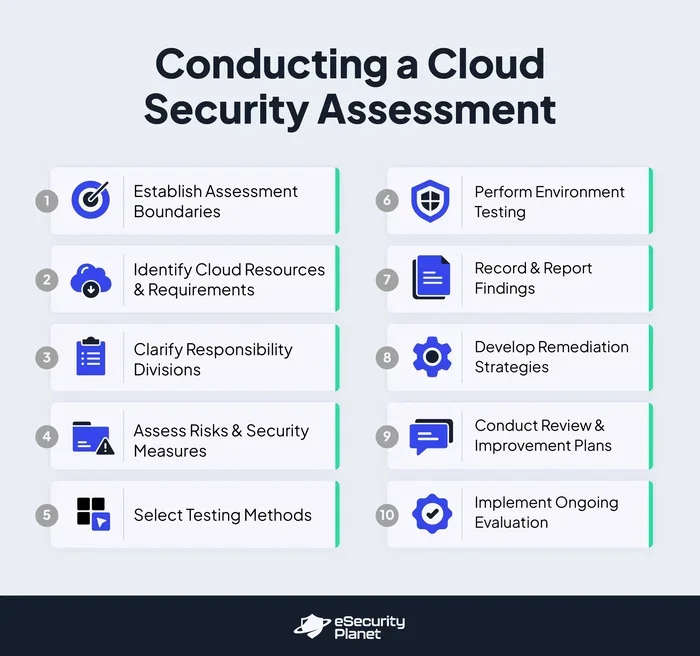
To meet PCI compliance standards in the cloud, you need specific security controls in place. These controls protect payment card data from unauthorized access and theft. Let us look at the most important ones:
- Encryption: Encrypt cardholder data both in transit and at rest. This turns readable data into unreadable code that hackers cannot use.
- Tokenization: Replace sensitive card numbers with random tokens. Even if someone steals the token, they cannot reverse it to get the real card number.
- Access control: Use multi-factor authentication and limit access based on job roles. Not every employee needs to see payment card data.
- Firewall configuration: Set up firewalls to monitor incoming and outgoing traffic. Only allow traffic that your business needs to function.
- Network segmentation: Separate your cardholder data environment from the rest of your network. This limits the damage if an attacker gets in.
- Audit trails: Keep detailed logs of who accessed what data and when. These logs are critical during a compliance audit.
Each of these controls plays a role in your overall data security strategy. You do not need to implement all of them at once. Start with the most critical ones and build from there.
Benefits of Using Cloud for PCI Compliance
Many businesses choose cloud hosting for PCI compliance because of the real advantages it offers. Let us explore why more companies are making the switch every year.
Cost Savings and Lower Overhead
Running a secure on-premise server is expensive. You pay for hardware, electricity, cooling, and a team to maintain it. PCI compliance cloud computing shifts those costs to a predictable monthly fee. You pay only for what you use, which makes budgeting much easier.
Small and medium-sized businesses especially benefit from this model. A local bakery or online shop can access the same level of security controls that a large corporation uses. The cloud levels the playing field. You get enterprise-grade protection without the enterprise-grade price tag.
Scalability and Flexibility
As your business grows, your security needs change too. Cloud platforms let you scale up or down without rebuilding your entire infrastructure. Need more storage during the holiday shopping season? Your cloud provider can handle it with a few clicks.
This flexibility also applies to your compliance strategy. You can add new security features as your business evolves. You do not need to wait for a major hardware upgrade to improve your data security. The cloud grows with you.
Faster Compliance Audits
Cloud providers often come with pre-built compliance certifications. Many major providers already hold PCI DSS Level 1 certification. This means they have been independently audited and meet the highest security standards. When you use their services, your own audit process becomes much simpler.
You still need to document your own configurations and access controls. But starting with a certified provider gives you a strong foundation. It shows auditors that you have taken the right first steps toward regulatory compliance.
Common Challenges and How to Overcome Them
No journey is without obstacles. PCI compliance cloud computing comes with its own set of challenges. But each one has a practical solution. Let us look at the most common issues businesses face.
Data Encryption in Transit and at Rest
Encrypting payment card data is not optional. It is a core compliance requirement. Data in transit means information moving between systems, like when a customer submits a payment. Data at rest means information stored on a server or database.
The challenge is ensuring encryption is properly configured across all systems. Some businesses forget to encrypt backups or test environments. Others use outdated encryption algorithms that are no longer considered secure. The fix is straightforward: use strong encryption standards like AES-256 and TLS 1.2 or higher. Review your encryption setup regularly and update it as standards evolve.
Maintaining Audit Trails
During a compliance audit, you must show who accessed cardholder data and when. Many businesses struggle with keeping complete and organized logs. Cloud environments can generate massive amounts of log data. Without proper tools, those logs become overwhelming and easy to ignore.
Use automated log management tools to collect and organize your audit trails. Set up alerts for unusual activity, like multiple failed login attempts. This makes it easier to spot potential threats early. It also saves you hours of manual work when audit time arrives.
Choosing the Right Cloud Provider
Not all cloud providers are created equal when it comes to security and compliance. Some offer strong built-in protections. Others leave you to figure things out on your own. Choosing the wrong provider can make your PCI compliance journey much harder.
Look for providers that explicitly support PCI compliance and offer detailed documentation about their security practices. Ask about their compliance certifications and what level of shared responsibility they follow. A good provider will be transparent and eager to help you meet your goals.
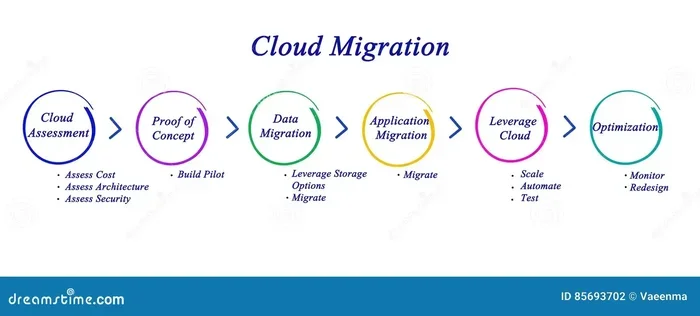
Step-by-Step Guide to Achieving PCI Compliance in the Cloud
Now that you understand the basics, let us walk through the actual steps. This practical guide will help you move from confusion to confidence.
Step 1: Assess Your Current Setup
Before you make any changes, take stock of where you are right now. What systems do you currently use to process payments? Where is cardholder data stored? Who has access to it? Answering these questions gives you a clear starting point.
Conduct a risk assessment to identify your biggest vulnerabilities. Maybe your current setup lacks proper encryption. Or perhaps too many employees have access to sensitive data. Write down every finding. This list becomes your roadmap for the next steps.
Step 2: Choose the Right Cloud Provider
With your assessment complete, it is time to evaluate cloud providers. Look for ones that are PCI DSS certified and offer the features you need. Compare their security controls, pricing, and support options. Do not be afraid to ask tough questions during the evaluation process.
Some providers offer PCI-compliant hosting environments out of the box. This can save you weeks of configuration work. Others give you more flexibility but require you to set up security measures yourself. Choose the option that matches your technical expertise and budget.
Step 3: Implement Security Controls
Now you put your plan into action. Based on your risk assessment, start implementing the security controls that matter most. Enable encryption for all payment card data. Set up access controls with multi-factor authentication. Configure firewalls and network segmentation to isolate sensitive information.
Do not try to do everything at once. Prioritize the controls that address your biggest risks first. Each step you complete brings you closer to full compliance. Keep detailed records of every change you make. These records will be invaluable during your audit.
Step 4: Monitor and Maintain Compliance
Compliance is not a one-time achievement. It is an ongoing process. Set up continuous monitoring to track your data security posture. Run regular vulnerability scans and penetration tests. Review your access controls and audit logs at least once a quarter.
Stay updated on any changes to PCI DSS requirements. The standard evolves over time as new threats emerge. Subscribe to updates from the PCI Security Standards Council. This ensures you always stay current and compliant.
Expert Insights and Best Practices
Security professionals who work with PCI compliance cloud computing every day have valuable lessons to share. Here are some insights that can help you avoid common pitfalls and accelerate your progress.
Quick Tips for Staying Compliant
- Automate everything you can. Use automated tools for vulnerability scanning, log collection, and compliance reporting. Automation reduces human error and saves time.
- Train your team regularly. Security awareness training helps employees recognize phishing attempts and follow proper procedures. A single mistake can lead to a data breach.
- Document everything. Keep thorough records of your security configurations, access policies, and audit results. Good documentation makes compliance audits much less stressful.
- Test your incident response plan. Know exactly what your team will do if a security incident occurs. Practice your response plan at least once a year.
- Use tokenization wherever possible. Tokens are useless to attackers even if they are stolen. This simple step dramatically reduces your risk exposure.
What Experts Wish More Businesses Knew
One of the biggest mistakes businesses make is assuming compliance is someone else’s job. Whether you use a cloud provider or handle payments in-house, the responsibility ultimately falls on you. Another common error is treating PCI compliance as a checkbox exercise. Compliance is not just about passing an audit. It is about building a genuine security culture that protects your customers and your business.
Experts also emphasize the importance of regular communication with your cloud service provider. Stay in touch with their security team. Ask about new features, updates, and best practices. The stronger your partnership with your provider, the more secure your environment becomes.
Key Takeaways
- PCI compliance cloud computing is achievable: You do not need a massive IT team or huge budget to meet the requirements.
- The shared responsibility model is key: Your cloud provider handles infrastructure security, while you manage data access and configuration.
- Encryption and tokenization protect card data: These tools make it much harder for attackers to steal sensitive information.
- Choosing the right cloud provider matters: Look for providers with built-in compliance certifications and strong security controls.
- Regular audits and monitoring keep you compliant: Compliance is not a one-time event. It requires ongoing attention and documentation.
- Small businesses benefit too: Cloud solutions level the playing field, giving smaller merchants enterprise-grade security at a lower cost.
- Start with a risk assessment: Understanding your current setup helps you prioritize the right security measures first.
Frequently Asked Questions
What does PCI compliance mean for cloud computing?
PCI compliance in cloud computing means following the Payment Card Industry Data Security Standard when you store, process, or transmit payment card data in a cloud environment. Both you and your cloud service provider share responsibility for maintaining security. You must implement proper encryption, access controls, and monitoring to keep cardholder data safe.
Is PCI compliance harder in the cloud than on-premise?
Not necessarily. PCI compliance cloud computing can actually be simpler than traditional setups. Cloud providers handle much of the physical infrastructure security, and they offer built-in tools for encryption and monitoring. However, you still need to configure your environment correctly and manage your own security responsibilities. The key is understanding the shared responsibility model and following it carefully.
How much does PCI compliance in the cloud cost?
The cost varies depending on your business size and complexity. Many cloud providers include compliance tools in their standard pricing. You may also need to pay for security assessments, penetration testing, and audit fees. Overall, PCI compliance cloud computing tends to be more affordable than maintaining an on-premise secure environment, especially for small and medium-sized businesses.
What happens if I fail a PCI compliance audit?
If you fail a compliance audit, your merchant account provider may impose fines or increase your transaction fees. In serious cases, you could lose the ability to accept credit card payments. The best way to avoid this is to stay proactive with your security controls, conduct regular assessments, and address vulnerabilities before an audit takes place.
Can a small business achieve PCI compliance in the cloud?
Absolutely. Cloud solutions are especially helpful for small businesses because they provide enterprise-grade security without the high upfront costs. A small online store can use a PCI-compliant cloud provider and follow the same framework as a large corporation. The key is starting with a solid risk assessment and building your security measures step by step.
Do I need a PCI certification if my cloud provider is already certified?
Yes. Your cloud provider’s certification covers their infrastructure, but it does not cover your specific configuration and data handling practices. You still need to ensure that your applications, access controls, and processes meet PCI DSS requirements. Think of it as a partnership: your provider secures the foundation, and you secure how you use it.
=== CONCLUSION ===
PCI compliance cloud computing is far less daunting than it first appears. The cloud gives you powerful tools, built-in security features, and the flexibility to scale as your business grows. By understanding the shared responsibility model and implementing the right security controls, you can protect your payment card data with confidence. Start with a clear assessment, choose a trusted provider, and build your compliance strategy one step at a time. You do not need to do it all at once. Every step you take brings you closer to a secure, compliant, and future-proof setup. Take that first step today and see how manageable PCI compliance really is.