How a Cloud Computing Associate Degree Boosts Your Career
A cloud computing associate degree is a fast, affordable path into one of the most in-demand tech fields today. This degree equips you with core IT skills, cloud platform knowledge, and hands-on experience that employers actively seek. Graduates can pursue roles like cloud support specialist, network administrator, and junior cloud engineer. The program typically takes two years and opens doors to strong salary growth and industry certifications. If you want to enter tech without a four-year commitment, this is a smart move.
Have you been thinking about a career in tech but worried about the time and cost of a traditional four-year degree? A cloud computing associate degree might be exactly the answer you have been looking for. This two-year program gives you the skills and knowledge needed to jump into one of the fastest-growing fields in the world. Companies everywhere are moving their operations to the cloud, and they need qualified people to make it happen.
The beauty of a cloud computing associate degree is that it combines foundational IT training with focused cloud technology education. You learn how networks work, how data is stored, and how cloud platforms operate. By the time you graduate, you are ready for real-world roles that companies are desperate to fill. Whether you want to work for a big tech firm or a small startup, this degree gives you a strong starting point.
Key Takeaways
- Fast Track into Tech: An associate degree takes just two years and gets you job-ready faster than a bachelor’s program.
- High Demand for Cloud Skills: Companies of all sizes are migrating to the cloud, creating thousands of new jobs every year.
- Affordable Education Path: Community colleges and online programs offer flexible, budget-friendly options for earning this degree.
- Certification-Friendly Foundation: The curriculum aligns with major cloud certifications like AWS, Azure, and Google Cloud.
- Strong Salary Growth: Entry-level cloud roles pay competitively, and experienced professionals earn well above the national average.
- Versatile Career Options: Graduates can work in cloud support, network administration, data storage, and more across many industries.
📑 Table of Contents
- What Is a Cloud Computing Associate Degree?
- Why Cloud Computing Is a Hot Career Field
- What You Will Learn in the Program
- Top Cloud Certifications to Pair With Your Degree
- Career Paths and Job Opportunities
- Salary Expectations and Job Outlook
- Common Mistakes to Avoid When Pursuing This Degree
- Tips for Maximizing the Value of Your Degree
- How to Choose the Right Program
- Final Thoughts
What Is a Cloud Computing Associate Degree?
A cloud computing associate degree is a two-year post-secondary program that teaches you the fundamentals of IT and cloud technology. It is typically offered at community colleges and online universities. The program covers essential topics like networking, data storage, virtualization, and cloud services. You also get hands-on practice with major platforms such as AWS, Microsoft Azure, and Google Cloud.
Most programs require around 60 credit hours to complete. This includes general education courses alongside specialized cloud computing classes. The goal is to give you a well-rounded education that prepares you for entry-level IT positions. Many graduates go on to earn industry certifications that further boost their career prospects.
Who Should Consider This Degree?
This degree is a great fit for several types of learners. Recent high school graduates who want to enter the tech field quickly will find it very appealing. Working adults looking to switch careers can also benefit from the flexible scheduling options. Anyone who wants to gain practical, job-ready skills without spending four years in a classroom should strongly consider this path.
Why Cloud Computing Is a Hot Career Field
The demand for cloud computing professionals has been growing rapidly for years. More businesses are shifting their operations to the cloud because it saves money, improves scalability, and increases flexibility. This shift has created a huge need for skilled workers who understand cloud infrastructure and cloud services.
According to industry reports, cloud-related job postings have grown by double digits every year. Roles like cloud engineer, cloud architect, and cloud support specialist are among the most sought-after positions in IT. A cloud computing associate degree gives you the foundational knowledge to compete for these exciting opportunities.
Key Drivers of Cloud Job Growth
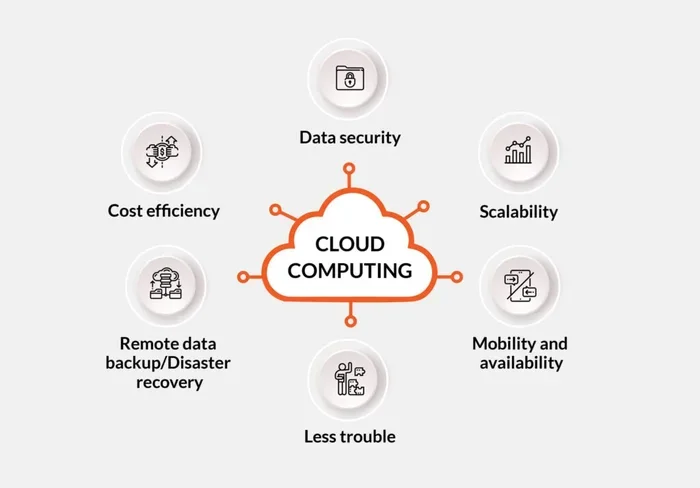
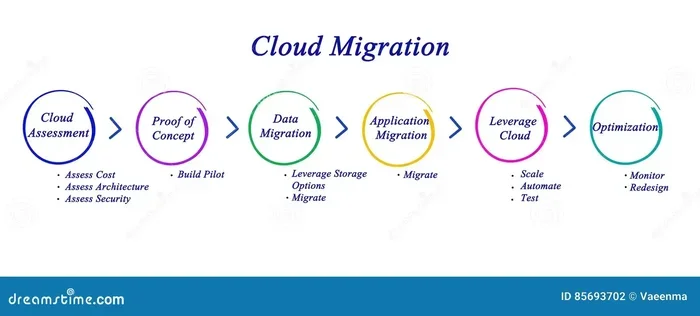
- Business Migration: Companies are moving their data and applications from on-premise servers to cloud platforms at a rapid pace.
- Remote Work Trends: The rise of remote work has increased the need for reliable cloud-based tools and infrastructure.
- Cost Savings: Cloud solutions help businesses reduce hardware costs and improve operational efficiency.
- Scalability Needs: Growing companies need cloud systems that can scale up or down based on demand.
- Security Demands: As more data moves to the cloud, organizations need professionals who understand cloud security.
What You Will Learn in the Program
A typical cloud computing associate degree curriculum covers a wide range of topics. You start with IT fundamentals and then move into more specialized cloud courses. The goal is to build your knowledge step by step so you graduate with real, practical skills.
Core Subjects Covered
Most programs include courses in the following areas:
- Introduction to Cloud Computing: Learn what cloud technology is, how it works, and why businesses use it.
- Network Administration: Understand how computer networks are set up, managed, and secured.
- Data Storage and Management: Explore how data is stored, backed up, and retrieved in cloud environments.
- Virtualization: Study the technology that allows multiple virtual systems to run on a single physical machine.
- Cloud Architecture: Learn how to design and structure cloud-based systems for performance and reliability.
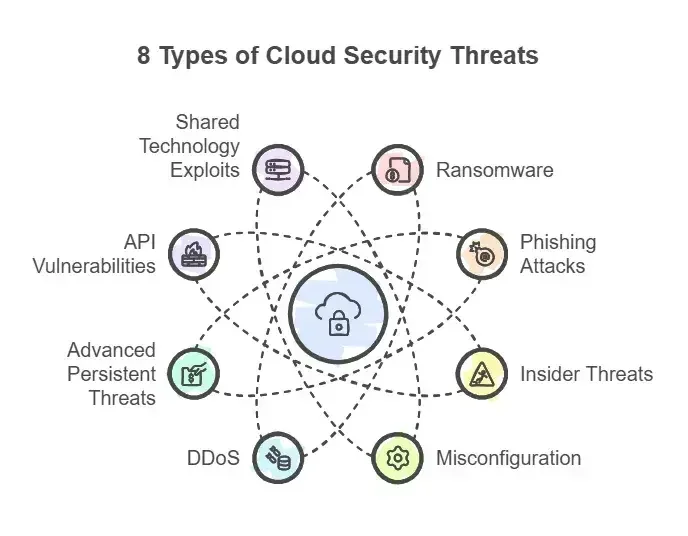
- Cloud Security: Understand the principles of keeping cloud data safe from threats and breaches.
- Programming Basics: Get introduced to scripting and programming languages used in cloud environments.
Practical Skills You Will Gain
Beyond theory, these programs focus heavily on hands-on skills. You will learn to navigate real cloud platforms, set up virtual machines, and manage storage systems. Many programs include lab exercises and projects that mimic real workplace scenarios. This practical approach means you can hit the ground running when you start your first job.
Top Cloud Certifications to Pair With Your Degree
One of the biggest advantages of earning a cloud computing associate degree is that it prepares you for industry-recognized certifications. These certifications are like gold in the job market. They show employers that you have specific, verified skills in cloud platforms.
Here are the most valuable certifications to consider:
- AWS Certified Cloud Practitioner: This is the entry-level certification from Amazon Web Services. It covers basic cloud concepts and is a great starting point.
- Microsoft Azure Fundamentals (AZ-900): Azure is one of the most popular cloud platforms, and this certification validates your foundational knowledge.
- Google Cloud Digital Leader: Google Cloud is a major player in the industry, and this certification shows you understand cloud basics.
- CompTIA Cloud+: This vendor-neutral certification covers a broad range of cloud topics and is highly respected by employers.
- Cisco CCNA: While not cloud-specific, this networking certification complements your cloud knowledge and is valued across IT roles.
Many community colleges include exam prep courses as part of their cloud computing associate degree programs. This means you can earn your degree and start working toward certifications at the same time. That combination makes you a very attractive candidate to hiring managers.
Career Paths and Job Opportunities
With a cloud computing associate degree, you have access to a wide range of career paths. The field is diverse, and there are roles suited to different interests and skill sets. Let us look at some of the most common job opportunities for graduates.
Cloud Support Specialist
This is one of the most common entry-level roles for associate degree holders. Cloud support specialists help users troubleshoot issues with cloud platforms and services. You might answer support tickets, guide customers through setup processes, or resolve technical problems. Strong communication skills are just as important as technical knowledge in this role.
Junior Cloud Engineer
Junior cloud engineers work on building and maintaining cloud-based systems. You might help deploy applications, manage servers, or optimize cloud resources. This role requires a solid understanding of cloud architecture and cloud infrastructure. Many professionals start here and grow into senior engineering roles over time.
Network Administrator
Network administrators manage an organization’s computer networks. This includes setting up routers, monitoring network performance, and troubleshooting connectivity issues. Since cloud computing relies heavily on networking, this is a natural career path for graduates of a cloud computing associate degree program.
Systems Administrator
Systems administrators keep computer systems running smoothly. They install software, manage user accounts, and perform regular maintenance. In a cloud environment, this role often involves managing virtual servers and storage systems.
Data Storage Specialist
Data storage specialists focus on how organizations store, organize, and protect their data. With more businesses moving to cloud-based storage solutions, this role is becoming increasingly important. You would be responsible for managing storage systems, ensuring data integrity, and optimizing performance.
Salary Expectations and Job Outlook
One of the most exciting aspects of a career in cloud computing is the strong earning potential. Even at the entry level, cloud-related jobs pay competitively compared to many other fields that do not require a four-year degree. As you gain experience and additional certifications, your salary expectations can increase significantly.
Entry-level positions like cloud support specialist or junior cloud engineer typically offer salaries in the mid-range for IT roles. With a few years of experience and relevant certifications, professionals can move into higher-paying positions. The cloud computing jobs market continues to expand, which means there is strong demand for skilled workers.
Keep in mind that salaries vary based on location, industry, and company size. Tech hubs like San Francisco, New York, and Seattle tend to offer higher pay. However, many companies now offer remote positions, which opens up opportunities across the country.
Common Mistakes to Avoid When Pursuing This Degree
While a cloud computing associate degree is a fantastic investment, there are some common pitfalls you should watch out for. Avoiding these mistakes will help you get the most value from your education.
Skipping Certification Prep
Some students focus only on their coursework and forget to prepare for industry certifications. This is a missed opportunity. Certifications set you apart from other candidates and demonstrate your commitment to the field. Make sure your program includes certification prep or take the initiative to study for exams on your own.
Choosing the Wrong Program
Not all associate degree programs are created equal. Some focus too heavily on theory and not enough on hands-on practice. Look for programs that offer lab work, real-world projects, and partnerships with cloud platform providers. The practical experience you gain during your studies will matter greatly when you start applying for jobs.
Neglecting Networking Skills
Cloud computing is built on networking. If you do not develop strong networking skills, you will limit your career options. Make sure your program covers network administration thoroughly, and consider pursuing a networking certification alongside your cloud credentials.
Ignoring Soft Skills
Technical skills get you hired, but soft skills help you grow. Communication, problem-solving, and teamwork are essential in any IT role. Many cloud computing associate degree programs include group projects and presentations for this reason. Take these opportunities seriously and work on developing these skills.
Tips for Maximizing the Value of Your Degree
Getting your cloud computing associate degree is just the beginning. Here are some tips to make sure you get the most out of your education and set yourself up for long-term success.
- Start Early with Certifications: Begin studying for cloud certifications during your first year. This gives you a head start and makes you more competitive when applying for jobs.
- Build a Home Lab: Set up a free account on AWS, Azure, or Google Cloud and practice building real projects. Hands-on experience is invaluable.
- Join Online Communities: Engage with other cloud professionals on forums and social media. Networking can lead to job opportunities and mentorship.
- Apply for Internships: Look for internship opportunities while you are still in school. Real-world experience makes your resume stand out.
- Keep Learning: Technology changes fast. Commit to ongoing learning through online courses, webinars, and industry events.
- Leverage Your School’s Career Services: Many colleges offer career counseling, resume reviews, and job placement assistance. Use these resources.
How to Choose the Right Program
Not all programs offering a cloud computing associate degree are the same. Choosing the right one can make a big difference in your education and career outcomes. Here are some factors to consider when making your decision.
- Accreditation: Make sure the college or university is properly accredited. This ensures your degree is recognized by employers and other institutions.
- Curriculum Content: Review the course catalog carefully. Look for programs that cover cloud platforms, networking, security, and virtualization.
- Hands-On Training: The best programs include plenty of lab work and practical projects. Avoid programs that are purely lecture-based.
- Certification Alignment: Check if the program prepares you for recognized cloud certifications like AWS, Azure, or CompTIA Cloud+.
- Flexibility: If you are working or have other commitments, look for programs that offer evening classes, weekend options, or fully online formats.
- Cost: Community colleges often offer the most affordable options. Compare tuition costs and financial aid opportunities before deciding.
- Industry Partnerships: Programs with partnerships to cloud providers or local tech companies can offer valuable networking and job placement opportunities.
Take the time to research multiple programs before committing. Talk to admissions counselors, reach out to alumni, and read reviews from current students. The right program will give you the knowledge, skills, and confidence you need to succeed in the cloud computing field.
Final Thoughts
A cloud computing associate degree is one of the smartest investments you can make in your future. It opens doors to a thriving career field with strong demand, competitive pay, and plenty of room for growth. In just two years, you can gain the skills and credentials needed to start a rewarding career in tech. Whether you are a recent graduate or a career changer, this degree offers a practical, affordable path to success. The cloud is not slowing down, and neither should your pursuit of a career in this exciting field.
Frequently Asked Questions
Is a cloud computing associate degree worth it?
Absolutely. This degree offers a fast, affordable path into a high-demand tech field. Graduates can start working in cloud support, network administration, and junior engineering roles within two years. The combination of a degree and industry certifications makes you a strong candidate for employers.
How long does it take to earn a cloud computing associate degree?
Most programs take about two years to complete if you attend full-time. Part-time options are also available at many schools, which can extend the timeline to three or more years. Online programs often offer flexible scheduling that lets you finish at your own pace.
Can I work while earning my cloud computing associate degree?
Yes, many programs are designed for working adults. Community colleges and online universities offer evening, weekend, and fully online classes. This flexibility makes it possible to earn your degree while gaining work experience in IT.
What jobs can I get with a cloud computing associate degree?
Graduates can pursue roles such as cloud support specialist, junior cloud engineer, network administrator, systems administrator, and data storage specialist. These are all entry-level positions that serve as strong foundations for long-term career growth in cloud computing.
Do I need prior IT experience for this degree?
No prior experience is typically required. Most programs start with foundational courses that cover basic IT concepts. However, having some familiarity with computers and basic networking can make the learning process smoother and more enjoyable.
How much can I earn with a cloud computing associate degree?
Entry-level cloud roles generally offer competitive salaries that are higher than many jobs requiring only a high school diploma. With experience and additional certifications, professionals can see significant salary growth. Exact pay varies by location, role, and employer.