Top Privacy and Data Security Risks in Cloud Computing
Privacy and data security risks in cloud computing are real and growing as businesses move more operations online. From data breaches to unauthorized access, these threats can cause serious harm. Understanding the shared responsibility model and common vulnerabilities helps you stay protected. This guide breaks down the biggest risks and gives you actionable steps to secure your cloud environment. You will learn how to choose safer providers and defend against emerging threats.
Key Takeaways
- Data breaches remain the #1 threat: Hackers constantly target cloud storage, making encryption and access controls essential.
- The shared responsibility model is critical: Both you and your cloud provider share the duty of keeping data safe.
- Compliance matters more than ever: Regulations like GDPR and HIPAA set strict rules for handling data in the cloud.
- Multi-factor authentication stops most attacks: Simple steps like MFA can block unauthorized access before it starts.
- Insider threats are often overlooked: Not all risks come from outside — employees and contractors can also cause data leaks.
- Choosing the right provider is key: Look for strong security certifications, transparent policies, and solid encryption standards.
📑 Table of Contents
- What Are Privacy and Data Security Risks in Cloud Computing?
- Common Types of Cloud Security Threats
- The Shared Responsibility Model Explained
- How to Protect Your Data in the Cloud
- Choosing a Secure Cloud Service Provider
- Staying Ahead of Emerging Cloud Security Threats
- Final Thoughts on Cloud Security
What Are Privacy and Data Security Risks in Cloud Computing?
Cloud computing has changed the way businesses store, manage, and process data. Instead of relying on local servers, companies now use remote data centers to run their operations. This shift brings flexibility and cost savings. But it also opens the door to serious privacy and data security risks in cloud computing.
When your data lives on someone else’s servers, you lose direct control. You depend on the cloud service provider to keep it safe. But providers are not perfect. Misconfigurations, weak passwords, and outdated software can all lead to exposure. The more you understand these risks, the better prepared you are to fight them.
Every day, thousands of businesses move data to the cloud. Many do not fully grasp the dangers involved. They assume the provider handles everything. That assumption can be costly. A single breach can expose customer data, damage your reputation, and lead to heavy fines.
The good news is that knowledge is power. Once you know what to look for, you can take real steps to protect your information. This guide walks you through the most common risks and shows you how to reduce them.
Common Types of Cloud Security Threats
Not all cloud threats look the same. Some are sneaky and slow. Others strike fast and hard. Understanding the different types helps you build a stronger defense. Here are the most common threats you should know about.
Data Breaches
A data breach happens when someone gains unauthorized access to your information. This can include customer records, financial data, or intellectual property. Breaches in the cloud often happen because of weak passwords or unpatched systems. According to industry reports, misconfigured cloud storage is one of the top causes of breaches.
Hackers love cloud environments because they hold massive amounts of data in one place. If they break in, the payoff is huge. And the damage does not stop at the breach itself. Recovery costs, legal fees, and lost customer trust add up fast.
Ransomware Attacks
Ransomware is a type of malware that locks your data and demands payment to unlock it. Cloud systems are not immune. In fact, attackers increasingly target cloud backups because they know businesses depend on them. A successful ransomware attack can shut down operations for days or even weeks.
The best defense against ransomware is a solid data loss prevention strategy. Regular backups, offline copies, and employee training go a long way. You also want to make sure your cloud provider offers versioning and recovery options.
Insider Threats
Not every threat comes from a stranger. Insider threats come from people within your organization. This includes employees, contractors, and partners who have access to your cloud systems. Sometimes they act maliciously. Other times, they simply make mistakes.
For example, an employee might accidentally share a sensitive file with the wrong person. Or a disgruntled worker might steal data before leaving the company. These incidents are harder to detect because the access looks legitimate. Strong identity and access management practices help you monitor and control who sees what.
Misconfigurations and Human Error
Misconfigurations are one of the leading causes of cloud data exposure. A simple mistake, like leaving a storage bucket public, can expose millions of records. Human error plays a big role here. Many teams rush through setup and skip important security steps.
Common misconfiguration errors include:
- Leaving default passwords unchanged
- Setting storage permissions to public
- Failing to enable encryption
- Not updating security patches regularly
- Overly broad access rules
These mistakes are preventable with proper training and checklists. A few minutes of careful setup can save you from a major incident later.
The Shared Responsibility Model Explained
One of the biggest misunderstandings in cloud computing is the idea that your provider handles all security. This is simply not true. Cloud providers operate under a model called the shared responsibility model. It divides security duties between the provider and the customer.
Your cloud provider is responsible for the security of the cloud itself. This includes the physical data centers, networking infrastructure, and core software. They keep the foundation safe and secure.
But you are responsible for security in the cloud. This means protecting your data, managing access controls, and configuring services correctly. If you fail at this part, even the best provider cannot save you.
Think of it like renting an apartment. The landlord fixes the roof and handles building security. But you lock your door and keep your valuables safe. You both share the responsibility. Understanding this model is the first step toward reducing privacy and data security risks in cloud computing.
Where Providers Draw the Line
Each cloud provider defines its shared responsibility boundaries differently. Some cover more security features than others. Before signing a contract, read the service agreement carefully. Look for details about encryption, access management, and incident response. If something is not clear, ask. A good provider will be transparent about what they protect and what you must handle yourself.
Where You Draw the Line
Your responsibilities typically include managing user identities, setting password policies, enabling encryption, and monitoring activity logs. You also need to ensure that any applications you run in the cloud follow security best practices. This is a lot of work, but it is essential for keeping your data safe.
How to Protect Your Data in the Cloud
Now that you know the risks, let’s talk about solutions. Protecting your data in the cloud does not have to be complicated. A few smart steps can make a huge difference. Here is what you should do right now.
Encrypt Everything
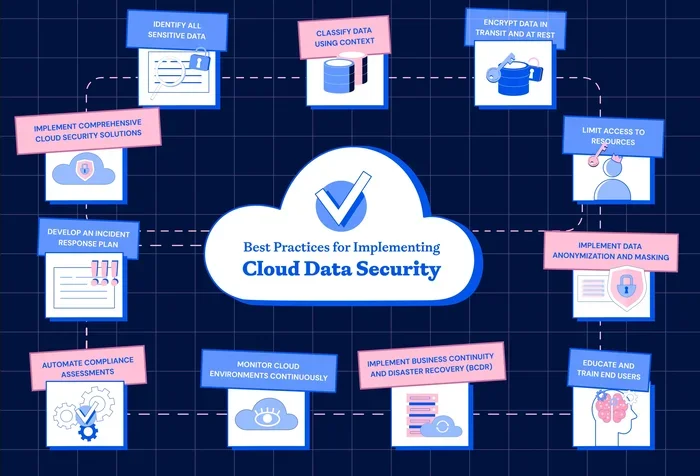
Data encryption is your first line of defense. When your data is encrypted, it looks like gibberish to anyone who does not have the key. Even if a hacker steals it, they cannot read it. Use encryption for data at rest and data in transit. Most cloud providers offer built-in encryption tools. Make sure you turn them on and configure them properly.
Enable Multi-Factor Authentication
Passwords alone are not enough anymore. Multi-factor authentication adds an extra layer of protection. With MFA enabled, users must verify their identity using a second method, like a phone code or fingerprint. This stops most unauthorized access attempts, even if someone steals a password.
Audit and Monitor Regularly
You cannot protect what you do not monitor. Set up regular audits of your cloud environment. Check who has access to what data. Review activity logs for suspicious behavior. Many cloud platforms offer built-in monitoring tools. Use them. If you spot something unusual, act fast.
Train Your Team
Your employees are your first line of defense — or your weakest link. Regular security training helps your team recognize phishing emails, avoid risky downloads, and follow proper procedures. Make security training part of your onboarding process. Refresh it at least once a year. A well-trained team is one of your best defenses against cybersecurity threats.
Choosing a Secure Cloud Service Provider
Not all cloud providers are created equal. Some invest heavily in security. Others cut corners. Choosing the right provider is one of the most important decisions you will make. Here is what to look for.
Check Security Certifications
Look for providers with recognized security certifications. These include SOC 2, ISO 27001, and FedRAMP. These certifications show that the provider meets strict security standards. They have been audited by independent third parties. If a provider does not have these certifications, that is a red flag.
Review Their Privacy Policy
Before you trust a provider with your data, read their privacy policy. This document explains how they collect, use, store, and share your information. It also tells you about their data breach notification process. If the policy is vague or hard to find, think twice. You can also check the provider’s terms and conditions for details about liability and data handling commitments.
Ask About Data Residency
Data residency refers to where your data is physically stored. Different countries have different laws about data storage and transfer. If you handle data from European citizens, for example, GDPR requires that data stay within certain regions. Make sure your provider offers data residency options that match your compliance needs.
Look for Transparent Incident Response
A good provider will tell you exactly what happens if a breach occurs. They should have a clear incident response plan and a track record of timely notifications. Ask potential providers about their breach history and how they handled past incidents. Transparency is a sign of a trustworthy partner.
Staying Ahead of Emerging Cloud Security Threats
The cloud security landscape changes constantly. New threats emerge every year. Staying ahead requires ongoing effort and vigilance. Here are some trends to watch.
The Rise of AI-Powered Attacks
Cybercriminals are using artificial intelligence to launch more sophisticated attacks. AI can help hackers find vulnerabilities faster and craft more convincing phishing emails. As cloud systems become more complex, AI-powered threats will only grow. Staying informed and investing in AI-based defense tools can help you keep up.
Compliance and Regulatory Changes
Governments around the world are tightening data protection laws. Regulations like GDPR, HIPAA, and CCPA set strict rules for handling personal data. Non-compliance can result in massive fines. Stay up to date with regulatory changes in your industry. Consider working with a compliance expert to make sure your cloud setup meets all requirements.
The Shift Toward Zero Trust Security
Zero trust security is a model where no one is trusted by default — not even users inside your network. Every access request is verified, every time. This approach is gaining popularity in cloud environments because it reduces the risk of unauthorized access. If you have not adopted zero trust yet, now is a great time to start.
Build a Culture of Security
Technology alone cannot solve all your security problems. You need a culture of security within your organization. Encourage employees to report suspicious activity. Reward good security habits. Make it clear that everyone plays a role in protecting data. When security becomes part of your company DNA, you are far less vulnerable to attacks.
You should also review your provider’s privacy policy regularly to stay informed about how your data is handled and protected across all their services.
Final Thoughts on Cloud Security
The world of cloud computing offers incredible opportunities. But it also comes with real risks. Privacy and data security risks in cloud computing are not going away anytime soon. As more businesses move to the cloud, attackers will keep finding new ways to exploit weaknesses.
The good news is that you do not have to face these risks alone. By understanding the threats, following the shared responsibility model, and taking proactive steps, you can build a strong defense. Encrypt your data, enable multi-factor authentication, train your team, and choose a provider that takes security seriously.
Remember, security is not a one-time project. It is an ongoing process. The threats evolve, and so should your defenses. Stay curious, stay vigilant, and keep learning. Your data is worth protecting.
Frequently Asked Questions
What are the biggest privacy risks in cloud computing?
The biggest privacy risks include unauthorized data access, misconfigured storage settings, and weak encryption. When your data sits on shared infrastructure, a misconfiguration can expose it to unintended parties. Choosing a provider with strong privacy controls and clear data handling policies is essential to reducing these risks.
How does the shared responsibility model affect my data security?
The shared responsibility model means your cloud provider secures the infrastructure, but you are responsible for protecting your data and access settings. If you fail to configure security properly, even the best provider cannot prevent a breach. Understanding where your responsibilities begin and end is the foundation of cloud security.
Can ransomware really attack cloud-stored data?
Yes, ransomware can absolutely target cloud data. Attackers often go after cloud backups because businesses rely on them for recovery. If your backups are not properly secured and isolated, a ransomware attack can destroy both your live data and your recovery options. Regular offline backups and strong access controls are your best defense.
What should I look for when choosing a cloud provider?
Look for security certifications like SOC 2 and ISO 27001, transparent privacy policies, data residency options, and a clear incident response plan. A trustworthy provider will be upfront about their security practices and have a proven track record of handling breaches responsibly.
How can I prevent insider threats in my cloud environment?
You can prevent insider threats by implementing strong identity and access management, using multi-factor authentication, and monitoring user activity logs. Limit access to only what each person needs. Regular security training also helps employees understand the risks and avoid accidental data leaks.
Why is data encryption so important in the cloud?
Data encryption protects your information by making it unreadable to anyone without the decryption key. Even if a hacker intercepts your data, encryption ensures they cannot use it. Always encrypt data both at rest and in transit to maintain the highest level of protection against unauthorized access.
=== CONCLUSION ===
Privacy and data security risks in cloud computing are real, but they are manageable. The key is to stay informed and take action. From understanding the shared responsibility model to encrypting your data and training your team, every step counts. Do not wait for a breach to teach you the importance of cloud security. Start today. Review your current setup, identify weak spots, and make improvements. Your data deserves the best protection you can give it.